
Orlando, Florida, stands as a beacon for travelers worldwide, synonymous with unforgettable family vacations, thrilling adventures, and magical moments. The question, “How far to Orlando, Florida from here?” is more than just a query about mileage; it’s the first step in planning an epic journey to one of the planet’s most beloved destinations. Whether you’re dreaming of walking through a fairy tale castle, encountering prehistoric creatures, or exploring the vastness of space, getting to Orlando is an adventure in itself, with countless variables influencing the distance, duration, and even the nature of your trip.
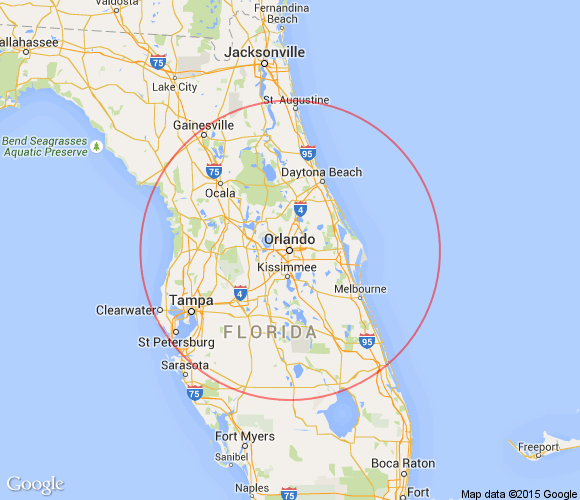
This article will serve as your comprehensive guide to understanding the journey to Orlando, breaking down the key factors that determine your travel time and distance, and offering insights into the best ways to reach this vibrant Florida city. From the moment the idea of an Orlando getaway sparks, to the practicalities of booking flights or planning a road trip, we’ll equip you with the knowledge to transform your aspirations into reality. Prepare to discover the magic that awaits, understanding that “here” can be anywhere, and the path to Orlando is as diverse as the dreams it fulfills.
The Irresistible Pull of Orlando, Florida
Before delving into the logistics of travel, it’s essential to appreciate what makes Orlando such a magnetic destination. Its global appeal isn’t accidental; it’s the result of decades of innovation in entertainment and hospitality, creating an unparalleled experience for visitors of all ages. Understanding the draw helps contextualize the effort and excitement involved in planning your trip.
World-Class Theme Parks
The cornerstone of Orlando’s fame lies in its extraordinary collection of theme parks. These aren’t just amusement parks; they are immersive worlds, meticulously designed to transport guests into realms of fantasy, adventure, and wonder. Each park offers a unique flavor, ensuring there’s something to captivate every member of your travel party.
At the heart of it all is the Walt Disney World Resort, an expansive universe comprising four distinct theme parks – Magic Kingdom, Epcot, Hollywood Studios, and Animal Kingdom – along with two water parks, countless resorts, and shopping and dining districts. It’s a place where iconic characters come to life, technological marvels create breathtaking rides, and parades light up the night sky. Just a short distance away, the Universal Orlando Resort beckons with its own brand of thrilling cinematic adventures. Home to Universal Studios Florida, Islands of Adventure, and Volcano Bay water park, Universal is renowned for its cutting-edge rides, beloved movie-themed areas like The Wizarding World of Harry Potter, and electrifying live entertainment. Beyond these giants, Orlando also hosts SeaWorld Orlando, offering marine life encounters and thrilling roller coasters, and LEGOLAND Florida Resort, a haven for younger children and LEGO enthusiasts, located an hour’s drive southwest of the city. These parks are not merely attractions; they are destinations in themselves, promising days, if not weeks, of exploration and enjoyment.
Beyond the Parks: Orlando’s Diverse Offerings
While the theme parks are undoubtedly a major draw, Orlando offers a wealth of other experiences that extend far beyond thrilling rides and costumed characters. For those with an interest in space exploration, the Kennedy Space Center Visitor Complex provides a fascinating glimpse into the history and future of NASA’s space programs, just an hour’s drive east of Orlando. Here, you can walk among giants of space travel, meet veteran astronauts, and even witness a rocket launch if your timing is right.
Closer to the city’s heart, ICON Park offers a different kind of entertainment, featuring The Wheel, an observation wheel providing panoramic views of the city, along with museums, restaurants, and various attractions. For a taste of Florida’s natural beauty, numerous pristine natural springs like Blue Spring State Park and Wekiwa Springs State Park offer opportunities for swimming, snorkeling, and kayaking in crystal-clear waters. Furthermore, Orlando’s central location in Florida means that stunning beaches like Cocoa Beach on the Atlantic Ocean coast and the calm waters of the Gulf of Mexico are within a reasonable driving distance, providing a perfect complement to the theme park excitement. This rich tapestry of attractions ensures that every traveler finds their niche in Orlando.
Understanding “How Far”: Factors Influencing Your Journey
The phrase “from here” is inherently relative, making the distance to Orlando a highly variable factor. However, by considering a few key elements, you can accurately gauge the scope of your journey and begin to formulate a realistic travel plan.
Geographic Starting Point
The most significant determinant of “how far” is your geographic origin. Traveling from within Florida will, naturally, be a much shorter journey than flying in from Canada, Europe, Asia, or South America. For instance, a drive from Miami to Orlando is approximately 230 miles (370 km), taking around 3.5 to 4 hours, while a flight from New York City covers roughly 1,000 miles (1,600 km) in about 2.5 hours. International travelers will measure their journey in thousands of miles and across multiple time zones, often involving longer flights with layovers. Tools like Google Maps, online flight search engines, and travel planning websites are invaluable for calculating precise distances and estimated travel times from your specific location to Orlando. These platforms leverage real-time data to account for various factors, offering a personalized answer to your distance query.
Mode of Transportation
Your chosen method of travel dramatically impacts both the distance perceived and the actual time spent journeying. Flying, for instance, covers vast distances rapidly, but involves time spent at airports, security checks, and transfers. Driving offers flexibility and the chance to explore along the way, but its distance calculation directly correlates to mileage and speed limits. Train and bus services provide economical alternatives, typically taking longer than driving but offering a relaxed travel experience. Each mode presents a different “how far” equation, blending actual mileage with the practicalities of travel.
Travel Time vs. Distance
It’s crucial to differentiate between raw distance and actual travel time. A direct flight might cover 1,000 miles in 2.5 hours, but door-to-door, including travel to the airport, security, boarding, and then ground transportation in Orlando, the total time could easily extend to 6-8 hours or more. Similarly, a 500-mile road trip might take 8-10 hours when factoring in stops for fuel, food, and rest, not just the pure driving time. Traffic conditions, especially around major metropolitan areas or during peak travel seasons, can also significantly inflate travel times, particularly for those driving. When planning, always estimate on the side of caution, allowing ample buffer time to prevent unnecessary stress.
Navigating Your Way: Popular Transportation Methods to Orlando
Once you’ve identified your starting point and weighed the factors influencing your journey, it’s time to select the best mode of transportation. Orlando’s robust infrastructure supports various travel methods, each with its own advantages.
Flying to Orlando
For most domestic and international travelers, flying is the most efficient way to reach Orlando. The city is primarily served by two major airports:
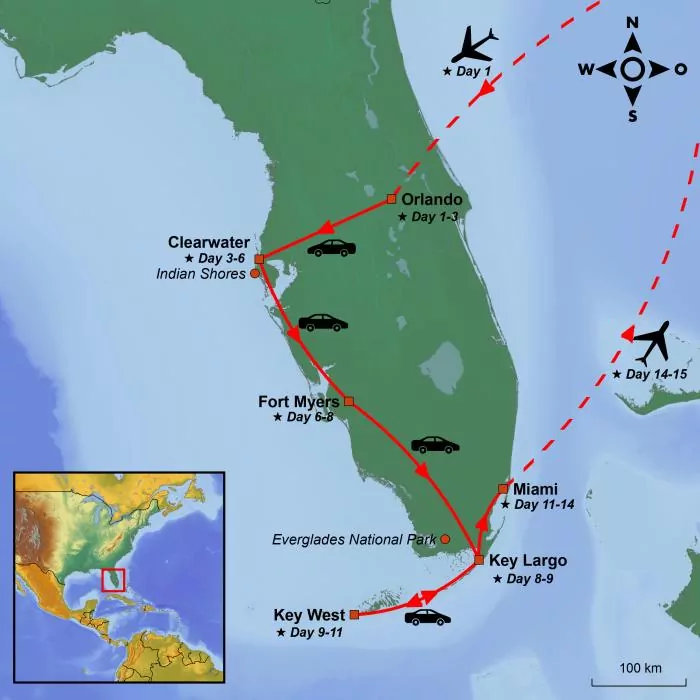
- Orlando International Airport (MCO): This is the main gateway, a large and bustling hub located just a short drive from the theme parks and downtown Orlando. MCO offers extensive domestic and international flights from numerous airlines. Upon arrival, travelers have various options for ground transportation, including rental cars, shuttle services, ride-sharing apps, and taxis, to reach their accommodations.
- Orlando Sanford International Airport (SFB): Located approximately 30 miles (48 km) northeast of downtown Orlando, SFB is a smaller, often less crowded alternative, primarily serving budget airlines. While it requires a slightly longer transfer to the theme parks, it can sometimes offer more affordable airfares.
When booking flights, consider factors like direct versus connecting flights, airline loyalty programs, and baggage allowances. Early booking often yields better prices, especially for peak travel seasons.
Driving to Orlando
A road trip to Orlando offers unmatched flexibility and the opportunity to create memories along the way. Florida’s well-maintained interstate system makes driving straightforward from many parts of the United States.
- Major Interstates: If you’re coming from the north, I-95 runs along the Atlantic Ocean coast and can connect you to Orlando via various state roads. From the west, I-75 traverses the state, offering routes through central Florida towards Orlando. Traffic can be heavy during rush hours, especially around major cities like Jacksonville, Tampa, or Miami.
- Planning Your Route: Use GPS or mapping apps to plan your route, identify rest stops, gas stations, and potential tolls. Florida has several toll roads, and having a SunPass or using rental cars with toll programs can streamline your journey. For longer drives, consider breaking up the trip with overnight stays to avoid driver fatigue.
- Benefits: Driving allows you to bring more luggage, provides personal transportation once in Orlando, and can be more cost-effective for families or groups traveling from nearby states.
Rail and Bus Services
For budget-conscious travelers or those preferring a more relaxed journey without the hassle of driving, rail and bus services provide viable options.
- Amtrak: Amtrak offers train service to Orlando, with routes connecting from various cities across the United States. The Orlando station is conveniently located downtown. While slower than flying, train travel provides scenic views and comfortable seating, ideal for those who enjoy the journey itself.
- Greyhound: Greyhound provides extensive bus service to Orlando from numerous locations. It’s often the most economical choice, though travel times can be considerably longer.
- Brightline: This high-speed rail service, currently connecting South Florida cities, has expanded to Orlando International Airport. This offers a modern, efficient, and comfortable option for travelers arriving in Florida via southern airports or for those combining an Orlando trip with visits to other parts of the state.
Planning Your Orlando Journey: Essential Tips
Regardless of “how far” you’re traveling, meticulous planning is the key to a smooth and enjoyable Orlando vacation.
Best Time to Travel
Orlando experiences distinct seasons, and choosing the right time to visit can significantly impact your experience.
- Peak Season: School holidays (summer, Christmas, spring break) see the largest crowds and highest prices.
- Shoulder Season: Late spring (April-May) and fall (September-November) offer pleasant weather, fewer crowds, and often better deals on flights and accommodation. Be mindful of hurricane season (June-November), though direct hits are rare, tropical storms can cause disruptions.
- Off-Peak: January and February (excluding holiday weekends) can be a good time for lower crowds and cooler weather, though some water parks or attractions might have limited hours.
Budgeting for Your Trip
Orlando can cater to all budgets, from luxury experiences to budget-friendly adventures. When planning, consider:
- Transportation Costs: Flights, fuel, tolls, car rental, and airport transfers.
- Accommodation: Hotels, resorts, vacation rentals – prices vary widely based on location and amenities.
- Park Tickets: Theme park admission is often the largest single expense; look for multi-day passes or package deals.
- Food: Dining out, groceries, snacks.
- Activities: Beyond the parks, consider costs for shows, special events, or other attractions.
- Souvenirs and Miscellaneous: Allocate funds for shopping and unexpected expenses.
Creating a detailed budget early on will help you manage expectations and ensure a stress-free trip.
Getting Around Orlando
Once you’ve arrived, navigating Orlando effectively is crucial.
- Rental Cars: Highly recommended for flexibility, especially if you plan to visit multiple parks, attractions outside the main tourist corridor, or the beaches. Most resorts and attractions offer ample parking.
- Ride-Sharing & Taxis: Uber and Lyft are widely available and convenient for short distances or for nights out. Taxis are also readily available at airports and major resorts.
- Shuttle Services: Many hotels and resorts offer complimentary shuttle services to the major theme parks. Check with your accommodation provider for details.
- I-Ride Trolley: This popular trolley service operates along International Drive, providing an economical way to get to many shops, restaurants, and smaller attractions in the area.
- Public Transportation: Lynx bus service provides public transportation throughout the greater Orlando area, though it can be slower and less direct for tourists focused on theme parks.

Packing Essentials
Florida weather can be unpredictable, even in Orlando. Pack light, breathable clothing, comfortable walking shoes (you’ll be doing a lot of walking!), and swimwear. Sun protection — hats, sunglasses, and high-SPF sunscreen — is essential year-round. A light rain jacket or umbrella is also a good idea, as afternoon showers are common, especially in summer.
Ultimately, the answer to “How far to Orlando, Florida from here?” is a journey of discovery that begins with your intent and ends with unforgettable memories. By considering your starting point, preferred mode of travel, and the invaluable tips for planning, you’re well on your way to experiencing the magic that makes Orlando a dream destination for millions. Your adventure awaits!
LifeOutOfTheBox is a participant in the Amazon Services LLC Associates Program, an affiliate advertising program designed to provide a means for sites to earn advertising fees by advertising and linking to Amazon.com. Amazon, the Amazon logo, AmazonSupply, and the AmazonSupply logo are trademarks of Amazon.com, Inc. or its affiliates. As an Amazon Associate we earn affiliate commissions from qualifying purchases.