
For anyone considering a property investment in Florida, whether for a vacation rental, a long-term lease, or a personal residence that might one day serve as accommodation, understanding the lifespan of a roof is paramount. A roof is more than just a cover; it’s a critical structural component protecting your investment, ensuring tenant comfort, and maintaining the aesthetic appeal and value of your property. In the unique climate of the Sunshine State, roof longevity isn’t just a casual consideration—it’s a complex interplay of environmental factors, material science, and diligent maintenance. The answer to “How long do roofs last in Florida?” isn’t a simple number, but rather a spectrum influenced by a myriad of conditions specific to this vibrant, yet challenging, environment.
The Unique Challenges of Florida’s Climate for Roofing
Florida’s allure as a top destination for living and vacationing comes with an equally potent set of environmental challenges that put immense stress on roofing systems. Accommodation providers and property owners must contend with elements that accelerate wear and tear far beyond what might be experienced in more temperate zones.
Intense Sun Exposure and UV Radiation
The relentless Florida sun, while a major draw for tourists, is a formidable foe for roofing materials. Ultraviolet (UV) radiation breaks down organic compounds in asphalt shingles, fades colors in metal and tile, and degrades sealants and membranes over time. This constant bombardment leads to material brittleness, cracking, and a significant reduction in the expected lifespan of a roof, making the choice of UV-resistant materials crucial for properties in sun-drenched areas like Miami or Orlando.
High Humidity and Frequent Rainfall
Florida’s subtropical climate is characterized by high humidity and frequent, often torrential, rainfall. This constant moisture creates an ideal breeding ground for mold, mildew, algae, and moss. These growths not only cause unsightly stains but can also trap moisture, leading to premature deterioration of roofing materials, especially asphalt shingles. Furthermore, stagnant water on flat roofs or in poorly drained areas can quickly compromise waterproofing integrity, posing a significant risk to the interior of an accommodation unit.
Hurricane and Severe Weather Threats
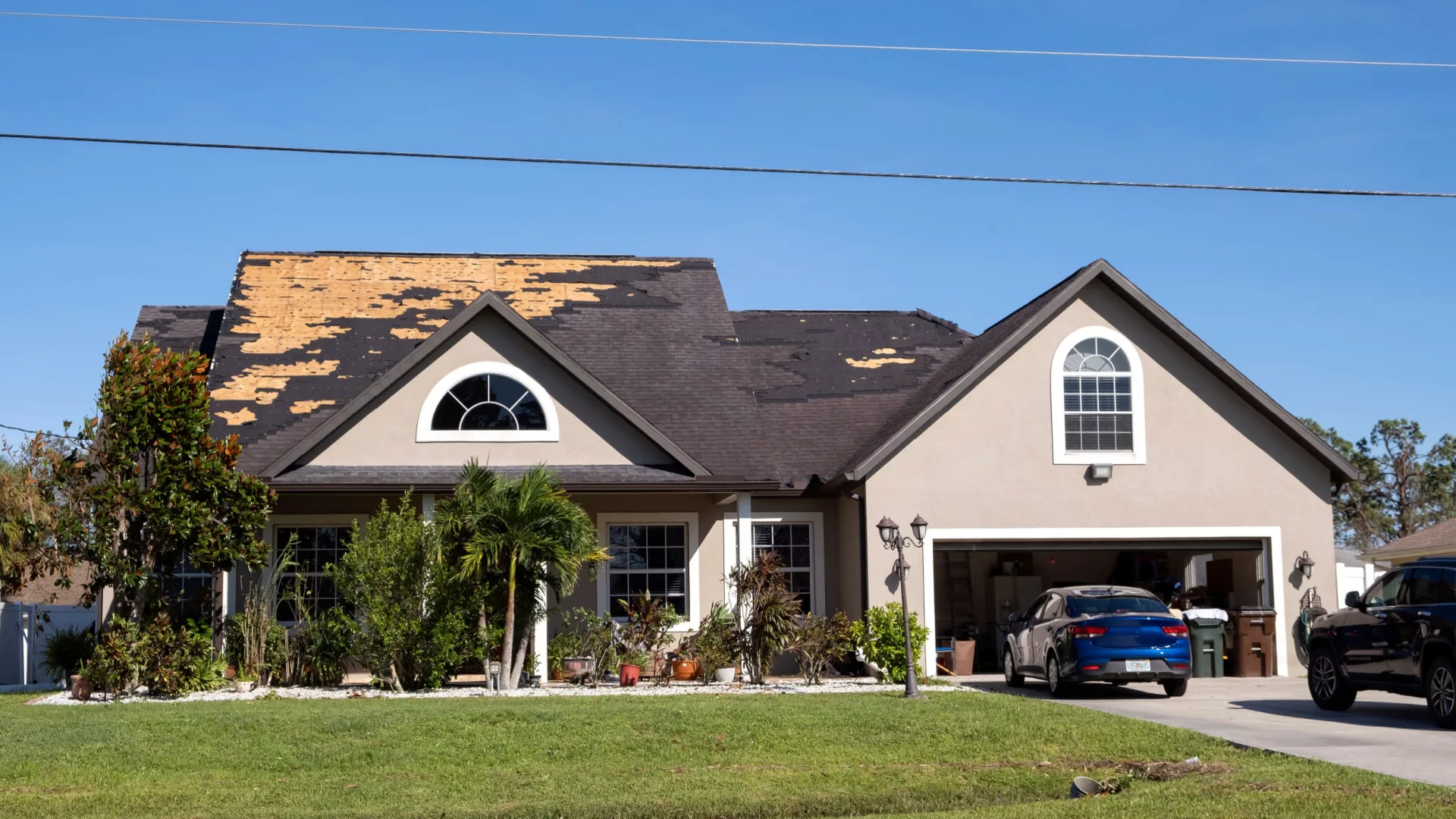
Perhaps the most dramatic threat to Florida roofs comes from its susceptibility to hurricanes and severe tropical storms. These events bring extraordinary wind speeds that can tear off shingles, lift entire sections of roofing, and cause catastrophic damage. Heavy rainfall accompanying these storms can expose vulnerabilities, leading to widespread leaks and water intrusion. Properties in coastal cities like Key West or Naples are particularly vulnerable, necessitating robust roofing systems built to exacting standards designed to withstand extreme forces.
Salt Air and Coastal Proximity
For properties located near the coastline, such as those popular vacation rentals in Sarasota or Jacksonville, salt spray carried by ocean breezes introduces another corrosive element. Salt can accelerate the oxidation of metal roofing components and hardware, leading to rust and material degradation. This environmental factor demands specific material choices and protective coatings to ensure long-term performance and maintain the structural integrity and aesthetic of accommodation facilities.
Common Roofing Materials and Their Expected Lifespan in Florida
The choice of roofing material significantly dictates how long a roof will last in Florida’s challenging climate. Property owners and developers must weigh initial cost against long-term durability, maintenance requirements, and aesthetic appeal to make an informed decision that aligns with their accommodation goals.
Asphalt Shingles
Asphalt shingles are the most common roofing material in the United States due to their affordability and ease of installation. In Florida, their lifespan is typically shorter than in other regions.
- 3-Tab Shingles: These entry-level shingles might last 10-15 years in Florida due to their lighter construction and susceptibility to wind damage and UV degradation.
- Architectural/Laminate Shingles: More robust and visually appealing, these can last 15-25 years. Their heavier weight and multi-layer construction offer better resistance to wind uplift and UV exposure, making them a more durable choice for most residential accommodations.
Factors like proper ventilation, regular cleaning to prevent mold, and the quality of installation are crucial for maximizing their lifespan.
Metal Roofing
Metal roofing has gained significant popularity in Florida due to its exceptional durability and resistance to many of the state’s environmental challenges.
- Expected Lifespan: Metal roofs can last anywhere from 30 to 75 years or even longer, depending on the material and coating. Types include galvanized steel, aluminum, copper, and zinc.
- Benefits: They are highly resistant to fire, rot, mildew, and insects. Their reflective properties can also help reduce cooling costs, a significant advantage for Florida accommodation providers. Furthermore, properly installed metal roofs are excellent at shedding water and can withstand hurricane-force winds when secured correctly. While the upfront cost is higher, the long-term savings in maintenance and replacement cycles, along with potential energy efficiency, make them an attractive investment.
Tile Roofing (Concrete and Clay)
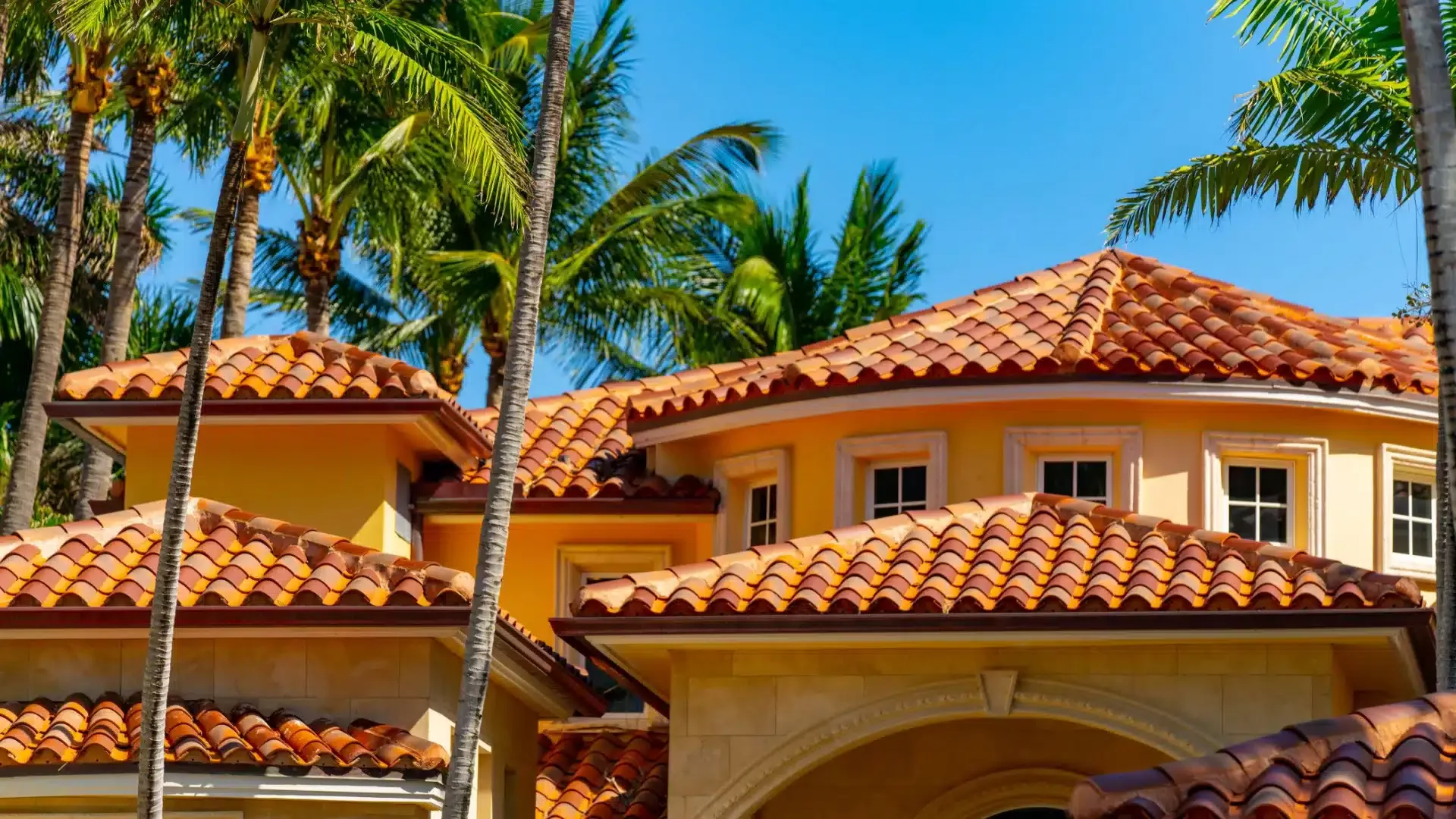
Tile roofs are a classic Florida staple, known for their distinctive aesthetic and impressive longevity.
- Expected Lifespan: Both concrete and clay tiles boast lifespans of 50 years or more, with some historical clay tile roofs lasting over a century.
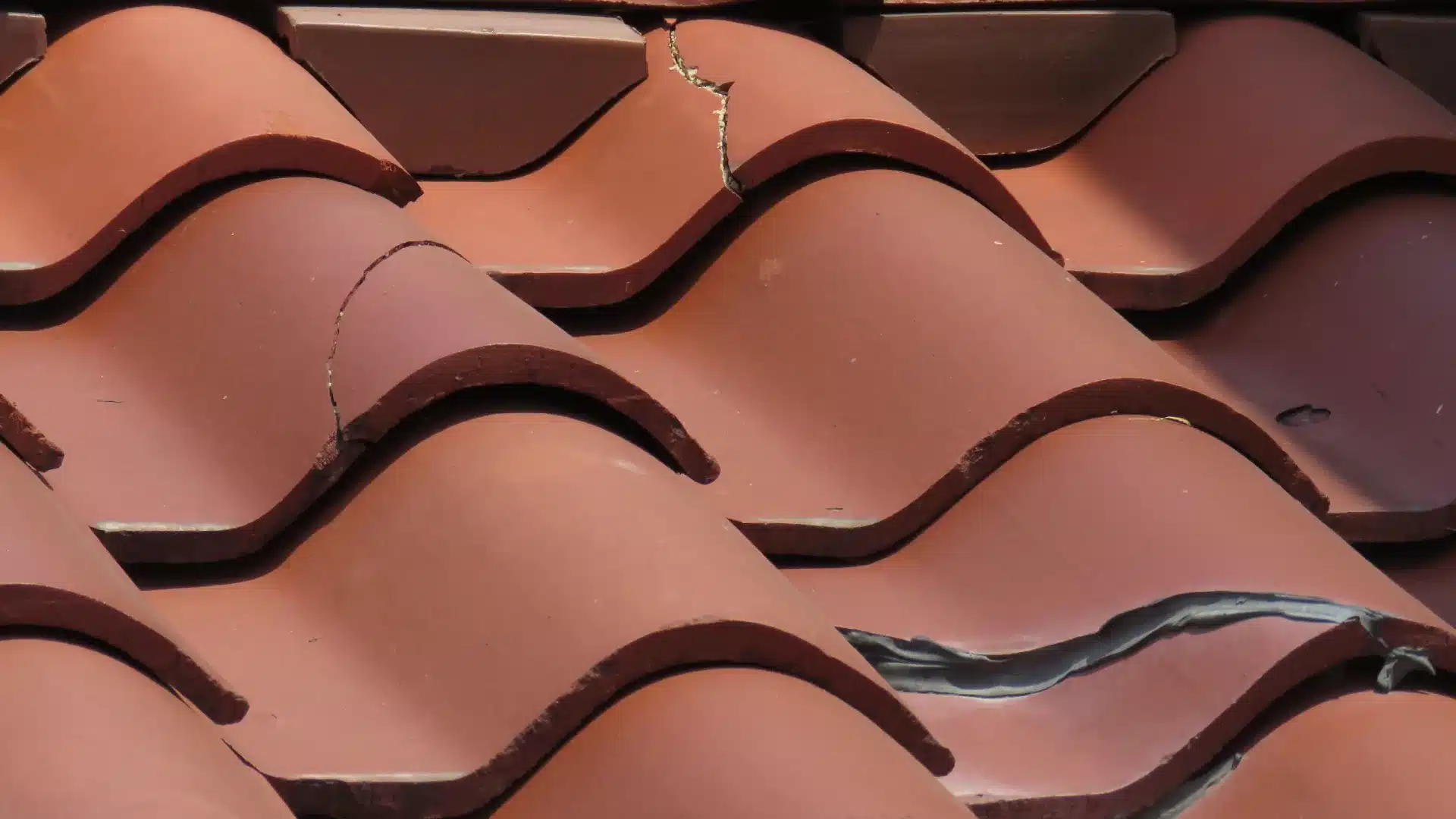
- Benefits: They are incredibly durable, resistant to fire, rot, insects, and highly effective at shedding water. Their heavy mass provides excellent insulation against heat, contributing to energy efficiency. While individual tiles can break from impact (e.g., falling branches), they are relatively easy to replace. Their ability to withstand high winds, especially when properly installed and maintained, makes them a premium choice for high-value properties and luxury accommodations in areas like Tampa.
Flat/Low-Slope Roofing (TPO, PVC, Modified Bitumen)
These materials are typically found on commercial buildings, multi-family residences, and modern architectural homes with flat or very low-slope roofs.
- Expected Lifespan:
- TPO (Thermoplastic Polyolefin) and PVC (Polyvinyl Chloride): These single-ply membrane systems are highly durable and can last 20-30 years. They are particularly resistant to UV radiation, chemicals, and punctures, and their heat-welded seams provide excellent waterproofing.
- Modified Bitumen: A more traditional flat roofing option, typically lasting 15-20 years. It’s known for its strength and resistance to extreme temperatures.
- Benefits: These systems are engineered for severe conditions, offering excellent waterproofing and resistance to pooling water, which is critical in Florida’s rainy season. Regular inspections are key to identifying and addressing minor issues before they escalate.
Maximizing Your Roof’s Lifespan: Maintenance and Installation Best Practices
Extending the life of a roof in Florida is not just about choosing the right materials; it’s heavily dependent on quality installation and consistent, proactive maintenance. For accommodation providers, this translates directly to protecting their asset, minimizing costly disruptions, and ensuring guest satisfaction.
The Importance of Professional Installation
A roof is only as good as its installation. In Florida, this is especially true due to the stringent requirements of the Florida Building Code, which mandates specific wind resistance and waterproofing measures. Hiring a licensed, reputable roofing contractor with extensive experience in Florida’s climate is non-negotiable. Proper underlayment, flashing, ventilation, and fastening techniques are critical for achieving the material’s advertised lifespan and ensuring the roof can withstand severe weather events. Skimping on installation quality is a false economy that will inevitably lead to premature failure and significant repair costs.
Regular Inspections and Prompt Repairs
Routine inspections are the cornerstone of roof longevity. Property managers should schedule professional roof inspections at least once a year, preferably after hurricane season or severe weather events. These inspections should identify:
- Missing or damaged shingles/tiles: Prompt replacement prevents water intrusion.
- Cracked or deteriorated sealants: Particularly around skylights, vents, and chimneys.
- Blocked gutters and downspouts: Preventing water overflow and fascia damage.
- Signs of mold, algae, or moss: Which can be cleaned before causing extensive damage.
- Corroded metal components: Especially critical in coastal areas.
Addressing minor issues immediately prevents them from escalating into major, expensive repairs or premature roof replacement.
Proper Ventilation
Adequate attic ventilation is crucial for a roof’s health in Florida. It helps reduce heat buildup in the attic, which can prematurely age roofing materials and increase energy consumption for air conditioning. Proper ventilation also prevents moisture accumulation, mitigating the risk of mold, mildew, and wood rot in the roof deck and structural components. A balanced system of intake and exhaust vents ensures air circulation, extending the lifespan of the roof and contributing to a more comfortable and energy-efficient accommodation space.
Gutter Maintenance and Drainage
Clean and functional gutters are essential for directing rainwater away from the roof and foundation. Clogged gutters can cause water to pool on the roof edges, leading to fascia and soffit damage, and even water intrusion into the walls. Regularly clearing leaves, debris, and pine needles is a simple yet effective maintenance task that prevents water damage and ensures the roof’s drainage system functions as intended, protecting the entire property, especially important for multi-unit accommodations where water damage can affect multiple tenants.
Tree Trimming
Overhanging trees can be picturesque, but they pose a significant threat to roof longevity in Florida. Branches rubbing against the roof surface can wear down granules on shingles or scratch metal coatings. More critically, falling branches during strong winds or storms can cause severe, immediate damage. Regular tree trimming, especially for properties in lush, green areas, helps mitigate this risk, preventing punctures, impacts, and debris accumulation that can contribute to moisture retention.
The Financial Implications for Accommodation Providers and Property Owners
The lifespan of a roof is not just a structural concern; it has profound financial implications for anyone operating or investing in accommodation in Florida. A well-maintained, long-lasting roof is a cornerstone of a sound investment strategy, impacting everything from property value to operational costs and guest satisfaction.
Investment Protection and Property Value
A robust and relatively new roof significantly enhances a property’s market value and appeal. For vacation rentals or properties intended for resale, a roof nearing the end of its life can be a major deterrent for buyers or lead to significant price negotiations. Conversely, a new or well-maintained roof instills confidence in potential investors or long-term renters, securing the property’s asset value and ensuring a stronger return on investment (ROI). It signals responsible ownership and a commitment to quality accommodation.
Insurance Considerations
Insurance is a critical component of property ownership in Florida, especially given the risk of hurricanes. Insurance companies often have strict requirements regarding roof age and condition. An older roof may result in higher premiums, reduced coverage, or even non-renewal. After major storm events, insurers scrutinize roof condition when processing claims. Investing in a durable roof and adhering to maintenance schedules can lead to more favorable insurance terms, smoother claims processing, and ultimately, greater financial security for your accommodation business.
Budgeting for Replacement
Even the most durable roof will eventually need replacement. Understanding the expected lifespan of your roofing material in Florida’s climate allows property owners and managers to budget effectively for this significant capital expenditure. Proactive financial planning, setting aside funds over the roof’s lifespan, avoids unexpected financial strain and ensures that when the time comes, a high-quality replacement can be installed without disrupting the accommodation’s operations or cash flow. This foresight is crucial for long-term sustainability.
Tenant Satisfaction and Safety
For guests in vacation rentals or residents in long-term accommodations, a reliable roof is fundamental to their comfort and safety. Leaks, drafts, or concerns about structural integrity can lead to negative reviews, tenant complaints, and a damaged reputation. A secure, well-maintained roof ensures a dry, comfortable, and safe environment, contributing significantly to guest satisfaction, repeat business, and positive word-of-mouth—all vital for the success of any accommodation venture.
In conclusion, the question of “How long do roofs last in Florida?” is complex, with answers varying widely based on material, climate exposure, and the diligence of maintenance. For anyone involved in accommodation, from private homeowners to large-scale resort operators, understanding these dynamics is not just good practice—it’s essential for protecting investments, ensuring operational continuity, and providing a safe, comfortable, and appealing environment for all who reside under its shelter. By making informed choices in materials, prioritizing professional installation, and committing to consistent maintenance, Florida property owners can maximize their roof’s lifespan, securing their investment and enhancing the quality of their accommodation for decades to come.
LifeOutOfTheBox is a participant in the Amazon Services LLC Associates Program, an affiliate advertising program designed to provide a means for sites to earn advertising fees by advertising and linking to Amazon.com. Amazon, the Amazon logo, AmazonSupply, and the AmazonSupply logo are trademarks of Amazon.com, Inc. or its affiliates. As an Amazon Associate we earn affiliate commissions from qualifying purchases.