
For those considering long-term accommodation in the Sunshine State, or existing homeowners looking to understand their investment, the lifespan of a tile roof in Florida is a critical question. Florida’s unique climate, characterized by intense sun, heavy rainfall, and the constant threat of hurricanes, puts roofing materials to the ultimate test. While tile roofs are celebrated for their beauty and durability, their longevity can vary significantly based on a multitude of factors. Understanding these elements is key for any property owner or prospective buyer in this vibrant, yet challenging, environment.
The Enduring Appeal of Tile Roofs in Florida
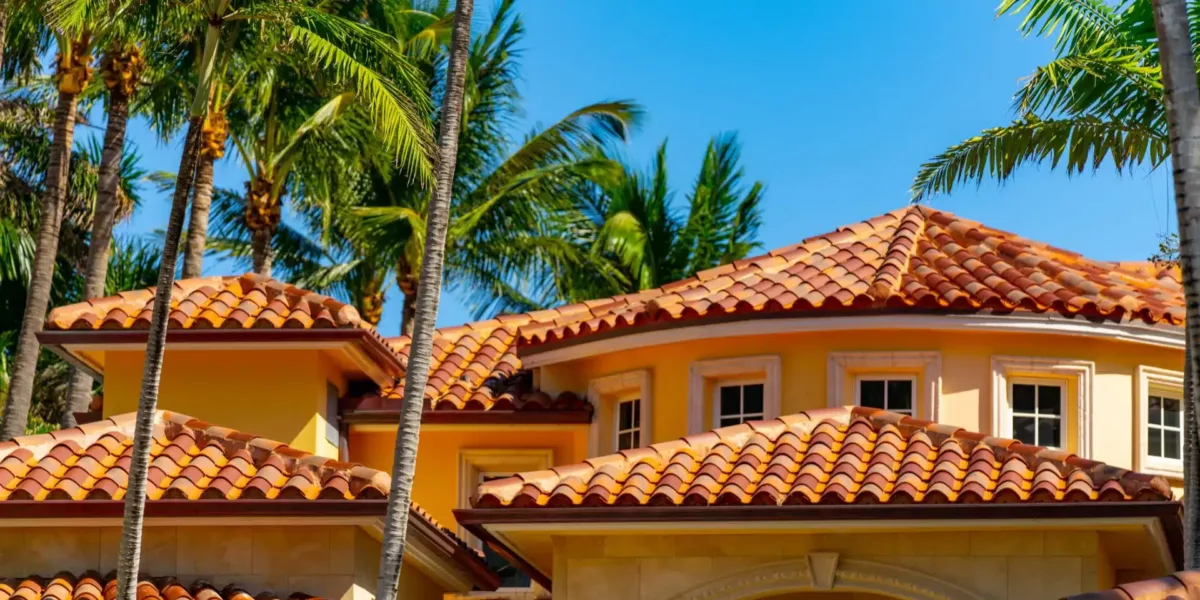
Tile roofs have long been a favored choice in Florida, gracing everything from luxurious beachfront villas to charming suburban homes. Their aesthetic appeal, reminiscent of Mediterranean and Spanish architecture, perfectly complements the state’s architectural styles and warm climate. Beyond their visual charm, tile roofs are renowned for their robust nature, offering a compelling blend of durability, energy efficiency, and low maintenance when compared to many other roofing options. This combination makes them an attractive feature for those seeking long-lasting and aesthetically pleasing accommodation.
A Legacy of Durability and Aesthetics
The allure of tile roofing isn’t merely skin deep. Historically, fired clay tiles have protected structures for centuries in various parts of the world, a testament to their inherent resilience. In Florida, this translates into a roof that can withstand significant environmental stress while maintaining its appearance. The dense, non-porous nature of many tile types resists water absorption, a crucial factor in a state known for its torrential downpours. Furthermore, tiles are fire-resistant, offering an additional layer of safety for properties. Their ability to retain their color and shape over decades, resisting the fading and warping common with other materials, ensures that a home’s curb appeal remains intact for an extended period, contributing significantly to its long-term accommodation value.
Common Tile Materials and Their Characteristics
When discussing tile roofs, it’s essential to differentiate between the primary materials used, as each comes with its own set of characteristics that influence lifespan and performance.
- Clay Tiles: Often seen as the traditional option, clay tiles are made from natural clay fired in a kiln. They are incredibly durable, colorfast, and inherently resistant to fire and insect damage. Their classic beauty is undeniable, and properly installed, high-quality clay tiles can last well over 50 years, sometimes even exceeding a century.
- Concrete Tiles: A more contemporary and often more affordable alternative, concrete tiles are manufactured from a mixture of sand, cement, and water. They are highly versatile in terms of shape, color, and texture, often mimicking the look of clay, wood shakes, or even slate. Concrete tiles are extremely robust, offering excellent resistance to impact and harsh weather. Their lifespan typically ranges from 30 to 50 years, often with longer potential if meticulously maintained.
- Synthetic/Composite Tiles: These modern options are engineered from various materials, including recycled plastics and rubber. They are designed to replicate the appearance of traditional tiles or other roofing materials while offering benefits like lighter weight and enhanced impact resistance. While their long-term performance in Florida’s climate is still being extensively documented, many manufacturers offer warranties comparable to concrete tiles, suggesting a lifespan in the 30-50 year range.
Key Factors Influencing Tile Roof Lifespan in Florida’s Climate
While tile roofs are inherently durable, their actual lifespan in Florida is a complex equation influenced by several critical factors. Understanding these can empower homeowners to make informed decisions regarding installation, maintenance, and replacement, thereby safeguarding their long-term accommodation investment.
The Impact of Harsh Weather: Sun, Rain, and Hurricanes
Florida’s climate is arguably the single most significant determinant of a tile roof’s longevity.
- Intense UV Radiation: The relentless Florida sun, with its high levels of UV radiation, can gradually degrade roofing materials over time. While tiles themselves are very resistant to UV, the underlayment, sealants, and fastening systems can suffer, leading to issues if not robust enough for the environment.
- Heavy Rainfall and Humidity: Frequent, heavy downpours test a roof’s ability to shed water efficiently. Persistent humidity can also contribute to mold and mildew growth in shaded areas, though tiles themselves are largely impervious. More critically, constant moisture can compromise the integrity of the underlayment and fasteners if water penetrates beneath the tiles.
- Hurricane-Force Winds: This is perhaps the most destructive element. While individual tiles are heavy and durable, they are still vulnerable to extreme uplift forces during hurricanes. Proper installation, with adequate fastening techniques and strong underlayment, is paramount to ensuring tiles remain in place during high winds. A roof’s ability to withstand these events directly impacts its overall lifespan, as damage from one storm can significantly shorten its effective life.
Installation Quality: The Foundation of Longevity
Even the highest quality tiles will underperform if not installed correctly. Superior installation is arguably as important as the material itself. Key aspects include:
- Proper Underlayment: A robust, high-quality underlayment beneath the tiles acts as a critical secondary barrier against water intrusion. In Florida, advanced synthetic underlayments are often preferred for their durability and resistance to moisture and UV.
- Correct Fastening: Tiles must be fastened securely to resist wind uplift. This involves using appropriate fasteners (e.g., screws, clips) and adhering to local building codes, which are particularly stringent in hurricane-prone areas like Florida.
- Flashing and Sealing: Proper flashing around chimneys, skylights, and roof penetrations, along with effective sealing, prevents water from entering vulnerable areas. These details are often where leaks originate if not executed flawlessly.
- Ventilation: Adequate attic ventilation prevents heat buildup and moisture accumulation, both of which can degrade roofing components and structural elements over time.
Material Quality and Type: Ceramic, Concrete, and Clay
As discussed, the specific type and quality of tile play a significant role. Higher-grade clay tiles, often with a denser composition and superior firing process, tend to offer longer lifespans than some lower-grade alternatives. Similarly, premium concrete tiles with advanced coatings can withstand more abuse than basic versions. Synthetic tiles also vary in quality, and it’s important to choose products from reputable manufacturers with proven track records, particularly in challenging climates. The initial investment in higher quality materials often translates into substantial long-term savings by extending the roof’s life and reducing maintenance needs.
Roof Slope and Drainage Efficiency
The pitch or slope of a tile roof also impacts its lifespan. Steeper slopes facilitate faster water runoff, reducing the time water has to penetrate the roofing system. While tile roofs can be installed on relatively low slopes, a steeper pitch generally improves drainage efficiency, minimizing the risk of standing water and algae growth. Proper gutter systems and downspouts are also crucial to effectively channel water away from the roof and foundation, preventing water accumulation that could compromise the roof’s edge and fascia.
Expected Lifespan: What Owners Can Anticipate
Given the interplay of materials, climate, and installation, predicting an exact lifespan for a tile roof in Florida can be challenging. However, general estimates provide a valuable benchmark for homeowners and property managers in evaluating their accommodation’s long-term integrity.
Average Lifespans for Different Tile Types
- Clay Tiles: With proper installation and maintenance, high-quality clay tile roofs can realistically last 50 to 100 years or more in Florida. Their inherent durability against UV, moisture, and pests makes them exceptionally long-lived.
- Concrete Tiles: Concrete tile roofs typically have an expected lifespan of 30 to 50 years. While extremely durable, they may experience some surface erosion or color fading over several decades, though their structural integrity often remains sound.
- Synthetic/Composite Tiles: These newer materials generally come with warranties suggesting a lifespan of 30 to 50 years, similar to concrete tiles. Their actual performance beyond this period in Florida’s climate is still being observed, but initial indications are positive for well-regarded brands.
It’s crucial to remember that these are averages. A tile roof on a home in Orlando, which might experience fewer direct hurricane impacts than one in Miami or Tampa, could potentially last longer if all other factors are equal. Conversely, a poorly installed roof, regardless of material, will fall short of its potential.
Signs of Aging and When to Consider Replacement
Even the most durable tile roofs eventually show signs of wear. Homeowners should regularly inspect their roofs for:
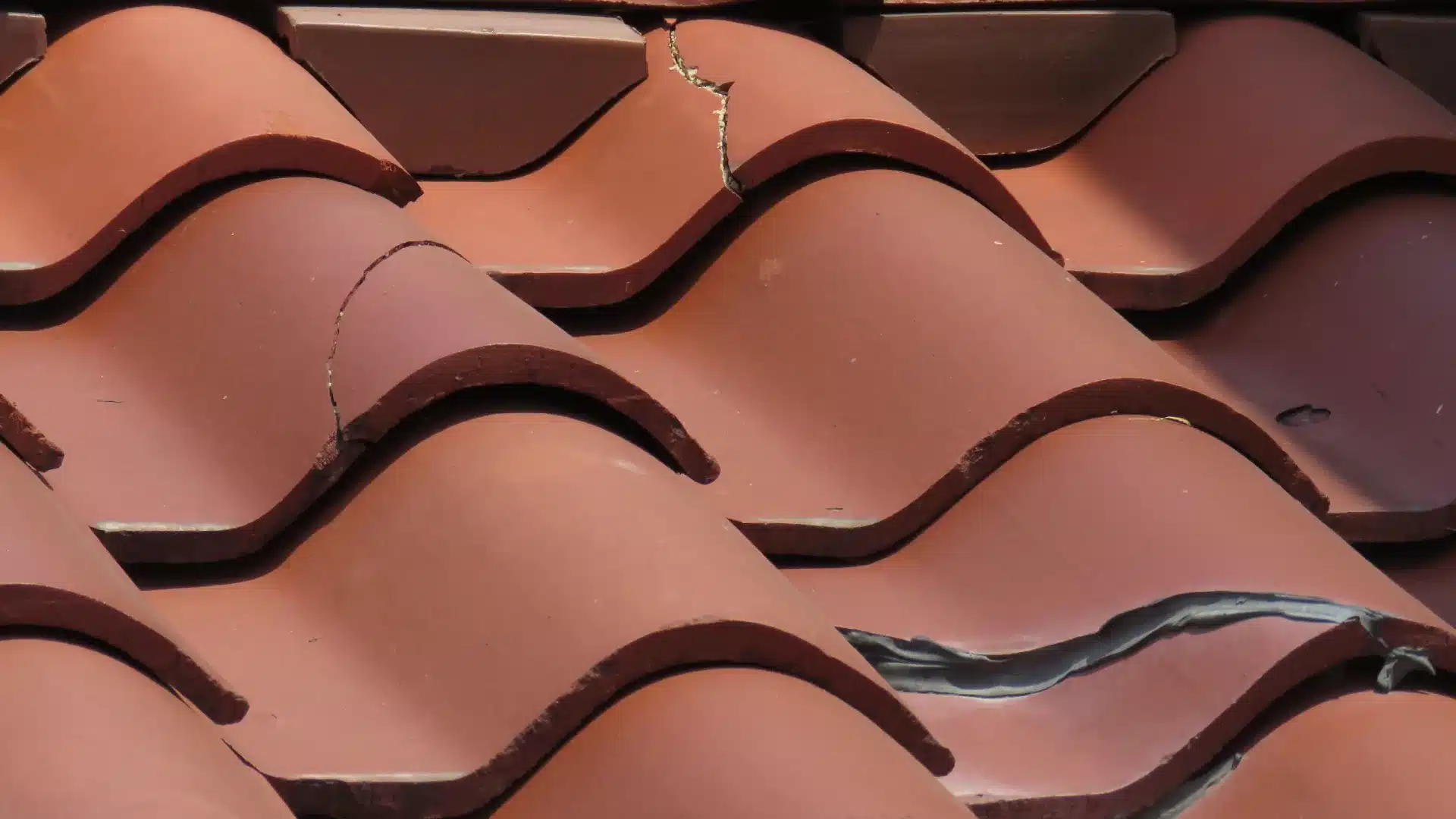
- Cracked or Broken Tiles: Individual tiles can crack due to impact (e.g., falling branches), thermal expansion, or underlying substrate issues. While single tile replacements are common, widespread cracking indicates systemic issues.
- Missing Tiles: Especially after high winds, missing tiles expose the underlayment and increase the risk of leaks.
- Discoloration or Efflorescence: While minor, persistent discoloration or white powdery efflorescence (salt deposits) on concrete tiles might indicate material breakdown.
- Leaks: Water stains on ceilings or walls are the most obvious sign of a compromised roof. These often start subtle and escalate if ignored.
- Degraded Underlayment: While hidden, a professional inspection might reveal a deteriorating underlayment, which is critical for water protection.
- Loose or Compromised Fasteners: Over time, fasteners can corrode or loosen, reducing the tiles’ wind resistance.
If these issues become widespread, or if the roof is approaching the end of its expected lifespan, it’s prudent to consult with a reputable roofing contractor for a comprehensive assessment and to discuss replacement options. Proactive replacement can prevent more costly structural damage down the line.
The Role of Manufacturer Warranties
Manufacturer warranties for tile roofs typically cover defects in the material itself, often for 30 years to a lifetime, depending on the tile type and brand. These warranties are a good indicator of the expected material quality and lifespan. However, it’s essential to understand that they usually don’t cover installation errors or damage from severe weather events (unless specifically stated). A separate warranty from the roofing contractor, covering workmanship, is also critical for comprehensive protection of your accommodation investment. Reviewing both warranties thoroughly is a vital step for any homeowner.
Maximizing Your Tile Roof’s Lifespan Through Maintenance
While tile roofs are often touted as low-maintenance, a proactive approach to care is essential for truly maximizing their lifespan in Florida’s challenging climate. Regular, targeted maintenance can significantly extend the life of your roof, helping you get the most out of your accommodation.
Regular Inspections and Cleaning
- Visual Inspections: Homeowners should perform visual inspections from the ground at least once or twice a year, and especially after severe weather. Look for cracked, broken, or missing tiles, as well as any signs of debris accumulation or dislodged flashing.
- Professional Inspections: It’s highly recommended to have a professional roofing contractor conduct a thorough inspection every 3-5 years. They can safely access the roof, identify subtle issues like compromised underlayment or loose fasteners, and spot potential problems that might be invisible from the ground.
- Cleaning: Over time, moss, algae, and mildew can grow on tiles, especially in shaded or damp areas. While not directly damaging to the tiles, they can retain moisture and potentially lead to granule loss on some tile types, or simply detract from aesthetics. Gentle cleaning, often with low-pressure washing and approved cleaning solutions, can remove these growths. Avoid high-pressure washing, which can damage tiles or force water beneath them. Removing debris like leaves and branches from valleys and gutters is also crucial to prevent water pooling.
Prompt Repairs: Addressing Issues Before They Escalate
The key to preventing minor issues from becoming major problems is prompt repair. A single cracked tile might seem insignificant, but if left unaddressed, it can allow water to seep into the underlayment, leading to rot in the decking or rafters, and eventually leaks inside the home.
- Immediate Tile Replacement: If you notice a broken or missing tile, have it replaced as soon as possible by a qualified professional. Matching the existing tiles can sometimes be a challenge with older roofs, so it’s wise to keep a few spare tiles if possible.
- Sealant and Flashing Maintenance: Over time, sealants around penetrations can degrade and flashing can become bent or corroded. Regular checks and timely re-sealing or repair of flashing are critical to maintaining a watertight seal.
Professional Care vs. DIY Approaches
While some minor tasks like debris removal can be handled by a careful homeowner, most tile roof maintenance and repair tasks are best left to professionals. Walking on a tile roof can be dangerous, and improper technique can easily lead to cracked tiles or injury. Furthermore, professionals have the expertise to diagnose underlying issues and perform repairs that comply with building codes and manufacturer specifications, ensuring the integrity and longevity of your roof. Investing in professional care is an investment in the extended life of your accommodation.
The Long-Term Value Proposition for Florida Accommodation
A well-maintained tile roof is more than just a protective layer; it’s a significant asset that enhances the overall value and liveability of any property in Florida. Its longevity and performance contribute directly to the long-term value proposition of your accommodation.
Property Value and Curb Appeal
Tile roofs immediately elevate a home’s aesthetic appeal, conveying a sense of quality, luxury, and timeless design. This enhanced curb appeal directly translates into higher property values, making homes with tile roofs more attractive to potential buyers. The promise of a roof that could last 50 years or more is a strong selling point, reducing future maintenance concerns for a prospective owner and underscoring the enduring quality of the accommodation. In a competitive real estate market, a well-maintained tile roof can be a distinct advantage.
Energy Efficiency and Cost Savings
Beyond their durability, tile roofs offer notable energy efficiency benefits. The thermal mass of tiles, combined with the air circulation beneath them (especially with battens), helps to create a natural thermal barrier. This reduces heat transfer into the attic and living spaces, leading to lower air conditioning costs – a significant advantage in Florida’s hot climate. Over decades, these energy savings can amount to substantial financial benefits, adding to the long-term economic viability of the accommodation.
Insurance Considerations
In Florida, where hurricane risk is a constant consideration, the type and age of a roof heavily influence home insurance premiums. Tile roofs, particularly those installed or updated to modern building codes (especially after 2001 in Florida which saw updated codes after Hurricane Andrew), are often viewed favorably by insurance companies due to their superior wind resistance. Homeowners with newer tile roofs or those that have passed a wind mitigation inspection may qualify for significant discounts on their premiums. This translates into ongoing cost savings and peace of mind, reinforcing the financial benefits of choosing and maintaining a durable tile roof for your Florida accommodation.
In conclusion, a tile roof in Florida, while a significant initial investment, offers exceptional longevity, aesthetic appeal, and long-term value. With proper installation, diligent maintenance, and an understanding of the unique challenges posed by the Florida climate, homeowners can expect their tile roof to provide decades of reliable protection, enhancing their accommodation and safeguarding their investment for generations to come.
LifeOutOfTheBox is a participant in the Amazon Services LLC Associates Program, an affiliate advertising program designed to provide a means for sites to earn advertising fees by advertising and linking to Amazon.com. Amazon, the Amazon logo, AmazonSupply, and the AmazonSupply logo are trademarks of Amazon.com, Inc. or its affiliates. As an Amazon Associate we earn affiliate commissions from qualifying purchases.