
Florida, often dubbed the Sunshine State, is a perennial magnet for tourists seeking vibrant cities, theme parks, pristine beaches, and warm weather. While the allure of its attractions is undeniable, a common and critical question for any prospective visitor is: “How long does it actually take to get there?” The answer, as with many travel queries, is nuanced, depending heavily on your starting point, chosen mode of transportation, and various other logistical factors. This article delves into the intricacies of travel to Florida, providing an insightful guide to help you plan your journey effectively.

Understanding the Variables: Factors Influencing Travel Time to Florida
Embarking on a trip to Florida requires more than just picking a destination; it involves a careful consideration of several key variables that collectively determine your total travel time. Understanding these factors is the first step in planning an efficient and enjoyable journey.
Starting Point: The Crucial First Step
The most significant determinant of travel time to Florida is your origin. Naturally, traveling from within the United States will differ vastly from an international journey. For instance, a drive from a neighboring state like Georgia might take a few hours, while flying from California will consume a significant portion of a day, and an international flight from Europe could span more than ten hours in the air alone. The distance translates directly into flight duration, driving hours, or train schedules. Whether you’re coming from a bustling metropolis like New York City or a quaint town in the Midwest, your geographical location dictates the initial time commitment.
Mode of Transportation: Choosing Your Journey
The choice of how you travel to Florida is paramount. Each mode—air, road, rail, or sea—offers a distinct balance of speed, cost, and experience. Flying is typically the fastest option for long distances, cutting down travel time significantly but often involving additional time for airport procedures. Driving offers flexibility and the chance to explore, but can take days for cross-country trips. Trains and buses provide more relaxed, scenic, or budget-friendly alternatives, though they generally take longer than flying. The optimal choice depends on your priorities: speed, budget, comfort, or the desire for an adventurous journey.
Travel Pace and Stops: Enjoying the Ride
Even with a chosen mode of transport, your personal travel pace influences the total time. For road trips, this includes the frequency and duration of stops for meals, rest, sightseeing, or overnight stays. A non-stop, ambitious drive will get you there faster, but a more leisurely pace with planned breaks can transform the journey into part of the vacation. Similarly, while flying, connections and layovers significantly add to travel time, sometimes turning a direct flight of a few hours into a full-day affair. Accounting for these pauses is essential for a realistic travel time estimate.
Time of Year and Day: Navigating Peak Periods
The season and even the day of the week can impact how long it takes to reach Florida. Peak travel seasons, such as spring break, summer holidays, and winter months (when snowbirds flock south), often lead to increased traffic congestion on roads, longer lines at airports, and potential flight delays. Similarly, traveling during rush hour on weekdays or during popular weekend travel windows can add considerable time to road journeys. Awareness of these peak periods allows for strategic planning, potentially saving hours in transit.
By Air: The Fastest Route to the Sunshine State
For most travelers coming from outside the immediate vicinity, flying is the most efficient way to reach [Florida](https://lifeoutofthebox.com/florida]. The state boasts several major international and regional airports, providing extensive connectivity.
Domestic Flights: Connecting Major US Cities
From major hubs within the United States, direct flights to Florida are common and relatively quick.
- East Coast: Flying from New York City or Boston to Orlando or Miami typically takes around 2.5 to 3.5 hours.
- Midwest: From cities like Chicago or Detroit, a direct flight can range from 2.5 to 4 hours.
- South: Atlanta, Georgia is a key hub for flights into Florida, often taking 1 to 1.5 hours for direct flights to destinations like Jacksonville or Orlando.
- West Coast: Traveling from Los Angeles or San Francisco involves a longer flight, usually between 5 to 6 hours for a direct service to Florida’s major airports.
These times represent “wheels up to wheels down” flight durations.
International Flights: Global Access to Florida
Florida’s popularity extends globally, with direct flights from various international destinations.
- Canada: Flights from Toronto or Montreal to Orlando or Miami are typically 3-4 hours.
- Mexico/Caribbean: Short hops from destinations like Cancun or Nassau can be as quick as 1-2 hours.
- Europe: From major European cities like London, Paris, or Frankfurt, direct flights to Miami or Orlando typically range from 8 to 10 hours.
- South America: Depending on the specific city, flights from South America can range from 3 hours (e.g., from Bogota) to 8 hours (e.g., from São Paulo).
These durations are for the flight portion only.
Airport Transfers and Waiting Times: The Hidden Hours
While flight times are swift, the total airport experience can add substantial hours. Consider:
- Pre-flight: Arriving 1.5 to 3 hours before departure for domestic flights (more for international), factoring in check-in, security, and boarding.
- Layover/Connections: If your journey isn’t direct, layovers can add anywhere from 1 hour to half a day, depending on the schedule.
- Post-flight: Disembarking, baggage claim, customs (for international arrivals), and ground transportation to your final destination (e.g., from Orlando International Airport to Disney World can take an additional hour or more).
Factoring these elements, a seemingly 3-hour flight can easily become a 6-8 hour travel day.
By Road: The Classic American Road Trip
Driving to Florida offers unparalleled freedom and the chance to discover hidden gems along the way. However, it’s generally a more time-consuming option for longer distances.
Driving from Neighboring States: Quick Trips
For those residing in states bordering Florida, a road trip is often the preferred mode.
- Georgia/Alabama: Driving from southern Georgia or southeastern Alabama can take anywhere from 2 to 6 hours to reach northern Florida cities like Jacksonville or the panhandle.
- South Carolina/North Carolina: From cities like Charleston, South Carolina, or Charlotte, North Carolina, expect a drive of 6 to 10 hours to reach destinations like Orlando or Tampa.
Cross-Country Journeys: The Epic Adventure
For travelers coming from more distant parts of the United States, a road trip to Florida can be a multi-day undertaking.
- Northeast (e.g., New York, Boston): A continuous drive to Miami could theoretically be done in 18-24 hours without significant stops, typically broken into two driving days with an overnight stay.
- Midwest (e.g., Chicago): Driving from Chicago to Orlando is roughly a 16-18 hour drive, also best spread over two days.
- West Coast (e.g., Los Angeles): An epic cross-country drive from Los Angeles to Florida can take a minimum of 35-40 hours of actual driving time, meaning 3 to 5 days, depending on your daily driving limit and chosen route, often involving major interstates like I-10, I-75, or I-95.
Planning Pit Stops and Overnights: Maximizing Comfort
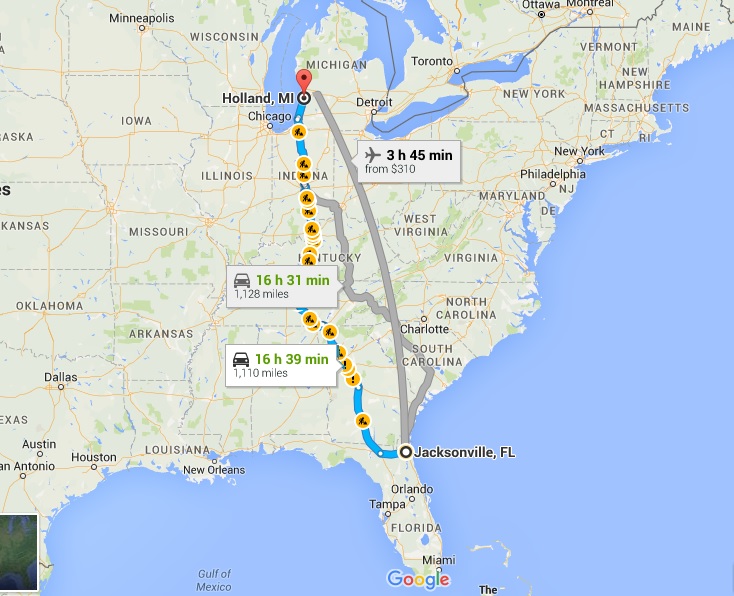
Realistic road trip planning accounts for more than just driving hours. Frequent stops every 2-3 hours for fuel, restrooms, meals, and stretching are essential for safety and comfort. For longer journeys, budgeting for at least one or two overnight stays is crucial. This not only mitigates driver fatigue but also allows for a more relaxed and enjoyable travel experience. Consider popular stopover cities or points of interest along your chosen route.
Vehicle Type and Fuel Efficiency: Practical Considerations
The type of vehicle you drive also indirectly influences travel time by affecting your stops. A vehicle with better fuel efficiency might require fewer fuel stops, potentially saving a small amount of time. Conversely, an older vehicle might necessitate more frequent checks or breaks. Comfort also plays a role; a more comfortable car can extend driving legs, while a cramped one will demand more frequent pauses.
By Rail and Bus: Scenic and Economical Alternatives
For those who prefer not to drive or fly, or are seeking more budget-friendly options, rail and bus services offer viable alternatives to reach Florida, albeit with extended travel times.
Amtrak Services to Florida: A Relaxed Pace
Amtrak provides several routes into Florida, including the Silver Meteor and Silver Star lines, primarily serving the East Coast.
- Northeast: A train journey from New York City to Orlando or Miami can take approximately 24 to 30 hours. These are overnight journeys, often departing in the afternoon and arriving the following day.
- Mid-Atlantic: From Washington D.C., the same journey would be slightly shorter, around 18-24 hours.
While slower than flying, Amtrak offers a more spacious and relaxed environment, with dining cars and sleeper options for added comfort. It’s an excellent choice for those who enjoy the journey itself.
Intercity Bus Travel: Budget-Friendly Options
Bus services like Greyhound connect cities across the United States to various destinations in Florida.
- Northeast: A bus trip from New York City to Orlando can take anywhere from 24 to 36 hours, often with multiple transfers and stops.
- Midwest: From Chicago, expect a similar duration, around 24 to 30+ hours.
Bus travel is generally the most economical option but also the slowest due to frequent stops and sometimes less direct routes. It’s best suited for budget-conscious travelers with flexible schedules.
Comfort vs. Speed: What to Expect
Both rail and bus prioritize affordability and a different travel experience over speed. While they lack the swiftness of air travel, they offer a chance to observe the changing landscape, avoid the stress of driving, and in the case of Amtrak, enjoy amenities that can make the extended journey quite pleasant. Be prepared for longer overall travel times compared to flying or even driving the same distance.
By Sea: Unique Approaches and Cruising Options
While less common as a primary mode of “going to” Florida in the traditional sense, traveling by sea offers unique recreational and even practical alternatives, particularly for specific demographics.
Private Boating: Freedom on the Water
For those with personal boats or yachts, navigating coastal waters to Florida is an option. The travel time is highly variable, depending on the boat’s speed, the starting point, weather conditions, and the need for refueling or overnight docking. From nearby coastal states, this could be a day or two. From further north along the Eastern Seaboard, it could extend to several days or even a week, involving careful navigation of the Intracoastal Waterway or open ocean routes. This mode offers ultimate flexibility and a unique perspective but requires significant planning and maritime expertise.
Cruise Ships: A Journey and a Destination
Many people arrive in Florida via cruise ships, though typically the cruise begins or ends in Florida. However, for those coming from international locations, a cruise might be considered a way to “go to” Florida as part of a larger itinerary. For instance, a cruise originating in the Caribbean or the Bahamas might have Miami, Fort Lauderdale, or Port Canaveral as a port of call or disembarkation. The “travel time” in this context is the duration of the cruise itself, which can range from a 3-day short trip to a week or more, with the Florida port being a stop along the way. While not a direct point-A-to-point-B travel method, it’s a popular way for many to experience Florida as part of a luxurious floating vacation.
Planning Your Florida Journey: Tips for an Efficient Trip
Regardless of your chosen mode of transport, strategic planning can significantly enhance your travel experience and optimize your overall time spent getting to Florida.
Utilizing Travel Planning Tools
Modern travel is made easier with a plethora of online tools and apps. Websites like Google Maps for driving, airline aggregators (e.g., Skyscanner, Google Flights), and train/bus booking platforms (Amtrak, Greyhound) provide real-time estimates, route options, and pricing comparisons. These tools can help you visualize distances, predict traffic, compare journey times, and account for potential delays.
Booking in Advance: Securing the Best Options
Especially during peak seasons, booking flights, train tickets, or even rental cars well in advance can secure better prices and preferred schedules. Last-minute bookings often mean fewer direct options, less convenient times, and potentially longer layovers, all of which contribute to extended travel times and higher costs. For road trips, reserving hotels along your route in advance can save precious time searching for accommodation late in the day.
Packing Smart: Minimizing Delays
Efficient packing, particularly for air travel, can expedite your journey. Adhering to carry-on size and weight limits avoids checked baggage fees and the wait at the baggage carousel. For road trips, having essentials easily accessible can minimize time spent rummaging through luggage at every stop. Traveling light means quicker transitions and less hassle.

Embracing the Journey: Travel as Part of the Experience
Ultimately, “how long it takes to go to Florida” is not just about the numbers; it’s about the journey itself. Whether you’re soaring above clouds, cruising down scenic highways, or winding through landscapes by rail, each mode of transport offers a unique prelude to the Florida experience. By thoroughly planning, managing expectations, and embracing the adventure of travel, you can ensure that your path to the Sunshine State is as enjoyable as the destination itself, allowing you to arrive refreshed and ready to explore everything Florida has to offer, from the beaches of Key West to the thrills of Universal Studios in Orlando.
LifeOutOfTheBox is a participant in the Amazon Services LLC Associates Program, an affiliate advertising program designed to provide a means for sites to earn advertising fees by advertising and linking to Amazon.com. Amazon, the Amazon logo, AmazonSupply, and the AmazonSupply logo are trademarks of Amazon.com, Inc. or its affiliates. As an Amazon Associate we earn affiliate commissions from qualifying purchases.