
Embarking on a journey from the sunny shores of Florida, United States, to the captivating archipelago of Japan is an adventure that many dream of. However, given the vast expanse of the Pacific Ocean separating these two distinct regions, a common and critical question for prospective travelers is: “How long will the flight actually take?” This comprehensive guide aims to demystify the trans-Pacific journey, offering insights into typical flight durations, route complexities, and essential preparation tips to ensure a smooth and enjoyable travel experience.
Understanding the Trans-Pacific Journey
The journey from the southeastern United States to East Asia is one of the longest commercial flight routes in the world. It involves traversing multiple time zones and covering a significant geographical distance, making it a true long-haul experience.
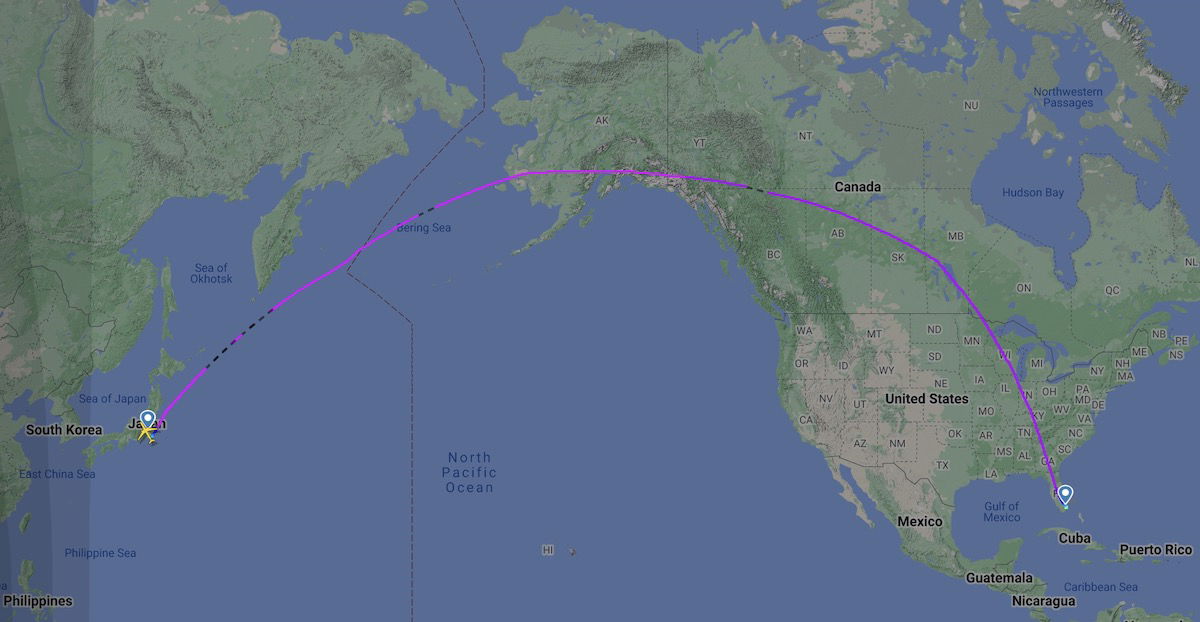
The Geographic Challenge: Distance and Time Zones
Florida is located on the southeastern tip of North America, while Japan lies off the eastern coast of Asia. The straight-line (great-circle) distance between a central point in Florida, such as Orlando, and a major city in Japan, like Tokyo, is approximately 7,500 to 8,000 miles (around 12,000 to 12,800 kilometers). This immense distance, coupled with the difference in time zones—Japan is 13 to 14 hours ahead of Florida depending on daylight saving time—are the primary determinants of flight duration and the challenge of jet lag.
Key Factors Influencing Flight Duration
Several variables contribute to the total travel time from Florida to Japan:
- Number of Stops: Direct flights are extremely rare from Florida to Japan, meaning most travelers will have at least one layover, and often two. Each stop adds several hours to the total journey.
- Layover Duration: The time spent during a layover can range from a quick 1-hour connection to an extended 8-hour stop, significantly impacting overall travel time.
- Connecting Airport: The location of the connecting airport is crucial. Flights typically route through major hubs on the West Coast of the United States (e.g., Los Angeles International Airport (LAX), San Francisco International Airport (SFO), Seattle-Tacoma International Airport (SEA)) or other large domestic hubs (e.g., Dallas/Fort Worth International Airport (DFW), Atlanta Hartsfield-Jackson International Airport (ATL), Chicago O’Hare International Airport (ORD), New York John F. Kennedy International Airport (JFK)). Some routes might even connect through Europe or the Middle East, though these are generally less efficient for this specific journey.
- Airline and Aircraft Type: Different airlines may have varying flight paths or aircraft models with slightly different cruising speeds. Modern, fuel-efficient aircraft like the Boeing 787 Dreamliner or Airbus A350 are common on trans-Pacific routes.
- Headwinds/Tailwinds: Atmospheric conditions, particularly strong jet streams, can either shorten or lengthen flight times by an hour or more. Flights heading east (from Japan to Florida) generally benefit from tailwinds, making them slightly shorter than westbound flights.
Typical Flight Durations and Routes
While a direct flight from Florida to Japan doesn’t exist, understanding the segments helps to piece together the total travel time.
Non-Stop vs. Connecting Flights
As previously mentioned, there are no non-stop flights from Florida to Japan. All journeys will involve at least one layover, typically on the West Coast of the United States.
The flight segments generally break down as follows:
- Florida to West Coast Hub: Approximately 5-6 hours.
- West Coast Hub to Japan (e.g., Tokyo Narita International Airport (NRT) or Tokyo Haneda Airport (HND)): Approximately 10-12 hours for the trans-Pacific leg.
Considering these segments and factoring in layover times, the total travel duration typically ranges from 16 to 24 hours.
Major Departure Hubs in Florida
Travelers from Florida will typically depart from one of the state’s major international airports:
- Orlando International Airport (MCO): A very popular departure point for international travel.
- Miami International Airport (MIA): A major hub with extensive domestic and international connections.
- Tampa International Airport (TPA): Offers a good range of domestic connections to larger hubs.
From these airports, passengers will fly to a connecting city before continuing their journey to Japan.
Primary Arrival Airports in Japan
Most international flights into Japan arrive at one of the following major airports:
- Tokyo Narita International Airport (NRT): Historically the primary international gateway to Tokyo and Japan.
- Tokyo Haneda Airport (HND): Increasingly popular for international flights due to its closer proximity to central Tokyo.
- Osaka Kansai International Airport (KIX): The main international airport for the Kansai region, serving cities like Osaka, Kyoto, and Nara.
- Nagoya Chubu Centrair International Airport (NGO): An international airport serving the Chubu region.
Illustrative Flight Scenarios (e.g., Orlando to Tokyo)
Let’s consider a common route: flying from Orlando International Airport (MCO) to Tokyo Narita International Airport (NRT).
-
One-Stop Flight (Optimistic):
- MCO to Dallas/Fort Worth International Airport (DFW): ~3 hours
- Layover at DFW: ~2 hours
- DFW to NRT: ~13-14 hours
- Total Travel Time: Approximately 18-19 hours.
-
One-Stop Flight (More Common):
- MCO to Los Angeles International Airport (LAX): ~5-6 hours
- Layover at LAX: ~3-4 hours
- LAX to NRT: ~10-11 hours
- Total Travel Time: Approximately 18-21 hours.
-
Two-Stop Flight:
- MCO to Atlanta Hartsfield-Jackson International Airport (ATL): ~2 hours
- Layover at ATL: ~2 hours
- ATL to San Francisco International Airport (SFO): ~5 hours
- Layover at SFO: ~2-3 hours
- SFO to NRT: ~10-11 hours
- Total Travel Time: Approximately 21-25 hours.
It’s important to note that these are estimates, and actual times can vary based on specific flights, airlines like Delta Air Lines, United Airlines, American Airlines, Japan Airlines (JAL), or All Nippon Airways (ANA), and current air traffic conditions.
Preparing for a Long-Haul Flight

A long-haul flight across the Pacific requires careful preparation to ensure comfort and minimize the effects of extended travel.
Managing Jet Lag: Before, During, and After
Jet lag is an inevitable consequence of crossing many time zones. To mitigate its impact:
- Before Flight: Gradually adjust your sleep schedule a few days before departure, shifting towards Japan’s time zone. Stay hydrated and avoid excessive caffeine or alcohol.
- During Flight: Set your watch to Japan time as soon as you board. Drink plenty of water, avoid alcohol and heavy meals, and try to sleep during what would be nighttime in Japan. Get up and move around the cabin periodically to promote circulation.
- After Arrival: Expose yourself to natural light upon arrival to help reset your body clock. Try to stay awake until local bedtime, even if you’re tired, and resist the urge for long naps. Embrace the local meal times.
Comfort Essentials for Extended Travel
Packing smart can make a world of difference on a long flight:
- Comfortable Clothing: Wear loose-fitting, layered clothing.
- Neck Pillow, Eye Mask, Earplugs/Noise-Cancelling Headphones: Essential for resting.
- Hydration: Bring a reusable water bottle to fill after security.
- Snacks: Pack healthy snacks in case airline food doesn’t suffice or for specific dietary needs.
- Personal Hygiene Kit: Toothbrush, toothpaste, face wipes, moisturizer to freshen up.
- Medication: Keep any essential prescription medications in your carry-on.
Entertainment and Productivity Strategies
Long flights offer a unique opportunity for uninterrupted entertainment or productivity:
- Downloaded Content: Load up your devices with movies, TV shows, podcasts, audiobooks, and e-books.
- Work/Study: If you plan to work, prepare offline tasks that don’t require internet access.
- Journalling or Planning: Use the time to reflect, plan your Japan itinerary, or learn some basic Japanese phrases.
- Mindfulness: Practice meditation or relaxation techniques to stay calm and comfortable.
Choosing Your Optimal Flight Experience
Selecting the right flight involves balancing various factors to suit your priorities.
Airline Selection and Service Quality
Major international carriers like Japan Airlines (JAL) and All Nippon Airways (ANA) are renowned for their excellent service, particularly in long-haul segments to Japan. United States carriers such as Delta Air Lines, United Airlines, and American Airlines also offer extensive routes and varying levels of service. Consider factors like:
- In-flight amenities: Entertainment systems, Wi-Fi availability (often for a fee), power outlets.
- Seat comfort: Pitch and width, especially important for long journeys.
- Meal service: Quality and options for dietary restrictions.
- Baggage allowance: Crucial for international travel, especially if you plan to shop.
Balancing Cost, Convenience, and Comfort
Travelers often find themselves making trade-offs:
- Cost: Flights with more stops or longer layovers are generally cheaper. Booking in advance and being flexible with travel dates can also lead to savings.
- Convenience: Fewer stops and shorter layovers equate to less hassle and quicker total travel time, but often come at a higher price. Consider the ease of navigating connecting airports.
- Comfort: Upgrading to premium economy or business class can significantly enhance the long-haul experience with more space, better food, and improved amenities, but at a premium cost.
Booking Strategies for the Best Deals
- Book in Advance: Typically, 3-6 months out is ideal for international flights.
- Be Flexible: Mid-week flights (Tuesday-Thursday) are often cheaper than weekend travel. Avoiding peak seasons like spring (cherry blossom) and fall (autumn leaves) can also yield savings.
- Use Flight Comparison Sites: Websites like Skyscanner, Google Flights, and Kayak can help compare prices across different airlines and routes.
- Consider Loyalty Programs: If you frequently fly with a specific airline alliance, leveraging points can reduce costs or provide upgrades.
Beyond the Flight: Arriving in Japan
After enduring the long journey, the excitement of arriving in Japan begins. Knowing what to expect upon arrival can help smooth your transition.
Navigating Japanese Airports
Japanese airports, such as Tokyo Narita International Airport (NRT) and Tokyo Haneda Airport (HND), are renowned for their efficiency, cleanliness, and clear signage (often in English).
- Immigration and Customs: Follow the signs for “Arrivals.” Have your passport and immigration card ready. Customs procedures are typically straightforward.
- Transportation: Japanese airports offer excellent public transport links to city centers. The Narita Express (N’EX) and Keisei Skyliner are popular for NRT, while Haneda offers the Keikyu Line and Tokyo Monorail. Purchase tickets at dedicated counters or vending machines.
Initial Adjustments and Local Transport
Once you’ve cleared the airport, focus on your immediate needs:
- Connectivity: Consider renting a pocket Wi-Fi device or purchasing a local SIM card for constant internet access.
- Currency: Exchange some currency at the airport or withdraw from an ATM (look for ATMs at convenience stores like 7-Eleven or post offices, which are more likely to accept international cards).
- First Steps: Head to your accommodation, settle in, and try to acclimate to the local time. A short walk in natural light can help combat jet lag.
Embracing the Japanese Experience
Despite the long flight, the reward of experiencing Japan’s unique blend of ancient traditions and futuristic innovation is unparalleled. From the bustling streets of Tokyo to the serene temples of Kyoto and the culinary delights found everywhere, every moment promises discovery. Remember to carry your sense of adventure and embrace the cultural nuances that make Japan such a fascinating destination. The journey may be long, but the destination is truly worth it.
LifeOutOfTheBox is a participant in the Amazon Services LLC Associates Program, an affiliate advertising program designed to provide a means for sites to earn advertising fees by advertising and linking to Amazon.com. Amazon, the Amazon logo, AmazonSupply, and the AmazonSupply logo are trademarks of Amazon.com, Inc. or its affiliates. As an Amazon Associate we earn affiliate commissions from qualifying purchases.