
Embarking on a career in law enforcement is more than just choosing a profession; it’s a profound lifestyle decision that demands significant commitment, discipline, and a willingness to serve. For those aspiring to become a police officer in the Sunshine State, understanding the duration and demands of the Florida Police Academy is the first critical step. This article delves into the specifics of the training, offering an insightful look at the timeline, curriculum, and the overarching commitment required to wear the badge in Florida.
The Journey to Becoming a Florida Law Enforcement Officer
The path to becoming a certified law enforcement officer in Florida is regulated by the Florida Department of Law Enforcement (FDLE) through its Criminal Justice Standards and Training Commission (CJSTC). This ensures a standardized, high-quality level of training across all academies in the state, preparing recruits for the multifaceted challenges of modern policing. The academy experience is designed not only to impart knowledge but also to forge character, resilience, and a deep understanding of public service.
Understanding the Basic Recruit Training Program (BRTP)
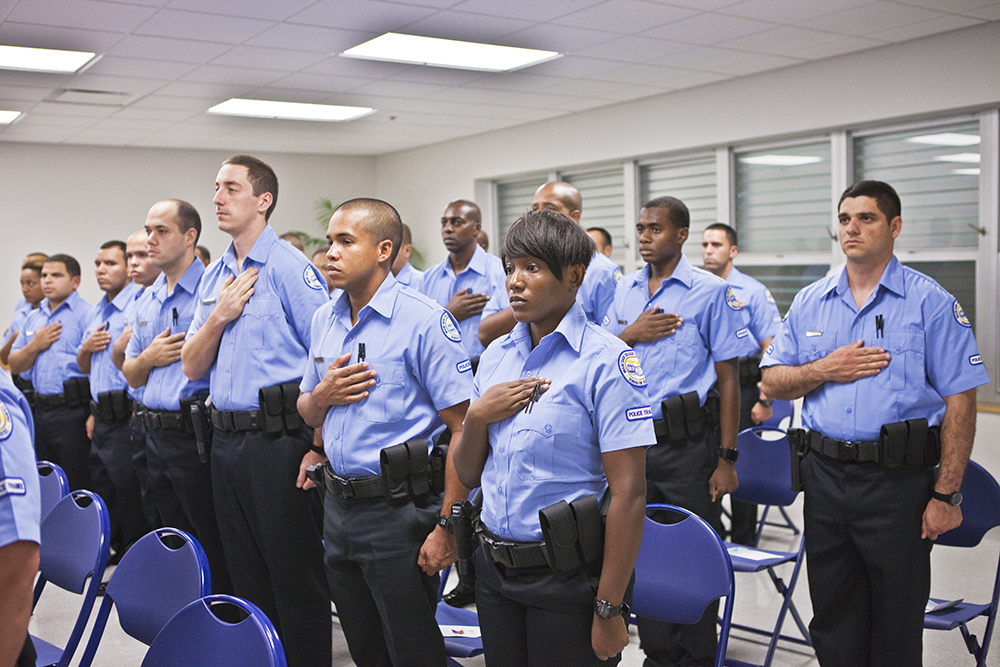
At the heart of becoming a police officer in Florida is the Basic Recruit Training Program (BRTP). This comprehensive program is mandatory for all individuals seeking to become certified law enforcement officers. It’s a foundational course that covers everything from constitutional law to defensive tactics, ensuring that every recruit possesses the essential skills and knowledge base to begin their career. The BRTP is structured to be intensive, simulating the pressures and responsibilities that officers will face in the field. It’s a transformative period, pushing individuals beyond their perceived limits to develop them into capable and ethical public servants. The curriculum is regularly updated to reflect current best practices in law enforcement, ensuring recruits are prepared for contemporary challenges such as cybercrime, community policing initiatives, and de-escalation techniques.
Core Curriculum and Specialized Training
The BRTP curriculum is robust, covering a wide array of subjects deemed essential for effective policing. While the exact sequencing and emphasis might vary slightly between different academies, the core components remain consistent. Recruits can expect intensive instruction in:
- Criminal Justice System and Laws: A deep dive into Florida’s legal framework, constitutional law, criminal procedures, and civil liberties. Understanding these legal principles is paramount for making sound judgments and ensuring actions are within the bounds of the law.
- Patrol Procedures and Operations: Training in traffic enforcement, accident investigation, report writing, crime scene management, and emergency vehicle operations. This practical training forms the backbone of daily police work.
- Firearms Proficiency: Extensive training in the safe handling, maintenance, and tactical use of various firearms, including pistols and shotguns. This involves countless hours on the firing range, focusing on accuracy, speed, and judgment under pressure.
- Defensive Tactics and Physical Skills: Hand-to-hand combat techniques, arrest control, self-defense, and use of force continuum. These skills are vital for officer safety and for safely apprehending suspects.
- Communications and Interpersonal Skills: Crisis intervention, de-escalation techniques, cultural diversity, and effective communication strategies for interacting with the public and victims of crime.
- First Aid and CPR: Basic medical training to respond to emergencies and provide immediate assistance until professional medical help arrives.
- Investigations: Introduction to forensic science, evidence collection, interviewing techniques, and fundamental investigative procedures.
Beyond these core areas, some academies may offer specialized training modules, such as marine patrol, K9 operations, or specialized tactical response, depending on the needs of local agencies or the specific focus of the institution. This comprehensive curriculum ensures that graduates are not merely trained but are truly educated in the complexities of law enforcement.
Duration and Structure: What to Expect
The question of “how long” is often at the forefront for prospective recruits. The duration of the Florida Police Academy is a critical factor influencing personal and financial planning. Generally, the BRTP is an intensive, full-time commitment, but some alternative schedules are available.
Standard Full-Time Programs
For most recruits, the BRTP is undertaken as a full-time program. These programs typically range from 6 to 10 months in duration. This equates to approximately 770 to 800 instructional hours, as mandated by the FDLE. A full-time schedule often involves training five days a week, with classes running during standard business hours, though some evening or weekend sessions might be required for specific practical exercises like firearms qualification or scenario-based training.
The intensity of a full-time program means recruits are fully immersed in their training, fostering a strong sense of camaraderie and discipline among their cohort. It’s a challenging period, demanding physical stamina, mental acuity, and unwavering dedication. This structure allows for a faster completion time, getting recruits into the field sooner, but it also necessitates a significant lifestyle adjustment, often requiring individuals to put other commitments on hold.
Part-Time and Alternative Schedules
Recognizing that not everyone can commit to a full-time academy schedule, some Florida academies offer part-time or evening programs. These alternative schedules are designed to accommodate individuals who may need to maintain employment or family responsibilities while pursuing their law enforcement career.
Part-time programs significantly extend the overall duration of the academy. While still covering the same 770-800 instructional hours, they can take anywhere from 12 to 18 months, or even up to 24 months, to complete. Classes are typically held in the evenings or on weekends, allowing recruits to balance their training with other obligations. While offering flexibility, the extended timeline requires a sustained level of commitment and motivation over a longer period. It’s a different kind of challenge, demanding endurance and consistent engagement over a more protracted journey.
Factors Influencing Program Length
Several factors can influence the exact length of an individual’s academy experience:
- Academy Choice: Different academies, such as those in Gainesville, Orlando, Miami, or Tampa, may structure their programs slightly differently, leading to minor variations in total duration.
- Program Type: As discussed, full-time versus part-time options are the most significant determinant of length.
- Individual Progress: While the curriculum is standardized, individual progress can impact the overall experience. Some academies might require remediation for recruits struggling in certain areas, potentially extending their stay or leading to re-enrollment in specific modules.
- Breaks and Holidays: Scheduled breaks, holidays, and unforeseen circumstances can also slightly alter the published duration of a program.
Prospective recruits should thoroughly research specific academies and inquire about their exact program lengths and schedules before committing, ensuring it aligns with their personal and professional circumstances.
Beyond the Classroom: Physical and Mental Demands
The Florida Police Academy is not solely an academic endeavor; it’s a crucible designed to test and strengthen individuals physically and mentally. The rigorous demands placed on recruits are integral to preparing them for the realities of law enforcement.
Physical Fitness Requirements
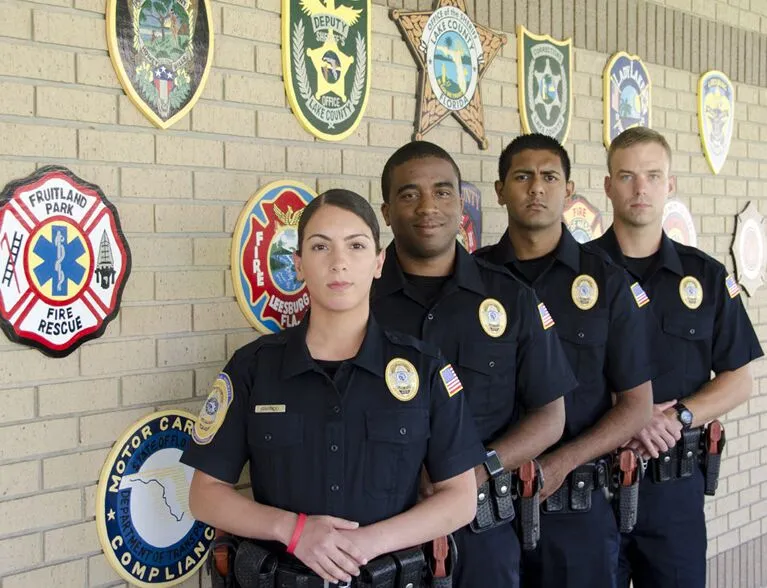
Physical readiness is non-negotiable for a police officer. Recruits entering the academy must meet specific physical fitness standards, and these standards are continuously tested and refined throughout the program. This typically includes:
- Cardiovascular Endurance: Often measured through timed runs (e.g., 1.5-mile run).
- Muscular Strength and Endurance: Assessed through push-ups, sit-ups, and other strength-based exercises.
- Agility and Flexibility: Evaluated through obstacle courses and various drills designed to mimic real-world scenarios.
The academy curriculum incorporates intense physical training sessions, defensive tactics, and scenario-based drills that require peak physical condition. Failure to meet or maintain these standards can lead to dismissal from the program. This emphasis on physical fitness is not arbitrary; it ensures officers can perform their duties safely and effectively, from pursuing suspects on foot to engaging in physically demanding altercations and enduring long shifts.
Mental Fortitude and Stress Management
Equally important to physical strength is mental resilience. Law enforcement is a high-stress profession, and the academy prepares recruits for this reality. Recruits are challenged mentally through:
- Intense Academic Load: Mastering complex legal statutes, policies, and procedures under tight deadlines.
- High-Pressure Scenarios: Participating in simulations that replicate stressful street situations, requiring quick thinking, sound judgment, and appropriate use of force.
- Discipline and Conformity: Adhering to strict rules, demanding schedules, and maintaining a disciplined demeanor under constant scrutiny.
Learning to manage stress, maintain composure in critical situations, and make ethical decisions under duress are crucial skills developed during the academy. Instructors often employ methods designed to induce stress, mirroring the unpredictable nature of police work, to help recruits build their mental fortitude. This mental conditioning is vital for an officer’s long-term well-being and their ability to serve the public effectively.
The Financial and Time Investment
Beyond the physical and mental demands, attending the Florida Police Academy represents a significant financial and time investment. Understanding these aspects is essential for comprehensive lifestyle planning.
Tuition and Associated Costs
Tuition fees for the BRTP can vary significantly depending on the academy. Public community colleges or state universities often host academies and may have different tuition structures for in-state versus out-of-state residents. Costs can range from approximately $3,000 to $10,000 or more.
However, tuition is just one part of the financial equation. Recruits must also budget for:
- Books and Materials: Textbooks, study guides, and other learning resources.
- Uniforms and Equipment: Specific uniforms, duty belts, holsters, boots, and other necessary gear. While some academies provide basic items, many require recruits to purchase their own.
- Firearms and Ammunition: The cost of personal firearms (if required) and significant quantities of ammunition for range training.
- Certifications: Fees for First Aid, CPR, and other required certifications.
- FDLE Exam Fee: The cost to take the state certification examination upon graduation.
- Living Expenses: For those attending full-time, covering living expenses (rent, food, utilities) for several months without full-time employment can be a substantial cost.
Some law enforcement agencies may sponsor recruits, covering some or all of these costs in exchange for a commitment to serve with their department upon graduation. This sponsorship can significantly alleviate the financial burden and is an avenue worth exploring for prospective applicants.
Balancing Life During Academy Training
The time commitment for the BRTP is immense. Full-time recruits will find their days (and sometimes evenings and weekends) fully consumed by academy activities. This leaves little time for personal pursuits, hobbies, or even significant family time. It’s a period of intense focus and sacrifice.
Part-time programs offer more flexibility, but the prolonged duration means balancing work, family, and academy demands over an extended period, which can be mentally taxing. Spouses, partners, and family members of recruits often play a crucial supportive role, understanding the temporary sacrifices required for the recruit to achieve their career goals. It’s a shared journey that requires open communication and robust support systems.
Post-Academy: Certification and Career Prospects
Graduating from the Florida Police Academy is a monumental achievement, but it’s not the final step to becoming a certified police officer. There’s a critical bridge between graduation and actively serving the community.
State Certification Requirements
Upon successful completion of the BRTP, graduates must pass the FDLE State Officer Certification Examination (SOCE). This comprehensive exam assesses the recruit’s mastery of the knowledge and skills taught throughout the academy. Passing the SOCE is mandatory for state certification.
Once certified, individuals are eligible to be employed as law enforcement officers by any state, county, or municipal agency in Florida. It’s important to note that certification is maintained through continuous training and adherence to professional standards set by the CJSTC.

Starting Your Law Enforcement Career in Florida
With certification in hand, graduates can then apply to various law enforcement agencies across Florida, including city police departments, county sheriff’s offices, and state agencies. The hiring process typically involves:
- Application Review: Submitting a detailed application and resume.
- Background Investigation: A thorough check of an applicant’s criminal history, employment history, financial records, and personal references. This is a very in-depth process.
- Interviews: Multiple rounds of interviews, including oral boards and psychological evaluations.
- Polygraph Examination: Often a component of the background check.
- Medical Examination: A comprehensive physical to ensure the applicant is fit for duty.
Once hired, new officers typically undergo a field training program (FTP) with their specific agency. This on-the-job training, lasting several weeks or months, pairs the new officer with an experienced Field Training Officer (FTO) to apply their academy knowledge in real-world scenarios under direct supervision. This crucial phase transitions the theoretical knowledge into practical policing skills, preparing them for independent patrol duties.
The journey through the Florida Police Academy is a rigorous and demanding one, requiring significant dedication and sacrifice. However, for those committed to a lifestyle of public service and community protection, it is a profoundly rewarding path that lays the groundwork for a challenging, dynamic, and impactful career in law enforcement.
LifeOutOfTheBox is a participant in the Amazon Services LLC Associates Program, an affiliate advertising program designed to provide a means for sites to earn advertising fees by advertising and linking to Amazon.com. Amazon, the Amazon logo, AmazonSupply, and the AmazonSupply logo are trademarks of Amazon.com, Inc. or its affiliates. As an Amazon Associate we earn affiliate commissions from qualifying purchases.