
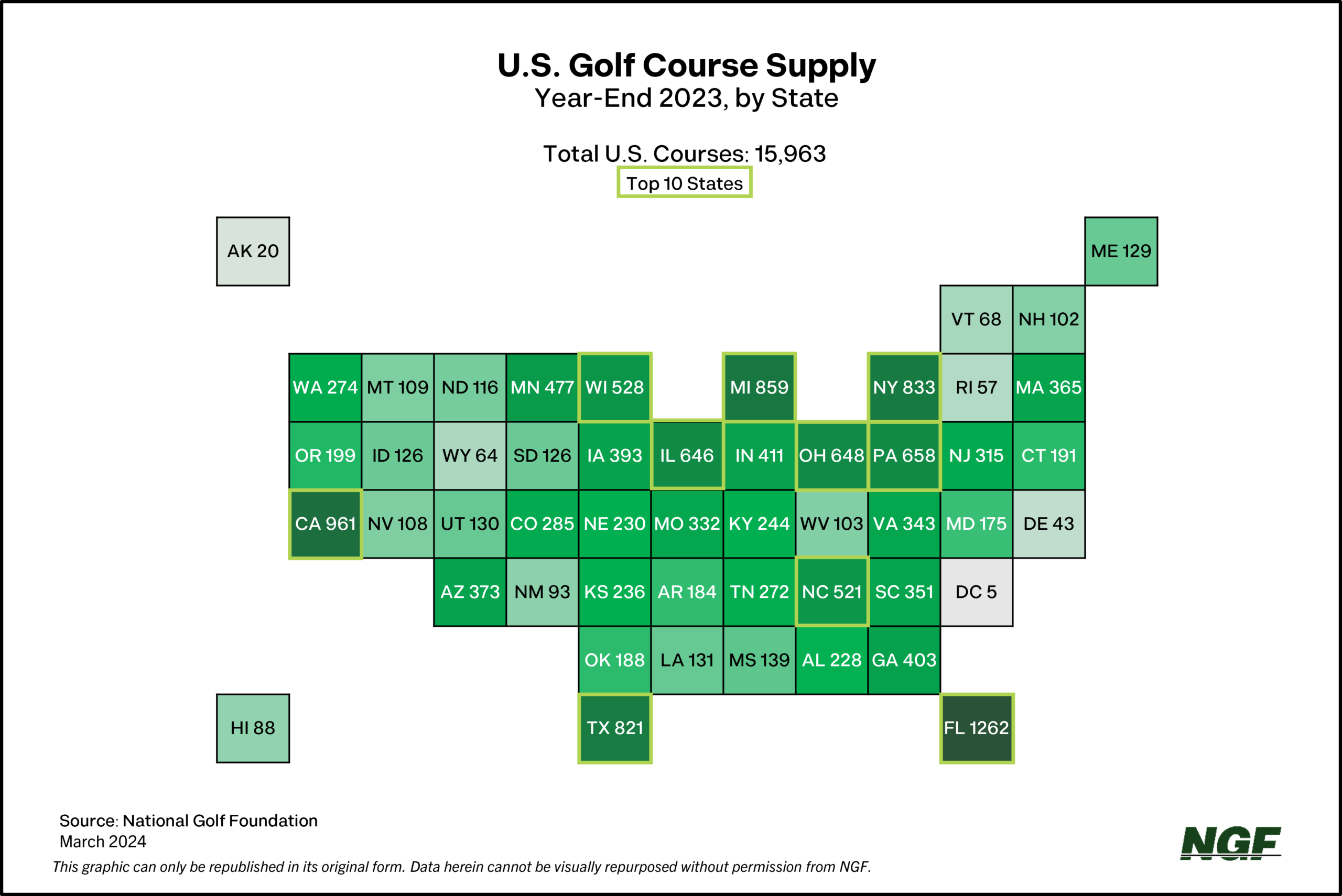
Florida, often celebrated as the Sunshine State, is synonymous with pristine beaches, vibrant theme parks, and a dynamic cultural scene. Yet, for a significant demographic of travelers, Florida holds an even greater allure: it is an undisputed mecca for golf enthusiasts. The sheer volume of golf courses within its borders is a testament to its status, drawing players from across the globe year-round. While precise figures can fluctuate due to new developments and occasional course closures, Florida consistently ranks as the state with the most golf courses in the United States. Estimates generally place the number at over 1,200 courses, a staggering figure that underscores its profound commitment to the sport and its unparalleled appeal as a golf destination. This expansive network of courses offers an extraordinary diversity of experiences, from championship layouts designed by legendary architects to charming municipal tracks catering to every skill level and budget. For anyone pondering a golf-focused getaway, the question isn’t whether Florida has enough courses, but rather, which of its magnificent offerings to choose first.
Florida: The Unrivaled Kingdom of Golf
The state’s preeminence in the golfing world is no accident. It is a carefully cultivated reputation built upon a unique blend of natural advantages, strategic development, and a deeply embedded culture that embraces the sport. The vast number of courses isn’t merely a statistic; it represents a commitment to providing an unparalleled golf travel experience.
A Staggering Number and Its Significance
With over 1,200 golf courses, Florida boasts more greens and fairways than any other state. This incredible density means that no matter where you are in Florida, a quality golf course is likely just a short drive away. This abundance is crucial for travelers, as it translates into greater choice, competitive pricing, and availability, even during peak seasons. It signifies that Florida isn’t just a place to play golf; it’s a place where golf is an integral part of the landscape and lifestyle. For the avid golfer, this means endless opportunities to explore different designs, challenges, and scenic backdrops, ensuring that every golf trip can offer new and exciting experiences. The sheer number underpins Florida’s claim as the ultimate golf destination.
The Allure of the Sunshine State for Golfers
Beyond the numbers, Florida’s fundamental appeal to golfers lies in its promise of year-round play under ideal conditions. The state’s mild winters are a particular draw for those escaping colder climates, allowing for comfortable rounds even in January and February when many northern courses are blanketed in snow. The diverse topography, though generally flat, has allowed architects to craft a wide array of challenging and aesthetically pleasing courses. From coastal links-style layouts benefiting from ocean breezes to lush, tree-lined inland tracks, the variety is immense. This combination of consistent sunshine, comfortable temperatures, and diverse course designs creates an irresistible environment for golfers seeking to perfect their swing or simply enjoy a leisurely game in a beautiful setting. The ease of access, combined with a supportive infrastructure of golf resorts, pro shops, and instructional academies, further cements Florida’s reputation as a golfer’s paradise.
What Drives Florida’s Golfing Dominance?
The reasons behind Florida’s status as a golfing powerhouse are multifaceted, stemming from its natural attributes, economic strategies, and a rich history of innovative course design. These elements synergistically contribute to its unparalleled concentration of golf facilities.
Ideal Climate and Topography
One of the most significant factors is Florida’s subtropical climate, which allows for golf to be played virtually every day of the year. The consistent warmth and abundant sunshine, with minimal temperature extremes, create an ideal environment for maintaining lush turf and for golfers to enjoy comfortable rounds. While the summers can be hot and humid, early morning tee times and the frequent afternoon rain showers (which often pass quickly) still make play possible. Furthermore, much of Florida’s relatively flat topography, interspersed with natural wetlands, lakes, and coastal areas, provides a versatile canvas for course designers. This natural landscape allows for creative and diverse layouts without requiring extensive earthmoving, making course development often more feasible than in more mountainous regions. The ready availability of groundwater for irrigation also plays a crucial role in sustaining the courses’ pristine conditions.
Economic Impact and Tourism
Golf is a substantial economic engine for Florida. It drives tourism, attracts seasonal residents, and supports a vast network of related industries, including hospitality, real estate, and retail. Golf tourism is a specific and lucrative niche, with visitors often staying in resorts that feature their own courses, or traveling specifically to play famous championship layouts. This influx of golf-focused tourists contributes significantly to local economies, creating jobs and stimulating growth. Moreover, the presence of numerous high-quality golf courses has historically been a major draw for real estate development, particularly for retirement communities and luxury homes. Developers often incorporate golf courses into their master plans, knowing that access to premier golfing facilities enhances property values and attracts discerning buyers. This symbiotic relationship between golf, tourism, and real estate has fueled continuous investment in new courses and the maintenance of existing ones.
Legacy and Innovation in Course Design
Florida has a storied history of attracting and nurturing some of the world’s most renowned golf course architects. Legends like Donald Ross, Pete Dye, Jack Nicklaus, and Arnold Palmer have left their indelible mark on the state’s golfing landscape, creating courses that are both challenging and aesthetically stunning. Their designs have pushed the boundaries of course architecture, incorporating Florida’s unique natural features, such as water hazards, palm groves, and sandy soils, into strategic and memorable layouts. This legacy of innovation continues today, with contemporary designers constantly seeking to create modern courses that are environmentally sustainable, playable for all skill levels, and still offer the strategic depth that elite golfers demand. The competitive nature of the Florida golf market encourages courses to maintain high standards and frequently update their facilities, ensuring that the state remains at the forefront of golf course design and experience.
Exploring Florida’s Diverse Golfing Landscapes
The beauty of golfing in Florida lies not just in the quantity of courses, but in their incredible diversity. From the Panhandle to the Florida Keys, each region offers a unique golfing flavor, ensuring that every golfer can find their perfect fit.
Coastal Gems and Inland Retreats
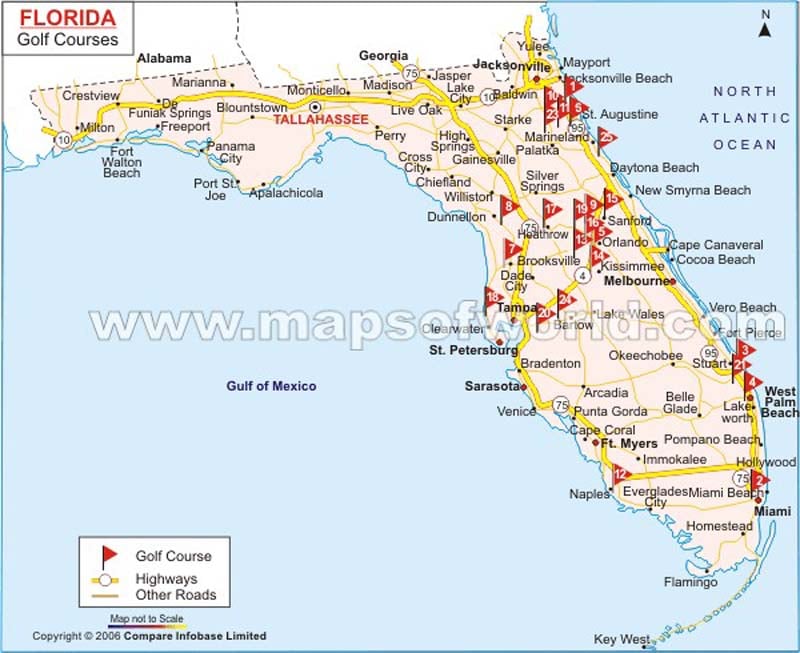
Florida’s extensive coastline is dotted with spectacular courses that offer breathtaking ocean views and the added challenge of coastal winds. These “coastal gems” often feature links-style characteristics, with natural dunes and strategically placed bunkers, providing a truly distinctive playing experience. Regions like Naples, the Palm Beaches, and the Jacksonville area are renowned for their picturesque seaside courses. In contrast, the state’s interior offers “inland retreats” characterized by lush, mature landscapes, often incorporating natural wetlands, cypress forests, and tranquil lakes. These courses tend to be more sheltered from the wind, focusing on tree-lined fairways and intricate water hazards. The Orlando area, with its abundance of resorts, and communities like Lakeland and Gainesville, exemplify the beauty of Florida’s inland golf. This duality ensures a fresh experience whether you prefer the challenge of the sea breeze or the tranquility of a parkland setting.
Public, Private, and Resort Courses
Florida’s golf courses cater to every type of player and budget through a robust mix of public, private, and resort facilities. Public courses, including municipal and daily-fee operations, offer accessible and affordable golf for locals and visitors alike. They often provide excellent value and can range from well-maintained local favorites to championship-caliber layouts open to the public. Private clubs are exclusive enclaves, typically offering pristine conditions, extensive practice facilities, and a strong sense of community for their members. Many of these clubs also host professional tournaments and offer a premium golf experience. Resort courses, often found within large hotel complexes, are designed to cater to leisure travelers. They combine luxurious accommodations with top-tier golf, offering stay-and-play packages that simplify the golf vacation experience. Many resort courses are open to the public, especially for guests of the resort, providing a blend of exclusivity and accessibility. This diverse ownership structure ensures that whether you’re a casual vacationer, a budget-conscious local, or a luxury seeker, there’s a golf course in Florida perfectly suited to your needs.
Noteworthy Golfing Regions
Certain regions of Florida have become particularly famous for their concentration of exceptional golf courses and vibrant golf cultures:
- Orlando: Beyond its theme parks, Orlando is a golf hub, boasting numerous resort courses like those at Walt Disney World and Universal Orlando Resort, as well as independent championship layouts. It’s a fantastic destination for family golf vacations.
- Naples & Southwest Florida: Known as the “Golf Capital of the World” by some, Naples and the surrounding Southwest Florida region have an extraordinarily high density of private and public courses, many with a luxurious feel.
- Palm Beaches & Southeast Florida: Home to the PGA National Resort & Spa, which hosts the PGA Tour’s Honda Classic, this region is a hotbed for professional golf and offers a plethora of upscale options.
- Jacksonville & Northeast Florida: Anchored by TPC Sawgrass in Ponte Vedra Beach, the home of The Players Championship, this area combines coastal beauty with challenging, world-class golf.
- Tampa Bay: Offering a blend of coastal and inland courses, the Tampa Bay area provides a more laid-back but equally rewarding golfing experience, often at a slightly more accessible price point than its southern counterparts.
Each of these regions, and countless others across the state, contribute to Florida’s status as a comprehensive and diverse golf destination.
Planning Your Ultimate Florida Golf Getaway
With such an embarrassment of riches, planning a golf trip to Florida can seem daunting. However, a strategic approach can help tailor an unforgettable experience that matches your preferences and budget.
Choosing Your Destination
The first step in planning your Florida golf trip is to select a region that aligns with your priorities. Are you looking for a family-friendly vacation where golf is just one of many activities? Orlando might be ideal. Do you crave luxury and a high concentration of championship courses? The Palm Beaches or Naples could be your answer. Are you a purist looking for a challenge with a historic backdrop? Northeast Florida with TPC Sawgrass is compelling. Consider factors like proximity to airports, other attractions you might want to visit, and your preferred atmosphere (lively resort versus quiet retreat). Researching specific golf packages offered by resorts and tour operators can also help narrow down choices and often provide better value.
Navigating Green Fees and Course Access
Green fees in Florida can vary widely, from under $50 at some municipal courses to several hundred dollars at premier resort and private-access clubs. Peak season (typically November through April) generally sees higher prices and greater demand, especially in popular tourist areas. To secure the best tee times and rates, it’s advisable to book well in advance, particularly for coveted courses. Utilizing online booking platforms and checking directly with course websites for specials or twilight rates can yield significant savings. Some private clubs may offer limited public play during off-peak times or through resort packages, so it’s worth inquiring. Joining golf loyalty programs or utilizing discount cards in certain regions can also provide benefits. Always confirm dress codes and any specific club rules before your visit to ensure a smooth experience.
Beyond the Fairways: Maximizing Your Florida Experience
While golf might be the primary focus, Florida offers a wealth of other attractions and experiences that can complement your trip. Incorporate visits to Florida’s famous beaches, explore vibrant cities like Miami or St. Petersburg, or delve into the unique ecosystems of the Everglades. Enjoy fresh seafood, discover local art scenes, or simply relax by a resort pool. Many golf resorts offer spas, fine dining, and other recreational activities, providing a well-rounded vacation. For non-golfing companions, the array of activities ensures everyone can have an enjoyable and memorable trip. Integrating other aspects of Florida’s rich offerings transforms a golf trip into a comprehensive travel experience.
The Future of Golf in Florida
Florida’s golf landscape is not static; it continues to evolve, adapting to new trends, environmental concerns, and the changing demands of golfers. The commitment to maintaining its position as a global golf leader drives ongoing innovation and adaptation.
Sustainability and Preservation
As environmental awareness grows, Florida’s golf industry is increasingly focusing on sustainability. This includes implementing water conservation strategies, using drought-resistant turf, reducing pesticide use, and protecting natural habitats that often intertwine with course layouts. Many courses are seeking certifications from organizations like the Audubon International Cooperative Sanctuary Program, demonstrating a commitment to ecological stewardship. Given Florida’s unique and sensitive ecosystems, the preservation of wetlands, wildlife corridors, and water quality is paramount. Future developments will undoubtedly continue to prioritize environmentally sound practices, ensuring that golf can thrive responsibly within the state’s natural beauty.

Continued Growth and Evolution
Despite its already immense number of courses, Florida continues to see new developments and significant renovations. The state remains an attractive location for golf course designers and investors, particularly as its population grows and tourism remains robust. The evolution also includes adapting to demographic shifts, with an increasing focus on shorter, more accessible courses (e.g., par-3 courses, executive courses) to appeal to beginners, juniors, and those seeking quicker rounds. Technology continues to play a role, with advanced irrigation systems, GPS-enabled carts, and improved practice facilities becoming standard. As golfing trends shift, Florida’s golf industry is poised to adapt, ensuring that the Sunshine State will remain at the forefront of the global golfing scene for years to come, offering unparalleled experiences to every traveler who dreams of hitting the links.
LifeOutOfTheBox is a participant in the Amazon Services LLC Associates Program, an affiliate advertising program designed to provide a means for sites to earn advertising fees by advertising and linking to Amazon.com. Amazon, the Amazon logo, AmazonSupply, and the AmazonSupply logo are trademarks of Amazon.com, Inc. or its affiliates. As an Amazon Associate we earn affiliate commissions from qualifying purchases.