
The Florida Keys, an archipelago stretching southwest from the tip of the Florida peninsula, pose a fascinating question for many travelers: exactly how many “keys” are there? More than just a simple numerical answer, this query unlocks a journey through a unique geographical and cultural landscape. Comprising thousands of small islands, or “keys” as they are locally known, this chain of tropical islands acts as a natural barrier between the Atlantic Ocean and the Gulf of Mexico, offering a slice of the Caribbean within the U.S.. For the discerning traveler, understanding the scope and character of these keys is crucial to planning an unforgettable experience in this captivating destination.

Unraveling the Archipelago: The Geographic Scope
While the precise number of keys can vary depending on how one defines an “island” or a “key” — some are mere clumps of mangroves, others substantial landmasses — the Florida Keys technically consist of approximately 1,700 islands. However, the vast majority of these are uninhabited, undeveloped, or too small to be significant for travel purposes. The true travel experience focuses on the handful of major keys that are connected by the legendary Overseas Highway, forming a continuous string of destinations.
Defining “Key” in the Florida Context
In geological terms, a “key” (derived from the Spanish word “cayo” meaning small island) refers to a low-lying island formed on a coral reef. The Florida Keys were once part of an ancient coral reef system, exposed as sea levels fluctuated over millennia. This unique formation contributes to the distinct ecosystem of the keys, characterized by shallow waters, vibrant marine life, and unique terrestrial flora and fauna. While geologists count every exposed landmass, for the purpose of travel and exploration, we focus on the keys that offer infrastructure, attractions, and accessibility.
The Overseas Highway and Its Connectors
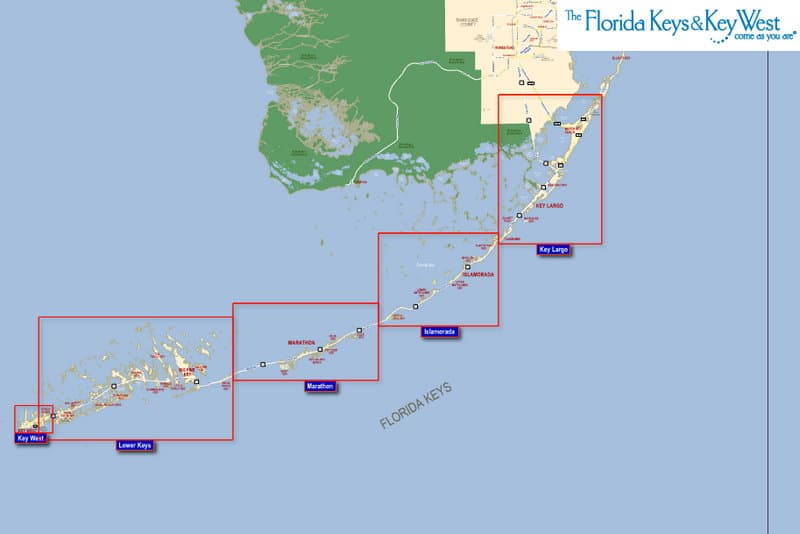
The backbone of the Florida Keys travel experience is the Overseas Highway, a remarkable feat of engineering. This 113-mile stretch of U.S. Route 1 connects 42 bridges and several dozen keys, starting just south of Miami and winding its way to Key West, the southernmost point of the continental U.S.. It’s this continuous ribbon of road that makes traveling through the major keys so accessible and iconic, transforming the drive itself into a significant part of the adventure.
The Major Players: Essential Keys for Travelers
When travelers speak of “the keys,” they are typically referring to the roughly 30-40 habitable keys along the Overseas Highway that offer services, accommodations, and attractions. Among these, five main groups or individual keys stand out as primary destinations, each with its own distinct personality and appeal.
Key Largo: The Dive Capital of the World
The first and northernmost of the main keys, Key Largo is renowned as the “Dive Capital of the World.” Its proximity to Everglades National Park and Florida Bay makes it a haven for both freshwater and saltwater ecosystems. The star attraction here is the John Pennekamp Coral Reef State Park, the first underwater park in the U.S., offering unparalleled opportunities for snorkeling, scuba diving, and glass-bottom boat tours to explore vibrant coral reefs and the Christ of the Abyss statue. Key Largo also serves as a gateway to exploring the wilderness of the Everglades, making it a versatile starting point for a Keys adventure.
Islamorada: Village of Islands, Sportfishing Mecca
South of Key Largo, Islamorada is a cluster of six islands (Plantation Key, Windley Key, Upper Matecumbe Key, Lower Matecumbe Key, Lignumvitae Key, and Indian Key) collectively known as the “Village of Islands.” This area is a world-renowned sportfishing destination, earning it the title of “Sportfishing Capital of the World.” Anglers flock here for its abundant bonefish, tarpon, snook, and redfish. Beyond fishing, Islamorada offers unique attractions like feeding massive tarpon at Robbie’s of Islamorada, exploring art galleries, and enjoying waterfront dining.
Marathon & The Middle Keys: Family Fun and Iconic Bridges
The middle keys, including Marathon, Grassy Key, and Long Key, represent the heart of the archipelago. Marathon is a vibrant, family-friendly destination boasting numerous resorts, restaurants, and marine-related attractions. Here, visitors can interact with dolphins at the Dolphin Research Center, explore the Turtle Hospital (a rescue and rehabilitation center), or relax on the pristine sands of Sombrero Beach. This section is also famous for the historic and modern Seven Mile Bridge, an engineering marvel offering breathtaking panoramic views of the ocean as you drive.
Big Pine Key & Lower Keys: Nature’s Untouched Beauty
Further south, the Lower Keys, anchored by Big Pine Key, offer a quieter, more natural escape. This area is home to the National Key Deer Refuge, where the endangered miniature Key deer roam freely. Travelers here can enjoy a slower pace, kayaking through mangroves, cycling along scenic paths, or exploring the unspoiled beauty of Bahia Honda State Park, often cited as having one of the most beautiful beaches in the U.S.. It’s a perfect spot for those seeking solitude and a deeper connection with nature.
Key West: The End of the Road, a World Apart
The journey culminates in Key West, the most famous and southernmost of the keys. Known for its eclectic charm, vibrant nightlife, historic architecture, and laid-back atmosphere, Key West feels like a world unto itself. Visitors flock to Duval Street for its lively bars and shops, explore the former home of Ernest Hemingway Home and Museum, take a photo at the iconic Southernmost Point buoy, and partake in the nightly sunset celebration at Mallory Square. The city is a hub of culture, history, and pure relaxation, offering everything from ghost tours to world-class dining. Other notable attractions include Fort Zachary Taylor Historic State Park and the Key West Lighthouse and Keeper’s Quarters Museum.
Beyond the Mainland: Exploring the Remote Outposts
While the Overseas Highway connects the main keys, some of the most spectacular parts of the Florida Keys lie further afield, accessible only by boat or seaplane. These remote outposts offer a truly unique travel experience, emphasizing untouched nature and history.
Dry Tortugas National Park: A Remote Gem
Approximately 70 miles west of Key West lies Dry Tortugas National Park, a collection of seven small islands accessible only by ferry or seaplane. This remote national park is a treasure trove of history and natural beauty, famous for its magnificent Fort Jefferson, pristine coral reefs, and abundant marine life. It offers incredible snorkeling, birdwatching, and a chance to step back in time, far removed from the hustle and bustle of modern life. It’s a testament to the diverse offerings of the Florida Keys that extend beyond the well-trodden path.
Planning Your Keys Adventure: A Traveler’s Guide
Embarking on a journey through the Florida Keys requires a bit of planning to fully appreciate its multifaceted charm. Each key offers a unique flavor, and the best travel experiences often involve exploring a selection of them.
Best Time to Visit
The ideal time to visit the Florida Keys is typically between December and May, when the weather is dry, sunny, and comfortably warm with lower humidity. This period avoids hurricane season (June to November) and offers pleasant temperatures for outdoor activities. However, it’s also peak season, meaning higher prices and larger crowds, especially in Key West. The shoulder months of late May and early December can offer a good balance of agreeable weather and fewer tourists.
Navigating the Islands
A car is almost essential for exploring the Florida Keys, allowing for the flexibility to stop at various points of interest along the Overseas Highway. The drive itself, with its endless ocean views, is a significant part of the experience. Once in Key West, however, walking, cycling, or using local taxis and trolleys are preferred methods of getting around, as parking can be challenging. For venturing to remote areas like the Dry Tortugas, booking ferry or seaplane tickets well in advance is crucial.

Activities and Experiences Across the Archipelago
The range of activities in the Florida Keys is as diverse as its islands. Water sports dominate, with world-class snorkeling, scuba diving, fishing charters, kayaking, paddleboarding, and sailing available throughout. Nature enthusiasts can explore state parks, wildlife refuges, and marine sanctuaries. For those seeking cultural experiences, historical sites, art galleries, and live music venues abound, especially in Key West and Islamorada. Culinary adventures range from casual seafood shacks serving fresh catch to upscale restaurants offering gourmet island cuisine. Don’t forget to try the local conch fritters and authentic Key lime pie!
In conclusion, while the precise number of “keys” in Florida runs into the thousands, the true magic for travelers lies in the handful of major islands that form the backbone of this unparalleled destination. From the diving wonders of Key Largo to the historical charm of Key West, each key offers a distinct experience, connected by the iconic Overseas Highway. Embarking on a journey through the Florida Keys is more than just a trip; it’s an immersive exploration of unique ecosystems, rich history, and a laid-back, sun-drenched lifestyle that truly sets it apart.
LifeOutOfTheBox is a participant in the Amazon Services LLC Associates Program, an affiliate advertising program designed to provide a means for sites to earn advertising fees by advertising and linking to Amazon.com. Amazon, the Amazon logo, AmazonSupply, and the AmazonSupply logo are trademarks of Amazon.com, Inc. or its affiliates. As an Amazon Associate we earn affiliate commissions from qualifying purchases.