
Embarking on a journey to the Sunshine State promises an abundance of warm weather, stunning beaches, and thrilling attractions. However, a responsible traveler is an informed traveler, especially when it comes to understanding the local weather phenomena that could potentially impact their experience. The question “How many tornadoes in Florida today?” is a crucial one for visitors and residents alike, underscoring the dynamic nature of weather and the importance of real-time awareness. Unlike a static fact, the answer to this question shifts with the hour, dictated by atmospheric conditions across the state. This article serves as a comprehensive guide for travelers, delving into Florida’s tornado landscape, offering insights into staying informed, and outlining essential safety protocols to ensure your visit is as safe and enjoyable as possible.

Understanding Florida’s Tornado Landscape for Travelers
While Florida is renowned for its sun-drenched days, it also has a notable, albeit often misunderstood, relationship with tornadoes. For travelers, understanding the typical characteristics of these events in the state is key to dispelling myths and fostering appropriate preparedness without undue alarm.
Florida: A Hotspot for Waterspouts and Landspouts
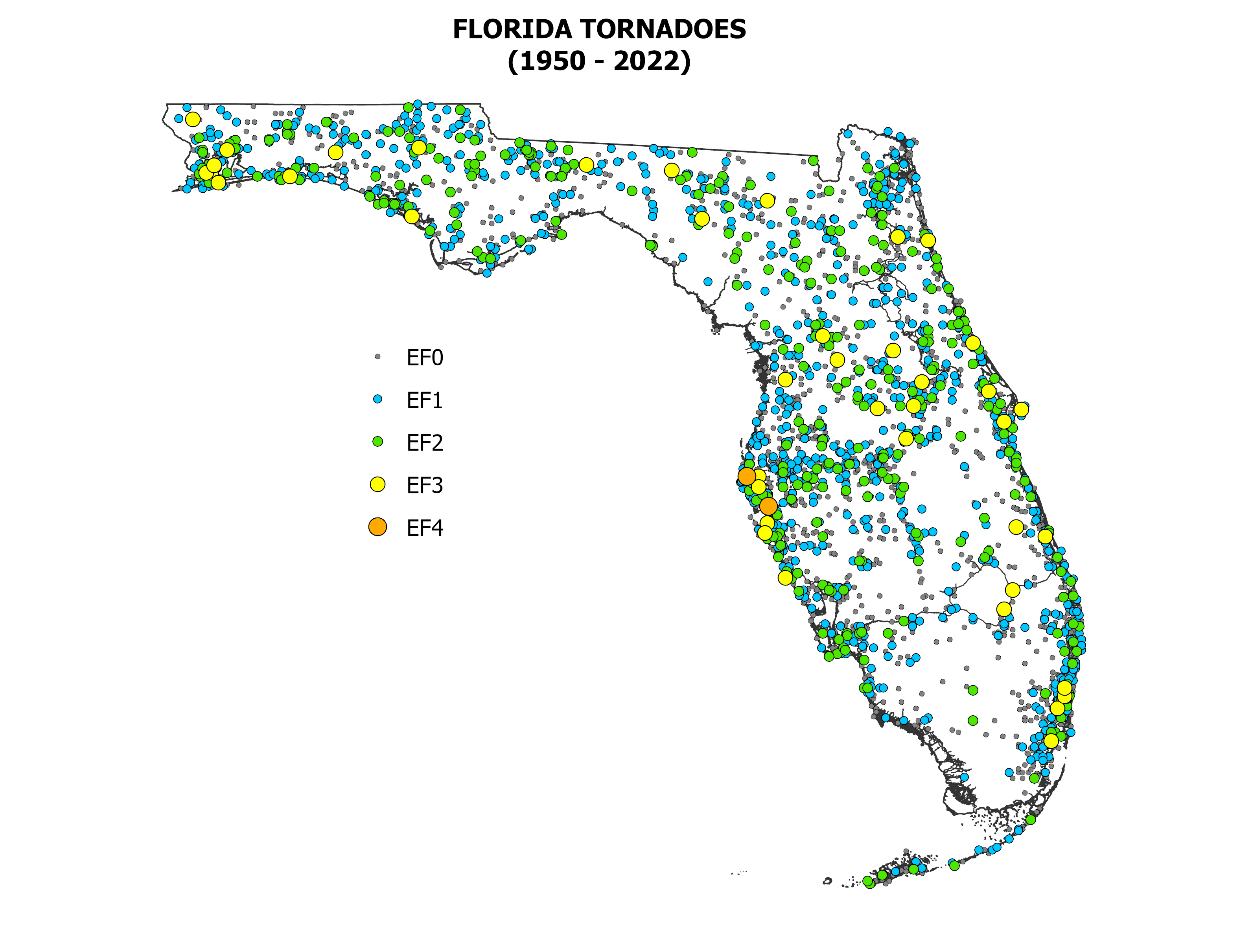
When discussing tornadoes in Florida, it’s important to differentiate them from the powerful, often devastating twisters associated with the “Tornado Alley” in the Midwest. Florida’s tornadoes are typically weaker, predominantly falling into the EF0 to EF1 categories on the Enhanced Fujita (EF) scale. These lighter tornadoes are often short-lived and localized, though they can still cause significant damage in their path.
A unique aspect of Florida’s tornado activity is the high frequency of waterspouts and landspouts. Waterspouts are rotating columns of air and mist that form over water, often extending from cumuliform clouds to the surface. While many remain over water, they can move inland and become tornadoes, causing damage. Landspouts, on the other hand, form over land without the presence of a supercell thunderstorm, typically weaker and narrower than supercell tornadoes. Florida actually leads the nation in waterspout occurrences, and while these are less frequently severe, they contribute significantly to the state’s overall tornado count. This means that while Florida might report a high number of “tornadoes,” many of these are weaker landspouts or waterspouts, which are less likely to pose a widespread threat compared to the stronger, more destructive tornadoes seen elsewhere.
Peak Seasons and Geographic Vulnerabilities
Florida experiences two primary tornado seasons, each linked to different meteorological drivers. The first peak occurs during the spring months (March through May), when cold fronts moving across the Gulf of Mexico interact with warm, moist air over Florida, creating conditions conducive to severe thunderstorms and tornadoes. This period can see more conventional, albeit still typically weaker, tornadoes.
The second, and arguably more prevalent, season for tornado activity coincides with hurricane season (June through November). Tropical storms and hurricanes, whether making landfall or simply passing nearby, can generate numerous tornadoes, particularly in their outer rain bands. These tornadoes often form rapidly with little warning, making them a significant concern.
Geographically, tornado activity can occur anywhere in Florida, but certain areas exhibit higher frequencies. Central Florida, including cities like Orlando and the surrounding theme park regions, often experiences higher activity due to the interaction of sea breezes from both coasts. Coastal areas, particularly the Gulf Coast, are more susceptible to waterspouts moving inland. Travelers planning itineraries to popular destinations like Miami, Tampa, Jacksonville, or the Florida Keys should be aware of these patterns and remain vigilant, especially during peak seasons.
Real-Time Information: Staying Safe on Your Florida Vacation
For any traveler in Florida, the most critical aspect of tornado preparedness is access to accurate, real-time weather information. Relying on outdated forecasts or general assumptions can be risky. Modern technology and established meteorological services provide the tools necessary to stay informed moment by moment.
Essential Weather Resources for Travelers
To answer “How many tornadoes in Florida today?” effectively, you need to tap into reliable, current sources. The primary and most authoritative source is the National Weather Service (NWS). Their website and local offices provide detailed forecasts, hazardous weather outlooks, and immediate alerts. Travelers should bookmark the NWS page for the specific region they are visiting (e.g., NWS Tampa Bay, NWS Miami).
Beyond the official website, several other resources are invaluable:
- NOAA Weather Radio All-Hazards: This is a nationwide network broadcasting continuous weather information directly from the nearest NWS office. A weather radio with a tone alert feature is an excellent investment for travelers, particularly those staying in vacation rentals or camping.
- Local News Channels: Florida local news stations are highly attuned to severe weather and provide continuous updates, radar imagery, and expert analysis during active weather events. Many offer free apps with push notifications for local alerts.
- Reputable Weather Apps: Applications like The Weather Channel, AccuWeather, or NOAA Weather Radar Live & Alerts provide real-time radar, forecasts, and customizable alerts directly to your smartphone. Ensure you enable location services for the most localized warnings.
- Hotel Information: Many hotels and resorts have internal systems to monitor weather and will provide guests with information and instructions during severe weather. Always inquire upon check-in.
It is paramount to check the forecast not just before you leave for your trip, but daily, and even hourly, especially if weather conditions seem to be changing. This proactive approach ensures you’re aware of any potential threats.
Decoding Tornado Watches and Warnings
Understanding the terminology used by weather services is crucial for appropriate action. There’s a significant difference between a “tornado watch” and a “tornado warning.”
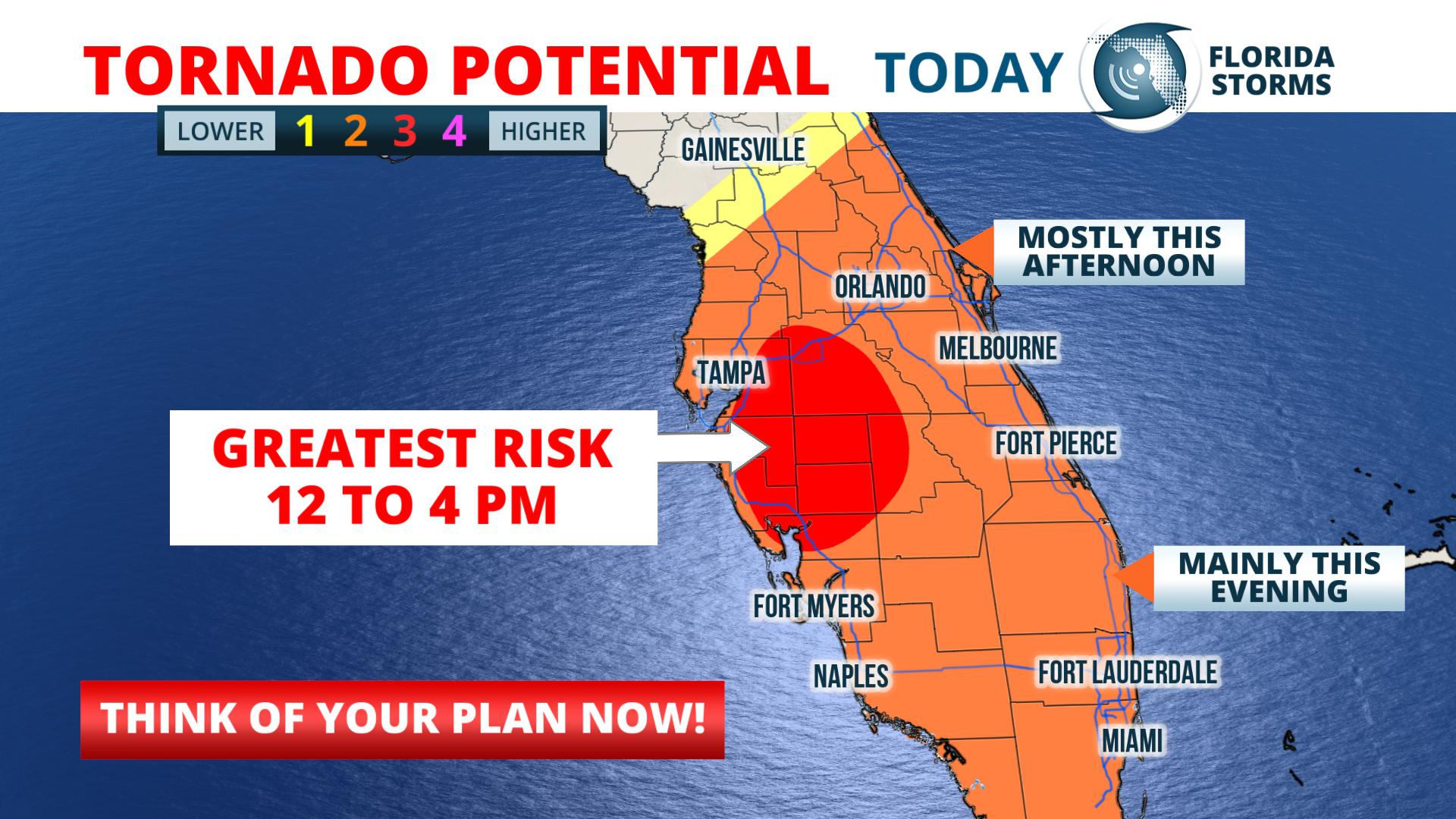
- Tornado Watch: This means that conditions are favorable for tornadoes to develop in and near the watch area. This is a time for preparedness. As a traveler, during a tornado watch, you should:
- Monitor official weather sources closely.
- Know the location of the safest place in your current accommodation.
- Inform fellow travelers of the watch.
- Have a plan of action ready.
- Avoid unnecessary outdoor activities or travel.
- Tornado Warning: This is much more serious. It means a tornado has been sighted or indicated by weather radar, posing an imminent threat to life and property in the warned area. Immediate action is required. If a tornado warning is issued for your location:
- Seek shelter immediately. Do not wait.
- Go to the lowest floor of a sturdy building, to an interior room away from windows and doors. Bathrooms or closets often offer good protection.
- If you are in a mobile home or vehicle, evacuate immediately to the nearest sturdy building or designated shelter. These structures offer little protection from tornadoes.
- Cover your head and neck with your arms to protect against flying debris.
Heeding these distinctions can make a critical difference in ensuring your safety during a severe weather event.
Developing a Tornado Safety Plan for Tourists
Being a responsible traveler means having a basic safety plan for various contingencies, including severe weather. While the likelihood of being directly impacted by a major tornado in Florida is relatively low for any single trip, having a plan in place minimizes risk and stress.
Pre-Trip Preparedness: Knowing Your Accommodation’s Plan
Before even arriving, or immediately upon check-in, take a few proactive steps:
- Ask Your Accommodation: Inquire with your hotel, resort, or vacation rental host about their severe weather protocols. Do they have designated shelter areas? How do they communicate alerts to guests?
- Identify Safe Zones: Once you arrive, locate the safest place within your specific room or rental. This is typically an interior room on the lowest floor possible, away from windows. If you’re on an upper floor in a hotel, ask if there’s a designated safe area on a lower floor.
- Emergency Kit Basics: While you don’t need a full survival kit for a vacation, having a small bag ready with essentials can be helpful. This might include any necessary medications, a flashlight, a portable phone charger, and important documents (copies of IDs, booking confirmations).
For those staying in mobile homes, RVs, or camping, understand that these offer virtually no protection from tornadoes. Always identify the nearest sturdy building or community shelter upon arrival and be prepared to move there instantly if a warning is issued.
During Your Stay: Actionable Safety Measures
Once a tornado watch or warning is issued, your actions depend on your immediate surroundings:
- If Outdoors:
- Seek Sturdy Shelter: If possible, get inside a well-constructed building.
- Avoid Vehicles: Do not try to outrun a tornado in a car. Abandon your vehicle and seek shelter in a sturdy building or a ditch if no other shelter is available, lying flat and covering your head.
- Open Fields: If you are in an open field with no immediate shelter, lie flat in a ditch or other low-lying area and protect your head.
- If In a Hotel Room/Vacation Rental:
- Move to an interior room on the lowest floor possible. Bathrooms, closets, or interior hallways are often the safest spots.
- Stay away from windows and glass doors.
- Get under something sturdy, like a desk or a heavy table, and cover your head and neck.
- Listen for further instructions from hotel staff or local authorities.
- At Popular Attractions (e.g., Orlando Theme Parks):
- Major attractions like those in Orlando have well-established severe weather procedures. They typically monitor weather conditions constantly and will guide guests to designated safe areas (often sturdy indoor show venues or restaurants) or advise them to seek shelter within their accommodations.
- Always follow the instructions of park staff immediately and without hesitation.
Beyond Tornadoes: Comprehensive Travel Safety in Florida
While tornadoes are a focus of this article, Florida travelers should also be broadly aware of other potential weather and environmental considerations to ensure a truly safe and enjoyable trip.
Hurricane Preparedness for Florida Travelers
Tornadoes often accompany tropical systems, but hurricanes themselves present a distinct and more widespread threat. Florida lies squarely in the Atlantic Hurricane Belt, and the season runs from June 1st to November 30th. If traveling during this period:
- Monitor Tropical Forecasts: Keep an eye on tropical weather outlooks from the National Hurricane Center (NHC).
- Consider Travel Insurance: Purchase comprehensive travel insurance that covers trip interruptions or cancellations due to severe weather.
- Flexible Bookings: Opt for flexible flight and accommodation bookings that allow for changes or refunds if a hurricane threatens your travel dates.
- Evacuation Plans: Understand that entire regions can be subject to evacuation orders. Have a plan for how you would leave the area if necessary.
General Travel Safety Tips
Beyond severe weather, general safety practices enhance any Florida vacation:
- Sun Protection and Hydration: The Florida sun is intense. Use high-SPF sunscreen, wear protective clothing, and drink plenty of water to avoid heatstroke and sunburn.
- Wildlife Awareness: Florida is home to diverse wildlife, including alligators, snakes, and various marine life. Observe wildlife from a safe distance and never feed wild animals. Be particularly cautious around bodies of fresh water where alligators might reside.
- Rip Current Awareness: If swimming in the ocean, be aware of rip current warnings and know how to escape one (swim parallel to the shore until you are out of the current, then swim to shore).
- Travel Insurance: As mentioned, good travel insurance provides peace of mind for medical emergencies, lost luggage, and unexpected cancellations, not just weather-related events.
In conclusion, while the precise answer to “How many tornadoes in Florida today?” is ever-changing and dependent on live meteorological conditions, being prepared means knowing how to find that answer and what to do when severe weather threatens. Florida remains a fantastic travel destination, and with a proactive approach to weather awareness and safety, you can ensure your trip is both memorable and secure. Stay informed, stay vigilant, and enjoy the wonders of the Sunshine State safely.
LifeOutOfTheBox is a participant in the Amazon Services LLC Associates Program, an affiliate advertising program designed to provide a means for sites to earn advertising fees by advertising and linking to Amazon.com. Amazon, the Amazon logo, AmazonSupply, and the AmazonSupply logo are trademarks of Amazon.com, Inc. or its affiliates. As an Amazon Associate we earn affiliate commissions from qualifying purchases.