
For anyone considering a move to the Sunshine State, establishing residency, or simply needing a valid form of identification for everyday life, understanding the cost and process of obtaining a Florida ID is a crucial first step. While often overshadowed by the excitement of new beginnings or the allure of sun-drenched beaches, practical considerations such as securing official documentation are fundamental to a smooth transition and integration into Florida living. This guide delves into the expenses, requirements, and nuances associated with acquiring a Florida identification card, framing it within the broader context of managing your lifestyle and budget in this vibrant state.
Understanding the Florida ID Landscape: More Than Just a Card
An official identification card issued by the State of Florida is more than just a piece of plastic; it’s a gateway to various services, a cornerstone of personal security, and often a requirement for everyday transactions. While many associate state IDs primarily with driving privileges, Florida offers non-driver identification cards specifically for those who do not operate a vehicle but still require state-issued proof of identity. Understanding the different types and their purposes is essential for making an informed decision that aligns with your specific needs.
Who Needs a Florida ID? Residents, Snowbirds, and Non-Drivers
The need for a Florida ID extends far beyond just new residents. While individuals relocating to Florida will undoubtedly need to update their identification to establish legal residency, several other groups also benefit greatly from, or outright require, a Florida ID:
- New Residents: To open bank accounts, register children in school, apply for jobs, access state services, or simply prove their age, a Florida ID is indispensable. It signifies your formal connection to the state, making daily life much smoother.
- Non-Drivers: Many individuals, whether due to age, disability, personal choice, or simply preferring alternative transportation, do not hold a driver’s license. A non-driver ID provides them with an official, universally accepted form of identification.
- Seniors and Retirees: For many retirees choosing Florida as their permanent home, an ID is crucial for accessing senior discounts, voting, and managing personal affairs. It offers peace of mind and simplifies interactions that require identity verification.
- Seasonal Residents (“Snowbirds”): While some seasonal visitors may retain out-of-state IDs, having a Florida ID can simplify certain local transactions and interactions during their extended stays, especially if they are establishing a temporary residence.
- Individuals Without a Passport: For domestic travel, a REAL ID-compliant state identification card serves as an acceptable form of identification for boarding flights, eliminating the need to carry a passport within the U.S.
ID vs. Driver’s License: What’s the Difference?
While both are official state-issued documents and serve as proof of identity, a Florida ID card and a Florida Driver’s License serve distinct primary functions:
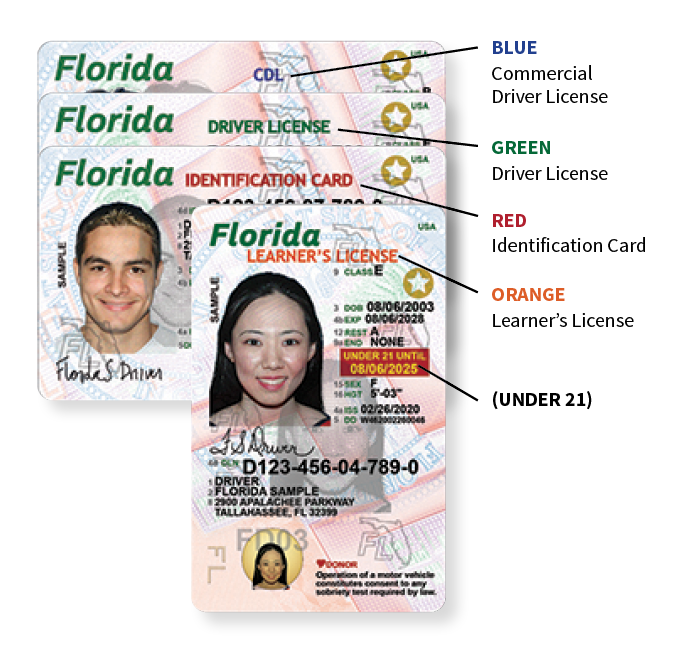
- Florida Identification Card: This card is solely for identification purposes. It visually resembles a driver’s license but explicitly states “Identification Card” and lacks information pertaining to driving privileges. It is ideal for non-drivers, those too young to drive, or individuals who simply prefer not to obtain a driver’s license. It meets REAL ID compliance standards if obtained after the specified date.
- Florida Driver’s License: This document serves a dual purpose: it acts as proof of identity and grants the holder legal permission to operate a motor vehicle on Florida roads. Different classes of driver’s licenses exist, depending on the type of vehicle (e.g., standard car, motorcycle, commercial).
Both documents are issued by the Florida Department of Highway Safety and Motor Vehicles (FLHSMV) and require similar documentation during the application process to verify identity, residency, and social security number. The key difference lies in the driving privilege.
Deciphering the Costs: Fees and Validity Periods
Understanding the exact fees associated with a Florida ID is a critical part of budgeting for your move or establishing your life in the state. While costs are generally fixed and transparent, it’s helpful to know the various scenarios that might incur a fee. These costs are a small but necessary investment in your new lifestyle or established presence in Florida.
Standard Identification Card Fees
As of the latest information, the fee for an original Florida Identification Card is typically $25. This cost applies to first-time applicants who are obtaining an ID card and do not currently hold a Florida driver’s license. This fee is standard across all DMV service centers and tax collector offices that process ID applications throughout Florida.
It’s important to note that these fees are subject to change by the state legislature. While the $25 figure has been consistent for a considerable period, it’s always wise to verify the current fee on the official FLHSMV website before your visit. This ensures you arrive prepared and avoid any last-minute surprises.
Fees for Driver’s Licenses: A Comparative View
While our primary focus is on identification cards, it’s useful for lifestyle budgeting to know the comparative costs for driver’s licenses, as many individuals will weigh these options.
- Original Class E Driver’s License (standard automobile): The fee for a first-time Class E driver’s license is typically $48. This higher fee reflects the additional privilege of operating a motor vehicle and the associated testing and administrative overhead.
- Motorcycle Endorsement: If added to an existing Class E license, there’s usually an additional fee.
- Commercial Driver’s License (CDL): These licenses, required for operating large or specialized vehicles, carry significantly higher fees.
For those transitioning from out-of-state driver’s licenses to a Florida driver’s license, the initial fee will be similar to an original license. This is a common practical step for new residents establishing their driving credentials in Florida.
Renewal Costs and Duplicate Fees
Florida IDs and driver’s licenses are not lifetime documents; they have validity periods, typically 8 years for most adults. Beyond the initial application fee, you should factor in potential future costs:
- Renewal Fee: Renewing a Florida Identification Card typically costs $25, mirroring the original issuance fee. Driver’s license renewals are generally $48. Renewals can often be done online, by mail, or in person, depending on eligibility.
- Duplicate/Replacement Fee: If your ID card is lost, stolen, or damaged, you will need to apply for a duplicate. The fee for a duplicate Florida ID card is usually $25. Similarly, a duplicate driver’s license also costs $25. It’s prudent to account for this possibility in your lifestyle planning, as unforeseen circumstances can arise.
These fees underscore the ongoing financial commitment, albeit minimal, to maintaining proper identification in Florida.
The Application Process: Beyond Just the Fee
Paying the fee is just one part of obtaining your Florida ID. The application process itself requires careful attention to detail, including gathering the correct documentation and understanding where to apply. This logistical aspect is as important as the financial one for a seamless experience.
Essential Documents for Your Florida ID Application
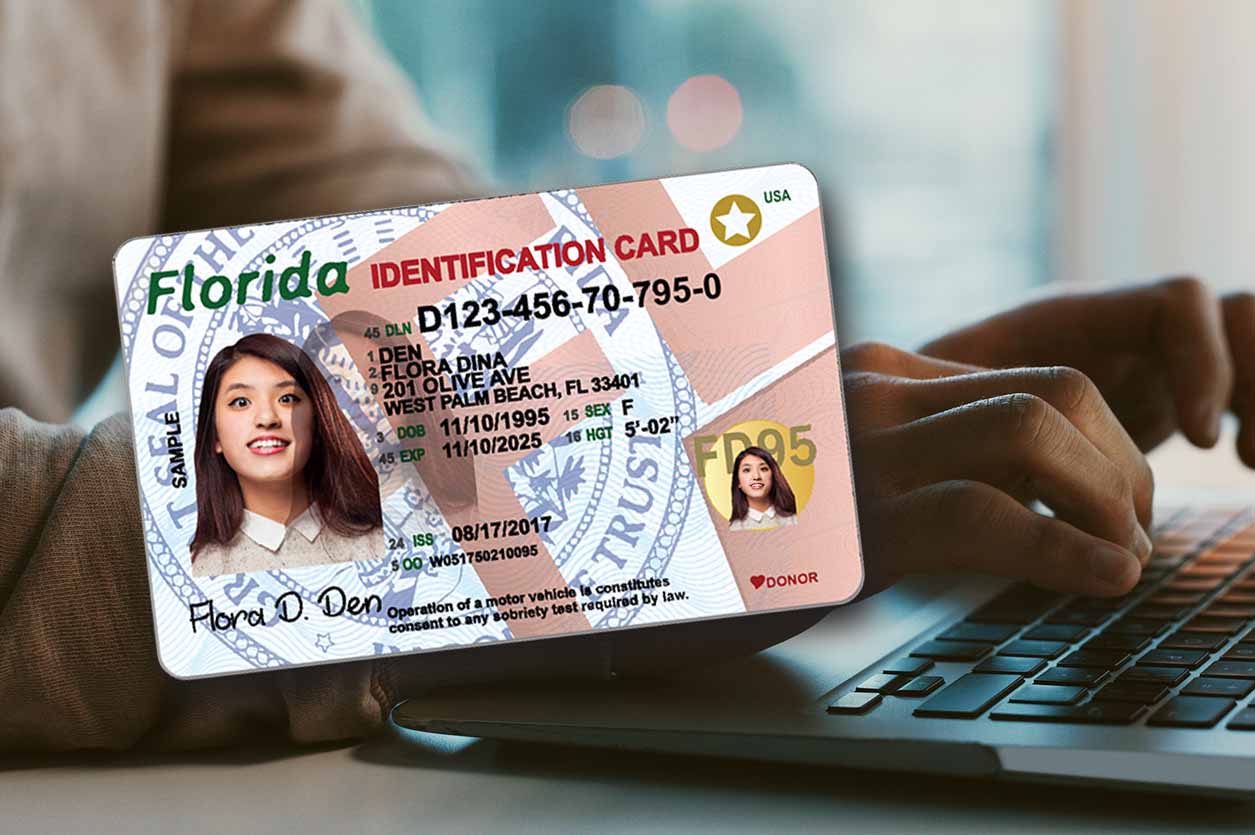
Florida adheres to strict federal REAL ID Act guidelines, meaning applicants must provide specific documents to verify their identity, legal presence, social security number, and residency. Being prepared with these documents beforehand can significantly reduce your wait time and ensure a successful application on your first visit.
You will generally need to provide:
- Proof of Primary Identification: This typically includes an original or certified copy of your birth certificate or a valid U.S. Passport. For non-U.S. Citizens, acceptable documents include a valid immigration document (e.g., Green Card, Employment Authorization Card).
- Proof of Social Security Number (SSN): Your Social Security card, W-2 form, or a pay stub displaying your full SSN are generally accepted. The name on this document must match your identity document.
- Proof of Residential Address (Two Different Documents): This is crucial for establishing Florida residency. Acceptable documents include utility bills, a rental agreement or lease, a deed, a mortgage statement, or a voter registration card. These must display your Florida address.
- Proof of Name Change (if applicable): If your current name differs from that on your birth certificate or primary identification (due to marriage, divorce, etc.), you must provide supporting legal documents, such as a marriage certificate or court order.
It is paramount to bring original documents or certified copies, as photocopies are generally not accepted. The FLHSMV website provides a comprehensive list of all acceptable documents, and utilizing their “What to Bring” wizard is highly recommended to personalize your checklist.
Where to Apply: DMV Offices and Appointments
Florida ID cards are issued by the Florida Department of Highway Safety and Motor Vehicles (FLHSMV) through its various DMV service centers and authorized county tax collector offices.
- DMV Service Centers: These are state-run facilities specifically for driver’s license and ID services.
- County Tax Collector Offices: Many counties have authorized their tax collector’s offices to provide these services, often offering additional locations and potentially shorter wait times.
It is highly advisable to schedule an appointment online before visiting. Walk-ins are often accommodated, but appointments guarantee your spot and significantly reduce potential wait times, which can be considerable, especially in popular relocation destinations like Miami, Orlando, or Tampa. Check the specific office you plan to visit for their appointment policies and hours of operation.
Special Considerations: New Residents and Out-of-State Transfers
For those newly arriving in Florida, the process is slightly more involved than for existing residents. New residents must surrender their out-of-state driver’s license or ID card when applying for a Florida equivalent. If you do not have your out-of-state license to surrender, additional documentation and processing may be required.
It’s also worth noting that if you have an out-of-state ID and are moving to Florida, you generally have 30 days to obtain a Florida driver’s license if you intend to drive. While there’s no strict deadline for a non-driver ID, obtaining it promptly is a good practice for establishing your new lifestyle.
Budgeting for Your Florida ID: A Lifestyle Consideration
Integrating the cost and process of obtaining a Florida ID into your overall lifestyle budget, especially if you’re relocating, is a smart financial move. While the fee itself is relatively small, it’s one piece of a larger puzzle of expenses associated with establishing yourself in a new state or simply managing your identity effectively.
Integrating ID Costs into Your Relocation Budget
For individuals and families moving to Florida, relocation involves a myriad of expenses: moving services, security deposits, utility hook-ups, new furniture, and often, initial living expenses before employment begins. The $25 ID card fee, while modest, should be explicitly listed in your relocation budget.
Consider it an essential administrative cost, alongside other documentation fees (e.g., vehicle registration, professional licenses). By itemizing these smaller but critical expenses, you gain a clearer picture of your total financial outlay and minimize unexpected financial burdens during what can already be a stressful transition. For budget travelers or those managing a tight financial plan, every dollar counts, and anticipating these fees helps maintain control.
The Value Proposition: Why a Florida ID is More Than Just a Card
Looking beyond the monetary cost, a Florida ID offers significant value that enhances your lifestyle and simplifies daily living in the state.
- Official Proof of Residency: This is paramount for many state and local services, voting, and even certain discounts or benefits only available to Florida residents.
- Convenience: It serves as universally accepted proof of identity and age, simplifying tasks like banking, age-restricted purchases, or confirming your identity for various applications. Carrying a driver’s license might not always be appropriate for non-drivers, making the ID card invaluable.
- Security: A government-issued ID is a foundational document for protecting your identity and engaging securely in official and commercial transactions.
- Compliance with REAL ID: For those who travel domestically by air, a REAL ID-compliant Florida ID card (or driver’s license) is necessary for boarding flights, eliminating the need to carry a passport. This streamlining of travel documentation is a significant lifestyle benefit.
In essence, the small investment in a Florida ID card pays dividends in convenience, security, and access to the full spectrum of privileges and services available to Florida residents, seamlessly integrating into your chosen lifestyle in the Sunshine State.
Frequently Asked Questions About Florida IDs
Navigating government processes can often lead to questions. Here are some common inquiries regarding Florida ID cards, providing further insights for a smooth application.
Can I Get a Florida ID if I’m Not a U.S. Citizen?
Yes, absolutely. Non-U.S. Citizens who are legally residing in Florida can apply for a Florida Identification Card. The key requirement is to provide valid documentation proving your legal presence in the United States and in Florida. This typically includes a valid immigration document issued by the U.S. government, such as a Permanent Resident Card (Green Card), Employment Authorization Document (EAD), or a valid visa with an I-94 form. The validity period of your Florida ID card will typically be tied to the expiration date of your immigration documents. It’s crucial to have all appropriate legal immigration paperwork ready when you apply.
How Long Does It Take to Get a Florida ID?
The actual issuance of the ID card itself is generally quite fast. If you have all your required documents in order and your application is approved, you will typically receive a temporary identification card (paper copy) on the spot. Your permanent, physical Florida ID card will then be mailed to your residential address within a few weeks, usually within 7-10 business days.
The most significant time commitment often comes from:
- Gathering Documents: This can take days or weeks if you need to order certified copies of birth certificates or other records.
- Waiting for an Appointment: Depending on the time of year and the specific DMV or tax collector office, securing an appointment can sometimes involve a wait of several days to a couple of weeks.
- Walk-in Wait Times: If you choose to walk in without an appointment, wait times can vary dramatically, from under an hour to several hours, depending on the facility’s busyness.
Planning ahead, utilizing the FLHSMV’s online “What to Bring” tool, and scheduling an appointment are the best strategies to minimize the overall time commitment for obtaining your Florida ID.
LifeOutOfTheBox is a participant in the Amazon Services LLC Associates Program, an affiliate advertising program designed to provide a means for sites to earn advertising fees by advertising and linking to Amazon.com. Amazon, the Amazon logo, AmazonSupply, and the AmazonSupply logo are trademarks of Amazon.com, Inc. or its affiliates. As an Amazon Associate we earn affiliate commissions from qualifying purchases.