
Understanding the financial obligations associated with vehicle ownership is a fundamental aspect of managing one’s lifestyle, whether you’re a long-term resident or considering a move to the Sunshine State. Among these, the cost of a license plate in Florida is a common question, often met with a nuanced answer that goes beyond a single, fixed price. The total expense is influenced by several factors, including whether it’s an initial registration or an annual renewal, the type and weight of your vehicle, and your choice of a standard or specialty plate. This guide delves into the various components that contribute to the final cost, offering a professional, insightful, and engaging overview to help you navigate Florida’s vehicle registration landscape.

Understanding the Initial Investment: First-Time Registration in Florida
For anyone bringing a vehicle into Florida for the first time, or purchasing a new vehicle within the state, the initial registration process involves a set of fees that are generally higher than subsequent annual renewals. This is primarily due to a one-time “Initial Registration Fee” designed to offset administrative costs and contribute to state infrastructure. This fee alone can add a significant amount to the overall cost, typically around $225, above and beyond other standard registration charges.
Standard Plate vs. Specialty Plates: A Visual and Financial Choice
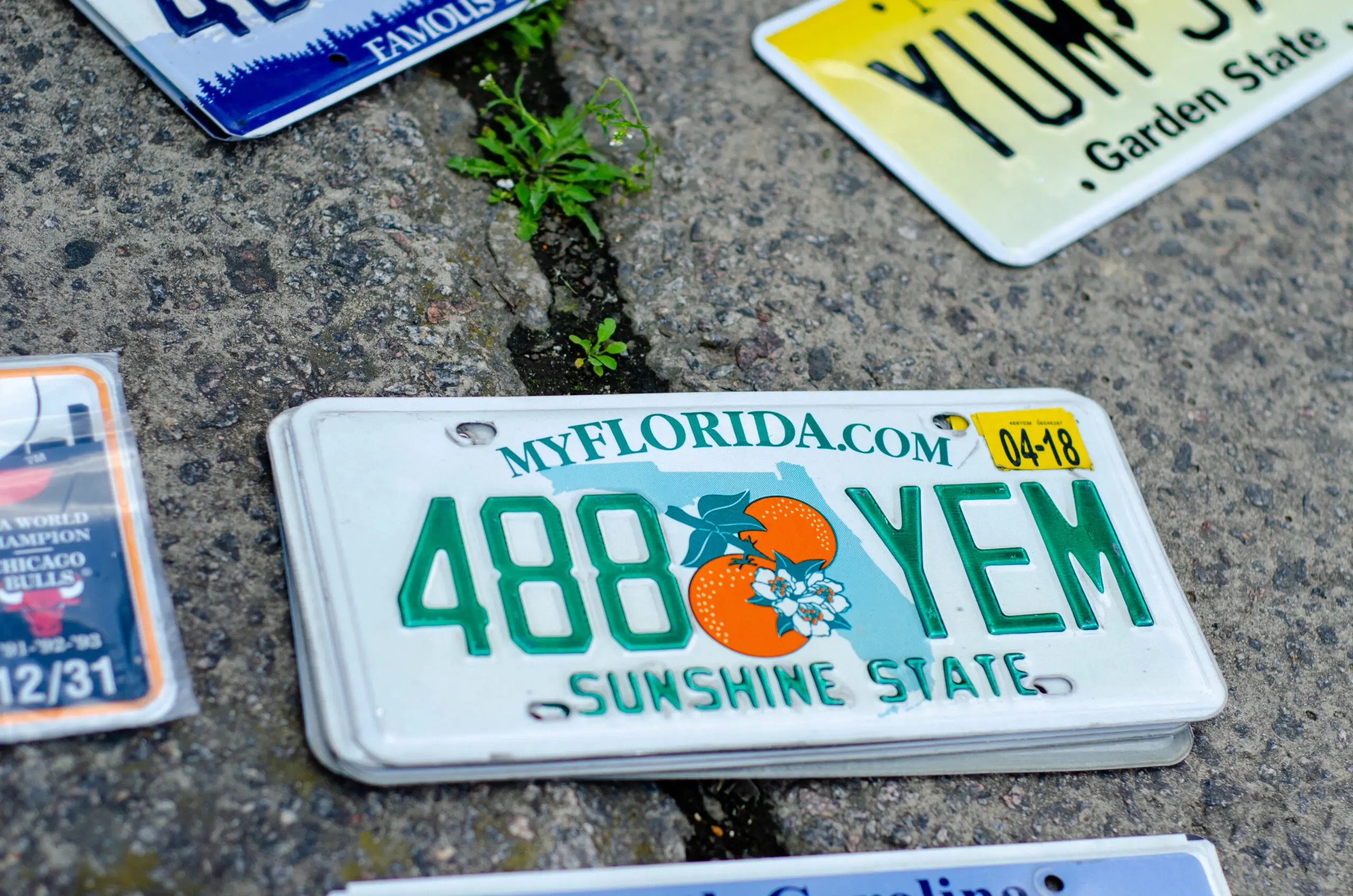
The most fundamental decision impacting your license plate cost in Florida is between a standard license plate and a specialty plate. A standard plate, featuring the classic Florida design, is the baseline option and incurs the most basic fees. These typically include the plate fee itself (around $28), the annual registration fee which varies by vehicle weight, and potentially other statutory surcharges.
Opting for a specialty plate, however, immediately introduces additional costs. Florida boasts an impressive array of specialty plates, supporting various causes, colleges, professional sports teams, and environmental initiatives. While these plates offer a way to express personal interests or support cherished organizations, they come with an annual fee surcharge, typically ranging from $25 to $50, which is added to your standard registration costs. This surcharge is usually directed towards the specific cause or entity the plate represents, making it a recurring donation with your registration.
The Role of Vehicle Type and Weight in Registration Fees
Beyond the plate type, your vehicle’s specifications play a crucial role in determining the annual registration fee. In Florida, private automobiles are typically registered based on their weight. Generally, heavier vehicles incur higher registration fees. For instance, a small sedan might have a lower annual registration fee than a large SUV or a truck. The weight classes are categorized, and each class has a corresponding fee structure. This system ensures that vehicles that potentially exert more wear and tear on roads contribute proportionally more to their upkeep.
Motorcycles, recreational vehicles (RVs), and commercial vehicles also have distinct fee schedules. Motorcycles often have a flat registration fee, while RVs might be categorized differently based on their specific type and weight. Commercial vehicles, especially those used for business purposes, typically face a much more complex and higher fee structure, often tied to their gross vehicle weight (GVW) and intended use, reflecting their significant impact on public infrastructure.
Additional Surcharges and Fees for New Registrants
Beyond the core registration and plate fees, new registrants in Florida may encounter several other surcharges. These can include:
- Initial Registration Fee: As mentioned, this is a significant one-time fee, typically $225, for vehicles not previously registered in Florida.
- Service Charges: The County Tax Collector’s Office (or license plate agency) collects a small service fee for processing transactions.
- Electronic Filing Fees: A minor fee for digital processing.
- Sales Tax: If you purchase a vehicle in Florida, you will pay state sales tax (currently 6%) on the purchase price. If you moved from out-of-state and paid less than 6% sales tax on your vehicle in your previous state, Florida might collect the difference.
- Title Fees: If you’re also titling the vehicle in Florida (which is usually the case for new residents or purchases), there will be a separate title fee (e.g., around $75.25 for an electronic title). If there’s a lienholder (like a bank financing the car), an additional lien recording fee applies.
These additional costs, while seemingly minor individually, can accumulate, making the initial outlay for a Florida license plate and registration a more substantial figure than many anticipate.
Navigating Annual Renewals: Sustaining Your Florida Vehicle Registration
Once your vehicle is initially registered in Florida, the subsequent annual renewals are typically less expensive, as the one-time “Initial Registration Fee” is not reapplied. However, it’s still crucial to understand the recurring costs and processes to maintain your vehicle’s legal status on Florida roads.
Deciphering the Annual Renewal Statement
Approximately 60 to 90 days before your registration expires, the Florida Department of Highway Safety and Motor Vehicles (FLHSMV) or your local County Tax Collector’s Office will mail a renewal notice to the address on file. This statement provides a detailed breakdown of the fees due for the upcoming year. It will list the base registration fee (determined by vehicle weight), any specialty plate surcharges, service fees, and other applicable statutory fees. It’s essential to review this statement carefully to ensure all information is accurate and to understand the total amount required for renewal. For many standard passenger vehicles, annual renewal costs can range from approximately $30 to $80, not including specialty plate fees.
Online, Mail, or In-Person: Convenient Renewal Options
Florida offers several convenient methods for renewing your vehicle registration, catering to different preferences and schedules:
- Online: The most popular and often quickest method is through the official FLHSMV website or your local County Tax Collector’s Office portal. You’ll typically need your license plate number and a payment method. Renewing online allows for immediate processing and often provides an option to print a temporary registration document until your decals arrive by mail.
- Mail: You can mail your renewal notice and payment to your local County Tax Collector’s Office. It’s advisable to do this well in advance of your expiration date to ensure timely processing and avoid potential late fees.
- In-Person: Visit your local County Tax Collector’s Office or a designated authorized agent. This option allows for immediate receipt of your new registration and decals, and staff are available to assist with any questions or complex issues. Wait times can vary depending on the location and time of day.
- Kiosks: Some counties offer self-service kiosks at various locations (e.g., grocery stores) for quick renewals, allowing you to print your decal on the spot.
Avoiding Penalties: Timely Renewal is Key
Florida law requires vehicles to have current registration and license plates. Driving with an expired registration can result in fines, penalties, and even impoundment of your vehicle. The renewal period typically begins 90 days before the expiration date, which is indicated by the month and day on your license plate sticker. While there might be a short grace period in some cases, it is always best practice to renew before the last day of your expiration month. Late renewals generally incur additional fees, increasing your overall cost and adding unnecessary stress to your lifestyle planning.
Specialty and Personalized Plates: Beyond the Standard
For many Florida drivers, a license plate is more than just a legal requirement; it’s an opportunity for personal expression and a means to support causes close to their heart. The state’s extensive specialty plate program offers a diverse range of options, each with its unique design and financial implications.
A Spectrum of Choices: From Conservation to Collegiate Support
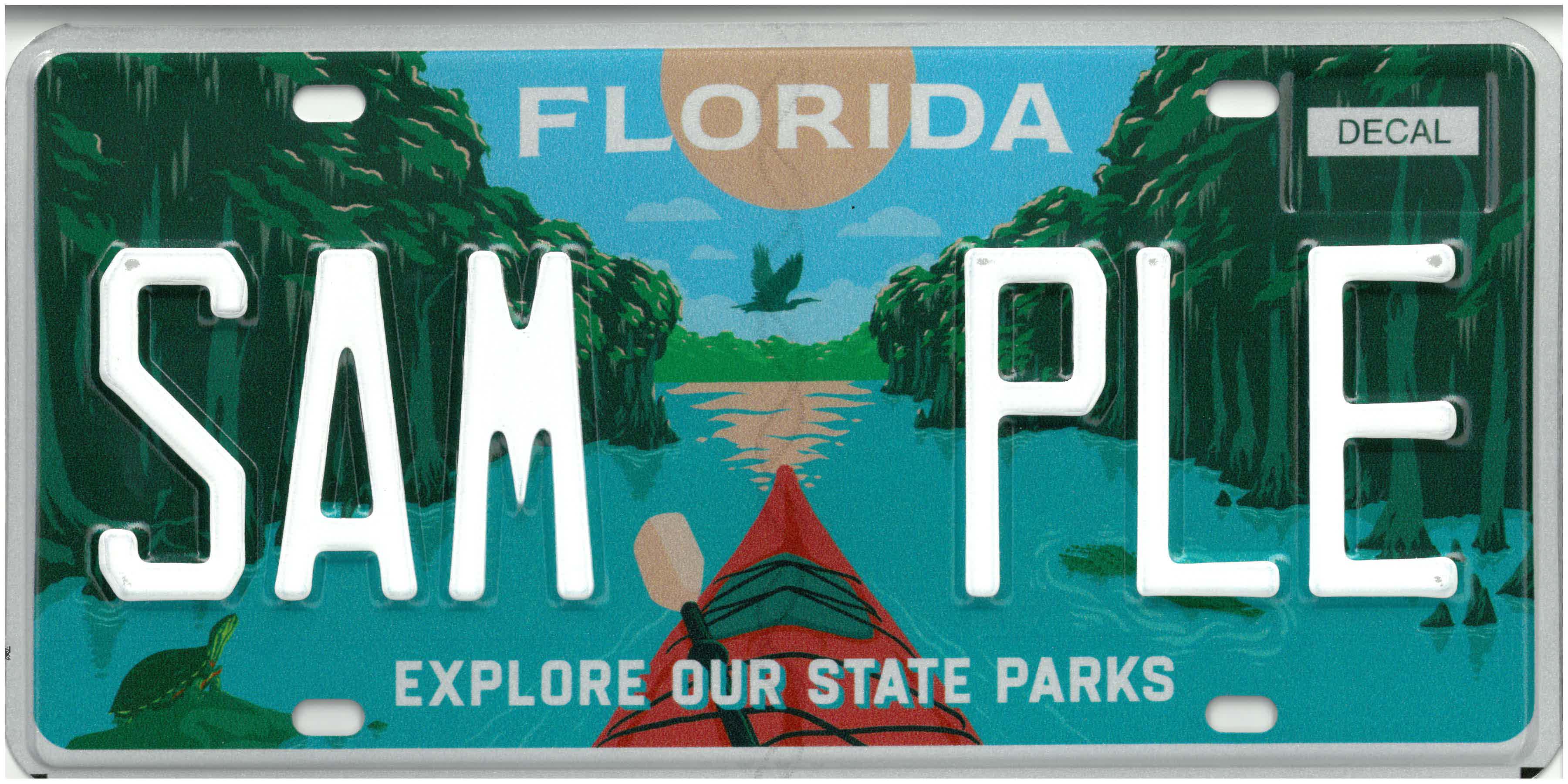
Florida boasts one of the most comprehensive specialty license plate programs in the nation. Drivers can choose from plates that support environmental conservation (e.g., “Save the Manatee“, “Protect Wild Dolphins“), collegiate institutions (University of Florida, Florida State University), professional sports teams (Miami Dolphins, Tampa Bay Buccaneers), military veterans, charitable organizations, and many more. Each plate features a distinct graphic and often a specific message, making them highly recognizable. These plates serve as a visible declaration of support, with a portion of the annual specialty plate fee directly benefiting the sponsoring organization or cause.
The Premium Price for Personal Expression
While visually appealing and socially conscious, specialty plates do come at an additional cost. In addition to the standard registration fees, a surcharge of approximately $25 to $50 is applied annually for most specialty plates. This fee is non-refundable and contributes directly to the program or organization associated with the plate. This means that over the years, the cumulative cost of a specialty plate can be significantly higher than a standard plate. For personalized plates, where you choose a unique combination of letters and numbers (vanity plates), an additional annual fee (e.g., $15) is typically assessed on top of the specialty plate surcharge, if applicable. This allows drivers to truly make their plate one-of-a-kind.
The Process of Obtaining a Specialty or Personalized Plate
Obtaining a specialty or personalized plate in Florida is straightforward. When registering a new vehicle or renewing an existing registration, you can request a specialty plate at your local County Tax Collector’s Office or an authorized tag agency. If selecting a personalized plate, you’ll need to check the availability of your desired alphanumeric combination. The FLHSMV website usually provides an online tool to check vanity plate availability. Once approved, the new plate or decal (if renewing) will be issued. It’s important to remember that these specialty fees are annual, so budget accordingly for your lifestyle choices.
For New Florida Residents: Transitioning Your Vehicle Registration
Moving to a new state involves a myriad of administrative tasks, and transferring your vehicle registration to Florida is one of the most critical. Understanding the requirements and deadlines is essential to avoid complications and ensure a smooth transition into your new Florida lifestyle.
The 10-Day Rule: A Critical Deadline
New residents bringing an out-of-state vehicle into Florida are generally required to register their vehicle and obtain a Florida license plate within ten days of establishing residency or gaining employment in the state. This “10-day rule” is strictly enforced. Failure to comply can result in fines and other penalties, making it crucial to prioritize this task shortly after your arrival. Establishing residency can be defined by various actions, such as gaining employment, enrolling children in public school, or filing for a homestead exemption.
Required Documentation for Out-of-State Transfers
To register an out-of-state vehicle in Florida, you’ll need to gather several key documents and fulfill specific requirements:
- Proof of Identity: A valid driver’s license (from any state initially, but you’ll need a Florida driver’s license soon after).
- Proof of Florida Insurance: Florida requires personal injury protection (PIP) and property damage liability (PDL) coverage. Your out-of-state policy may need to be updated or a new Florida policy obtained.
- Original Out-of-State Title: This proves ownership. If there’s a lienholder, you’ll need the lienholder’s name and address.
- Vehicle Identification Number (VIN) Verification: This typically requires a physical inspection of the vehicle, which can be done by a Florida law enforcement officer, a motor vehicle dealer, or by having an authorized agent at the County Tax Collector’s Office perform the verification.
- Odometer Disclosure: For vehicles under 10 years old.
- Payment for Fees: Be prepared to pay the Initial Registration Fee, title fee, plate fee, annual registration fee, and any applicable sales tax difference.
Understanding Reciprocity and Tax Implications
When transferring your vehicle to Florida, the state’s sales tax regulations come into play. If you purchased your vehicle in another state and paid sales tax there, Florida will typically grant credit for the tax paid. However, if the sales tax paid in your previous state was less than Florida’s 6% state sales tax, you will be required to pay the difference to Florida. This is an important consideration for budget planning, as it can add a significant sum to your initial registration costs. It’s also crucial to remember that Florida does not have a separate personal property tax on vehicles, which can be a relief for new residents coming from states that do.
Optimizing Your Vehicle Registration Experience in Florida
Managing vehicle registration costs and processes is an ongoing part of adult life, and in Florida, several resources and strategies can help streamline the experience and potentially save you time and money.
Leveraging Online Resources for Information and Services
The digital age has significantly simplified access to government services. The FLHSMV website (flhsmv.gov) is an invaluable resource for drivers. It provides detailed information on all aspects of vehicle registration, including fee schedules, required documentation, and renewal options. Many County Tax Collector’s Office also maintain comprehensive websites, offering localized information and online transaction portals. Using these online platforms can save you trips to government offices, allow you to check the status of your registration, and even estimate your costs before heading in person.
Proactive Planning for Cost Management
To effectively manage the cost of your Florida license plate and registration, proactive planning is key.
- Budgeting: Factor in the initial registration fee (if new to Florida) and the annual renewal costs into your household budget. Remember to account for the variance based on vehicle weight and specialty plate choices.
- Timely Renewals: Set reminders for your annual registration renewal to avoid late fees. Many online services offer email or text reminders.
- Proof of Insurance: Always ensure you have continuous, valid Florida insurance coverage. Gaps in coverage can lead to suspensions and additional reinstatement fees.
- Vehicle Weight Awareness: If considering purchasing a new vehicle, be mindful that heavier vehicles generally incur higher annual registration fees. This small difference can accumulate over years.
- Specialty Plate Decision: Evaluate whether the added annual cost of a specialty plate aligns with your budget and desire for personal expression or charitable giving.
When to Seek Professional Guidance
While most vehicle registration processes are straightforward, certain situations might warrant professional assistance. If you have a complex title issue, a vehicle with unique modifications, or are dealing with a non-operational vehicle, consulting with an authorized tag agency or even a legal professional specializing in motor vehicle law can be beneficial. These experts can help navigate intricate regulations, ensure all documentation is correctly prepared, and represent your interests if necessary. For most standard transactions, however, the resources provided by the FLHSMV and your local County Tax Collector’s Office are sufficient for a smooth and cost-effective experience.
In conclusion, the question of “How much does a license plate cost in Florida?” doesn’t have a simple answer. It’s a calculation influenced by several variables that combine to form the total cost. By understanding these components – from the initial registration fees and vehicle weight classifications to the allure of specialty plates and the requirements for new residents – you can confidently navigate Florida’s vehicle registration system, ensuring your lifestyle in the Sunshine State remains compliant and financially sound.
LifeOutOfTheBox is a participant in the Amazon Services LLC Associates Program, an affiliate advertising program designed to provide a means for sites to earn advertising fees by advertising and linking to Amazon.com. Amazon, the Amazon logo, AmazonSupply, and the AmazonSupply logo are trademarks of Amazon.com, Inc. or its affiliates. As an Amazon Associate we earn affiliate commissions from qualifying purchases.