
Florida, a sun-drenched paradise known for its pristine beaches, vibrant cities, and a lifestyle that beckons millions, also faces a unique environmental reality: its susceptibility to flooding. For anyone contemplating a move to the Sunshine State, purchasing a vacation home, or simply navigating life as a long-term resident, understanding the intricacies and costs of flood insurance is not merely a financial detail—it’s a critical component of a secure and responsible lifestyle. The question of “How much does flood insurance cost in Florida?” is far more complex than a simple average; it’s a dynamic equation influenced by geography, property specifics, policy choices, and evolving climate patterns. This article delves into the factors that shape these costs, offering insights for those looking to protect their assets and ensure peace of mind in this beautiful, yet vulnerable, coastal region.
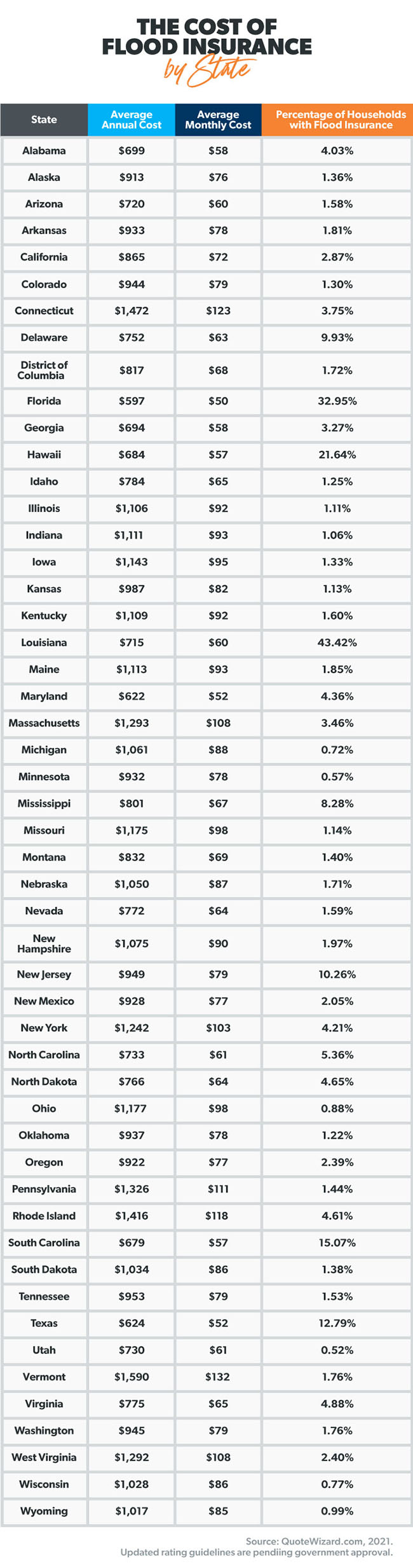
Understanding Florida’s Unique Flood Risk Landscape
Living in Florida means embracing a lifestyle intimately connected with water. From the sparkling shores of the Atlantic Ocean to the tranquil waters of the Gulf of Mexico, water defines the state’s natural beauty and recreational opportunities. However, this proximity also exposes residents to significant flood risks, making flood insurance an essential consideration for homeowners.
The Allure and Vulnerability of Coastal Living
Florida’s irresistible appeal often centers around its extensive coastline and low-lying topography. Cities like Miami, Tampa, and Jacksonville, along with countless smaller communities, are built close to water, making them susceptible to various forms of flooding. This includes storm surge from hurricanes and tropical storms, heavy rainfall leading to flash floods, and even rising sea levels contributing to nuisance flooding. The dream of a waterfront property or a home just a short drive from the beach comes with the inherent responsibility of understanding and mitigating these risks. Flood insurance is not just a regulatory requirement in many areas; it’s a prudent financial decision that safeguards a significant lifestyle investment against the unpredictable forces of nature. Without it, homeowners could face devastating, uninsured losses, severely impacting their financial stability and ability to rebuild their lives.
Navigating FEMA’s Flood Zones
A primary determinant of flood insurance costs in Florida is the property’s designated flood zone, as determined by the Federal Emergency Management Agency (FEMA). FEMA maps divide areas into different zones based on their risk of flooding, with premiums reflecting this risk level.
- High-Risk Zones (e.g., A, AE, AH, AO, V, VE): These are areas with a 1% or greater annual chance of flooding (also known as the 100-year flood plain). Properties in these zones with federally backed mortgages are typically required to have flood insurance. Category VE zones, in particular, denote coastal areas with additional hazards from storm surges and high-velocity waves, often resulting in the highest premiums.
- Moderate-to-Low Risk Zones (e.g., B, C, X): These areas have a lower, but not zero, risk of flooding. While insurance may not be federally mandated, it is highly recommended. Many flood claims, in fact, originate from these supposedly lower-risk areas, underscoring that no location is entirely immune to flooding. Category X zones represent areas of minimal flood hazard.
Understanding your home’s flood zone is the first crucial step in assessing potential insurance costs and making informed lifestyle and financial decisions about homeownership in Florida. You can typically find this information through local government planning departments or FEMA’s online flood map service.
The Role of Climate Change in Rising Premiums
Beyond immediate flood zone designations, the broader specter of climate change is increasingly influencing flood insurance costs across Florida. Rising sea levels, coupled with more intense and frequent extreme weather events, are elevating the overall risk profile of the state. Insurers, both public and private, are adjusting their models and pricing to reflect these new realities. This means that even properties in historically lower-risk areas may see their premiums increase as the cumulative risk across the region grows. For homeowners, this translates into a need for continuous vigilance and adaptation, integrating potential future premium hikes into their long-term financial planning for a Florida lifestyle. It underscores the importance of staying informed about environmental changes and their potential impact on property values and living expenses.
Deconstructing Flood Insurance Costs: Key Factors at Play
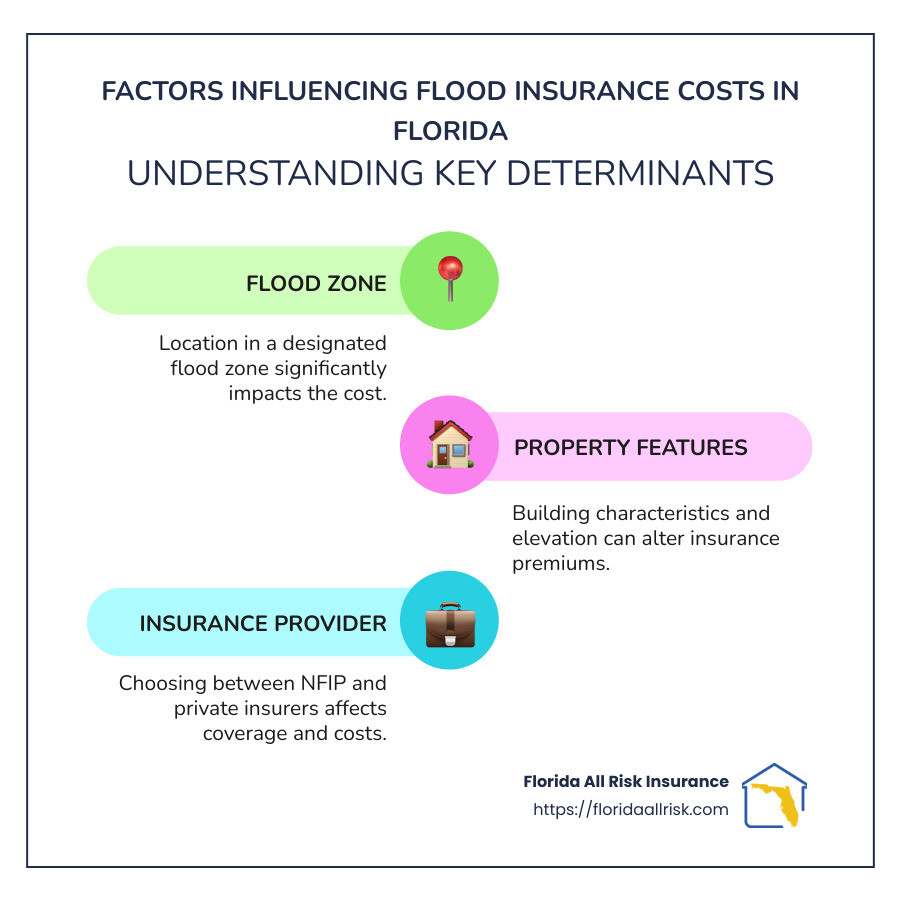
While flood zones provide a baseline, the actual cost of flood insurance in Florida is a highly individualized figure, shaped by a multitude of property-specific and policy-related variables. Understanding these factors is key to demystifying your premium.
Property Characteristics and Elevation
The physical attributes of your home play a monumental role in determining your flood insurance rate. The most significant factor is the property’s elevation relative to the Base Flood Elevation (BFE) established by FEMA for a given flood zone.
- Elevation Certificate: For properties in high-risk flood zones, an Elevation Certificate is often required. This document, prepared by a licensed surveyor, details the lowest floor elevation of your home. If your lowest floor is built above the BFE, your premium will generally be lower. Conversely, homes built below the BFE will typically incur higher costs due to the increased flood risk.
- Construction Type and Foundation: The type of foundation (slab, crawl space, pilings) and construction materials can also influence rates. Homes built on elevated foundations, such as pilings or piers, often receive more favorable rates, especially in Category VE zones, as they are less susceptible to flood damage.
- Age and Design: Older homes built before modern flood plain management regulations were in place may face higher premiums if they are not elevated or flood-proofed to current standards. Newer homes designed with flood resilience in mind often benefit from lower rates.
Policy Types: NFIP vs. Private Insurance
In Florida, homeowners have two primary avenues for obtaining flood insurance: the National Flood Insurance Program (NFIP), managed by FEMA, and the growing private flood insurance market.
- National Flood Insurance Program (NFIP): This is the most common option, offering standardized policies. Rates are determined by FEMA’s Risk Rating 2.0 system, which aims to provide more equitable and accurate pricing based on individual property risk rather than just flood zone. While the NFIP ensures coverage availability, its maximum coverage limits might not always suffice for high-value properties or extensive contents.
- Private Flood Insurance Market: The private market has expanded significantly in Florida in recent years, often offering competitive alternatives to the NFIP. Private policies can sometimes provide higher coverage limits, broader coverage options (e.g., for additional living expenses), and in some cases, lower premiums, particularly for properties with lower perceived risk or specific mitigation measures. However, private policies are not federally backed and terms can vary significantly between providers. Comparing both options is crucial for securing the best coverage for your lifestyle needs.
Deductibles and Coverage Limits: Balancing Protection and Cost
Like other forms of insurance, flood insurance premiums are also influenced by your chosen deductible and coverage limits.
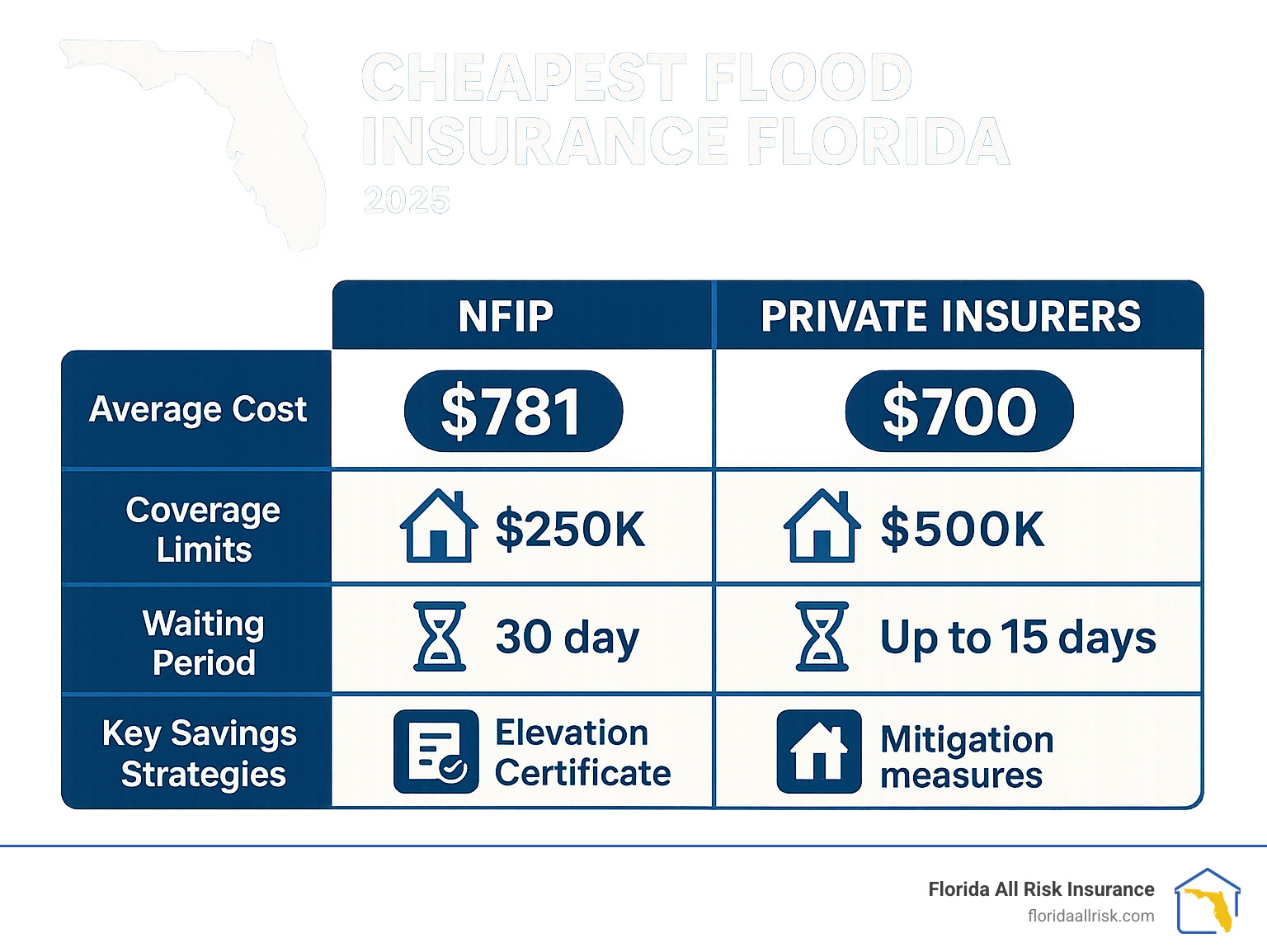
- Deductibles: Opting for a higher deductible (the amount you pay out-of-pocket before insurance kicks in) will generally result in a lower annual premium. However, it means you’ll bear a larger financial burden in the event of a flood. Carefully consider your financial capacity to cover a higher deductible before making this choice.
- Coverage Limits: The amount of coverage you purchase for your building and its contents directly impacts the premium. The NFIP offers up to $250,000 for building coverage and $100,000 for contents. If your home’s value or the value of its contents exceeds these limits, you’ll need to consider purchasing excess flood insurance, typically through the private market, to fully protect your investment and lifestyle. It’s vital to insure your property adequately to avoid being underinsured, which can lead to significant financial strain after a flood event.
Strategic Approaches to Mitigating Flood Insurance Expenses
While flood insurance is a necessary expense for many in Florida, there are proactive steps homeowners can take to potentially reduce their premiums and enhance their property’s resilience. These strategies are not just about saving money; they are about adopting a responsible and sustainable lifestyle in a flood-prone region.
Elevating and Flood-Proofing Your Home
One of the most effective ways to lower flood insurance premiums and protect your property is through physical mitigation measures.
- Elevation: For homes in high-risk zones, elevating the structure above the Base Flood Elevation (BFE) is paramount. This can involve raising the entire house on pilings, piers, or solid foundations. Even a few feet can make a substantial difference in reducing flood risk and, consequently, insurance costs. For new construction, adhering to and exceeding BFE requirements is standard practice.
- Flood-Proofing: For existing structures, especially those with basements or crawl spaces, flood-proofing techniques can be employed. This might include installing flood vents, using watertight shields for doors and windows, or even implementing “dry flood-proofing” which involves sealing building walls with waterproofing compounds and installing pumps. While these methods can be costly upfront, the long-term savings on premiums and the added protection can make them a worthwhile lifestyle investment. Always consult with qualified professionals for these complex projects to ensure compliance with local building codes and flood plain regulations.
Exploring Community Rating System (CRS) Discounts
Many communities in Florida participate in FEMA’s Community Rating System (CRS). The CRS is a voluntary program that recognizes and encourages community flood plain management activities that exceed the minimum requirements of the NFIP.
- How it Works: For every activity a community implements to reduce flood risk (e.g., preserving open space, enforcing higher regulatory standards, providing flood protection information), points are awarded. These points translate into discounts on NFIP flood insurance premiums for policyholders within that community. Discounts can range from 5% to 45%.
- Checking Your Community’s Status: Homeowners should inquire with their local flood plain manager or insurance agent about their community’s CRS rating. Living in a highly-rated CRS community can significantly reduce your annual flood insurance outlay, making it an attractive consideration for those choosing where to live in Florida.
The Importance of Shopping Around and Professional Guidance
Given the complexities of flood insurance in Florida, relying on a single quote or limited information can be a costly mistake.
- Compare NFIP and Private Options: Always obtain quotes from both the NFIP and multiple private flood insurance providers. The private market is highly competitive, and what might be an expensive premium with one insurer could be more affordable with another, depending on their risk assessment models and target markets.
- Work with an Experienced Agent: An independent insurance agent specializing in Florida flood insurance can be an invaluable resource. They can help you understand your flood risk, interpret Elevation Certificates, compare NFIP vs. private policies, and identify potential discounts. Their expertise can save you time, money, and provide the assurance that you have comprehensive coverage tailored to your specific lifestyle needs and property.
The Lifestyle Impact: Financial Planning and Peace of Mind
Understanding flood insurance costs in Florida is more than just a line item on a budget; it’s a foundational element of responsible homeownership and a secure lifestyle in a region defined by its unique environmental challenges. Integrating this knowledge into your financial planning provides not only protection but also invaluable peace of mind.
Budgeting for Homeownership in High-Risk Areas
For those embracing the Florida lifestyle, especially in coastal or low-lying regions, flood insurance premiums must be factored into the overall cost of homeownership. Unlike standard homeowners’ insurance, flood insurance is often a separate policy, and its cost can be substantial, particularly in high-risk zones. Overlooking or underestimating this expense can lead to significant financial strain down the line. It’s prudent to account for annual premiums, potential increases, and the cost of any necessary mitigation measures when assessing the affordability of a property. A comprehensive financial plan for a Florida home should include not just mortgage, property taxes, and standard insurance, but also a realistic allocation for flood protection.
Protecting Your Investment and Future
For many, a home in Florida represents a significant financial investment, whether it’s a primary residence, a retirement haven, or a vacation rental property. A single flood event can cause tens of thousands, or even hundreds of thousands, of dollars in damage, often not covered by standard homeowners’ policies. Without flood insurance, rebuilding or repairing your property after a flood would fall entirely on your shoulders, potentially bankrupting you or forcing you to abandon your investment. Securing adequate flood insurance is therefore not just about complying with regulations; it’s a fundamental act of protecting your asset, your financial future, and the lifestyle you’ve built or envision in Florida. It ensures that your dream home doesn’t become a financial nightmare.
Making Informed Decisions for a Secure Florida Lifestyle
The journey to understanding “How much does flood insurance cost in Florida?” culminates in the ability to make informed decisions that support a secure and sustainable lifestyle. This involves:
- Due Diligence: Thoroughly researching a property’s flood risk and insurance requirements before purchase.
- Proactive Mitigation: Investing in flood-resistant improvements that not only protect your home but also reduce long-term costs.
- Regular Review: Annually reviewing your policy, flood zone status, and market options to ensure you have the best coverage at the most competitive rate.
- Awareness: Staying informed about local flood plain management efforts and broader climate trends that could impact your risk and premiums.
By embracing a proactive approach to flood insurance, Florida residents can continue to enjoy the unparalleled beauty and vibrant lifestyle the state offers, confident in the knowledge that they are well-prepared for its unique environmental challenges. This foresight transforms a potential vulnerability into a manageable aspect of life in paradise.