
Navigating the practicalities of daily life in a new state often involves understanding a myriad of administrative processes and associated costs. For anyone moving to or establishing residency in the Sunshine State, one of the most fundamental requirements is obtaining a Florida license plate for their vehicle. This isn’t merely a formality; it’s a crucial step in integrating into the local lifestyle, ensuring compliance with state laws, and budgeting for the necessary expenses. Understanding the costs involved, from initial registration fees to annual renewals and specialty plate options, is essential for a smooth transition and effective financial planning. This comprehensive guide aims to demystify the expenses associated with a Florida license plate, offering insights into the various factors that influence the final price tag and how to budget for them effectively.

Understanding the Basics of Florida Vehicle Registration
Before diving into the specifics of costs, it’s important to grasp the foundational aspects of vehicle registration in Florida. This process is managed by the Florida Department of Highway Safety and Motor Vehicles (DHSMV) and executed through local Tax Collector’s Offices across the state. The requirement for a Florida license plate applies to most vehicles operated on public roads, and the fees collected contribute to various state services, including road maintenance and public safety initiatives.
Who Needs a Florida License Plate?
Generally, any person who establishes residency in Florida and owns a vehicle must register that vehicle within 10 days of becoming a resident. Establishing residency can be triggered by several factors, such as gaining employment in the state, enrolling children in public school, applying for a Florida driver’s license, or filing for homestead exemption. Even if you maintain residency in another state but will be staying in Florida for an extended period (usually more than 90 consecutive days), you might be required to register your vehicle. This requirement ensures that all vehicles operating within the state are properly documented, insured, and contributing their share to the state’s infrastructure.
Key Components of Vehicle Registration Costs
The total cost for a Florida license plate isn’t a single flat fee; rather, it’s an amalgamation of several distinct charges. These typically include:
- Initial Registration Fee: This is often the largest one-time fee for new residents or when registering a vehicle for the first time in Florida.
- License Plate Fee: The cost for the physical license plate itself.
- Annual Renewal Fee: A recurring charge to keep your registration current.
- Title Fee: Paid when a vehicle’s ownership is transferred or a new title is issued.
- Sales Tax: While not directly a license plate fee, sales tax on the vehicle purchase is often paid concurrently with registration at the Tax Collector’s Office.
- Specialty Plate Fees: Additional charges if you opt for a specialized design.
- Weight and Vehicle Type Fees: Charges can vary based on the vehicle’s weight and class (e.g., passenger car, truck, motorcycle).
Understanding these components is crucial for budgeting, as the cumulative cost can be significantly higher than many anticipate, particularly for those new to the state. Each fee serves a specific purpose, from funding state services to supporting charitable causes through specialty plate programs.
Deconstructing the Costs: Fees and Taxes
The exact amount you’ll pay for a Florida license plate is highly variable, influenced by factors such as whether you’re a new resident, the type and weight of your vehicle, and your choice of license plate. Breaking down these costs helps in preparing for the financial outlay.
Initial Registration Fees for New Residents
This is where new Florida residents often encounter the most significant upfront cost. When registering a vehicle that has never been titled in Florida before, a one-time “initial registration fee” (also known as the “new resident fee”) of $225 is typically assessed. This fee is in addition to other standard registration fees and the cost of the plate itself. It’s a non-recurring fee designed to help offset the administrative burden and infrastructure costs associated with new vehicle introductions to the state’s system. While it can seem substantial, it’s a one-time charge you won’t face during subsequent annual renewals.
Annual Renewal Fees
After the initial registration, vehicles require annual renewal. The cost for a standard annual renewal varies but typically ranges from $30 to $45 for a passenger vehicle, depending on its weight. For example, vehicles weighing less than 2,500 pounds might incur a fee around $32.50, while those between 3,500 and 4,499 pounds could be around $46.50. These fees are subject to change and may include additional small surcharges. Motorcycle renewals are generally lower, often around $25. These annual fees are essential for keeping your vehicle’s registration current and ensuring you remain compliant with state law. Failure to renew on time can result in late fees and potential legal penalties.
Plate Transfer and Specialty Plate Options
- Plate Transfers: If you’re purchasing a new vehicle in Florida and wish to transfer an existing Florida license plate from a vehicle you’ve sold or traded in, there’s usually a transfer fee, which is relatively modest, often around $7.35. This can save you the cost of a new standard plate.
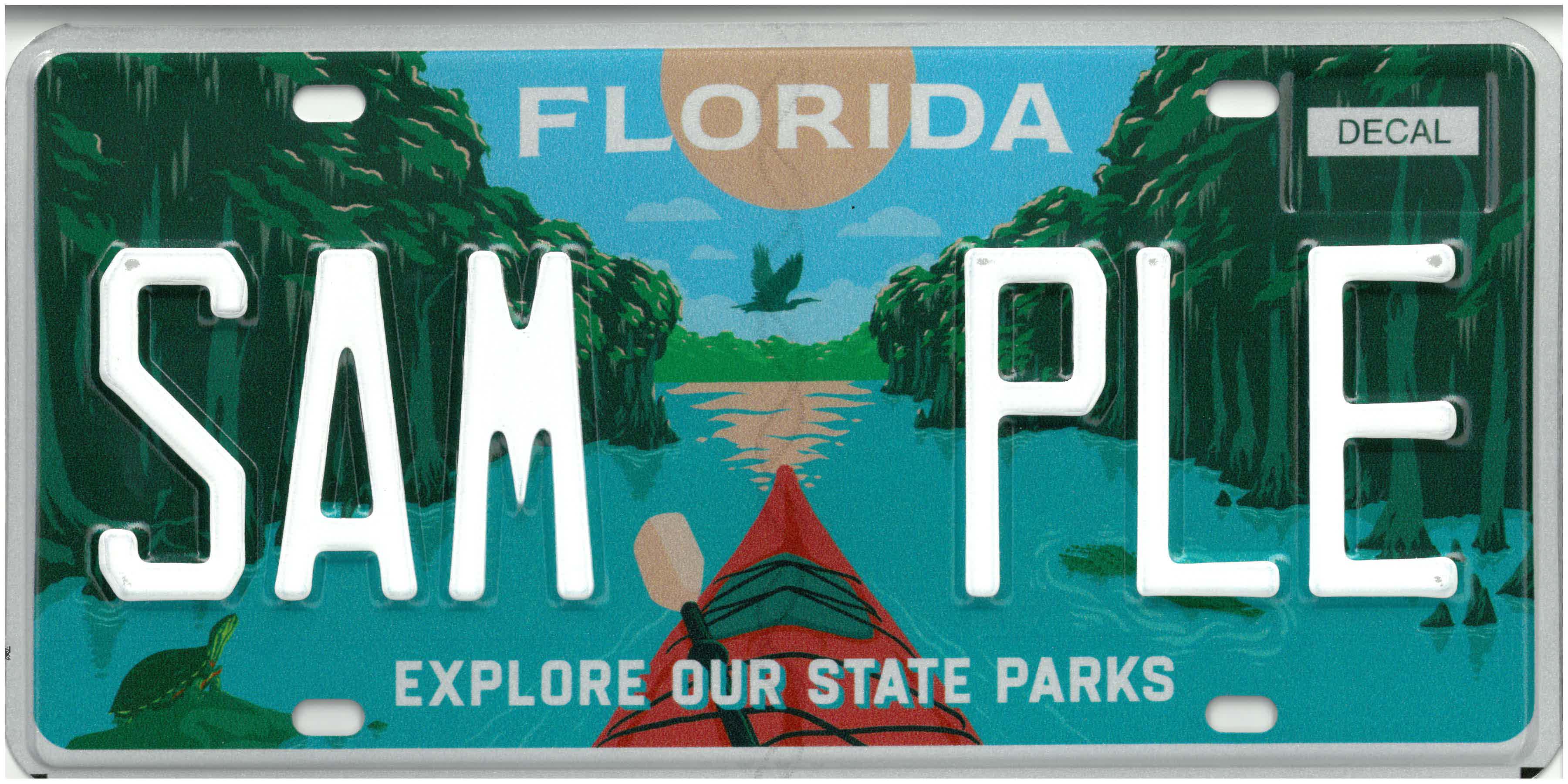
- Specialty Plates: Florida offers an extensive array of specialty license plates, supporting various causes, organizations, and colleges. These include plates for environmental conservation (like Save Our Seas or Protect the Manatee), sports teams, universities (Collegiate plates), and cultural institutions. Opting for a specialty plate incurs an additional annual fee, typically $25 to $35, which is added to your standard registration renewal cost. A significant portion of these fees goes directly to the organization or cause represented on the plate, making them a popular choice for those wanting to support specific initiatives. For instance, an Endless Summer plate might cost you an extra $25 each year, benefiting surfing-related causes.
Sales Tax Considerations
While separate from the license plate fees, sales tax is a significant financial consideration when acquiring a vehicle in Florida, and it’s often paid at the Tax Collector’s Office when you register your vehicle. Florida state sales tax on vehicles is 6% of the purchase price. Additionally, some counties levy a discretionary sales surtax, which can add up to 1.5% to the total, depending on the county (e.g., Miami-Dade has a 1% surtax, making the total sales tax 7%). If you are moving from out-of-state and have already paid sales tax on your vehicle in another state, Florida may offer a credit for the tax paid, provided it was at least 6%. If the previous state’s tax was less than 6%, you would typically pay the difference. This can be a substantial cost, so factoring it into your vehicle acquisition and registration budget is critical.
The Process of Obtaining Your Florida License Plate
Understanding the costs is one thing; navigating the actual process is another. The procedure for obtaining your Florida license plate and registration is straightforward but requires specific documentation and a visit to a local government office.
Required Documentation
To streamline the process, gather all necessary documents before your visit. These typically include:
- Proof of Identity: A valid driver’s license (preferably your new Florida driver’s license).
- Proof of Ownership: The original vehicle title. If the title is held by an out-of-state lienholder, you will need to provide the full name and address of the lienholder and your account number.
- Proof of Florida Insurance: Minimum coverage required includes Personal Injury Protection (PIP) of $10,000 and Property Damage Liability (PDL) of $10,000.
- Vehicle Identification Number (VIN) Verification: For out-of-state vehicles, a VIN verification is required. This can be done by a Florida notary, a licensed car dealer, or law enforcement. Many Tax Collector’s Offices can perform this on-site.
- Odometer Reading: Required for vehicles less than 10 years old.
- Payment: Be prepared to pay all fees (initial registration, plate, title, sales tax) by cash, check, or credit/debit card.
Having these documents organized will significantly speed up your visit to the Tax Collector’s Office.
Where to Go: Local Tax Collector’s Offices
Vehicle registration and license plate issuance are handled by local Tax Collector’s Offices, not directly by the Florida Department of Highway Safety and Motor Vehicles. Each county in Florida has one or more Tax Collector’s Office branches. You should visit the office in the county where you reside. For example, if you live in Hillsborough County, you’d visit a Hillsborough County Tax Collector’s Office. These offices are typically open during standard business hours, but it’s advisable to check their specific operating hours and whether appointments are recommended or required, especially during peak times. Many offices also offer online queuing systems or appointment scheduling to minimize wait times.
Online and Mail-in Options
While initial registration for out-of-state vehicles generally requires an in-person visit due to the VIN verification and title transfer process, subsequent annual renewals can often be completed online or via mail. The Florida Department of Highway Safety and Motor Vehicles website provides a convenient online renewal portal where you can update your registration and pay fees using a credit card. You’ll typically receive your renewed registration and sticker by mail within a few business days. Similarly, many Tax Collector’s Offices offer mail-in renewal options. These methods provide flexibility and save time for busy individuals, making annual compliance much easier once the initial hurdle is cleared.
Navigating Common Scenarios and Potential Savings
Understanding the standard procedures is crucial, but recognizing how specific situations impact your license plate costs can lead to better budgeting and prevent surprises. Whether you’re transferring an out-of-state vehicle or buying a used car within Florida, there are specific considerations.
Out-of-State Transfers
As mentioned, new Florida residents bringing a vehicle from another state will face the $225 initial registration fee. Beyond that, the process involves surrendering your out-of-state title, undergoing a VIN verification, and providing proof of Florida insurance. If your out-of-state title has a lienholder, the Florida Tax Collector will contact them directly to request the title. This can add a few weeks to the process of receiving your Florida title, but you will still receive your new license plate and registration immediately once all fees are paid and documents submitted. Always check if you are eligible for a sales tax credit if you paid sales tax in your previous state.
Buying a Used Car in Florida
When purchasing a used vehicle from a private seller in Florida, the process is slightly different. You will need the properly endorsed title from the seller, proof of Florida insurance, and funds for the sales tax and title transfer fees. If you don’t have an existing Florida plate to transfer, you will pay for a new standard plate. The $225 initial registration fee typically does not apply if the vehicle has previously been titled in Florida, assuming you are not the first owner of a brand-new vehicle in the state. However, if the vehicle hasn’t been registered in Florida before (e.g., it was just brought in from another state by the seller), the $225 fee might still apply to you as the first Florida registrant. Always clarify this with the Tax Collector’s Office.
Tips for Budgeting and Avoiding Penalties
- Plan Ahead: Factor in the initial registration fee, sales tax, and title fees when budgeting for your move or vehicle purchase. These can add up quickly.
- Don’t Procrastinate: Register your vehicle within the 10-day window after establishing residency to avoid late fees and potential citations.
- Keep Insurance Current: Florida requires continuous vehicle insurance coverage. Lapses can lead to license suspension and fines, making it impossible to renew your registration.
- Set Reminders: Mark your calendar for annual renewal dates. Many Tax Collector’s Offices send reminders, but it’s good practice to have your own system.
- Utilize Online Resources: The Florida Department of Highway Safety and Motor Vehicles website and your county Tax Collector’s Office website are invaluable resources for current fees, required documents, and office locations.
By being proactive and informed, you can minimize unforeseen expenses and ensure a smooth vehicle registration experience, allowing you to enjoy your Florida lifestyle without unnecessary administrative headaches.
Beyond the Standard: Specialty Plates and Their Impact
While a standard Florida license plate serves its primary function, the state offers a vibrant alternative in the form of specialty plates. These aren’t just decorative; they represent a unique aspect of Florida lifestyle, culture, and community involvement, allowing vehicle owners to express their individuality and support causes close to their hearts.
A Look at Florida’s Specialty Plate Programs
Florida boasts one of the most diverse selections of specialty license plates in the United States, with designs ranging from collegiate sports teams and professional organizations to environmental conservation efforts and military veterans. Each plate design typically supports a specific program or charity. For example, plates featuring symbols of the ocean might benefit marine research or coastal preservation, while university plates help fund scholarships and academic programs at institutions like the University of Florida or Florida State University. There are plates for various state parks, cultural institutions, and even specific animal rescue groups, reflecting the broad interests and values of Florida residents. The full list is extensive and continuously updated, making it easy for most individuals to find a plate that resonates with them.

The Added Costs and Benefits
Choosing a specialty plate comes with an additional annual fee, usually between $25 and $35, on top of the standard registration renewal fee. This fee is largely directed towards the specific cause or organization associated with the plate. While it represents an added expense, many Florida residents view it as a worthwhile contribution, allowing them to make a tangible difference in areas they care about. For example, an individual passionate about marine life might not hesitate to pay the extra fee for a Manatee protection plate, knowing their contribution directly aids conservation efforts.
The benefits extend beyond financial contributions. Specialty plates foster a sense of community and shared purpose. They serve as a visible declaration of support, sparking conversations and raising awareness for important causes. From showing pride in your alma mater to advocating for environmental protection, these plates integrate personal values into the everyday act of driving. They are a subtle yet impactful way to participate in the civic and cultural landscape of Florida, adding another layer to the diverse lifestyle choices available in the state. When considering your Florida license plate, exploring the specialty options can be a fulfilling way to personalize your vehicle and contribute to the community.
LifeOutOfTheBox is a participant in the Amazon Services LLC Associates Program, an affiliate advertising program designed to provide a means for sites to earn advertising fees by advertising and linking to Amazon.com. Amazon, the Amazon logo, AmazonSupply, and the AmazonSupply logo are trademarks of Amazon.com, Inc. or its affiliates. As an Amazon Associate we earn affiliate commissions from qualifying purchases.