
Navigating the vibrant real estate market of Florida to acquire your dream accommodation, be it a permanent residence, a seasonal retreat, or a lucrative vacation rental, involves understanding various financial and legal intricacies. Among these, title insurance stands as a pivotal component, often misunderstood but absolutely crucial for safeguarding your investment. This comprehensive guide will delve into the costs associated with title insurance in the Sunshine State, demystifying its purpose, pricing structure, and the critical role it plays in ensuring your peace of mind when securing property.
Understanding Title Insurance in Florida’s Accommodation Market
When you purchase a home, condo, or any form of accommodation in Florida, you’re not just buying bricks and mortar; you’re acquiring the legal right to that property. Title insurance is a specialized form of indemnity insurance that protects property owners and lenders against losses arising from defects in the title of a property. Unlike other insurance policies that cover future events, title insurance primarily guards against issues that occurred in the past, before your purchase.

What is Title Insurance and Why is it Essential for Homebuyers?
Before any property transaction closes, a thorough title search is conducted. This process involves examining public records, including deeds, mortgages, wills, divorce decrees, court judgments, and tax records, to ascertain the property’s legal ownership and identify any existing encumbrances. Despite the diligence of a title search, hidden defects can still emerge. These could include undisclosed heirs, forged documents, errors in public records, prior liens, easements, or other claims against the property that were not discovered during the search.
Without title insurance, if a past claim against your property’s title surfaces after you’ve closed, you could be responsible for the legal costs to defend your ownership, and potentially even lose your accommodation. Title insurance protects you from these unforeseen liabilities, covering legal expenses and financial losses up to the policy amount. It’s an indispensable safeguard for any individual or entity investing in Florida real estate.
The Unique Role of Title in Florida Real Estate Transactions
Florida’s booming real estate market, with its diverse range of accommodation options from beachfront condos in Miami to family homes in Orlando, makes sound title practices paramount. The state’s rapid development and frequent property turnovers mean that thorough title examination and robust title insurance are more critical than ever. The title process in Florida ensures that the seller has the legal right to transfer ownership and that the buyer receives a clear title, free from most past claims. This meticulous process facilitates smoother transactions and offers buyers confidence in their investment.
Owner’s vs. Lender’s Policy: Protecting Your Accommodation Investment
There are two primary types of title insurance policies, each serving a distinct purpose:
- Owner’s Policy: This policy protects the property buyer (you) for as long as you or your heirs own the property. It covers you against claims that challenge your ownership rights. The coverage amount is typically equal to the property’s purchase price. This policy is optional but highly recommended for all homebuyers, as it directly protects your equity and right to occupy your accommodation.
- Lender’s Policy: Also known as a Loan Policy, this policy protects the mortgage lender’s investment. It assures the lender that their lien on the property is valid and enforceable. Most lenders require this policy as a condition for granting a mortgage. The coverage amount typically matches the loan amount and diminishes as the loan is paid down.
While the lender’s policy safeguards the institution financing your accommodation, it does not protect your personal investment. Therefore, securing an owner’s policy is essential for comprehensive protection of your assets.
Deciphering the Cost Structure of Title Insurance in Florida
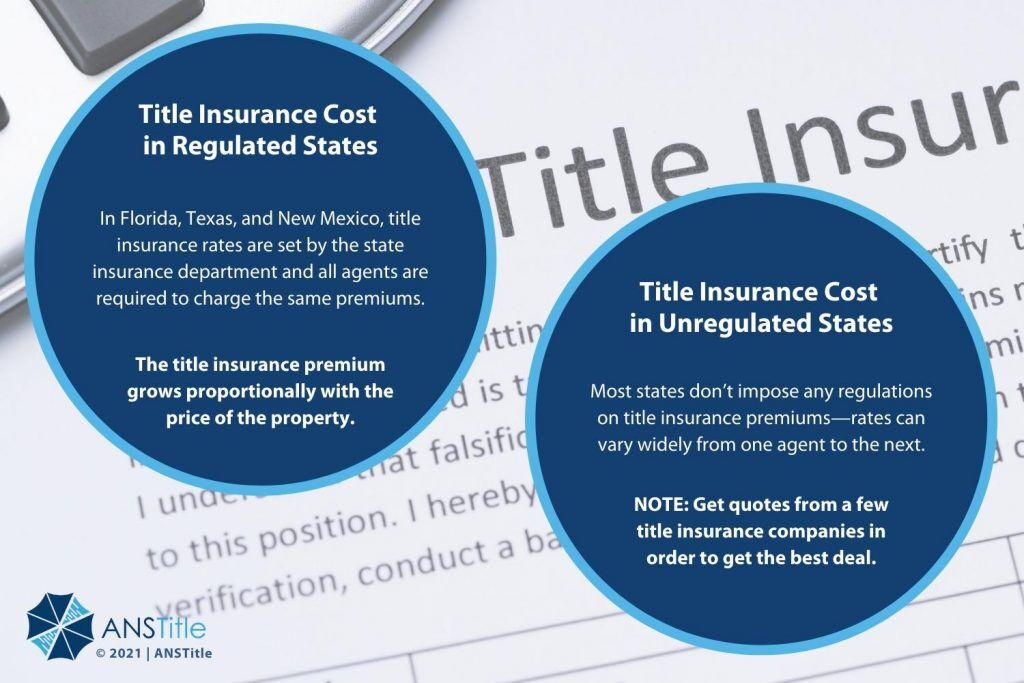
Understanding how title insurance costs are determined in Florida is vital for budgeting your property purchase. Unlike many other states where rates are negotiable, Florida has a unique system of “promulgated rates.”
Florida’s Promulgated Rate System: A Fair Approach
The cost of title insurance in Florida is regulated by the Florida Office of Insurance Regulation. This means that all title insurance companies charge the same base rate for a given transaction amount, preventing price gouging and ensuring fairness across the state. These rates are non-negotiable and apply uniformly, whether you’re buying a small condo or a luxury estate. This system ensures transparency and predictability for homebuyers.
Calculating the Owner’s Policy Premium
The premium for an owner’s title insurance policy in Florida is directly tied to the purchase price of the accommodation. The promulgated rate schedule is tiered, meaning the premium rate decreases incrementally as the value of the property increases.
Here’s a simplified example of Florida’s current promulgated rate structure (rates are subject to change, so always confirm current figures):
- $5.75 per $1,000 of coverage for the first $100,000 of the purchase price.
- $5.00 per $1,000 of coverage for amounts between $100,000 and $1,000,000.
- Lower rates apply for values exceeding $1,000,000.
For instance, if you’re purchasing a home for $300,000:
- First $100,000: $100,000 / $1,000 * $5.75 = $575.00
- Remaining $200,000: $200,000 / $1,000 * $5.00 = $1,000.00
- Total Owner’s Policy Premium: $575.00 + $1,000.00 = $1,575.00
The lender’s policy premium is often significantly lower if issued concurrently with an owner’s policy, reflecting a reduced risk and administrative efficiency. Typically, it costs only a small flat fee (e.g., $25.00) if issued alongside an owner’s policy at the time of closing. If issued alone, it follows a similar rate structure to the owner’s policy but applies to the loan amount.
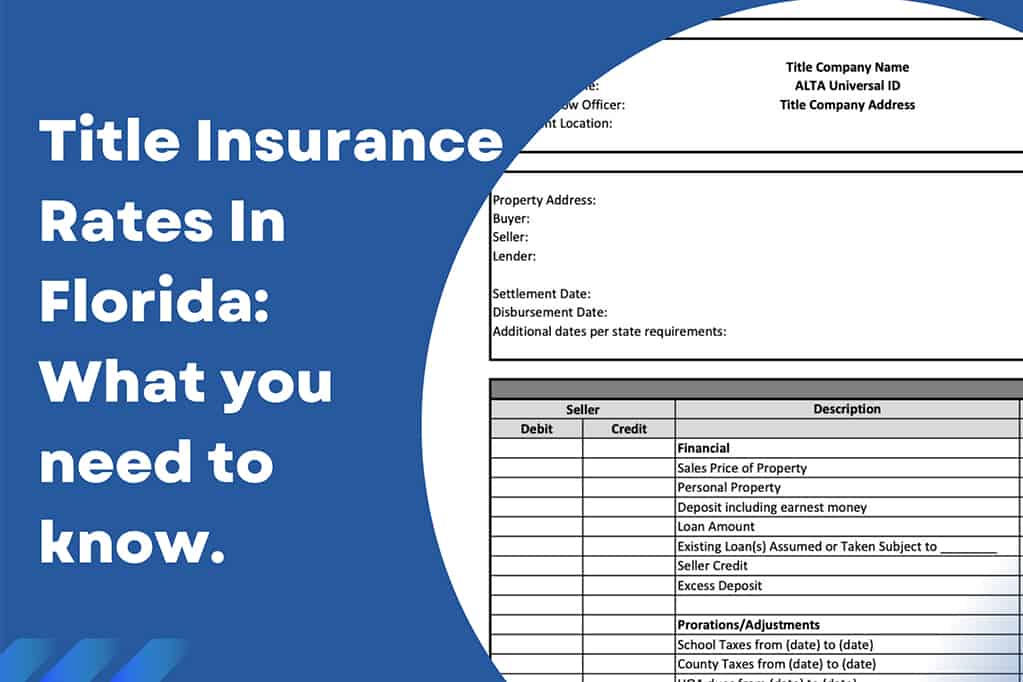
Additional Costs and Endorsements Affecting Your Total
While the base premium for title insurance is regulated, other fees associated with the title process are not and can vary between title companies. These may include:
- Title Search Fees: Costs associated with researching public records to establish a clear title.
- Closing/Settlement Fees: Charges for the administrative services provided by the title company to facilitate the closing of the transaction.
- Escrow Fees: Fees for holding funds and documents securely until all conditions of the sale are met.
- Recording Fees: Costs charged by the county to officially record the deed and mortgage.
- Endorsements: These are additions or modifications to a standard title insurance policy that provide extra coverage for specific risks. Common endorsements in Florida might include coverage for survey matters, condominium assessments, or revolving credit lines. Each endorsement adds to the overall cost, typically ranging from tens to hundreds of dollars depending on the specific coverage.
It’s crucial to request a detailed breakdown of all these charges from your title company to get a complete picture of your total title-related expenses.
Factors Influencing Title Insurance Expenses
Beyond the promulgated rates, several factors play a role in the total title insurance expense you’ll encounter when purchasing accommodation in Florida.
Purchase Price of the Accommodation Property
As detailed earlier, the most significant factor is the purchase price of the property. A higher purchase price directly translates to a higher base premium for the owner’s policy due to Florida’s tiered promulgated rate system. This means a luxury villa will incur a substantially higher title insurance cost than a modest starter home.
Location Within Florida: From Miami to Orlando
While the base rate of title insurance is statewide and regulated, the overall closing costs associated with title services can vary slightly depending on the specific county or region within Florida. This is primarily due to differing local recording fees, taxes, or the competitive landscape of title companies in areas like bustling Miami versus quieter, more rural parts of the state. However, the premium itself remains consistent.
Specifics of the Transaction and Property Type (Condo vs. Single-Family Home)
The type of property and the nature of the transaction can also influence additional costs. For instance, purchasing a condominium often requires specific endorsements related to homeowners’ association covenants, conditions, and restrictions (CC&Rs), or special assessments. Similarly, properties with complex ownership histories, recent construction, or those located in areas prone to specific environmental concerns (e.g., flood zones) might necessitate additional endorsements or a more extensive title search, leading to higher overall title-related fees. A new construction home might have different endorsement requirements than a resale property.
Who Pays for Title Insurance in Florida? Buyer or Seller?
One of the most frequently asked questions regarding title insurance in Florida pertains to who is responsible for paying the premiums. The answer often depends on local customs and negotiation.
The Traditional “Florida Custom” and its Evolution
Historically, a long-standing practice known as the “Florida Custom” dictated that the seller pays for the owner’s title insurance policy, while the buyer typically pays for the lender’s policy (if a mortgage is involved). This custom stems from the idea that the seller, by providing a clear title, is facilitating the sale of their accommodation.
However, it’s important to note that the “Florida Custom” is not a legal mandate. It is merely a common practice that can be, and often is, negotiated.
Negotiating Title Costs in Your Accommodation Purchase
In today’s dynamic real estate market, especially in competitive areas like Tampa or Jacksonville, who pays for title insurance is a point of negotiation between the buyer and seller.
- Seller’s Market: In a market where sellers have the upper hand, they might resist paying for the owner’s policy, shifting the responsibility to the buyer.
- Buyer’s Market: Conversely, in a buyer’s market, buyers have more leverage and can often negotiate for the seller to cover both the owner’s and even a portion of the lender’s policy.
- Mutual Agreement: Often, buyers and sellers will split the cost, or one party might cover the owner’s policy while the other covers the closing costs and endorsements.
It’s crucial to discuss and clarify these responsibilities early in the offer process and explicitly include them in the purchase agreement. Your real estate agent will be instrumental in guiding you through these negotiations.
Closing Costs Beyond the Title Insurance Premium
Beyond the title insurance premiums, buyers and sellers share various other closing costs. These can include appraisal fees, loan origination fees, survey costs, attorney fees, property taxes, and homeowners’ association dues (pro-rated). While the title insurance premium is a significant line item, it’s part of a larger sum of expenses that need to be factored into the overall cost of acquiring your Florida accommodation. A detailed closing disclosure will outline every fee and who is responsible for it.
Maximizing Value and Ensuring Peace of Mind in Your Florida Property Purchase
Investing in Florida real estate is a significant decision. Understanding title insurance and wisely navigating its costs can contribute significantly to the security and success of your accommodation purchase.
The Importance of a Reputable Title Company
Choosing an experienced and reputable title company is paramount. While title insurance premiums are regulated, the quality of service, the thoroughness of the title search, and the expertise in handling complex issues can vary widely. A good title company will proactively identify potential title defects, communicate clearly throughout the process, and ensure a smooth and timely closing. They act as a neutral third party, managing the escrow funds and facilitating the legal transfer of ownership.
Reviewing Your Title Commitment: A Key Step
Before closing on your Florida accommodation, you will receive a “Title Commitment” document. This is not the actual policy but a promise to issue a policy, outlining the conditions that must be met before the policy is issued and detailing any exceptions or encumbrances found during the title search. It’s critical to review this document carefully, ideally with legal counsel or your real estate agent, to understand any potential issues with the property’s title and ensure they are resolved before you take ownership.
Long-Term Security for Your Florida Home or Vacation Rental
Ultimately, title insurance is an investment in the long-term security of your Florida property. By understanding how much it costs, who typically pays, and what it covers, you empower yourself to make informed decisions. It provides an enduring layer of protection against historical claims, ensuring that your right to enjoy your newly acquired accommodation remains unchallenged, offering invaluable peace of mind for decades to come. Whether you’re purchasing a permanent residence in Orlando, a retirement home in Tampa, or a vacation rental on the coast, title insurance is the bedrock of secure property ownership in Florida.
LifeOutOfTheBox is a participant in the Amazon Services LLC Associates Program, an affiliate advertising program designed to provide a means for sites to earn advertising fees by advertising and linking to Amazon.com. Amazon, the Amazon logo, AmazonSupply, and the AmazonSupply logo are trademarks of Amazon.com, Inc. or its affiliates. As an Amazon Associate we earn affiliate commissions from qualifying purchases.