
Securing a long-term home in Florida is a dream for many, offering sunshine, vibrant communities, and a unique lifestyle. For those who choose to make the Sunshine State their permanent residence, understanding and applying for the Florida Homestead Exemption is not just a benefit—it’s a fundamental aspect of intelligent long-term accommodation planning. This exemption serves as a cornerstone for property owners, significantly reducing their tax burden and contributing to the stability and affordability of calling Florida home. It represents a tangible advantage for permanent residents, ensuring that the cost of maintaining your primary accommodation remains manageable.
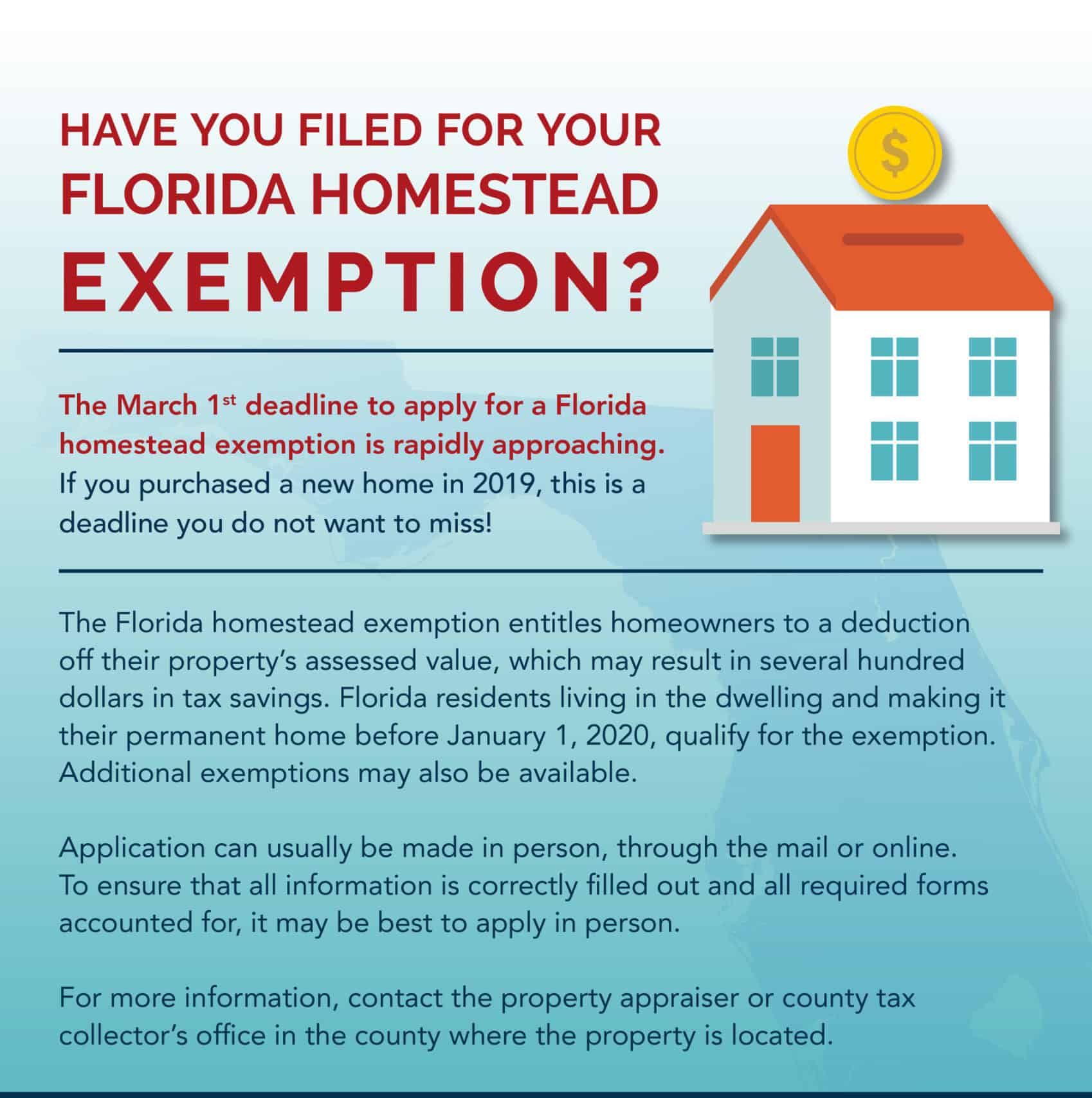
The concept of a homestead is deeply rooted in Florida law, designed to protect homeowners from certain creditors and, crucially, to provide a property tax exemption on their primary residence. For anyone looking to establish a stable, enduring presence in Florida, navigating the application process for this exemption is a vital step. This guide will walk you through the intricacies of the Florida Homestead Exemption, focusing on who qualifies, how to apply, and what it means for your long-term accommodation strategy in the state. By understanding these provisions, homeowners can unlock substantial savings and enjoy greater peace of mind in their Florida homes.
Understanding the Florida Homestead Exemption for Long-Term Accommodation
The Florida Homestead Exemption is a pivotal benefit for property owners who designate a dwelling as their permanent residence. It’s a key component in making long-term accommodation in Florida more financially viable and secure.
What is Homestead Exemption?
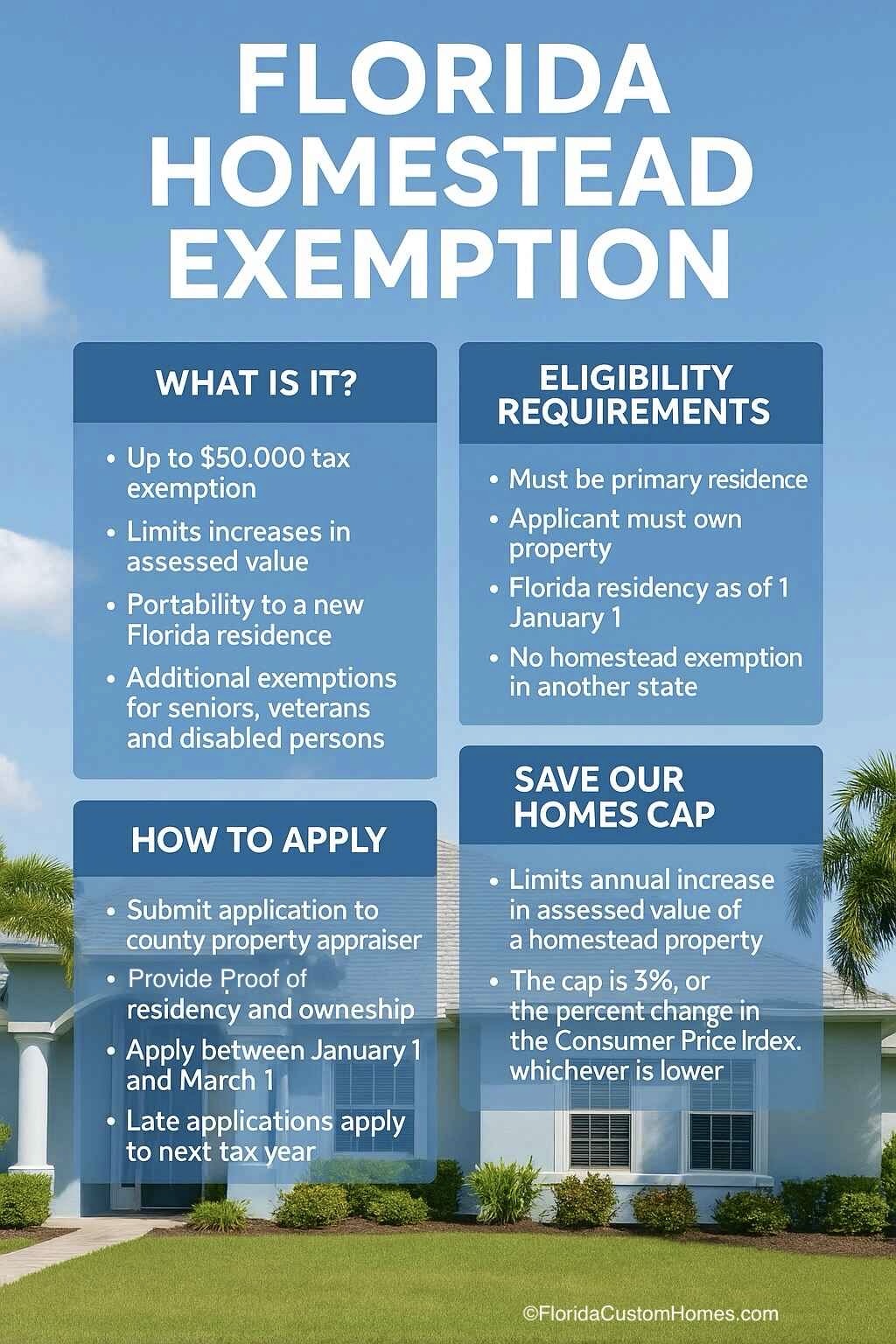
At its core, the Homestead Exemption is a provision in Florida law that allows permanent residents to reduce the taxable value of their primary residence by up to $50,000. This reduction directly translates into lower property taxes, making homeownership in Florida more affordable. For instance, the first $25,000 of the exemption applies to all taxing authorities, including school districts, while an additional $25,000 applies to non-school taxes for properties with an assessed value greater than $50,000. Beyond the tax savings, the homestead status offers crucial protection against forced sale by most creditors, further safeguarding your long-term accommodation. This dual benefit—tax relief and asset protection—underscores the importance of securing this exemption for your Florida home. It is a declaration of your intention to make a property your enduring place of residence, a commitment that the state reciprocates with significant financial advantages and security measures.
Why it Matters for Your Permanent Residency in Florida
The Homestead Exemption is more than just a tax break; it’s an affirmation of your permanent commitment to Florida as your home. For those establishing long-term accommodation, it offers predictability and stability in housing costs. Property taxes can be a significant ongoing expense, and the exemption substantially mitigates this burden, allowing homeowners to allocate their resources elsewhere, whether to home improvements, retirement savings, or local economic contributions. Furthermore, the “Save Our Homes” amendment, tied directly to the homestead exemption, limits the annual increase in the assessed value of homesteaded properties to 3% or the Consumer Price Index (CPI), whichever is lower. This cap is incredibly valuable in a dynamic real estate market like Florida, protecting long-term residents from drastic spikes in property taxes and ensuring their accommodation costs remain relatively stable over time. Without this protection, rapid increases in property values could make even long-established homes unaffordable, jeopardizing permanent residency.
The Financial Advantage for Long-Term Homeowners
The financial impact of the Homestead Exemption on long-term homeowners in Florida cannot be overstated. By reducing the taxable value of your home, the exemption directly lowers your annual property tax bill. Over years, these savings accumulate, representing tens of thousands of dollars that remain in the homeowner’s pocket. This is particularly beneficial for retirees or individuals on fixed incomes who seek stable, affordable long-term accommodation. The additional protections, such as the Save Our Homes amendment, provide a shield against market volatility, ensuring that as property values rise, your tax bill does not skyrocket in tandem. This long-term financial security is a cornerstone for sustainable homeownership in Florida, enabling residents to plan for their futures with greater confidence regarding their accommodation expenses. It also enhances the overall value proposition of owning a home in Florida, making it an attractive option for those seeking a permanent change of scenery and a stable place to live.
Eligibility Requirements for Securing Your Permanent Florida Home
To qualify for the Florida Homestead Exemption, applicants must meet specific criteria that firmly establish their property as their primary, long-term accommodation. Adhering to these requirements is crucial for a successful application.
Residency and Ownership Criteria
The fundamental requirement for the Homestead Exemption is that the property must be owned by the applicant (or jointly owned) and serve as their permanent primary residence as of January 1st of the year for which the exemption is sought. This means that if you plan to move to Florida and claim the exemption for the upcoming year, you must be residing in the property as your primary home by January 1st. Ownership can be in fee simple, a life estate, or certain leasehold interests, but the key is that you must have a legal interest in the property. You cannot claim the exemption on rental properties or secondary homes. Furthermore, you can only claim one homestead exemption in Florida (or anywhere else for that matter). If you own multiple properties, only the one you genuinely occupy as your primary, permanent accommodation will qualify. The property must also be a dwelling, which can include a house, a condominium, a mobile home, or even a cooperative apartment, provided it meets the residency and ownership tests.
Establishing Primary Residence
Proving that a property is your primary residence goes beyond merely living there. Florida property appraisers look for objective evidence that signifies your intent to make the property your permanent, long-term accommodation. This includes, but is not limited to:
- Florida Driver’s License: This is a strong indicator of residency.
- Florida Voter Registration: Registering to vote in Florida shows intent.
- Declaration of Domicile: Filing a formal Declaration of Domicile in Florida is highly recommended.
- Vehicle Registration: Registering your vehicles in Florida.
- Employment or Business Ties: Proof of local employment or business activities.
- Bank Accounts: Moving primary banking relationships to Florida.
- Federal Income Tax Returns: Not claiming residency in another state on your federal tax returns.
- Absence of Homestead Exemption in another state: You cannot claim a similar exemption in another state.
The more of these ties you establish with Florida, the clearer your intent to maintain a permanent residence becomes. This evidence helps confirm that the property is truly your long-term accommodation and not just a seasonal or vacation home. The cumulative weight of these indicators solidifies your claim and streamlines the approval process for your homestead exemption.
Exclusions and Special Cases
While the Homestead Exemption offers broad benefits, there are certain exclusions and special considerations. For instance, you cannot claim the exemption on income-producing properties where you do not reside, or on vacant land. If you own multiple homes, only one can be your homestead. Special cases include properties held in trusts or by multiple owners. In such scenarios, the eligibility might depend on the specific type of trust or the nature of co-ownership. For example, if a property is held in a revocable living trust, the beneficial owner who occupies the property as their primary residence can typically still claim the exemption. However, it is always advisable to consult with a legal professional or the local Property Appraiser’s office if your ownership structure is complex, to ensure compliance and avoid any delays in securing your long-term accommodation benefits. Additionally, certain groups may qualify for additional exemptions beyond the standard homestead, such as veterans with disabilities, surviving spouses of first responders, and individuals who are legally blind or totally and permanently disabled. These additional exemptions further reduce the taxable value of their Florida home, offering even greater financial relief for long-term residents with specific needs.
The Application Process: Steps to Claiming Your Florida Homestead Benefit
Applying for the Florida Homestead Exemption is a straightforward process, but it requires careful attention to deadlines and documentation. Following these steps ensures a smooth path to securing your long-term accommodation benefits.
Gathering Essential Documentation
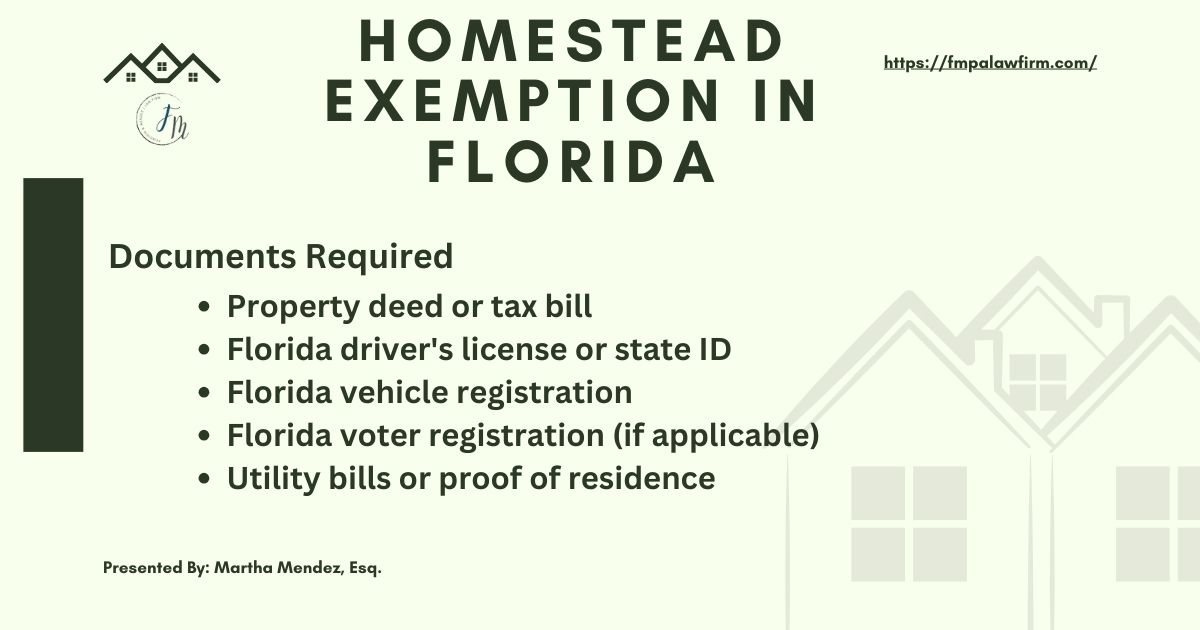
Before you even begin the application, ensure you have all necessary documents ready. The exact requirements may vary slightly by county, but generally, you will need:
- Proof of Ownership: A copy of your deed or other official document showing ownership of the property.
- Proof of Florida Residency: This includes your Florida driver’s license (or Florida ID card if you don’t drive), Florida voter registration card, and vehicle registration.
- Social Security Numbers: For all owners listed on the deed who will be claiming the exemption.
- Declaration of Domicile: While not always mandatory, filing this document strengthens your claim of permanent residency.
- Federal Income Tax Returns: Sometimes requested to confirm you are not claiming primary residence in another state.
- Marriage Certificate: If you are claiming a spouse’s exemption or joint ownership benefits.
- Trust Documents: If the property is held in a trust, the relevant trust documents proving beneficial ownership.
Having these documents organized and readily accessible will expedite your application for a stable, long-term accommodation status. It’s imperative to ensure that all names on these documents match the name on the property deed, to prevent any discrepancies that could delay the process.
Where and When to Apply
The application for the Homestead Exemption is filed with the Property Appraiser’s Office in the county where your property is located. Each Florida county has its own Property Appraiser, and their websites typically provide downloadable forms and detailed instructions. The critical deadline for filing is March 1st of the tax year for which you are seeking the exemption. For example, if you want the exemption for taxes due in 2025, you must apply by March 1, 2025, provided you owned and occupied the property as your primary residence on January 1, 2025. While the deadline is March 1st, it is highly recommended to apply as soon as possible after January 1st to allow ample time for any corrections or additional documentation requests. Late applications may be considered in some circumstances up to a certain date in the year, but this is not guaranteed, and missing the primary deadline could mean missing out on significant tax savings for your long-term accommodation.
Navigating the Application Form
The Homestead Exemption application form is generally straightforward, but it requires accurate and complete information. You will be asked to provide personal details, property information, and attest to your residency status. Be prepared to list the social security numbers of all owners, as this is a common requirement for verification. The form will also ask questions designed to confirm that you are not claiming homestead in another state and that the Florida property is indeed your primary, permanent accommodation. Read each question carefully and answer truthfully. If you have any questions or encounter difficulties, do not hesitate to contact your county’s Property Appraiser’s Office. Their staff are usually very helpful and can provide specific guidance tailored to your situation. Some counties even offer online application portals, simplifying the submission process for those comfortable with digital platforms. Once submitted, the Property Appraiser’s office will review your application and notify you of their decision.
Maximizing and Maintaining Your Homestead Exemption in Florida
Once you’ve successfully obtained your Homestead Exemption, understanding how to maximize its benefits and ensure its continuity is crucial for long-term accommodation stability in Florida.
Understanding Portability and Additional Exemptions
Beyond the standard $50,000 homestead exemption, Florida offers additional benefits that can further reduce your property tax burden. The “Portability” provision allows homesteaded property owners to transfer a portion of their Save Our Homes (SOH) benefit from a previous Florida homestead to a new one, even if the new home is in a different county. This is a significant advantage for long-term residents who wish to move within the state, as it helps maintain the tax savings accumulated over years. The portability amount depends on the difference in assessed values between the old and new homesteads, and there are specific rules and deadlines for claiming it.
Furthermore, Florida law provides various additional exemptions for specific groups, enhancing their ability to maintain affordable long-term accommodation. These include:
- Senior Citizen Exemptions: For residents over 65 who meet specific income limitations.
- Disabled Veteran Exemptions: Offering partial or total exemptions depending on the percentage of disability.
- Exemptions for Widows/Widowers, Blind Persons, and Totally & Permanently Disabled Persons: Providing additional $500 exemptions.
- First Responder Exemptions: For certain surviving spouses of first responders killed in the line of duty.
It is vital to inquire about and apply for any additional exemptions for which you might qualify, as these can significantly impact your annual property tax bill and further solidify the affordability of your long-term accommodation. These specialized exemptions require separate applications and documentation to prove eligibility, so proactive research and application are recommended.
Annual Review and Re-application Considerations
In most Florida counties, once your Homestead Exemption is approved, it automatically renews each year as long as you continue to meet the eligibility requirements and the property remains your primary residence. You will typically receive an annual notice of proposed property taxes (TRIM notice) from your Property Appraiser, which will show your current exemptions. It is crucial to review this notice carefully to ensure your homestead exemption is applied correctly.
However, there are circumstances that would require you to re-apply or notify the Property Appraiser’s office:
- Change in Ownership: If there’s a change in the deed (e.g., adding or removing a spouse, transferring to a trust), you must typically re-apply.
- Change in Marital Status: Marriage or divorce can affect who is eligible or how the exemption is applied.
- Change in Residency: If the property is no longer your primary residence, you are legally obligated to notify the Property Appraiser and discontinue the exemption. Failure to do so can result in penalties and back taxes.
- Changes to Additional Exemptions: If you qualified for an additional exemption (e.g., senior citizen, disability) and your eligibility changes (e.g., income exceeds limits, disability status changes), you must notify the office.
Regularly reviewing your property tax statement and understanding your obligations helps maintain your homestead status and ensures you continue to receive the benefits for your long-term accommodation in Florida.
Safeguarding Your Long-Term Accommodation Status
Protecting your homestead exemption involves vigilance and adherence to Florida law. The most common threat to losing the exemption is no longer using the property as your primary residence. If you move out, even temporarily, or establish primary residency in another state, you risk losing the exemption. Property Appraisers have systems in place to identify properties that may no longer qualify, often through data matching with driver’s license records, voter registrations, or homestead exemptions claimed in other states.
To safeguard your long-term accommodation status:
- Maintain Florida Domicile: Keep all your official records (driver’s license, voter registration, vehicle registration) updated to your Florida address.
- Avoid Dual Homestead Claims: Never claim a homestead exemption on a property in another state if you are claiming one in Florida.
- Notify of Changes: Proactively inform the Property Appraiser’s Office of any significant changes that might impact your eligibility.
- Respond to Inquiries: If the Property Appraiser’s Office contacts you for verification or additional information, respond promptly and truthfully.
By actively ensuring compliance with these requirements, you can confidently maintain your Florida Homestead Exemption, securing the financial benefits and stability of your long-term accommodation for years to come. This commitment to proper declaration and maintenance is what allows the homestead protection to serve its intended purpose: fostering permanent residency and stable communities across the state.
LifeOutOfTheBox is a participant in the Amazon Services LLC Associates Program, an affiliate advertising program designed to provide a means for sites to earn advertising fees by advertising and linking to Amazon.com. Amazon, the Amazon logo, AmazonSupply, and the AmazonSupply logo are trademarks of Amazon.com, Inc. or its affiliates. As an Amazon Associate we earn affiliate commissions from qualifying purchases.