
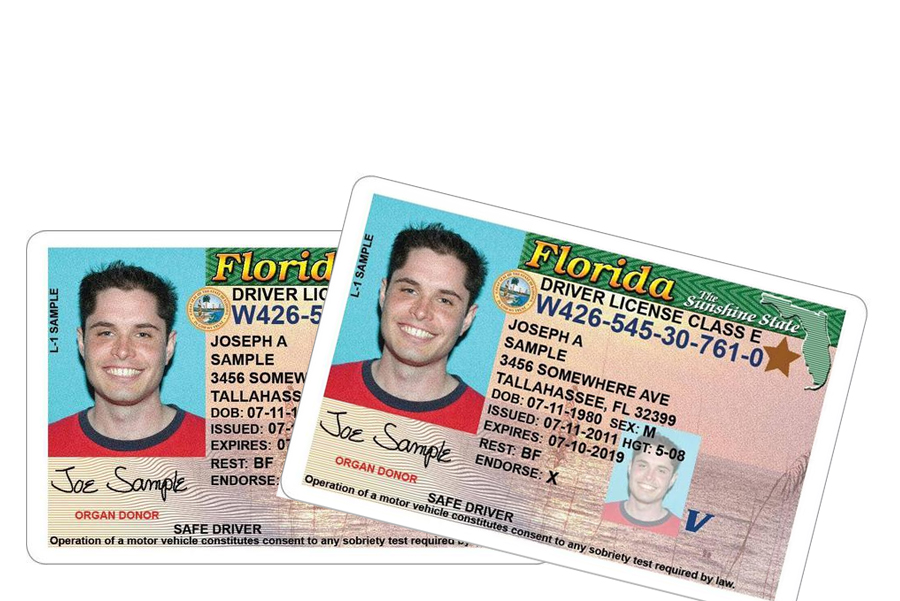
Relocating to a new home, whether across the street or across the state, signifies a significant shift in one’s lifestyle. In the vibrant and diverse landscape of Florida, ensuring all your official documents reflect your current residential status is not just a legal obligation but a crucial step in maintaining a seamless and hassle-free daily life. One of the most fundamental updates required is changing the address on your driver’s license or state identification card. This process, while seemingly straightforward, carries important implications for your legal standing, access to state services, and overall peace of mind as a resident of the Sunshine State. This comprehensive guide will walk you through the necessities and nuances of updating your address on your Florida license, ensuring your transition is as smooth as possible.
Why Timely Address Changes Matter for Your Florida Lifestyle
Updating your driver’s license address in Florida is far more than a bureaucratic formality; it’s a vital component of managing your personal affairs and engaging effectively with the state’s infrastructure. From legal compliance to practical benefits, a current address on your license underpins various aspects of your life in Florida.
Maintaining Legal Compliance and ID Validity
In Florida, state law mandates that residents update their driver’s license or ID card address within 30 days of moving. Failure to do so can lead to fines, potential legal complications, and could even impact your ability to vote or receive crucial official correspondence. A valid and current license serves as your primary form of identification, essential for everything from banking and air travel to purchasing age-restricted items. Keeping it up-to-date ensures you remain compliant with state regulations and that your identification is always valid and recognized across various scenarios, safeguarding your daily lifestyle activities. This foundational step protects you from unnecessary legal headaches and ensures you are always properly identified.
Impact on Vehicle Registration and Insurance
Your driver’s license address is intrinsically linked to other critical aspects of your life in Florida, particularly concerning your vehicle. When you change your residential address, it’s not just your license that needs an update; your vehicle registration and insurance policies also need to reflect your new information. Insurance companies often base premiums on your zip code, and a discrepancy between your license and policy address could lead to issues with claims or even policy cancellation. Furthermore, ensuring your vehicle registration is accurate prevents delays in receiving renewal notices or other important communications from the Florida Department of Highway Safety and Motor Vehicles (DHSMV). A consistent address across these documents is paramount for uninterrupted driving privileges and financial protection.
Accessing State-Specific Benefits and Services
Many state and local services in Florida are geographically tethered, requiring proof of residency at a specific address. These can include voting registration, accessing local public libraries, enrolling children in schools, applying for homestead exemptions, or even receiving emergency alerts pertinent to your immediate vicinity. An outdated address on your license could complicate or delay your access to these essential services, preventing you from fully participating in and benefiting from your community. By promptly updating your address, you ensure seamless access to these vital resources, enriching your lifestyle as a connected and engaged resident of Florida.
Navigating the Florida Address Change Process Online
For many Florida residents, the most convenient way to update their driver’s license address is online. The DHSMV offers a user-friendly portal designed to streamline this process, making it accessible from the comfort of your home.
Eligibility for Online Updates
While the online system is convenient, not everyone is eligible for an online address change. Generally, you can update your address online if you:
- Have a valid, non-commercial Florida driver’s license or ID card.
- Are a U.S. citizen.
- Are at least 18 years old (some exceptions apply for minors with parental consent).
- Are not changing your name simultaneously.
- Do not have any restrictions or suspensions on your license.
- Have not updated your address online more than a certain number of times within a specific period (the system will typically flag this if applicable).
It’s crucial to verify your eligibility on the official DHSMV website before attempting an online update to avoid frustration.
Step-by-Step Online Guide
Once you’ve confirmed your eligibility, the online process is typically straightforward:
- Visit the official DHSMV GoRenew website: This is the dedicated portal for online license services.
- Locate the “Update Your Driver License/ID Card Address” section: This will guide you to the correct application.
- Enter your personal information: You’ll need your driver’s license number, date of birth, and possibly the last four digits of your Social Security number for verification.
- Provide your new residential address: Ensure accuracy, as this will be the address on file.
- Review and confirm: Double-check all entered information before submission.
- Pay the required fee: There is typically a small fee associated with updating your license and receiving a new physical card, though some online changes may only update records without issuing a new card immediately. This fee is usually for the issuance of a duplicate license with the new address printed on it.
- Print a temporary document: After successful submission, you may be able to print a temporary document confirming your address change, which is valid until your new card arrives in the mail.
Your new driver’s license or ID card reflecting the updated address will usually be mailed to you within a few weeks.
Required Documentation for Online Verification
While the online process aims for simplicity, you might be required to provide some form of verification, especially if it’s your first online update or if the system flags any discrepancies. This could involve:
- Proof of Identity: Your existing Florida driver’s license number is usually sufficient.
- Proof of Residential Address: While not always explicitly uploaded for an online address change (as opposed to new residency), be prepared to attest to your new address. For a new physical card, the mailed card itself serves as confirmation. If you are a new resident, you will need to provide two proofs of residential address. For simple address changes for existing residents, the system primarily relies on your existing credentials.
It’s always a good practice to keep digital copies of your utility bills, lease agreements, or other official mail at your new address, as these documents are frequently used as proof of residency in various contexts, even if not directly required for the online license address change itself.
In-Person Address Changes: When and How
While the online option is convenient, certain situations necessitate an in-person visit to a DHSMV service center or authorized Tax Collector’s Office.

Situations Requiring a Visit to the DHSMV
You will need to visit a DHSMV office if:
- You are a new resident moving to Florida and need to convert an out-of-state license. This process involves establishing Florida residency for the first time.
- You are also changing your name in addition to your address. Name changes require specific legal documentation that typically needs to be verified in person.
- Your existing Florida license or ID card is expired, lost, or stolen, and you need to renew or replace it while updating your address.
- You are not eligible for online services due to specific restrictions or system limitations.
- You prefer the peace of mind of completing the transaction with a clerk and receiving a physical license on the spot.
Preparing for Your In-Person Appointment
An in-person visit requires meticulous preparation to ensure efficiency. To update your address (and potentially renew or replace your license) in person, you will typically need:
- Proof of Identity: Your current Florida driver’s license or ID card, or other acceptable primary identification documents (e.g., U.S. birth certificate, U.S. passport).
- Proof of Social Security Number: Your Social Security card or a document showing your full SSN (e.g., W-2 form, SSA-1099).
- Two Proofs of Residential Address: This is crucial. Acceptable documents include utility bills, lease agreements, bank statements, or mail from government agencies, all showing your new Florida address. These must be recent (typically within 90 days).
- Payment for Fees: Be prepared to pay for the duplicate license fee (if applicable) using cash, credit/debit card, or check.
It’s highly recommended to use the DHSMV ‘What to Bring’ document wizard on their website to generate a personalized list of required documents for your specific situation.
Finding a Convenient Service Center
Florida has numerous DHSMV service centers and authorized Tax Collector’s Offices across the state. You can find the nearest location by using the “Locations” tool on the official DHSMV website. Many offices allow you to schedule an appointment online, which can significantly reduce wait times, enhancing the efficiency of your visit. Some locations, particularly in larger cities like Orlando or Miami, can be very busy, so planning ahead is wise for a stress-free experience.
Understanding New Resident Requirements and Considerations
If you’re new to Florida, the address change process is part of a broader transition to establishing residency. This involves specific steps beyond just updating an existing Florida license.
Establishing Florida Residency
To become a Florida resident for driver’s license purposes, you generally must reside in the state for more than 183 consecutive days within a 12-month period, or demonstrate intent to establish Florida as your permanent home. The DHSMV requires specific documents to prove residency when you convert an out-of-state license. These include the two proofs of residential address mentioned earlier, alongside primary identity and Social Security proof. Establishing residency is a foundational step that impacts various aspects of your Florida lifestyle, from taxes to voting.
Out-of-State License Conversion
If you’ve just moved to Florida with an out-of-state license, you are required to obtain a Florida driver’s license within 30 days of establishing residency. This is a mandatory in-person process. You’ll surrender your out-of-state license, provide all necessary identification and residency documents, pass a vision test, and pay the relevant fees. In most cases, the written and driving exams are waived if your out-of-state license is current and valid. This conversion is crucial for legal driving in Florida and formally integrating into the state’s driver network, a key part of your new lifestyle here.
Special Circumstances: Military and Seasonal Residents
Florida has specific provisions for military personnel and seasonal residents.
- Military Personnel: Active-duty military members stationed in Florida but maintaining residency in another state may not be required to obtain a Florida license immediately. However, their dependents may need to adhere to standard residency rules. When military personnel establish Florida as their home state, the address change process is similar to other residents, often with additional considerations for out-of-state renewals or extensions.
- Seasonal Residents (Snowbirds): Individuals who reside in Florida for a portion of the year but maintain their primary residence elsewhere (e.g., “snowbirds”) typically are not required to obtain a Florida driver’s license as long as they hold a valid license from their home state. However, if they decide to make Florida their permanent home, the standard new resident process applies. Understanding these distinctions is vital for maintaining legal driving status tailored to your unique lifestyle.
Essential Tips for a Seamless Transition in Florida
Beyond the immediate task of updating your driver’s license, a strategic approach to your address change ensures holistic integration into your new Florida lifestyle.
Updating Other Important Records
While your driver’s license is a top priority, remember to update your address with:
- U.S. Postal Service: File a change of address to forward mail.
- Banks and Financial Institutions: Ensure your statements and communications reach you.
- Employers: For payroll and tax documents.
- Healthcare Providers and Insurance Companies: Critical for billing and services.
- Voter Registration: To ensure you can participate in local and state elections.
- Utility Companies: For seamless service at your new home.
- Subscriptions and Memberships: To continue enjoying your favorite services.
A comprehensive approach prevents disruptions and ensures all aspects of your life align with your new residential status.
Common Pitfalls to Avoid
To ensure a smooth address change, avoid these common mistakes:
- Procrastinating: Remember the 30-day legal requirement.
- Providing Inaccurate Information: Double-check all spellings and numbers.
- Not Gathering All Required Documents: This is the most frequent cause of delays, especially for in-person visits. Use the DHSMV ‘What to Bring’ tool.
- Assuming Online Eligibility: Confirm you meet the criteria before attempting an online update.
- Forgetting to Update Vehicle Registration: This is a separate, though related, process.
By being diligent and prepared, you can avoid unnecessary stress and ensure a swift resolution.
The Benefits of a Current Florida License
A driver’s license with your current Florida address is a testament to your established residency and commitment to the state. It not only fulfills legal obligations but also simplifies everyday transactions, enhances your security, and solidifies your identity within your community. Whether you’re enjoying the beaches of Sarasota, exploring the theme parks of Orlando, or working in downtown Tampa, a current and valid Florida license is a foundational element of your lifestyle, enabling you to fully embrace all that the Sunshine State has to offer. By taking the necessary steps to keep your information current, you ensure that your journey in Florida is met with convenience, compliance, and confidence.
LifeOutOfTheBox is a participant in the Amazon Services LLC Associates Program, an affiliate advertising program designed to provide a means for sites to earn advertising fees by advertising and linking to Amazon.com. Amazon, the Amazon logo, AmazonSupply, and the AmazonSupply logo are trademarks of Amazon.com, Inc. or its affiliates. As an Amazon Associate we earn affiliate commissions from qualifying purchases.