
Creating a trust in Florida is a sophisticated estate planning strategy that offers substantial benefits beyond simple asset distribution. For individuals and families who embrace a dynamic lifestyle, whether it involves frequent travel, owning vacation properties, or planning for a comfortable retirement in the Sunshine State, a trust can be an invaluable tool. It’s not merely about legal formalities; it’s about securing your legacy, protecting your assets, and ensuring your lifestyle choices are sustained well into the future. This comprehensive guide will navigate the intricacies of establishing a trust in Florida, tailored for those who appreciate foresight in their personal and financial planning.
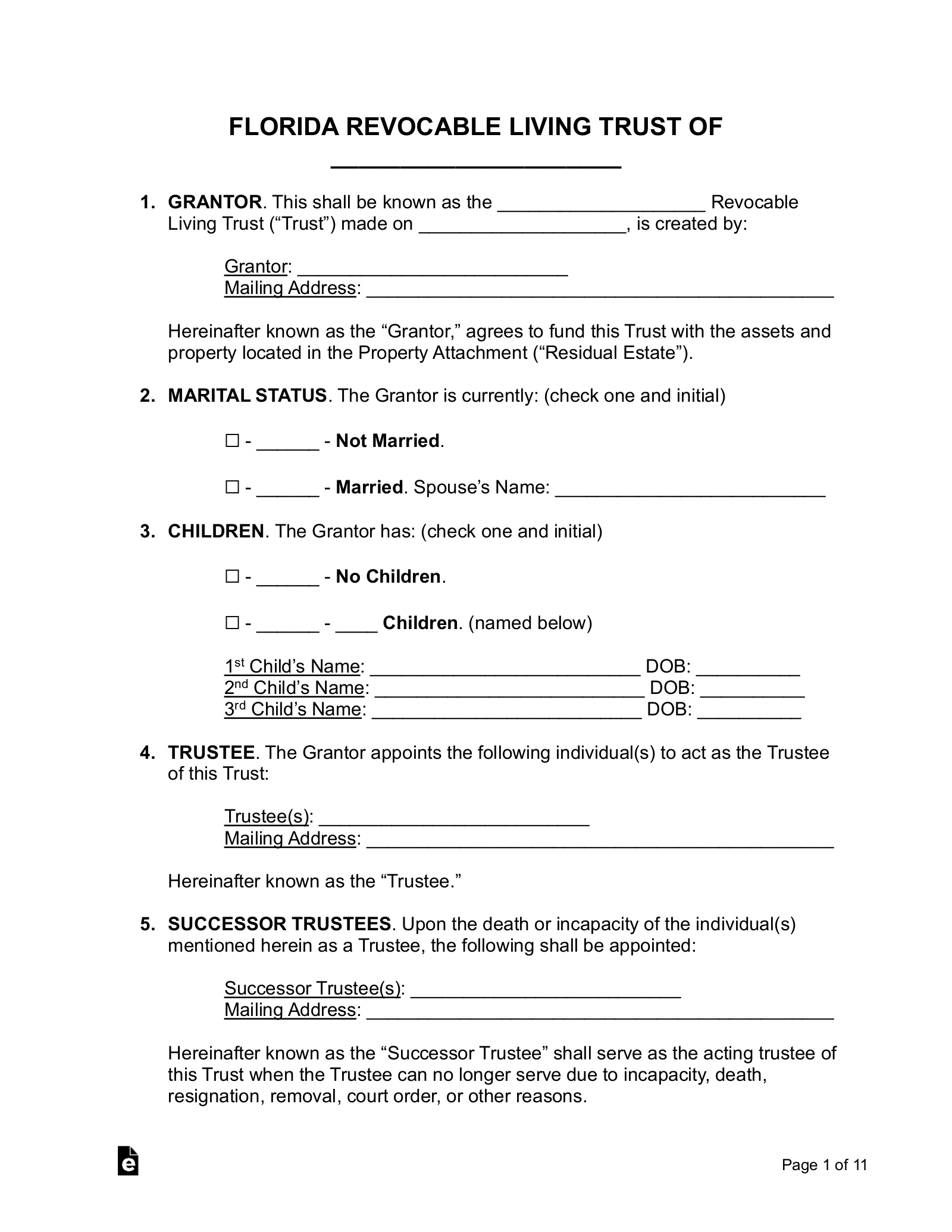
The Role of Trusts in Safeguarding Your Florida Lifestyle
For many, Florida represents more than just a place; it embodies a desired lifestyle. From the pristine beaches of Sarasota to the vibrant culture of Miami, the state attracts those seeking an active retirement, seasonal residency, or a permanent haven for family vacations. A trust can be instrumental in managing assets tied to this lifestyle, offering protections and planning advantages that a traditional will cannot.
Protecting Your Vacation Home
One of the most common reasons individuals with a travel-oriented lifestyle establish trusts in Florida is to manage vacation properties. A Florida vacation home, whether it’s a beachfront condo in Naples or a resort villa near Orlando, represents a significant asset and often a cherished family retreat. Placing such property into a trust can streamline its transfer to beneficiaries, avoiding the often lengthy and public probate process. This means your family can continue to enjoy their beloved holiday spot without interruption or complex legal hurdles upon your passing. Furthermore, a trust can establish clear guidelines for the property’s use, maintenance, and shared expenses among multiple beneficiaries, preventing potential disputes and ensuring its longevity as a family legacy.
Ensuring Future Family Travel Experiences
Beyond physical properties, a trust can be structured to support intangible lifestyle elements, such as ensuring future family travel experiences. Imagine creating a dedicated fund within a trust that explicitly provides for annual family vacations, educational trips for grandchildren, or even a legacy fund for adventure travel. This unique approach allows you to dictate how certain funds are used to enrich the lives of your loved ones, extending your philanthropic vision beyond simple monetary gifts. It ensures that the spirit of exploration and connection you value continues for generations, fostering shared memories and upholding your family’s commitment to experiencing the world together.
Estate Planning for Snowbirds and Retirees
Florida’s appeal to “snowbirds” and retirees is undeniable. These individuals often own property in multiple states and may divide their time throughout the year. For them, a trust simplifies the management of multi-jurisdictional assets and can mitigate the need for probate in several states, a process known as ancillary probate, which is both time-consuming and costly. A well-crafted Florida trust can consolidate asset management, provide for professional oversight if needed, and ensure a smooth transition of wealth according to your precise wishes, all while preserving the flexibility inherent in a retirement lifestyle that may involve extensive travel or relocation.
Key Components of a Florida Trust
Understanding the core elements of a trust is fundamental before embarking on its creation. These components define the trust’s purpose, its beneficiaries, and how it will be managed over time.
Choosing Your Trustee
The trustee is the cornerstone of any trust, the individual or entity responsible for managing the trust’s assets according to the terms you establish. For a Florida lifestyle trust, selecting a trustworthy and capable trustee is paramount. You might choose a family member, a close friend, a professional fiduciary, or a corporate trustee (such as a bank or trust company). Consider their financial acumen, impartiality, and willingness to uphold your vision, especially concerning assets like vacation homes or funds earmarked for travel. For complex trusts or those intended to last for generations, a professional trustee often provides the expertise and continuity needed.
Defining Beneficiaries and Distributions
Clearly defining who will benefit from the trust (the beneficiaries) and how they will receive distributions is critical. This section of the trust document specifies not only who gets what, but also when and under what conditions. For lifestyle-focused trusts, this is where you can articulate provisions for things like funding a grandchild’s study abroad program, contributing to annual family travel, or maintaining a specific property for family use. Precision here prevents ambiguity and ensures your wishes regarding your chosen lifestyle are meticulously followed.
Funding Your Trust
Once a trust is established, it must be funded—meaning assets must be formally transferred into it. This is a crucial step often overlooked. Assets that can be placed into a Florida trust include real estate (such as your primary residence or vacation home), bank accounts, investment portfolios, business interests, and even valuable collectibles. The process involves retitling assets from your individual name into the name of the trust. Failure to properly fund the trust can render it ineffective, leading to assets still being subject to probate. An experienced estate planning attorney will guide you through this process to ensure all relevant assets are correctly transferred.
Types of Trusts for Florida Residents and Property Owners
Florida law offers a variety of trust structures, each suited for different objectives. Your choice will depend on your specific goals for asset protection, control, and beneficiary distribution related to your lifestyle.
Revocable Living Trusts

A revocable living trust is often the preferred choice for those seeking flexibility and probate avoidance. As the name suggests, you, as the grantor, retain the ability to amend, alter, or revoke the trust during your lifetime. You can typically act as your own trustee, maintaining full control over your assets. Upon your incapacity or death, a successor trustee steps in to manage or distribute assets without court intervention, preserving privacy and expediting the process. This type of trust is excellent for managing vacation properties, consolidating assets for easy access while traveling, and ensuring continuity of financial management should you become unable to manage your affairs.
Irrevocable Trusts
An irrevocable trust, once established and funded, generally cannot be modified or rescinded without the consent of the trustee and all beneficiaries. While this might seem restrictive, it offers significant advantages, particularly for advanced estate planning, asset protection, and tax planning. Assets placed into an irrevocable trust are typically removed from your taxable estate and are often protected from creditors. For those with substantial wealth or specific philanthropic goals related to their lifestyle (e.g., funding a perpetual travel scholarship or maintaining a legacy property indefinitely), an irrevocable trust provides a robust framework for long-term financial security and legacy building.
Special Needs Trusts
While less directly tied to the general travel lifestyle, a special needs trust is vital for families who want to provide for a loved one with disabilities without jeopardizing their eligibility for government benefits. If your lifestyle includes caring for a family member with special needs, and you wish to ensure their future quality of life, including potential travel or enhanced living experiences, a properly structured special needs trust is indispensable. It can hold assets to pay for supplemental needs and comforts that government programs do not cover, allowing the individual to enjoy a richer life while maintaining public assistance.
The Process of Establishing a Trust in Florida
Creating a trust is a detailed legal process that requires careful consideration and expert guidance. While the concept might seem daunting, breaking it down into manageable steps makes it more accessible.
Consultation with an Attorney
The first and most critical step is to consult with an experienced Florida estate planning attorney. An attorney will help you assess your current financial situation, understand your lifestyle goals (e.g., property management, family travel provisions, retirement planning), and discuss your beneficiaries’ needs. They will explain the different types of trusts and recommend the structure best suited for your unique circumstances. This initial consultation is where your vision for your lifestyle and legacy begins to take legal form.
Drafting and Execution
Once the type of trust and its terms are decided, your attorney will draft the trust document. This document is a legally binding agreement that details the trust’s purpose, identifies the grantor(s), trustee(s), and beneficiaries, and outlines the rules for asset management and distribution. Precision in language is crucial to avoid future ambiguities or disputes. After drafting, the trust document will be formally executed, which typically involves signing the document in the presence of witnesses and a notary public, in accordance with Florida law.
Ongoing Management and Review
A trust is not a static document; it requires ongoing management and periodic review. As your assets, family circumstances, and lifestyle goals evolve, your trust document should be revisited. Life events such as marriage, divorce, birth of children, acquisition or sale of properties (like a new vacation home), or significant changes in wealth necessitate a review of your trust to ensure it still aligns with your intentions. Your attorney can help you with these reviews, making amendments as needed to keep your trust an effective tool for your evolving Florida lifestyle.
Why Florida’s Unique Legal Environment Matters
Florida’s legal landscape offers specific advantages and considerations that make it an attractive state for establishing a trust, particularly for those with property or a significant presence here.
Homestead Protections
Florida boasts some of the strongest homestead protections in the nation, shielding a primary residence from creditors. While generally beneficial, these protections can sometimes complicate estate planning, especially when attempting to place a homestead property into a trust. An attorney well-versed in Florida real estate and trust law can navigate these complexities, ensuring your homestead property is handled in a way that maximizes both protection and your estate planning objectives within the trust framework.
Advantages for Estate Planning
The state of Florida has a favorable stance towards trusts, with robust statutes that support their creation and administration. Florida also offers some unique provisions, such as the ability to create “asset protection trusts” under certain conditions (though these are complex and require careful structuring). Furthermore, the absence of a state income tax and estate tax makes Florida a financially attractive jurisdiction for managing and transferring wealth through trusts. These advantages make it an ideal location for those looking to optimize their financial and lifestyle planning.

Seeking Local Expertise
Given the specific nuances of Florida law, it is essential to work with a local attorney who specializes in estate planning within the state. A Florida attorney will be intimately familiar with the state’s statutes, court procedures, and how local regulations might impact your trust. Their expertise ensures that your trust is not only legally sound but also optimally structured to meet your personal and lifestyle goals in the context of Florida’s unique legal and economic environment.
Creating a trust in Florida is a strategic decision that offers immense peace of mind and control over your assets and legacy. By understanding its components, types, and the process involved, you can effectively safeguard your Florida lifestyle, ensuring that your vision for your family, your properties, and your cherished travel experiences endures for generations to come.
LifeOutOfTheBox is a participant in the Amazon Services LLC Associates Program, an affiliate advertising program designed to provide a means for sites to earn advertising fees by advertising and linking to Amazon.com. Amazon, the Amazon logo, AmazonSupply, and the AmazonSupply logo are trademarks of Amazon.com, Inc. or its affiliates. As an Amazon Associate we earn affiliate commissions from qualifying purchases.