
Facing eviction can be an incredibly stressful and disruptive experience, casting a shadow over one’s long-term accommodation stability. In Florida, the legal framework governing landlord-tenant relationships is precise, and understanding its intricacies is paramount for any tenant seeking to delay or challenge an eviction notice. This guide delves into the mechanisms available to tenants, offering insights into the legal processes, strategic responses, and available resources that can help navigate these challenging circumstances, ultimately aiming to preserve one’s living situation.
The process of eviction in Florida is not instantaneous; it involves several stages, each presenting opportunities for a tenant to respond and, potentially, delay the outcome. Whether due to unforeseen financial hardship, a dispute over property conditions, or a misunderstanding with a landlord, being equipped with knowledge of tenant rights and responsibilities is the first step towards an informed defense. Our focus here is on empowering tenants with the information needed to understand their options and strategically approach an eviction threat, ensuring a professional and insightful perspective on maintaining one’s accommodation in the face of legal challenges.

Deciphering the Eviction Process in Florida
To effectively delay an eviction, tenants must first comprehend the standard legal trajectory an eviction case follows in Florida. This understanding provides the foundation for identifying critical junctures where a tenant can intervene and present their case.
The Foundation: Notice Requirements
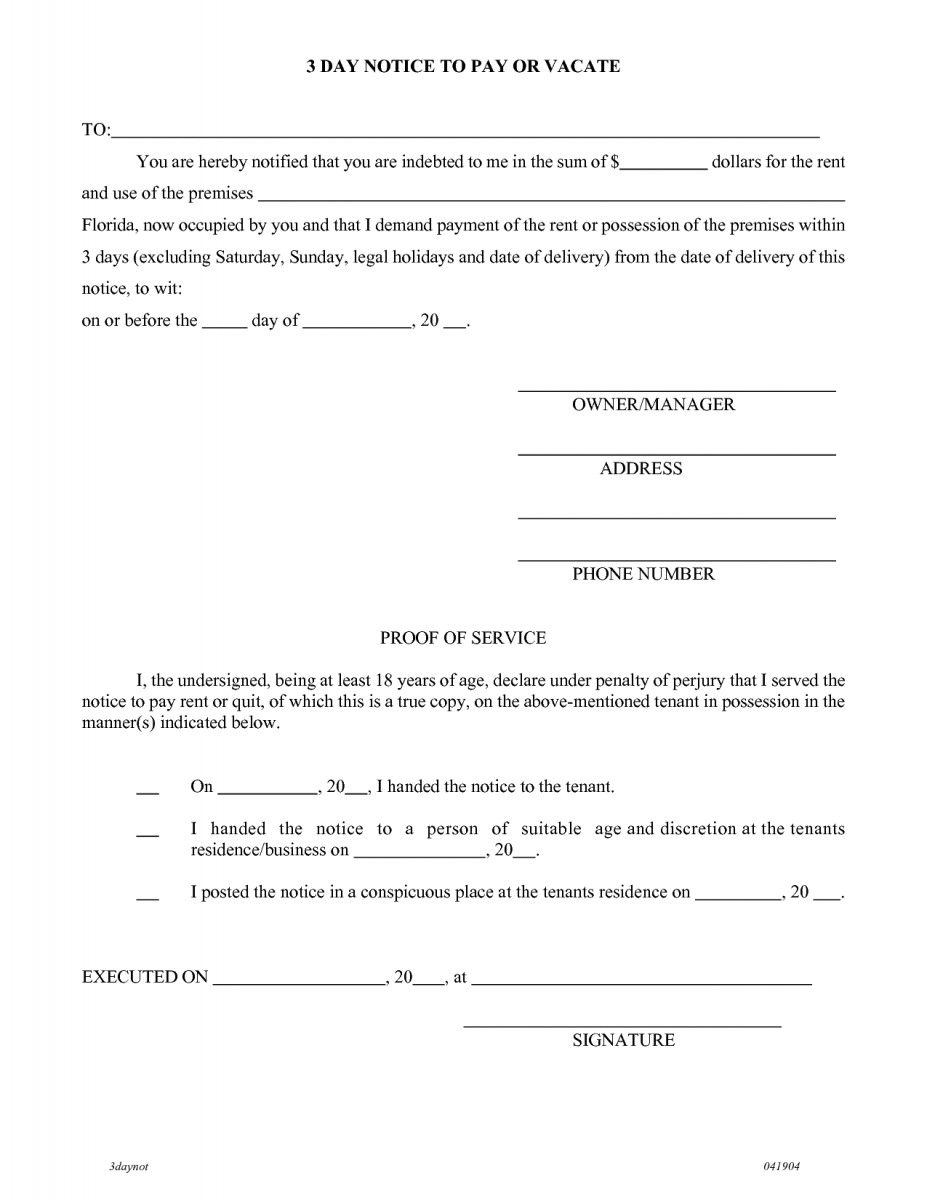
Before a landlord can file an eviction lawsuit in Florida, they are legally required to provide the tenant with proper written notice. The type of notice depends on the reason for eviction. For non-payment of rent, a “Three-Day Notice to Pay Rent or Vacate” is typically issued. This notice demands payment within three business days, excluding weekends and legal holidays. If the tenant fails to pay or vacate within this period, the landlord can proceed with filing an eviction lawsuit. For lease violations other than non-payment, a “Seven-Day Notice to Cure” (if the violation is curable, like an unauthorized pet) or a “Seven-Day Notice of Termination” (if the violation is not curable) is usually required. Understanding the specific notice received and its implications is the very first step in crafting a response. Incorrect or improperly served notices can sometimes be grounds for dismissal or delay of an eviction case, highlighting the importance of meticulously reviewing all received documents.
Initiating the Lawsuit: Complaint and Summons
If the tenant does not comply with the initial notice, the landlord can file an eviction complaint with the appropriate county court. Once filed, the court issues a “Summons for Eviction,” which, along with the complaint, must be properly served to the tenant. This summons notifies the tenant that a lawsuit has been filed against them and specifies the deadline for a written response. In Florida, tenants typically have only five business days (excluding weekends and legal holidays) from the date of service to file a written answer with the court. This is a crucial deadline; failure to respond within this timeframe can result in a default judgment against the tenant, leading to a swift eviction without further court proceedings. This short window underscores the urgency with which tenants must act upon receiving these documents.
Understanding the Court’s Role
The county court plays a central role in adjudicating eviction cases. Its primary function is to determine whether the landlord has met all legal requirements for eviction and whether the tenant has presented valid defenses. The court reviews the complaint, the tenant’s answer, and any evidence presented by both parties. Judges are bound by Florida statutes and case law, ensuring that the process is followed correctly. While the court’s role is to apply the law impartially, tenants have the right to present their side, provide evidence, and argue why the eviction should not proceed. Understanding that the court is the arena for dispute resolution empowers tenants to prepare their case thoroughly, rather than feeling helpless in the face of a legal challenge to their accommodation.
Strategic Legal Responses to an Eviction Notice
Once an eviction lawsuit has been filed, tenants have specific legal avenues to respond. These responses are critical for delaying the process and potentially securing a more favorable outcome.
Crafting Your Answer to the Complaint
The tenant’s “answer” is their formal written response to the landlord’s eviction complaint, filed with the court within the five-day deadline specified in the summons. This document is where the tenant can admit, deny, or state that they lack sufficient knowledge to admit or deny each allegation made by the landlord. Crucially, it is also the place to raise any “affirmative defenses” or “counterclaims” against the landlord. A well-crafted answer is vital; it sets the stage for the tenant’s legal argument and ensures their voice is heard in court. For cases involving non-payment of rent, Florida law requires tenants to deposit the disputed rent amount into the court registry when filing their answer, or file a motion to determine rent, otherwise, the court may enter a default judgment without further notice. This specific requirement is a common hurdle but is non-negotiable for delaying rent-related evictions.
Leveraging Affirmative Defenses
Affirmative defenses are legal arguments that, even if the landlord’s allegations are true, provide a legal reason why the eviction should not proceed. Common affirmative defenses in Florida include:
- Improper Notice: The landlord failed to provide proper written notice as required by law (e.g., incorrect timeframe, improper service).
- Retaliation: The eviction is in retaliation for the tenant exercising their legal rights, such as complaining about unsafe living conditions to a government agency.
- Discrimination: The eviction is based on discriminatory reasons prohibited by fair housing laws.
- Breach of Warranty of Habitability: The landlord failed to maintain the property in a habitable condition, and the tenant properly notified them of the issues, allowing time for repairs.
- Waiver: The landlord accepted partial rent payment after issuing a notice to vacate, potentially waiving their right to evict for that specific non-payment.
Successfully arguing an affirmative defense can lead to the dismissal of the eviction case or provide grounds for negotiation, significantly delaying the eviction and preserving one’s accommodation.
Utilizing Counterclaims (if applicable)
In some instances, tenants may have grounds to file a “counterclaim” against their landlord. A counterclaim is a separate lawsuit filed by the tenant within the eviction case, alleging that the landlord has violated their legal obligations. For example, if a landlord failed to return a security deposit as required by law, or caused damages due to negligence, a tenant might file a counterclaim for these amounts. While counterclaims do not directly prevent or delay an eviction, they can be used as leverage in negotiations, potentially leading to a settlement that includes the tenant being allowed to stay, or more time to find new accommodation, in exchange for dropping the counterclaim. It also ensures that the tenant’s grievances are formally addressed within the legal system.
Exploring Non-Litigation Avenues for Delay
Beyond formal legal responses, tenants can often explore alternative strategies that may lead to a delay in eviction or a more amicable resolution, avoiding the full judicial process.
The Power of Open Communication and Negotiation
Often, landlords prefer to avoid the time and expense of a full eviction lawsuit. If a tenant is facing temporary financial difficulties, reaching out to the landlord promptly and transparently can be beneficial. Proposing a repayment plan, offering partial payment, or requesting a temporary rent reduction might lead to an agreement that prevents the eviction from proceeding. Clear, documented communication, ideally in writing, is crucial. Such an agreement might include a specified period for the tenant to catch up on rent or find new accommodation, effectively delaying the eviction under mutually agreed terms. This approach emphasizes that even in adversarial situations, dialogue can be a powerful tool for maintaining accommodation.
Seeking Rental Assistance and Financial Aid
Numerous government programs and non-profit organizations offer rental assistance to eligible individuals and families facing eviction. In Florida, resources may be available at the local (city or county) level, as well as state and federal programs. These programs can provide funds to cover back rent, potentially resolving the primary cause of eviction. Actively seeking and applying for such assistance can take time, but demonstrating to the court or landlord that you are making a genuine effort to secure funds can sometimes lead to a temporary stay or negotiation. Organizations like local housing authorities, United Way chapters, or community action agencies are often good starting points for exploring these critical financial aid options that directly impact one’s ability to retain accommodation.
Mediation as a Resolution Tool
Mediation is a process where a neutral third party (the mediator) helps the landlord and tenant communicate and negotiate a mutually acceptable solution. Many Florida county courts offer mediation services for eviction cases, either before or during the litigation process. Mediation can be an effective way to delay an eviction and reach an agreement that addresses both parties’ concerns without a full trial. This might involve a payment plan, an agreement for the tenant to vacate by a specific date, or a resolution to a dispute over property conditions. If an agreement is reached in mediation, it can be formalized into a court order, potentially dismissing the eviction case. Mediation offers a less confrontational path to resolution, focusing on practical outcomes that can preserve or strategically transition one’s living situation.
Navigating the Judicial System and Post-Judgment Options
If non-litigation efforts are unsuccessful and a formal answer has been filed, the case will proceed through the court system, culminating in potential hearings and judgments.
Preparing for Court Hearings
Tenants must be prepared to attend all scheduled court hearings. This includes any initial hearings, mediation sessions, or final trials. Before attending, tenants should gather all relevant documentation, such as lease agreements, rent payment receipts, notices from the landlord, communication records, photographs of property conditions, and any evidence supporting their affirmative defenses or counterclaims. Professional demeanor and clear articulation of one’s case are crucial. If the tenant has deposited rent into the court registry, they should have proof of this. Failing to appear in court can result in a default judgment against the tenant, accelerating the eviction process. Being prepared and present demonstrates respect for the court and dedication to one’s case, which can influence the judge’s perception and potentially lead to a more favorable consideration of requests for delay or alternative arrangements for accommodation.
Understanding the Writ of Possession
If the court rules in favor of the landlord, a “Final Judgment of Eviction” will be issued. Following this judgment, the landlord can request a “Writ of Possession” from the court. The Writ of Possession is a court order directing the county sheriff to remove the tenant and their belongings from the property. Once the sheriff receives the writ, they will post a 24-hour notice on the tenant’s door, informing them of the exact date and time they must vacate. After this 24-hour period, the sheriff can physically remove the tenant. Understanding this final stage is crucial; while there are limited ways to stop a writ once issued, specific motions (like a motion to vacate the judgment if there was improper service or other legal errors) must be filed immediately to have any chance. This stage marks the practical end of the occupancy and underscores the importance of addressing the eviction proactively in earlier stages.
The Possibility of an Appeal or Motion to Vacate
Even after a final judgment, a tenant might have limited options to delay the eviction further. A “Motion to Vacate Default Judgment” can be filed if the tenant failed to respond to the summons due to excusable neglect, a meritorious defense exists, and they acted with due diligence after learning of the default. This is a high bar, but if successful, it can reopen the case. Alternatively, a tenant can appeal the court’s decision to a higher court. However, an appeal does not automatically stop the eviction. To delay the eviction during an appeal, the tenant must typically file a “Motion to Stay Execution of Writ of Possession” with the court and often post a bond covering ongoing rent and potential damages. Both motions and appeals are complex legal procedures that require immediate action and often the assistance of an attorney. While challenging, these avenues can offer a final, albeit difficult, opportunity to extend one’s stay in accommodation.
Essential Resources and Proactive Measures
Navigating an eviction is complex, but numerous resources and proactive steps can significantly improve a tenant’s chances of successfully delaying or resolving the issue.
Documenting All Interactions and Payments
Meticulous record-keeping is invaluable in any landlord-tenant dispute. Tenants should keep copies of everything: the lease agreement, all notices received from the landlord, rent payment receipts (including cancelled checks, money order stubs, or electronic transfer confirmations), correspondence with the landlord (emails, letters, text messages), repair requests and responses, and photographic or video evidence of property conditions. This documentation serves as concrete evidence in court and can be crucial for proving compliance or establishing a landlord’s non-compliance. A well-organized file of records can be the difference between winning and losing a case, fundamentally impacting a tenant’s ability to maintain their accommodation.
Connecting with Legal Aid and Tenant Advocacy Groups
Seeking professional legal advice is highly recommended. Many organizations in Florida offer free or low-cost legal assistance to tenants, such as Legal Aid societies, pro bono legal clinics, and tenant advocacy groups. These experts can provide personalized guidance, help prepare court documents, represent tenants in court, and inform them of specific local ordinances that might offer additional protections (e.g., in Miami or Orlando). Early engagement with legal professionals can significantly enhance a tenant’s ability to mount a strong defense and explore all available legal avenues for delaying an eviction. They often have experience with the nuances of Florida’s landlord-tenant laws and local court procedures.

Understanding Your Rights as a Tenant in Florida
Beyond specific eviction procedures, every tenant in Florida has fundamental rights outlined in the Florida Residential Landlord and Tenant Act (Chapter 83, Part II, Florida Statutes). These rights include the right to a habitable dwelling, freedom from discrimination, and proper notice before entry by the landlord. Educating oneself on these broader rights is empowering. Knowledge of the law allows tenants to identify instances where their landlord may have acted unlawfully, which can form the basis of an affirmative defense or counterclaim. Familiarity with these statutes is a proactive measure that strengthens a tenant’s position, ensuring they are not only reacting to an eviction notice but also asserting their rightful claims to secure their accommodation.
LifeOutOfTheBox is a participant in the Amazon Services LLC Associates Program, an affiliate advertising program designed to provide a means for sites to earn advertising fees by advertising and linking to Amazon.com. Amazon, the Amazon logo, AmazonSupply, and the AmazonSupply logo are trademarks of Amazon.com, Inc. or its affiliates. As an Amazon Associate we earn affiliate commissions from qualifying purchases.