
For countless individuals, the dream of calling the Sunshine State home isn’t just a fleeting thought—it’s a deliberate lifestyle choice. Establishing Florida residency is a significant step, one that offers a myriad of benefits ranging from favorable tax policies to an unparalleled quality of life driven by its warm climate and diverse recreational opportunities. It’s more than just changing your address; it’s about embracing a new chapter, a fresh perspective, and a vibrant community. This comprehensive guide will walk you through the essential steps and considerations for making your move to Florida official, ensuring a smooth transition into your new lifestyle.

Understanding the Allure of Florida Living
Before diving into the procedural aspects, it’s worth understanding why so many people are drawn to Florida. The reasons are as varied as the landscapes of the state itself, but they collectively paint a picture of an attractive destination for permanent relocation.
Sunshine State Advantages
The most immediately apparent advantage of Florida is, of course, its climate. With abundant sunshine and mild winters, outdoor activities are a year-round possibility, promoting an active and healthy lifestyle. Beyond the weather, Florida stands out due to its compelling tax benefits. The state has no personal income tax, no estate tax, and no inheritance tax. This can translate into substantial savings for individuals and families, particularly for retirees living on fixed incomes or entrepreneurs looking to maximize their earnings. Property taxes are competitive, and homestead exemptions offer further relief for primary residents.
Moreover, Florida’s vibrant economy, bolstered by tourism, agriculture, and technology, offers diverse opportunities. The state boasts world-class beaches, renowned theme parks like Walt Disney World and Universal Orlando Resort, and natural wonders such as Everglades National Park, providing endless entertainment and relaxation options. The culture is a rich tapestry, influenced by its proximity to the Caribbean and Latin America, particularly evident in cities like Miami.
Who Benefits Most?
While Florida appeals to a broad demographic, certain groups find the prospect of residency particularly enticing. Retirees often seek Florida for its favorable tax environment, warm climate, and extensive healthcare infrastructure. The state offers numerous active adult communities tailored to those looking for a vibrant post-career lifestyle.
Remote workers and digital nomads are increasingly drawn to Florida’s robust internet infrastructure and the ability to combine work with a resort-like lifestyle. Entrepreneurs and business owners benefit from the state’s pro-business policies, lack of income tax, and access to a large consumer market. Families also find appeal in the diverse educational options, family-friendly attractions, and numerous outdoor activities. Regardless of your life stage, Florida offers a compelling proposition for a change of pace and an enhanced quality of life.
Key Steps to Officially Becoming a Florida Resident
Establishing residency isn’t merely about moving your belongings. It involves a series of legal and administrative actions designed to formally declare your intent to make Florida your permanent home. These steps are crucial for reaping the full benefits of residency, particularly tax advantages.
Securing a Domicile
The foundational step to establishing Florida residency is to secure a physical address within the state. This demonstrates your commitment to making Florida your primary dwelling. This can involve purchasing a home, signing a long-term lease agreement for an apartment or house, or even proving intent through an extended stay with family if you do not immediately acquire your own property. It’s important that this domicile is where you intend to return after any absences. For those acquiring property, consult with a local real estate agent in cities like Tampa, Sarasota, or Orlando to navigate the market effectively.
Updating Your Legal Identification
Once you have a physical address, updating your legal identification is paramount. This includes obtaining a Florida driver’s license or state identification card within 30 days of establishing residency. This process typically requires proof of identity, social security number, and two proofs of residency. Simultaneously, you should register your vehicles in Florida, obtaining new license plates and tags. If you own any boats or other recreational vehicles, these should also be registered in the state. Finally, registering to vote in Florida is a strong indicator of your intent to make the state your permanent home, showcasing your civic engagement within your new community. This can typically be done when obtaining your driver’s license or at a local elections office.
Financial and Administrative Considerations
Beyond ID and vehicle registration, several financial and administrative steps solidify your residency. Opening a bank account with a Florida address and transferring your primary banking activities to it is a key indicator. You should also change your mailing address for all personal and financial correspondence to your new Florida address, setting up mail forwarding from your previous residence. If you hold professional licenses or certifications, investigate the process for transferring them to Florida or obtaining new ones, as required by state regulations for your profession. Enrolling children in Florida schools is another strong indicator for families.
Demonstrating Intent and Severing Ties with Your Previous State
Establishing Florida residency isn’t just about what you do in Florida; it’s also about demonstrating a clear intent to leave your previous state behind. The more steps you take to sever ties with your former domicile, the stronger your claim to Florida residency becomes.
The Importance of a Declaration of Domicile
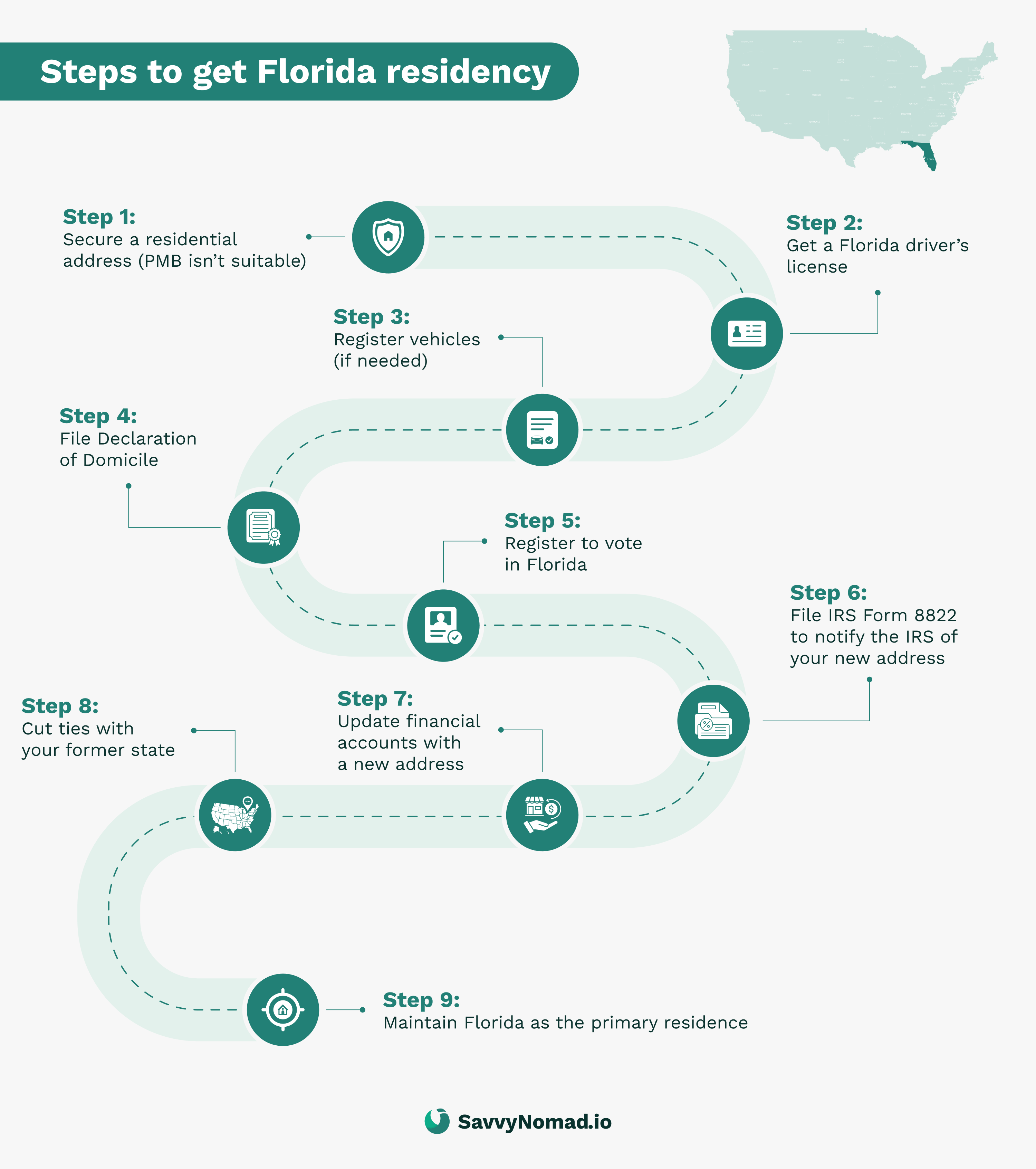
One of the most powerful and explicit ways to declare your intent is by filing a Declaration of Domicile with the clerk of the circuit court in your Florida county of residence. This legal document formally states your intention to establish Florida as your permanent home and abandon any previous residences. While not strictly mandatory for all aspects of residency, it serves as a strong piece of evidence, especially in cases related to tax residency or legal disputes. It’s a clear public record of your intent and is highly recommended.
Minimizing Connections to Your Former State
To truly establish Florida as your sole domicile, it’s advisable to reduce your presence and connections to your former state. This includes selling any property you own there, if applicable. If selling isn’t immediately feasible, consider converting it to an investment property and leasing it out, clearly signaling it’s no longer your primary residence. Update your will, trusts, and other estate planning documents to reflect Florida law and your new residency. Change your address with all former employers, clubs, and organizations. If you have professional licenses or memberships in your previous state that you no longer need, consider letting them lapse or transferring them. The goal is to make it unequivocally clear that your permanent home is now in Florida.
Immersing Yourself in Florida Life
Beyond the legalities, a genuine demonstration of intent comes from actively integrating into your new Florida community. Join local clubs, volunteer organizations, or community groups. Establish relationships with local doctors, dentists, and other service providers. Obtain a Florida library card. These actions, while seemingly minor, collectively paint a picture of someone genuinely making a life in the state, rather than just using it as a mailing address. Engaging with local businesses in cities like Jacksonville or Fort Lauderdale also contributes to this integration.
Navigating the Practicalities of the Move
The move to Florida involves practical considerations that go beyond legal paperwork. Thoughtful planning in these areas will ensure a smooth transition and help you settle into your new lifestyle effectively.
Choosing Your Florida Community
Florida is incredibly diverse, offering a range of communities to suit various lifestyles. Do you envision a bustling urban environment like Miami or St. Petersburg with vibrant nightlife and cultural scenes? Or perhaps a relaxed coastal town such as Naples or the Florida Keys known for its pristine beaches and water activities? Many prefer the family-friendly suburbs surrounding major cities, while others seek the tranquility of rural areas or the planned communities specifically designed for retirees. Researching different regions, visiting them if possible, and considering factors like job markets, school districts, healthcare access, and personal preferences for recreation are crucial.
Healthcare and Insurance
Upon establishing residency, you’ll need to update your healthcare providers and insurance. Research local doctors, specialists, and hospitals in your chosen community. If you have health insurance, check if your current plan is valid in Florida or if you need to enroll in a new one. Similarly, review your auto, home, and umbrella insurance policies. Florida has specific insurance requirements, particularly concerning hurricane coverage, so it’s essential to work with a local insurance agent to ensure you have adequate protection for your new property and assets.
Estate Planning and Legal Documents
Your move to Florida is an opportune time to review and update all your estate planning documents. Florida law governs wills, trusts, and powers of attorney, which may differ from your previous state’s regulations. Consult with a Florida attorney to ensure your documents are legally sound and reflect your wishes under state law. This includes updating beneficiaries, guardianships, and any specific directives regarding your assets and healthcare decisions. Having your legal affairs in order provides peace of mind as you embark on your new life.
Embracing the Florida Lifestyle
With the administrative tasks complete, the exciting part begins: truly living the Florida lifestyle. This means exploring your new surroundings and integrating into the vibrant culture.
Recreational Opportunities
Florida is a paradise for outdoor enthusiasts. From kayaking through mangrove tunnels to golfing on championship courses, the options are limitless. Explore the white sand beaches of the Gulf Coast or the Atlantic shores. Discover the unique ecosystems of the state parks, go fishing, boating, or simply relax by the water. Embrace the opportunity to try new activities like paddleboarding or snorkeling. The state’s natural beauty and commitment to outdoor spaces ensure there’s always something new to experience, contributing significantly to a healthy and active lifestyle.
Cultural and Culinary Experiences
Florida’s cultural scene is as diverse as its population. Major cities host world-class museums, theaters, and music venues. Art festivals, farmers’ markets, and local events are common occurrences throughout the year. The culinary landscape is also rich, offering everything from fresh seafood and farm-to-table dining to international cuisine influenced by the state’s diverse demographics. Take time to explore local eateries, discover hidden gems, and savor the unique flavors that define Florida’s gastronomic identity.

Building a New Community
Finally, truly embracing the Florida lifestyle involves building new social connections. Whether through neighborhood associations, hobby groups, volunteer work, or local clubs, actively seek out opportunities to meet new people and forge friendships. Engaging with your community not only enriches your personal life but also helps you feel more at home in your new state. Florida is known for its welcoming atmosphere, making it easier to connect with like-minded individuals and create a fulfilling social life.
Establishing Florida residency is a multi-faceted process that goes beyond a simple change of address. It’s a deliberate decision to embrace a new lifestyle, take advantage of significant benefits, and fully immerse yourself in the unique opportunities the state offers. By meticulously following these steps and actively engaging with your new environment, you can ensure a seamless transition and truly make the Sunshine State your permanent home.
LifeOutOfTheBox is a participant in the Amazon Services LLC Associates Program, an affiliate advertising program designed to provide a means for sites to earn advertising fees by advertising and linking to Amazon.com. Amazon, the Amazon logo, AmazonSupply, and the AmazonSupply logo are trademarks of Amazon.com, Inc. or its affiliates. As an Amazon Associate we earn affiliate commissions from qualifying purchases.