
In a state celebrated for its vibrant culture, stunning beaches, and a diverse population enjoying a wide array of activities, understanding the various facets of life in Florida is essential for residents and those considering making it their home. For many, a significant aspect of personal lifestyle in the United States includes the right to own firearms. Florida, known for its clear legal framework regarding gun ownership, presents a straightforward path for individuals seeking to obtain a gun license, specifically a Concealed Weapon or Firearm License (CWFL). This guide delves into the process, requirements, and responsibilities associated with securing such a license, framing it within the broader context of personal lifestyle choices and civic responsibility in the Sunshine State.

Understanding Florida’s Stance on Firearms and Lifestyle
Florida has long upheld the Second Amendment right to keep and bear arms, balancing individual liberties with public safety. For many residents, owning a firearm is not merely a legal right but a deeply ingrained part of their personal lifestyle, whether for self-defense, recreational shooting, hunting, or collecting. Understanding this cultural backdrop is the first step in navigating the licensing process.
The Right to Bear Arms in Florida
The Florida Constitution, like the U.S. Constitution, protects the right of individuals to keep and bear arms. The state has enacted laws that define the parameters of this right, ensuring that responsible citizens can exercise it while maintaining public order. The Concealed Weapon or Firearm License is a testament to this balance, allowing eligible individuals to carry firearms discreetly for personal protection. This legal framework reflects a lifestyle where personal security and the ability to defend oneself and one’s family are prioritized by many.
Why Florida Residents Seek Gun Licenses
The motivations behind obtaining a gun license in Florida are varied and often deeply personal. For some, it’s about enhancing personal security and the ability to protect against potential threats, which contributes to a sense of peace of mind in their daily lifestyle. Others pursue a license to facilitate participation in recreational activities such as target shooting at local ranges, competitive shooting sports, or hunting, all of which are popular pastimes that define a particular outdoor lifestyle in the state. Collecting firearms is another hobby that falls under this umbrella, where a license ensures legal and responsible ownership. Regardless of the specific reason, the decision to obtain a CWFL is a significant lifestyle choice that comes with considerable responsibility.
Eligibility Requirements for a Florida Concealed Weapon License
Before embarking on the application journey, it’s crucial to understand the stringent eligibility criteria set forth by the state. These requirements are designed to ensure that only responsible and law-abiding citizens are granted the privilege of carrying a concealed firearm. Adhering to these standards is not just a legal necessity but a commitment to a responsible lifestyle.
Residency and Age Criteria
To apply for a Florida CWFL, applicants must meet specific residency and age requirements. Generally, applicants must be 21 years of age or older. While non-residents can apply if they meet the specific criteria and are legally permitted to own a firearm in their home state, the process is primarily streamlined for Florida residents. Proof of Florida residency is typically established through a Florida driver’s license or state identification card. These fundamental requirements underscore the state’s intent to grant licenses to mature and established individuals who are likely to integrate this responsibility into their long-term lifestyle.
Background Checks and Disqualifiers
A cornerstone of Florida’s licensing process is a comprehensive background check. Applicants will be scrutinized for any history of felony convictions, certain misdemeanor offenses (particularly those involving violence or domestic abuse), and a history of mental health issues that could pose a risk to public safety. Furthermore, individuals who have been dishonorably discharged from the armed forces, have an injunction against them for domestic violence, or have certain drug-related convictions will be disqualified. This rigorous vetting process is critical to preventing firearms from falling into the wrong hands and reinforces the state’s commitment to fostering a safe environment for all residents, reflecting a lifestyle where communal safety is paramount.
The Application Process: A Step-by-Step Guide

Once eligibility is confirmed, navigating the application process requires attention to detail and adherence to specified procedures. The application itself is managed by the Florida Department of Agriculture and Consumer Services (FDACS), which oversees the issuance of CWFLs.
Required Training and Documentation
One of the most critical steps in obtaining a Florida CWFL is completing a certified firearm training course. This course must demonstrate competency with a handgun and typically includes both classroom instruction on firearm safety, legal aspects of gun ownership, and practical shooting exercises. Acceptable forms of training include courses taught by National Rifle Association (NRA) certified instructors, law enforcement training, or military experience. Proof of this training, usually a certificate of completion, is a mandatory part of the application package. Alongside the training certificate, applicants will need to provide a completed application form, passport-style photographs, and fingerprints. Gathering these documents meticulously is crucial for a smooth application process, signifying a responsible approach to incorporating gun ownership into one’s lifestyle.
Submitting Your Application
Applications for a Florida CWFL can be submitted online or by mail to the Florida Department of Agriculture and Consumer Services. Many applicants choose to visit one of the regional FDACS offices, where they can submit their application in person, often complete their fingerprinting, and have their photograph taken on-site. This option can sometimes expedite the initial processing. Regardless of the submission method, ensuring all forms are accurately filled out and all required documentation is attached is paramount to avoid delays. The application fee must also be paid at this stage.
What to Expect After Applying
After submitting a complete application, the FDACS will initiate a thorough background check. This process involves verifying criminal history, mental health records, and other disqualifying factors. The statutory period for processing a CWFL application is 90 days, though it can sometimes be shorter or longer depending on the volume of applications and the complexity of the background check. During this time, applicants can often check the status of their application online through the FDACS website. If approved, the license will be mailed to the applicant’s address. If denied, the applicant will receive a letter detailing the reasons for denial and information on how to appeal the decision. Patience and vigilance are key during this waiting period, reflecting a responsible and orderly approach to a significant lifestyle addition.
Responsible Gun Ownership: A Key Aspect of Florida Lifestyle
Obtaining a gun license is not the end of the journey; it is the beginning of a lifelong commitment to responsible firearm ownership. For those who integrate gun ownership into their lifestyle, understanding and adhering to the laws governing concealed carry and practicing safe handling are paramount.
Laws Governing Concealed Carry
A Florida CWFL permits the holder to carry a concealed weapon or firearm in most public places. However, there are specific locations where carrying a concealed weapon is prohibited, even with a license. These typically include schools, courthouses, polling places, government meetings, airports (beyond the security checkpoint), and establishments primarily devoted to serving alcoholic beverages for on-premises consumption. License holders are also required to carry their license and a valid identification whenever they are carrying a concealed firearm and must present them upon demand by law enforcement. Adhering to these laws is not just about legality; it’s about contributing to a safe and predictable lifestyle for everyone in the community.
Safe Storage and Handling Practices
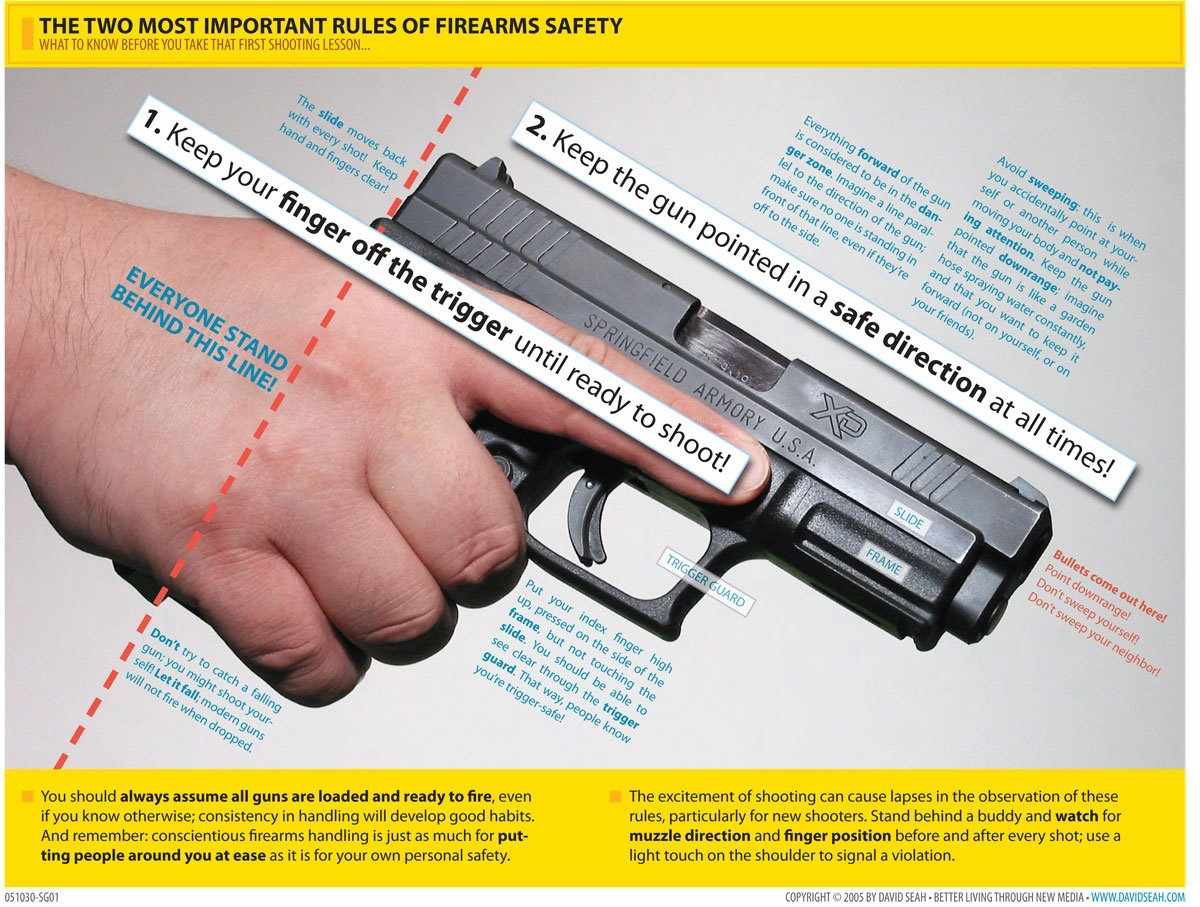
Responsible gun ownership extends beyond legal compliance to include diligent safety practices. Firearms should always be stored securely, ideally in a locked safe or with a trigger lock, especially in homes with children or individuals who should not have access to firearms. This prevents accidental discharge and unauthorized use. When handling a firearm, owners should always assume it is loaded, keep the muzzle pointed in a safe direction, keep their finger off the trigger until ready to shoot, and be sure of their target and what is beyond it. Regular training and practice at a licensed shooting range are also crucial for maintaining proficiency and reinforcing safe handling habits. These practices are cornerstones of a responsible lifestyle for any firearm owner.
Ongoing Responsibilities
A Florida CWFL is valid for seven years. Before its expiration, license holders must apply for renewal. The renewal process is typically less intensive than the initial application, but it still involves a background check and a renewal fee. License holders also have a responsibility to stay informed about any changes to Florida’s firearm laws. Ignorance of the law is not an excuse, and maintaining an informed and responsible approach is crucial for anyone choosing to include firearm ownership as part of their personal lifestyle in Florida.
In conclusion, obtaining a gun license in Florida is a structured process that requires careful attention to legal requirements, training, and ongoing responsibility. For many in the Sunshine State, it represents a significant personal lifestyle choice rooted in self-reliance, recreation, and civic engagement. By understanding and respecting the legal framework and embracing the responsibilities that come with firearm ownership, individuals can integrate this aspect responsibly into their lives while contributing to the overall safety and character of Florida’s diverse community.
LifeOutOfTheBox is a participant in the Amazon Services LLC Associates Program, an affiliate advertising program designed to provide a means for sites to earn advertising fees by advertising and linking to Amazon.com. Amazon, the Amazon logo, AmazonSupply, and the AmazonSupply logo are trademarks of Amazon.com, Inc. or its affiliates. As an Amazon Associate we earn affiliate commissions from qualifying purchases.