
Securing a Learner’s Permit in Florida is a pivotal step for anyone looking to gain driving independence and fully embrace the Sunshine State’s unique lifestyle. Whether you’re a teenager eager to hit the road or a new resident needing to navigate the state’s extensive road networks, understanding the process is crucial. Florida’s sprawling communities and often car-dependent infrastructure mean that a driver’s license isn’t just a convenience; it’s often a necessity for daily life, from commuting to work to exploring the vibrant attractions. This comprehensive guide will walk you through every aspect of obtaining your Florida Learner’s Permit, ensuring a smooth and successful journey toward becoming a licensed driver. By approaching this process with the right information, you’ll be well on your way to enjoying the freedom and flexibility that comes with driving in Florida.
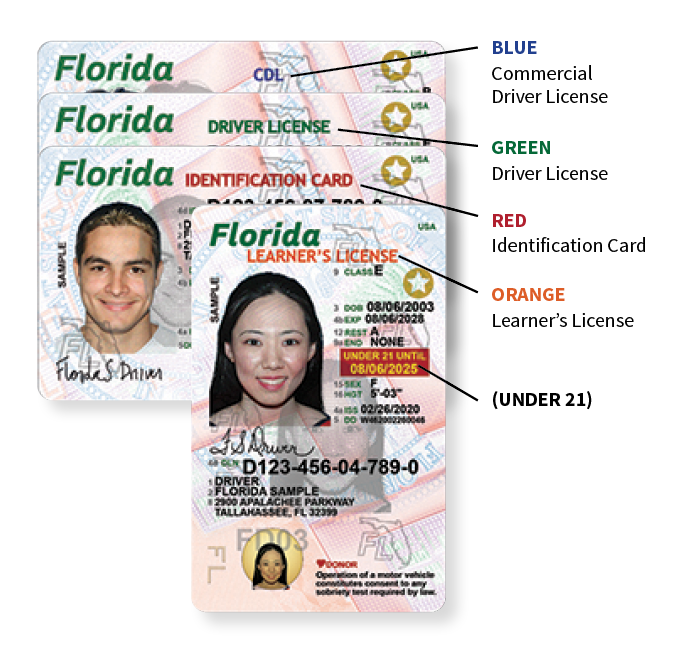
Understanding the Florida Learner’s Permit: What It Is and Why You Need It
The Florida Learner’s Permit, officially known as a Class E Learner’s Driver’s License, is the initial step in the state’s graduated driver licensing program. It’s designed to provide new drivers, particularly those under 18, with the opportunity to gain essential driving experience under supervision before they are granted full driving privileges. This structured approach helps foster safe driving habits and a deeper understanding of road rules, which is fundamental to Florida’s commitment to road safety.
What is a Learner’s Permit?
A Learner’s Permit is a restricted driver’s license that allows individuals to drive a motor vehicle when accompanied by a licensed driver. This accompanying driver must be at least 21 years old, hold a valid driver’s license, and occupy the front passenger seat. The permit itself is typically issued to new drivers who have met specific age and educational requirements but have not yet passed the full driving skills test. It’s a foundational document that signifies your entry into the world of driving, giving you the legal authorization to practice driving on public roads under supervision. For many Florida residents, especially those in less urbanized areas, acquiring a Learner’s Permit is a rite of passage and a symbol of growing independence.
Benefits of Obtaining Your Florida Learner’s Permit
Beyond the obvious benefit of learning to drive, securing your Florida Learner’s Permit offers several advantages that contribute to a more integrated and flexible lifestyle in the state. Firstly, it grants you the ability to gain practical, real-world driving experience. Florida’s diverse driving environments, from bustling city streets in Miami or Orlando to scenic coastal highways, require a nuanced understanding of traffic flow and road conditions. The permit allows you to practice in these varied settings. Secondly, it is a crucial prerequisite for obtaining a full Florida Driver’s License. Without it, you cannot progress to the next stage of independent driving. Thirdly, for new residents, having a learner’s permit signifies a step towards becoming self-sufficient and fully integrated into the local community, where personal transportation often plays a significant role in accessing employment, education, and leisure activities.
What You Can and Cannot Do with a Learner’s Permit
Understanding the restrictions associated with a Learner’s Permit is paramount for legal and safe driving practice. With a Florida Learner’s Permit, you can only drive during daylight hours for the first three months after issuance. After three months, you may drive until 10 p.m. In all instances, you must be accompanied by a licensed driver who is at least 21 years old and occupies the front passenger seat. You are also prohibited from driving motorcycles without a separate endorsement and specific training. Failure to adhere to these restrictions can lead to fines, penalties, and potentially a delay in obtaining your full Driver’s License. It’s designed to protect you and others, ensuring a supervised learning environment that minimizes risks.
Eligibility Requirements: Who Can Apply?
Before embarking on the application process, it’s essential to confirm you meet Florida’s specific eligibility criteria. These requirements are in place to ensure that all applicants are prepared and legally able to begin their driving journey responsibly.
Age Restrictions
The primary age requirement for a Florida Learner’s Permit is that you must be at least 15 years old. This minimum age allows young drivers to begin their education early, providing ample time to gain experience before becoming eligible for a full license. While there is no upper age limit, the process and requirements are primarily geared towards younger, first-time drivers.
Residency and Identification Proof
To apply for a Florida Learner’s Permit, you must establish proof of identity, two proofs of residential address, and your Social Security number. For identity, common documents include a certified U.S. birth certificate, a valid U.S. passport, or a certificate of naturalization. Non-U.S. citizens will need to provide appropriate immigration documents. Proof of residential address can be satisfied with utility bills, a lease agreement, or a bank statement displaying your current Florida address. These measures are crucial for verifying your identity and ensuring you are a legitimate Florida resident, which is a fundamental aspect of the state’s licensing regulations.
Parental Consent (for Minors)
If you are under 18 years old, a Parental Consent Form (HSMV 71142) must be signed by a parent or legal guardian. This form attests to the parent’s or guardian’s consent for the minor to obtain a Learner’s Permit and also confirms their acceptance of financial responsibility for any damages or injuries caused by the minor while driving. This legal requirement underscores the importance of parental involvement in the early stages of a minor’s driving education and reflects the state’s commitment to protecting young drivers and the public. The parent or guardian must be present at the Department of Highway Safety and Motor Vehicles (DHSMV) or Tax Collector’s Office when the minor applies for the permit, or their signature on the form must be notarized.
The Application Process: Step-by-Step Guide
Navigating the application process for a Florida Learner’s Permit can seem daunting, but by breaking it down into manageable steps, it becomes straightforward. Preparation is key to a hassle-free experience at the DHSMV.
Gather Required Documents
Before you even think about setting an appointment, compile all the necessary documents. This typically includes:
- Proof of Identity: Original or certified U.S. birth certificate, valid U.S. passport, or certificate of naturalization.
- Proof of Social Security Number: Your Social Security card or a W-2 form.
- Proof of Residential Address (Two Forms): Utility bills, a lease agreement, bank statements, or mail from a government agency.
- Parental Consent Form (if under 18): Form HSMV 71142, signed by a parent or legal guardian.
- Certificate of Completion for the TLSAE Course: Proof that you’ve finished the mandatory drug and alcohol course.
Having all these documents organized and readily available will significantly speed up your visit to the DHSMV or Tax Collector’s Office.
Complete the Traffic Law and Substance Abuse Education (TLSAE) Course
Before applying for your Learner’s Permit, all first-time drivers in Florida are required to complete a Traffic Law and Substance Abuse Education (TLSAE) course. This four-hour course covers essential topics such as traffic laws, the dangers of driving under the influence of drugs or alcohol, and defensive driving techniques. It can be taken online or in person at state-approved driving schools. Upon successful completion, you will receive a certificate, which you must present during your permit application. This course is a foundational element in promoting responsible driving habits and is a non-negotiable step in the permit acquisition process.
Schedule Your Appointment at the DHSMV or Tax Collector’s Office
While some locations might accept walk-ins, it is highly recommended to schedule an appointment online with the Florida Department of Highway Safety and Motor Vehicles (DHSMV) or your local Tax Collector’s Office. This will save you considerable waiting time and ensure a smoother process. The DHSMV website offers an appointment scheduler where you can select a convenient date and time. Remember to choose a location that is accessible for you and your accompanying parent/guardian if you are a minor.
The Application Day: Tests and Fees
On the day of your appointment, arrive punctually with all your compiled documents. You will typically be required to:
- Present Documents: Hand over all your identification, residency, Social Security proof, and your TLSAE completion certificate.
- Take a Vision Test: This simple test ensures your eyesight meets the minimum requirements for safe driving. If you wear corrective lenses, bring them.
- Take a Hearing Test: A basic assessment to ensure you can hear adequately for driving purposes.
- Take the Knowledge Exam: This is a multiple-choice test on Florida traffic laws and road signs. It consists of 50 questions, and you must answer at least 40 correctly (80%) to pass.
- Pay the Fee: There is a fee for the Learner’s Permit. Check the DHSMV website for the most current fee structure, as it can change.
Once you successfully complete these steps and pass the tests, your photo will be taken, and you will be issued your temporary Florida Learner’s Permit on the spot. The physical card will be mailed to you within a few weeks.
Preparing for Your Permit Tests: Knowledge and Vision
Success on the permit tests requires diligent preparation. While the vision and hearing tests are usually straightforward, the written knowledge exam demands a good understanding of Florida’s driving regulations.
The Written Knowledge Exam
The written knowledge exam assesses your understanding of Florida traffic laws, road signs, and safe driving practices. All the information needed to pass this test is contained within the official Florida Driver Handbook. This comprehensive manual is available for free on the DHSMV website and at any DHSMV office. Focus on sections covering traffic signs and signals, right-of-way rules, speed limits, parking regulations, and the effects of alcohol and drugs on driving. Many online resources and driving schools also offer practice tests that can simulate the actual exam environment, helping you identify areas where you need further study.
The Vision Test
The vision test is a quick screening to ensure your eyesight meets the minimum standards required for safe driving. You will be asked to read letters or identify shapes on an eye chart. If you wear glasses or contact lenses, be sure to wear them for the test. If you fail the vision test, you may be required to get an eye exam from a licensed ophthalmologist or optometrist and submit a completed Vision Examination Form (HSMV 71120) from your doctor. Adequate vision is fundamental to road safety, allowing you to react to changing traffic conditions and road hazards effectively.
Practice Resources and Tips
To maximize your chances of passing the knowledge exam on your first attempt, follow these tips:
- Read the Florida Driver Handbook thoroughly. Don’t just skim it; understand the concepts.
- Take practice tests regularly. Numerous free online practice tests mimic the format and content of the actual exam. These are invaluable for identifying weak areas.
- Study road signs: Memorize the shapes, colors, and meanings of common road signs.
- Form a study group: Discussing rules and scenarios with peers can reinforce your understanding.
- Don’t cram: Start studying well in advance of your appointment.
- Get a good night’s sleep: Be well-rested and alert on test day.
Key Restrictions and Next Steps After Getting Your Permit
Congratulations! Once you’ve successfully obtained your Florida Learner’s Permit, your journey toward full driving independence truly begins. However, it’s crucial to understand the limitations and responsibilities that come with it.
Driving Restrictions for Learner’s Permit Holders
As mentioned earlier, your Learner’s Permit comes with strict restrictions designed to facilitate safe learning:
- Supervision: You must always be accompanied by a licensed driver who is at least 21 years old and occupies the front passenger seat.
- Daylight Driving: For the first three months, you can only drive during daylight hours (defined as from 30 minutes before sunrise to 30 minutes after sunset).
- Extended Hours: After three months, you may drive until 10 p.m., still under the supervision of an eligible licensed driver.
- No Motorcycles: Your permit does not allow you to operate a motorcycle.
Adhering to these rules is not just about avoiding legal penalties; it’s about prioritizing safety and gaining experience responsibly.
Gaining Driving Experience
The period you hold your Learner’s Permit is dedicated to acquiring practical driving experience. Florida requires you to hold your permit for at least 12 months (or until you turn 18, whichever comes first) and log at least 50 hours of supervised driving practice, with 10 of those hours completed at night. Keep a log of your driving hours, as you’ll need a parent or guardian to certify these hours when you apply for your intermediate Driver’s License. Practice driving in various conditions – different times of day (within your restrictions), varying weather, and different types of roads (residential, urban, highways). This diverse experience will build your confidence and refine your skills, preparing you for the full driving test.

Transitioning to a Florida Driver’s License
After holding your Learner’s Permit for the required duration and accumulating the necessary supervised driving hours, you will be eligible to apply for an intermediate (Class E) Driver’s License. This next step involves passing a practical driving test (road test) administered by the DHSMV or an approved third-party testing facility. You’ll need to demonstrate your ability to operate a vehicle safely and competently, including maneuvers like three-point turns, parallel parking, and maintaining proper lane control. Successfully obtaining your full Driver’s License signifies your readiness for independent driving and unlocks the full extent of mobility that is so integral to the Florida lifestyle. Keep practicing, stay informed, and drive safely!
LifeOutOfTheBox is a participant in the Amazon Services LLC Associates Program, an affiliate advertising program designed to provide a means for sites to earn advertising fees by advertising and linking to Amazon.com. Amazon, the Amazon logo, AmazonSupply, and the AmazonSupply logo are trademarks of Amazon.com, Inc. or its affiliates. As an Amazon Associate we earn affiliate commissions from qualifying purchases.