
Securing a driver’s permit in Florida is more than just a bureaucratic step; it’s a pivotal moment in one’s personal lifestyle journey, opening doors to unprecedented freedom and independence. For many, it signifies the first true taste of adult responsibility, while for new residents, it’s an essential adaptation to navigating the Sunshine State’s expansive roads and vibrant communities. Florida, a state renowned for its diverse landscapes, from the bustling urban centers of Miami and Orlando to the tranquil beaches and sprawling natural preserves, demands a degree of personal mobility that is often best achieved behind the wheel. Understanding the process to obtain your learner’s permit is the foundational step in embracing this lifestyle, ensuring you can explore, commute, and connect without relying on others. This comprehensive guide will illuminate every aspect of acquiring your permit, transforming a potentially daunting task into a clear, manageable process.
Navigating Florida’s Permit Process: A Lifestyle Essential
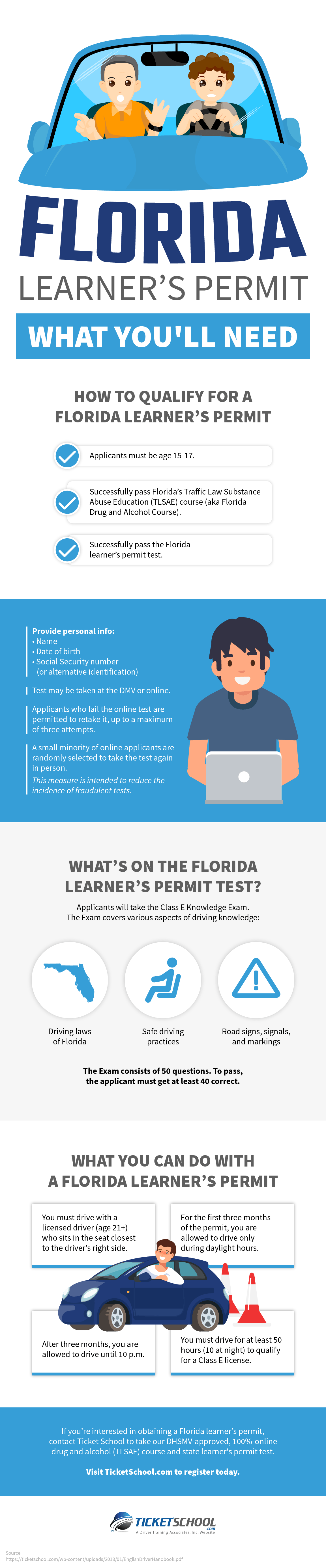
A driver’s learner’s permit, commonly referred to simply as a permit, serves as the gateway to becoming a fully licensed driver in Florida. It’s designed to allow new drivers, particularly those under 18, to gain supervised driving experience before they are eligible for a full license. For anyone looking to establish a more independent lifestyle in Florida – whether a teenager eager to drive to school or a new resident needing to commute to work in cities like Tampa or Jacksonville – this permit is a critical document. It provides the legal authorization to practice driving under specific conditions, ensuring safety and competence on the road. Without it, the vast opportunities for exploration and daily living that Florida offers can remain out of reach, making the permit an indispensable tool for a truly mobile and self-sufficient lifestyle.
Eligibility and Prerequisites: Laying the Foundation
Before you can even think about getting behind the wheel, Florida has specific requirements that applicants must meet. These prerequisites are in place to ensure that all prospective drivers have a basic understanding of road safety and are mature enough to handle the responsibilities of driving. Gathering all necessary documentation and completing pre-application courses efficiently can significantly streamline your permit acquisition process.
Age Requirements
To apply for a learner’s permit in Florida, you must be at least 15 years old. This minimum age allows young drivers to begin their supervised training early, fostering responsible driving habits from a formative age. While 15 is the minimum, there’s no upper age limit, meaning adults new to driving or new to the state will follow a similar process.
Required Documentation
This is perhaps the most crucial step, as missing even one document can lead to delays. The Florida Department of Highway Safety and Motor Vehicles (FLHSMV) requires specific proofs to verify your identity, residency, and legal presence in the United States. Make sure to bring original documents, as photocopies are generally not accepted.
- Proof of Identity: This typically includes your original U.S. birth certificate, a valid U.S. passport, or a certificate of naturalization. For non-U.S. citizens, valid immigration documents are required.
- Proof of Social Security Number (SSN): Your Social Security card or a document demonstrating your SSN (e.g., W-2 form, pay stub showing full SSN).
- Proof of Residential Address in Florida: You’ll need two different documents showing your current residential address in Florida. Acceptable documents include a utility bill, a lease agreement, a school transcript, or a bank statement. If you’re under 18 and living with a parent or guardian, they may need to provide their proof of residency along with an affidavit of domicile.
- Parental Consent Form: If you are under 18 years old, a parent or legal guardian must complete and sign a Parental Consent Form (HSMV 71142) in the presence of a FLHSMV examiner or a notary public. This form grants permission for the minor to obtain a permit.
Traffic Law and Substance Abuse Education (TLSAE) Course
Before taking the written knowledge exam, all first-time drivers in Florida are mandated to complete a Traffic Law and Substance Abuse Education (TLSAE) course. This 4-hour course covers essential topics such as traffic laws, the dangers of impaired driving, and safe driving practices. The TLSAE course is available through various providers, both online and in-person, offering flexibility to fit into any lifestyle. Completing this course not only fulfills a state requirement but also equips you with vital knowledge to navigate Florida’s roads safely and responsibly.
The Application Journey: Step-by-Step Guide
Once you’ve met the preliminary requirements and gathered your documents, the actual application process for your Florida learner’s permit unfolds in a series of steps designed to test your knowledge and physical capabilities. Each stage is crucial and requires careful attention to detail.
Completing the TLSAE Course
As mentioned, the TLSAE course is a prerequisite. Many providers offer this course entirely online, allowing you to learn at your own pace from the comfort of your home. This flexibility is a significant advantage, enabling you to integrate the course into your busy schedule without disruption. Ensure you choose a provider approved by the FLHSMV. Upon successful completion, your course information is usually submitted electronically to the FLHSMV, though it’s always wise to keep a certificate of completion for your records.
Studying the Florida Driver’s Handbook
The official Florida Driver’s Handbook is your bible for the written knowledge exam. This comprehensive guide details all the traffic laws, road signs, and safe driving practices specific to Florida. Do not underestimate the importance of thoroughly studying this handbook. It’s not just about memorizing answers; it’s about understanding the rules that keep you and others safe on the road. Many online resources also offer practice tests that simulate the actual exam, which can be incredibly helpful for gauging your readiness.
Passing the Written Knowledge Exam
The written knowledge exam consists of 50 multiple-choice questions covering traffic laws and road signs. To pass, you must correctly answer at least 40 questions (80%). For minors (under 18), the exam can often be taken online through an approved third-party provider, under parental supervision. This option offers convenience, but be aware that certain rules apply, such as the need for parental presence. Adults, and minors who prefer to, can take the exam in person at a FLHSMV service center. Regardless of where you take it, preparation is key. Focus on understanding the material, not just rote memorization.
Vision and Hearing Tests
After passing the written exam, you will undergo a vision and hearing test, typically administered at the FLHSMV service center. The vision test is straightforward, evaluating your ability to read letters and numbers at a distance, and ensuring your peripheral vision meets state standards. The hearing test is also basic, confirming you can adequately hear sounds. If you wear corrective lenses or hearing aids, be sure to bring them and wear them during the tests.
Visiting a FLHSMV Service Center
This is the culmination of your efforts. You’ll need to visit a FLHSMV service center to finalize your application. It’s highly recommended to schedule an appointment online in advance to avoid long wait times, especially in populous areas like Miami or Orlando.
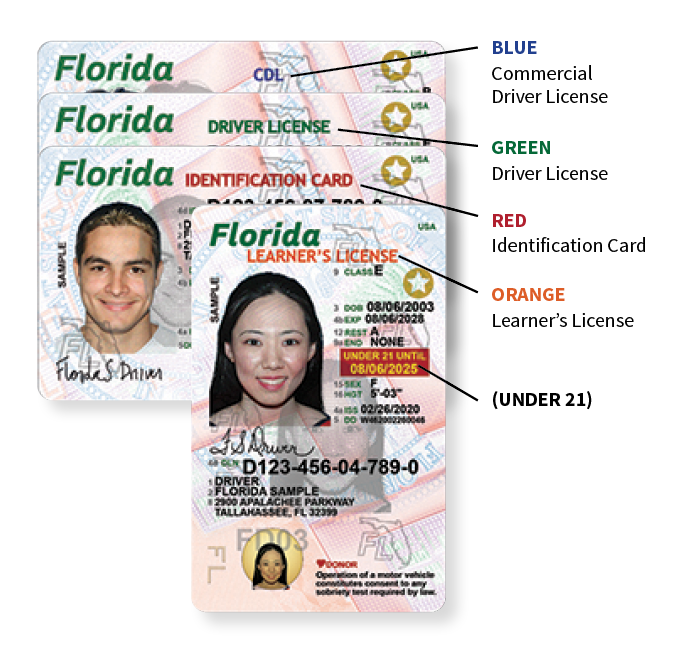
- Bring All Documents: Double-check that you have all your original identity, SSN, and residential proof documents, along with your TLSAE completion certificate (if not electronically submitted) and the Parental Consent Form if applicable.
- Fee Payment: Be prepared to pay the application fee for your learner’s permit. The fee amount is relatively small and can typically be paid by cash, credit/debit card, or check.
- Photograph and Fingerprinting: At the service center, a photograph will be taken for your permit, and your fingerprints will be scanned as part of the identity verification process.
Once all these steps are successfully completed, and your application is approved, you will be issued your official Florida learner’s permit.
Understanding Your Learner’s Permit Privileges and Restrictions
Your new Florida learner’s permit comes with specific privileges, but also important restrictions designed to ensure your safety and the safety of others as you gain experience. Understanding these limitations is crucial for legal and responsible driving practice.
Driving with Supervision
The primary restriction for a learner’s permit holder is that you must always be accompanied by a licensed driver. This supervising driver must be at least 21 years old and occupy the front passenger seat. Their role is to provide guidance, intervene if necessary, and ensure safe driving practices. This hands-on mentorship is invaluable for developing practical driving skills and confidence.
Curfew for Minors
If you are under 18, specific curfew hours apply during your permit phase. For the first three months after your permit is issued, you may only drive between 6 AM and 10 PM. After these initial three months, your driving hours extend from 6 AM to 11 PM. These restrictions are designed to limit driving during periods of increased risk for inexperienced drivers.
Road Test Preparation
Your learner’s permit is a temporary step towards a full driver’s license. The ultimate goal is to accumulate enough supervised driving hours and experience to pass the actual road test. During your permit phase, focus on practicing a wide range of driving scenarios, including parallel parking, three-point turns, lane changes, and navigating different traffic conditions. The more varied your practice, the better prepared you’ll be for the road test.
From Permit to Provisional License
To advance from a learner’s permit to an intermediate (Class D) driver’s license in Florida, you must:
- Hold your learner’s permit for at least one full year (12 months) OR until you turn 18, whichever comes first.
- Have absolutely no traffic convictions during that 12-month period. Any traffic offenses could extend the required permit holding period.
- Complete at least 50 hours of supervised driving practice, with 10 of those hours being at night. A parent or guardian must certify these hours.
- Pass the road skills test (driving test).
Tips for a Smooth Process and Safe Driving in Florida
Obtaining your permit marks the beginning of your driving journey, but the learning never truly stops. Here are some tips to ensure a smooth process and a safe, enjoyable driving experience in Florida:
Plan Ahead
Start early by gathering all necessary documents well in advance. Check the FLHSMV website for the most current requirements and forms. Procrastination can lead to unnecessary stress and delays.
Utilize Online Resources
The FLHSMV website is a treasure trove of information, including the Florida Driver’s Handbook, practice tests, and details on approved TLSAE providers. Leverage these resources to prepare thoroughly for your exams.
Practice Consistently
The key to becoming a confident and competent driver is consistent practice. Don’t just drive when you have to; seek opportunities to practice different maneuvers, drive in varying conditions (weather permitting, and always safely), and explore unfamiliar routes with your supervising driver.
Stay Calm and Focused
Both the written exam and the upcoming road test can be stressful. Approach them with a clear mind. Read questions carefully, take your time, and trust your preparation. When driving, eliminate distractions and always prioritize safety.
Embrace Florida’s Driving Culture
Driving in Florida means being aware of its unique characteristics. You’ll encounter a significant number of tourists, diverse road users, and often unpredictable weather patterns, including heavy rain. Always drive defensively, be patient, and anticipate the actions of other drivers. Understanding and adapting to the local driving environment is a crucial aspect of a safe and independent lifestyle in the Sunshine State.
Getting your permit in Florida is an exciting and empowering step. By diligently following these guidelines and committing to safe driving practices, you’ll not only successfully navigate the permit process but also unlock a new level of freedom and mobility, enriching your lifestyle in this beautiful and dynamic state.
LifeOutOfTheBox is a participant in the Amazon Services LLC Associates Program, an affiliate advertising program designed to provide a means for sites to earn advertising fees by advertising and linking to Amazon.com. Amazon, the Amazon logo, AmazonSupply, and the AmazonSupply logo are trademarks of Amazon.com, Inc. or its affiliates. As an Amazon Associate we earn affiliate commissions from qualifying purchases.