
Navigating the intricacies of personal identification documents can often feel like a daunting task, yet it’s a crucial aspect of modern life, especially in a dynamic state like Florida. For residents, understanding “How To Get Real ID In Florida?” is not just about compliance, but about unlocking seamless access to various facets of their lifestyle, from domestic air travel to entry into federal facilities. The Real ID Act, passed by Congress in 2005, established minimum security standards for state-issued driver licenses and identification cards and prohibits federal agencies from accepting for certain purposes driver licenses and identification cards from states that do not meet these standards. This guide will provide a comprehensive, step-by-step walkthrough for obtaining your Real ID in Florida, ensuring you’re well-equipped for any journey or necessity that comes your way.
Understanding the Real ID Act and Its Importance for Your Lifestyle
The landscape of personal identification has evolved significantly since 9/11, leading to the enactment of the Real ID Act. This legislation was a direct recommendation from the 9/11 Commission, aiming to enhance security by setting stricter standards for state-issued identification documents. For residents of the United States, particularly in a bustling state like Florida, understanding this federal mandate is paramount to maintaining an unrestricted lifestyle.
What is a Real ID?
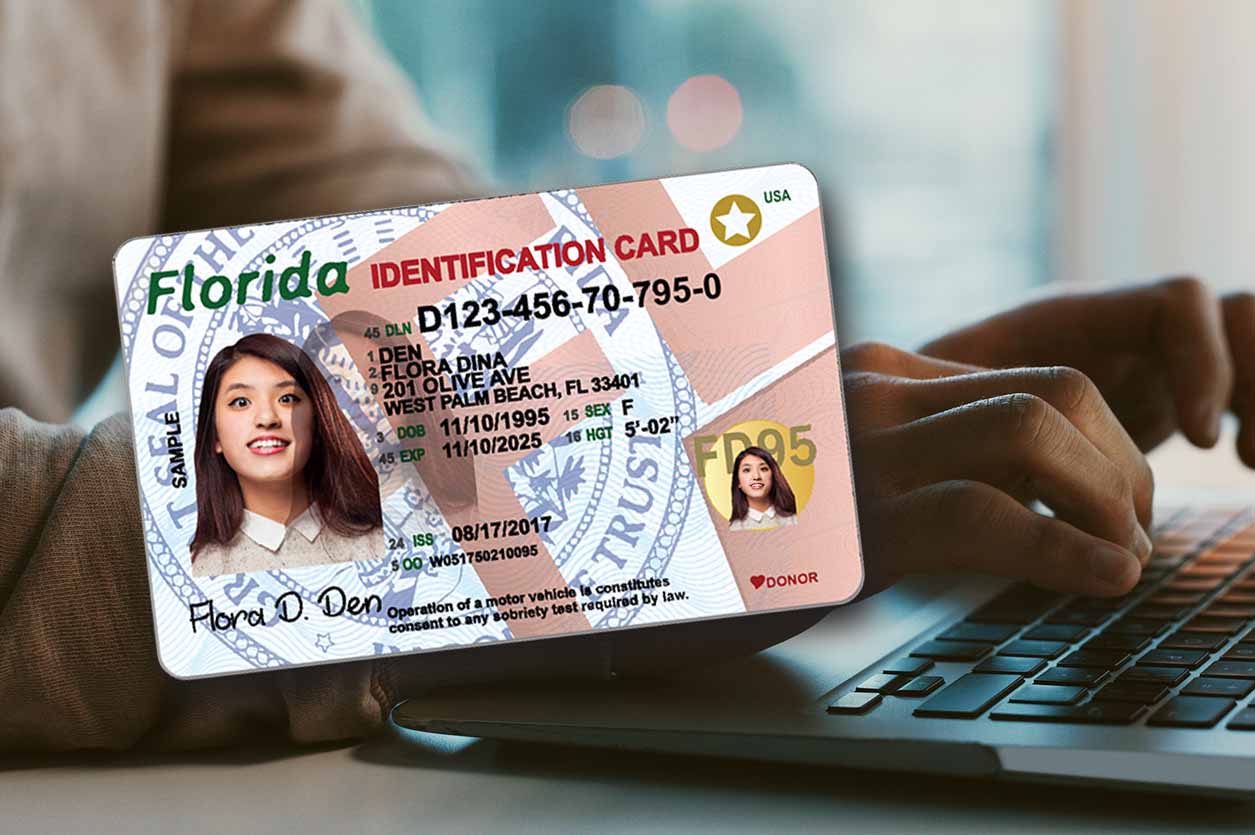
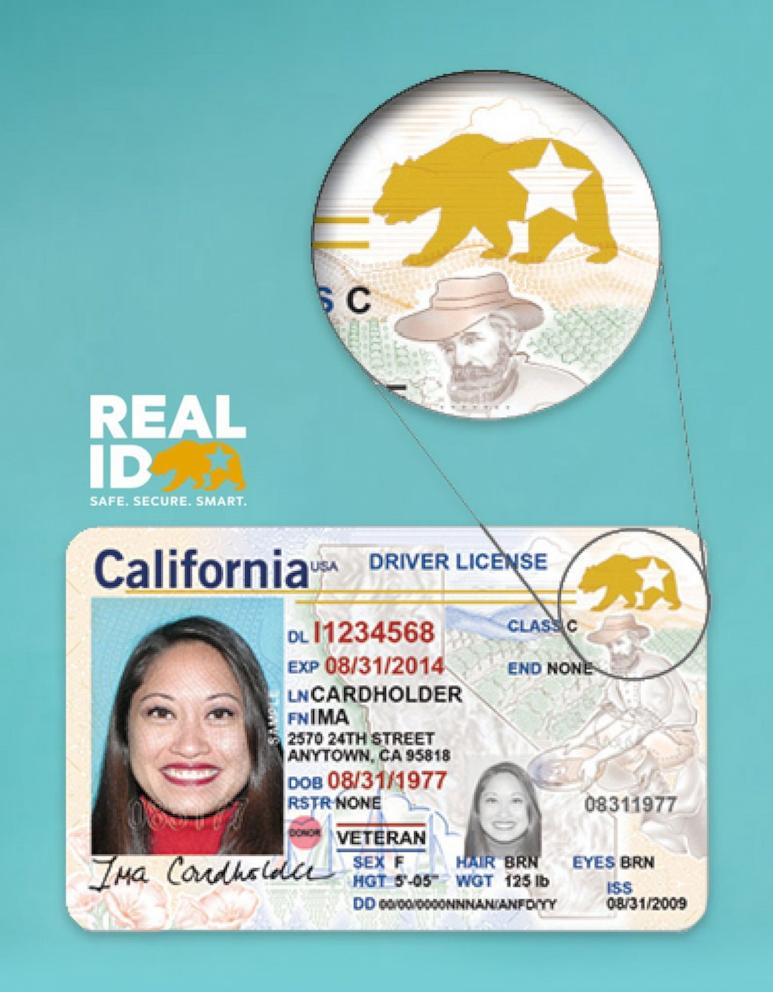
A Real ID-compliant driver license or identification card is a government-issued document that meets the enhanced security standards set forth by the Real ID Act. Visually, it’s typically distinguishable by a star symbol — usually gold or black — located in the upper right-hand corner of the card. This star signifies that the cardholder has provided all the necessary documentation to prove their identity, legal status, Social Security number, and residency to the issuing state agency. It’s more than just a driver’s license; it’s a verified credential that aligns with federal security protocols, making it a powerful tool for identity verification in an increasingly security-conscious world.
Why is a Real ID Essential for Floridians?
For Floridians, obtaining a Real ID is not merely an optional upgrade; it’s a practical necessity that profoundly impacts daily life and travel. Starting May 7, 2025, individuals will need a Real ID-compliant driver license or identification card, or another acceptable form of identification (such as a U.S. passport), to board federally regulated domestic flights and to enter secure federal facilities, including military bases and nuclear power plants. Imagine planning a spontaneous trip from Orlando to New York City or needing to access a federal building for official business – without a Real ID, these actions could be stalled or impossible. This requirement ensures smoother transitions through security checkpoints, less hassle, and continued access to critical services and travel opportunities, making it a cornerstone of a modern, mobile lifestyle.
Distinguishing Real ID from Standard Florida Driver Licenses/ID Cards
Prior to the Real ID implementation, Florida issued standard driver licenses and ID cards that did not require the same rigorous documentation. While these standard cards are still valid for driving and everyday identification purposes within the state, they will not be accepted for federal identification purposes after the May 7, 2025, deadline. The key differentiator is the star symbol on the Real ID, which serves as a quick visual cue to federal officials that the card meets the higher security benchmarks. Non-Real ID compliant cards typically state “NOT FOR FEDERAL IDENTIFICATION” or similar wording. It’s crucial for Floridians to understand this distinction and plan accordingly to avoid any disruptions to their travel plans or access needs.
Eligibility and Documentation: The First Steps
Embarking on the journey to obtain a Real ID in Florida begins with understanding the core requirements: who is eligible and, critically, what documents you need to prove your identity and residency. This meticulous process ensures the integrity of the Real ID system and the security of your identity. Gathering the correct paperwork upfront is the most crucial step to ensure a smooth and successful application.
Who Can Apply for a Real ID in Florida?
Generally, any legal resident of Florida is eligible to apply for a Real ID-compliant driver license or identification card. This includes U.S. citizens, permanent residents (green card holders), and non-U.S. citizens with valid, verifiable legal status within the United States. Individuals must be able to provide proof of identity, a Social Security number, and two proofs of residential address. The Real ID is not exclusive to drivers; non-driving Floridians can also obtain a Real ID-compliant identification card for federal purposes. It’s important to note that specific documentation requirements will vary slightly based on your citizenship or legal status, making it essential to review the Florida Department of Highway Safety and Motor Vehicles (FLHSMV) website for personalized guidance.
Gathering Your Proof of Identity
The cornerstone of your Real ID application is robust proof of identity. For U.S. citizens, acceptable documents typically include an original or certified birth certificate issued by a U.S. state or the District of Columbia, a valid U.S. passport or passport card, or a Certificate of Naturalization. Foreign-born applicants must provide proof of legal presence, such as a valid permanent resident card (Form I-551), an unexpired foreign passport with a valid U.S. visa, and an I-94 form, or other documentation from U.S. Citizenship and Immigration Services (USCIS) verifying their legal status. All documents must be originals; photocopies are not accepted. Ensuring your name on these documents matches exactly is vital; if not, additional proof of name change (e.g., marriage certificate, court order) will be required.
Establishing Proof of Social Security Number
Providing proof of your Social Security number (SSN) is another mandatory component of the Real ID application in Florida. Acceptable documents include your Social Security card, a W-2 form, a pay stub with your SSN, or a 1099 form. The document must clearly display your full name and SSN. If you cannot locate your Social Security card, official documents from the Social Security Administration verifying your SSN are also acceptable. It’s crucial to ensure that the name on your SSN document aligns with your identity documents; any discrepancies will require further explanation and possibly additional documentation.
Verifying Your Florida Residential Address
To prove your Florida residency, you will need to present two different documents from two different sources that show your residential street address. Post office boxes are not acceptable for this purpose. Common examples include a utility bill (electricity, water, gas, cable), a mortgage statement or lease agreement, a car registration, a selective service card, a voter registration card, or a bank statement. The documents must be current, generally within the last 90 days, and clearly display your name and physical address. If you’ve recently moved or don’t have utility bills in your name, alternative documents like a declaration of domicile or a notarized statement from a landlord can sometimes be used, but it’s always best to check the FLHSMV website for the most current list of accepted proofs.
The Application Process: Navigating the Florida DMV
With all your necessary documents meticulously gathered, the next phase is to navigate the application process itself. While it might conjure images of long lines and bureaucratic hurdles, the Florida Department of Highway Safety and Motor Vehicles (FLHSMV) has streamlined much of the process. Preparing adequately for your visit can significantly reduce wait times and ensure a seamless experience, ultimately saving you time and stress.
Locating Your Nearest Florida Driver License Office
The first practical step is to identify the most convenient driver license or motor vehicle service center in Florida that processes Real ID applications. The FLHSMV website provides a comprehensive locator tool where you can search by zip code or county. It’s advisable to check the specific office hours, services offered, and estimated wait times before heading out. Some county tax collector’s offices also offer driver license services, including Real ID issuance, and they might have different operating hours or appointment systems. Confirming these details beforehand can help you select an office that best fits your schedule and minimizes potential delays.
What to Expect During Your Visit
Upon arriving at the Florida driver license office, you will typically be required to check in, sometimes via a self-service kiosk, and receive a queue number. Once your number is called, you’ll meet with a customer service representative. This is where you’ll present all your original documentation for review. The representative will meticulously verify your proofs of identity, Social Security number, and residential address. Be prepared for a vision test if you are applying for a driver’s license. You will also have your photograph taken for the new card. Finally, you will pay the applicable fee for the Real ID-compliant driver license or identification card. The process is designed to be thorough, ensuring that all federal standards are met, so patience and preparedness are key.
Online Pre-Application and Appointment Scheduling Tips
To enhance efficiency and reduce in-person wait times, the FLHSMV often provides options for online pre-applications and appointment scheduling. Utilizing an online pre-application can allow you to fill out most of the required information from the comfort of your home, potentially speeding up your in-office visit. More importantly, scheduling an appointment is highly recommended. Many offices now prioritize scheduled appointments, meaning you could bypass significant wait times experienced by walk-in applicants. Visit the FLHSMV website or your local county tax collector’s website to see if online scheduling is available for the office you plan to visit. Booking an appointment well in advance, especially during peak times, can make your Real ID acquisition process considerably smoother.
Common Hurdles and How to Overcome Them
While the process for obtaining a Real ID in Florida is well-defined, applicants may encounter specific challenges. Being aware of these potential hurdles and knowing how to address them can save you significant time and frustration, ensuring a smoother journey toward securing your compliant identification. Proactive preparation, particularly concerning documentation, is your best defense against unexpected setbacks.
Name Changes and Supporting Documentation
One of the most frequent challenges applicants face relates to name discrepancies across their identification documents. If your current name differs from the name on your birth certificate or other primary identity documents (e.g., due to marriage, divorce, or legal name change), you must provide supporting legal documentation for every name change. This could include certified marriage certificates, divorce decrees, or court orders for name changes. Each document must be an original or certified copy. It’s critical that a complete “chain of name changes” is presented to link your current legal name back to the name on your birth certificate or other primary identity proof. Failing to provide this unbroken chain is a common reason for application delays.
Out-of-State Applicants Moving to Florida
Individuals moving to Florida from another state and seeking a Real ID face a slightly different set of requirements. While you will still need to provide proof of identity, Social Security number, and two proofs of Florida residency, you will also need to surrender your out-of-state driver’s license or ID card. If your previous out-of-state ID was Real ID-compliant, that doesn’t automatically mean your new Florida Real ID will be simpler to obtain. Florida will still require you to submit all the necessary original documents to meet its specific Real ID issuance criteria. It’s advisable to visit the Florida Department of Highway Safety and Motor Vehicles (FLHSMV) website specifically for “New Residents” to get the most accurate and current information tailored to your situation.
Special Considerations for Non-U.S. Citizens
Non-U.S. citizens applying for a Real ID in Florida must meet additional requirements to prove their legal presence in the United States. This typically involves providing original documents from U.S. Citizenship and Immigration Services (USCIS), such as a valid Permanent Resident Card (Form I-551), an unexpired foreign passport with a valid U.S. visa, or an Employment Authorization Document (EAD). The validity period of your Real ID-compliant card will be tied to the expiration date of your legal presence documents. If your legal status has an indefinite end date, the card may be valid for a longer period, typically up to eight years. It is paramount for non-U.S. citizens to consult the FLHSMV website or contact them directly to understand the exact documents required for their specific immigration status, as requirements can be complex and subject to change.
Maintaining Your Real ID and Future Implications
Obtaining your Real ID in Florida is a significant step towards a seamless lifestyle, but it’s not a one-time affair. Understanding the renewal process and the broader implications of this federal mandate ensures that your identification remains valid and continues to serve its purpose for domestic travel and federal access. Proactive management of your Real ID means you’re always prepared for whatever your dynamic lifestyle demands.
Renewal Procedures for Your Florida Real ID
Once you have your Florida Real ID-compliant driver license or identification card, the renewal process is generally simpler than the initial application. For most residents, renewals can often be completed online, by mail, or in person at a Florida Department of Highway Safety and Motor Vehicles (FLHSMV) office. If you initially presented all the required Real ID documents and they are now digitized in the FLHSMV system, subsequent renewals may not require you to resubmit all original proofs of identity, SSN, and residency. However, if your personal information (like your address) has changed, or if your previous renewal was done without full Real ID documentation (which is less likely now), you might be asked to provide updated proofs. It’s always best practice to check your specific renewal notice or the FLHSMV website for exact instructions pertaining to your card’s expiration and renewal eligibility.

The Future of Identification and Domestic Travel
The Real ID Act has fundamentally reshaped the landscape of domestic identification in the United States, and its influence will only grow. As the May 7, 2025, deadline approaches and passes, the Real ID will become the standard for critical activities like boarding commercial flights and accessing federal facilities. This long-term initiative by the Department of Homeland Security underscores a commitment to national security, but it also places responsibility on individuals to ensure their documentation is compliant. Beyond the immediate requirements, the Real ID serves as a foundation for future digital identity initiatives and more integrated security systems. For Floridians, maintaining a valid Real ID means uninterrupted access to air travel, peace of mind when dealing with federal agencies, and an overall more efficient interaction with the systems that govern our modern lifestyle. Ensuring your Real ID is always current is a small but critical investment in your personal freedom and mobility within the nation.
LifeOutOfTheBox is a participant in the Amazon Services LLC Associates Program, an affiliate advertising program designed to provide a means for sites to earn advertising fees by advertising and linking to Amazon.com. Amazon, the Amazon logo, AmazonSupply, and the AmazonSupply logo are trademarks of Amazon.com, Inc. or its affiliates. As an Amazon Associate we earn affiliate commissions from qualifying purchases.