
Embarking on a journey of personal transformation often involves a critical step: legally changing your name. Whether spurred by marriage, divorce, a desire for a fresh start, or aligning with one’s true identity, altering your name in Florida is a structured legal process. While seemingly daunting, understanding the step-by-step requirements can empower you to navigate this significant lifestyle decision with confidence and clarity. This comprehensive guide outlines the procedures, necessary documentation, and important considerations for legally changing your name in the Sunshine State, helping you move forward with your updated identity.
Understanding the Name Change Process in Florida
A name change in Florida is typically achieved through a court order, ensuring your new identity is recognized across all legal and administrative facets of your life. It’s more than just a preference; it’s a legal declaration that requires adherence to specific state statutes.

Who Can Change Their Name?
Generally, any adult residing in Florida can petition for a name change, provided they meet certain criteria. Minors can also have their names changed, though this process involves additional considerations and usually requires parental consent or a compelling reason presented to the court. The primary requirement for adults is often simply demonstrating a legitimate reason for the change and not seeking to defraud or avoid legal obligations.
Reasons for a Name Change
People pursue a legal name change for a multitude of personal and practical reasons, each reflecting a unique life chapter or profound personal decision. Common motivations include:
- Marriage: Adopting a spouse’s surname or creating a hyphenated name. While typically handled during the marriage license application, sometimes a court petition is necessary for more complex changes.
- Divorce: Restoring a maiden name or a previous surname. This is often an optional part of the divorce decree but may require a separate petition if not explicitly included.
- Personal Preference: Simply disliking one’s current name, desiring a unique identity, or wanting to honor a different family lineage.
- Gender Affirmation: Changing a name to better align with one’s gender identity.
- Safety or Privacy: In cases of domestic violence, harassment, or other safety concerns, a name change can provide a fresh start and enhanced security.
- Religious or Cultural Reasons: Adopting a name that holds significant religious or cultural meaning.
Regardless of the reason, the court evaluates whether the name change is sought for legitimate purposes and does not intend to deceive or evade legal responsibilities.
Key Steps Overview
The name change process in Florida generally follows a series of distinct steps: preparation, filing, public notice (in some cases), background checks, and a court hearing. Understanding this framework upfront can help demystify the journey and prepare you for what lies ahead.
Navigating the Legal Requirements
The core of changing your name legally in Florida revolves around filing a petition with the Circuit Court in your county of residence. This formal document initiates the legal review of your request.
Preparing Your Petition
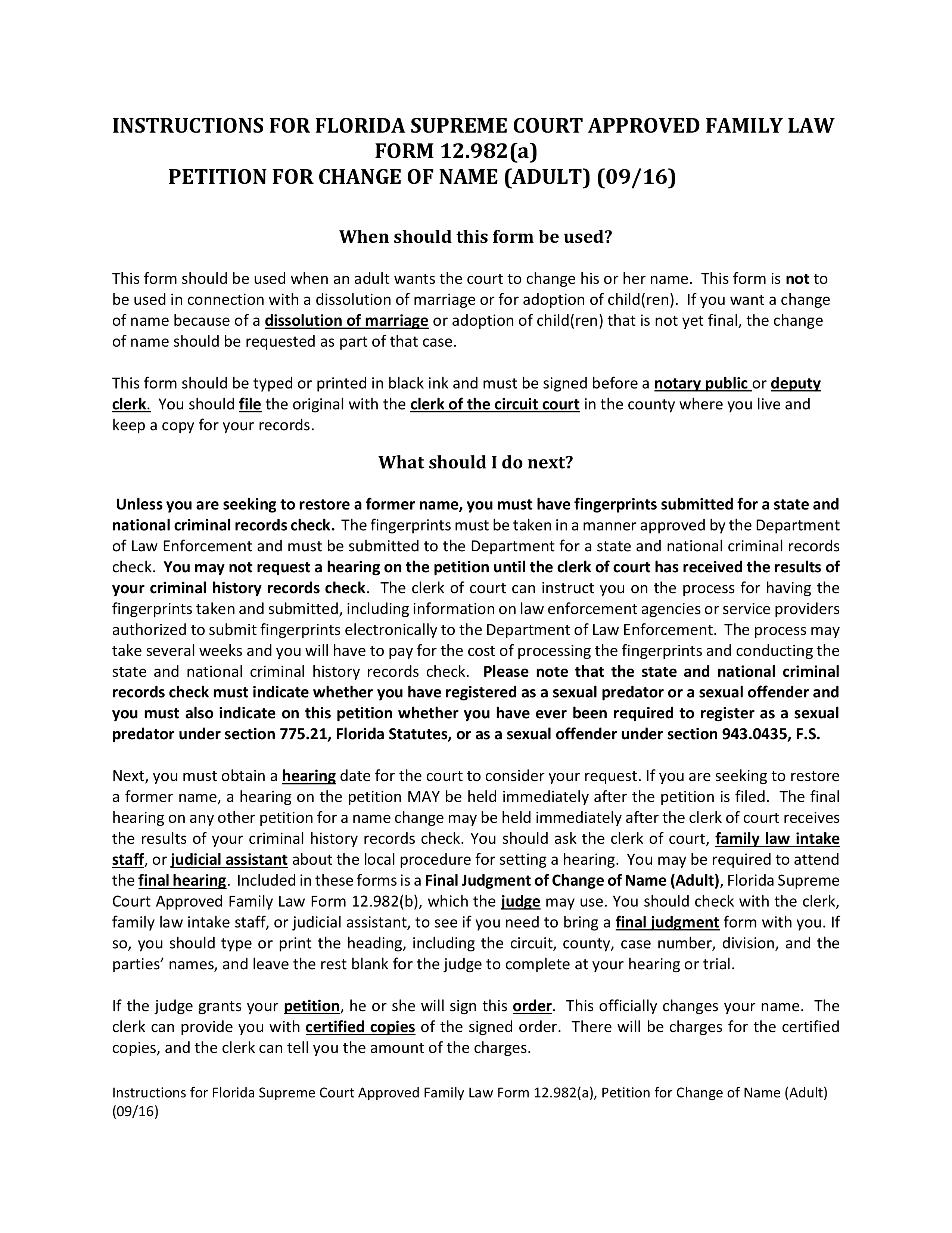
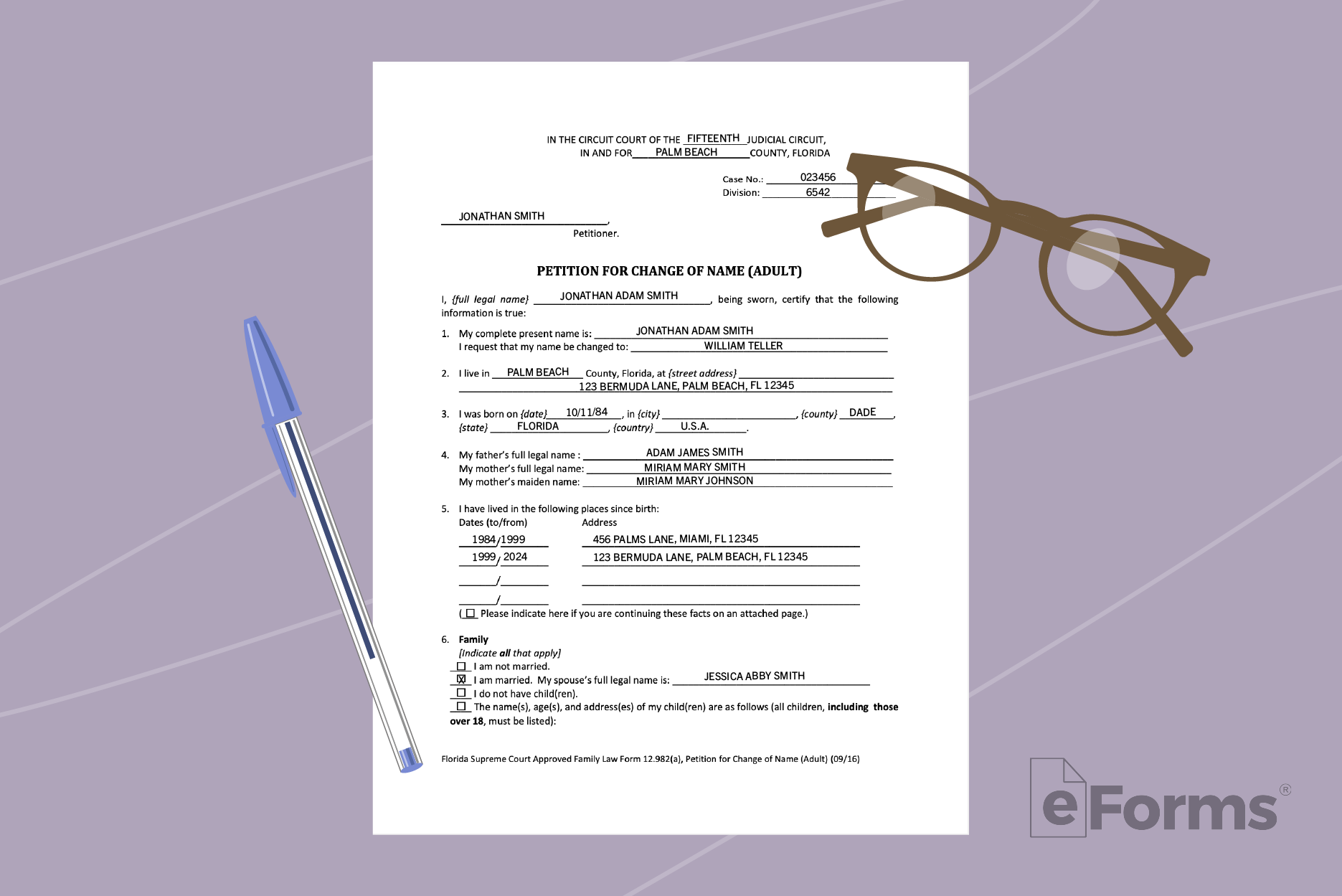
The first substantial step is to prepare a “Petition for Change of Name.” This document must be meticulously drafted, clearly stating your current full legal name, the name you wish to adopt, your reasons for the change, and an affirmation that you are not seeking the change to defraud creditors or avoid legal obligations. It’s crucial to gather all pertinent personal information, including your date and place of birth, current address, and any previous names you may have used. The Florida Courts website often provides standardized forms for these petitions, which can be immensely helpful for self-represented individuals. Accuracy and completeness are paramount to avoid delays.
Fingerprinting and Background Checks
For adult name changes, Florida law typically requires a criminal background check. This involves submitting fingerprints to the Florida Department of Law Enforcement (FDLE) and the Federal Bureau of Investigation (FBI). You will receive instructions on how and where to get fingerprinted, usually through an authorized vendor. The results of this background check are then forwarded to the court to ensure there are no disqualifying criminal records or outstanding warrants. This step is a critical safeguard in the legal process, ensuring the integrity of identity changes.
Filing Your Petition with the Clerk of Court
Once your petition is complete and you have the necessary fingerprinting results, you will file these documents with the Clerk of Court in the circuit court of the county where you reside. There will be a filing fee, which varies by county and year. If you cannot afford the fee, you may be able to file a “Motion to Indigent” to request a waiver. After filing, the Clerk will assign a case number, and your name change proceeding officially begins. It’s advisable to keep copies of all submitted documents for your records.
The Court Hearing
Following the filing and background check, the court will schedule a hearing. This is your opportunity to appear before a judge and formally present your request. During the hearing, the judge will review your petition, consider the background check results, and may ask you questions about your reasons for wanting to change your name. If the judge is satisfied that the name change is legitimate and not intended for fraudulent purposes, they will issue an “Order Changing Name.” This official court order is the document that legally establishes your new identity and is essential for updating all your personal records.
Specific Scenarios for Name Change
While the general process remains consistent, certain life events simplify or slightly alter the name change procedure.
Name Change Due to Marriage
For those getting married, a name change is often straightforward. When you apply for your marriage license in Florida, you can typically indicate your desired post-marriage surname directly on the application. Once the marriage certificate is issued and recorded, this document serves as sufficient proof to update your name with the Social Security Administration, Florida Driver’s License, and other institutions. A separate court petition is usually not required unless you wish to create a name that isn’t directly derived from your maiden or spouse’s surname, or if you need to make changes beyond the standard.
Name Change Due to Divorce
If you wish to revert to a maiden name or a previous surname after a divorce, this can often be included in your divorce decree. If the judge specifically orders the restoration of your prior name as part of the divorce judgment, then the divorce decree itself acts as your legal proof of name change, much like a marriage certificate. If the divorce decree does not include this provision, or if you wish to change your name to something entirely new post-divorce, you will need to file a separate “Petition for Change of Name” following the general process outlined above.
Minor Name Changes
Changing a minor’s name involves additional legal considerations, primarily focused on the child’s best interests. Generally, both parents must consent to the name change, or one parent must demonstrate a compelling reason why the other parent’s consent is not required (e.g., parental abandonment, unfitness, or if one parent has sole legal custody). The petition for a minor’s name change requires similar documentation but often includes an affidavit of non-custodial parent, if applicable, and an assessment of what truly benefits the child. The court takes these cases very seriously, always prioritizing the child’s welfare.
Post-Court Order: Updating Your Identity
Receiving your “Order Changing Name” is a significant milestone, but it’s not the final step. To fully embrace your new identity, you must update your name with various governmental agencies and financial institutions.
Social Security Administration
The first and most crucial step is to notify the Social Security Administration (SSA). You will need to complete Form SS-5, Application for a Social Security Card, and present your original court order and proof of identity. The SSA will issue a new Social Security card with your updated name. This step is foundational, as many other agencies rely on the SSA’s records for verification.
Florida Driver’s License or ID Card
Once your name is updated with the Social Security Administration, you can change your name on your Florida driver’s license or state ID card. Visit a Florida Department of Highway Safety and Motor Vehicles (DHSMV) office with your court order, proof of the Social Security Administration update, and current identification. You will receive a new license or ID reflecting your legal name.
Passport and Travel Documents
For individuals who travel internationally, updating your passport is essential. You will need to apply for a new passport, submitting your court order, previous passport, and any other required documentation to the U.S. Department of State. Ensure your passport reflects your current legal name before making any international travel plans to avoid complications. This is a critical step for your lifestyle, particularly if your life involves international exploration or business.
Financial and Other Institutions
Beyond government agencies, remember to update your name with all financial institutions (banks, credit card companies), employers, educational institutions, insurance providers, utilities, and any other entity where your legal name is recorded. Providing them with a copy of your court order will facilitate these changes. Consistency across all records is vital to prevent administrative headaches and ensure your new identity is universally recognized.
Seeking Legal Guidance
While changing your name in Florida can be done without legal representation, understanding when to seek professional assistance can streamline the process and prevent potential pitfalls.
When to Consider an Attorney
For straightforward adult name changes, many individuals successfully navigate the process independently. However, situations that may warrant legal counsel include:
- Complex Family Situations: If changing a minor’s name without the consent of both parents, or if there are disputes.
- Criminal Record Concerns: If you have a criminal record, an attorney can advise on how it might affect your petition.
- Outstanding Legal Issues: If you are involved in bankruptcy, have judgments against you, or are seeking to avoid creditors.
- Safety Concerns: In cases of domestic violence or harassment where privacy and protection are paramount, an attorney can help ensure all necessary precautions are taken.
- Unusual Circumstances: Any situation that deviates from the standard process might benefit from legal expertise.
An attorney can provide personalized advice, help prepare documents correctly, and represent you in court, offering peace of mind during a significant personal transition.
Resources for Self-Representation
If you choose to proceed without an attorney, Florida’s judicial system offers various resources. The Florida Courts website provides self-help forms and instructions for name changes. County Clerk of Court offices often have self-help centers or clerks who can offer procedural guidance (though they cannot provide legal advice). Utilizing these resources diligently can empower you to successfully complete your name change journey.
Embracing a new legal name is a profound personal decision, reflecting a new chapter in one’s lifestyle. By understanding the legal framework and systematically approaching each step in Florida, you can confidently transition to your updated identity, fully recognized and respected in all aspects of your life.
LifeOutOfTheBox is a participant in the Amazon Services LLC Associates Program, an affiliate advertising program designed to provide a means for sites to earn advertising fees by advertising and linking to Amazon.com. Amazon, the Amazon logo, AmazonSupply, and the AmazonSupply logo are trademarks of Amazon.com, Inc. or its affiliates. As an Amazon Associate we earn affiliate commissions from qualifying purchases.