
Navigating the legal landscape of firearm ownership and transfer in the United States can be complex, and Florida, a state renowned for its diverse landscapes and vibrant cities like Miami and Orlando, also has its distinct set of regulations regarding gun transfers. For both residents and newcomers, understanding these laws is not just a matter of compliance but a cornerstone of responsible gun ownership. Whether you’re buying from a private seller, receiving a firearm as a gift, or inheriting one, adhering to the legal protocols is paramount to avoid severe penalties and ensure the safe, lawful passage of firearms. This comprehensive guide aims to demystify the process, providing insightful, professional advice on how to legally transfer a gun within the Sunshine State.
Understanding Florida’s Firearm Transfer Landscape
Florida’s firearm laws are a blend of federal statutes and state-specific regulations. While federal law dictates certain universal requirements, such as the prohibition of firearm sales to convicted felons or individuals subject to domestic violence restraining orders, Florida law adds its own layers of nuance, particularly concerning private sales and specific types of firearms. The intricate interplay between these legal frameworks can be challenging to decipher without clear guidance.
The Importance of Compliance
The legal transfer of a firearm is not merely a bureaucratic step; it is a critical measure designed to prevent firearms from falling into the wrong hands. Every legal transfer helps to maintain public safety and uphold the rights of responsible gun owners. Failing to comply with transfer laws, even unintentionally, can lead to serious legal repercussions, including hefty fines, imprisonment, and the permanent loss of firearm ownership rights. For anyone living in or moving to bustling areas like Tampa or Jacksonville, where community safety is a shared priority, understanding and adhering to these regulations is more important than ever. The responsibility lies with both the transferor (seller/giver) and the transferee (buyer/recipient) to ensure every transaction is fully compliant with all applicable state and federal laws.
Key Regulatory Bodies: State and Federal
At the federal level, the Bureau of Alcohol, Tobacco, Firearms and Explosives (ATF) enforces federal firearm laws. The cornerstone of federal regulation for most firearm sales is the requirement for a Federal Firearm License (FFL) holder to conduct a background check via the National Instant Criminal Background Check System (NICS) for all sales that are not strictly private. Florida state law, while generally permitting private sales without a background check for intrastate transactions, still imposes restrictions on who can legally possess a firearm and what types of firearms are allowed. Understanding these dual layers of oversight is fundamental to navigating firearm transfers lawfully.
Navigating Private Gun Sales and Transfers
One of the most frequently asked questions regarding firearm transfers in Florida concerns private sales between individuals. Unlike some states that mandate all firearm transfers, including private ones, to go through an FFL with a background check, Florida law permits private citizens to sell firearms to other private citizens within the state without the involvement of an FFL or a mandatory background check. However, this leniency comes with significant legal responsibilities and caveats.
When a Background Check is Not Required (and the Risks)
In Florida, if both the buyer and seller are Florida residents, an FFL is not legally required to facilitate the transaction, and thus a NICS background check is not federally mandated. This means a private individual can sell a handgun or long gun directly to another private individual. However, it is always illegal to sell a firearm to any person who you know or reasonably should know is prohibited from possessing one under state or federal law. This includes individuals convicted of a felony, those subject to domestic violence injunctions, or individuals who have been adjudicated as mentally defective.
The “reasonably should know” clause places a significant burden on the seller. Without a background check, determining a buyer’s eligibility can be challenging and risky. Ignorance of the law or of the buyer’s prohibited status is generally not a valid defense. This is why, even where not legally required, many responsible gun owners opt for more stringent transfer methods.
Recommended Best Practices for Private Transfers
Even though Florida law allows private sales without an FFL or background check, adopting best practices can significantly mitigate risks for both parties.
- Verify Residency and Age: Ensure the buyer is a Florida resident and meets the minimum age requirements (18 for long guns, 21 for handguns). Requesting to see a valid Florida driver’s license or state ID is a common practice.
- Voluntary FFL Transfer: The safest method, even for private sales, is to conduct the transfer through a local FFL dealer. The FFL will perform the necessary NICS background check, ensuring the buyer is legally eligible to own a firearm. While this involves a small fee, it provides a legal safeguard for both the seller and the buyer.
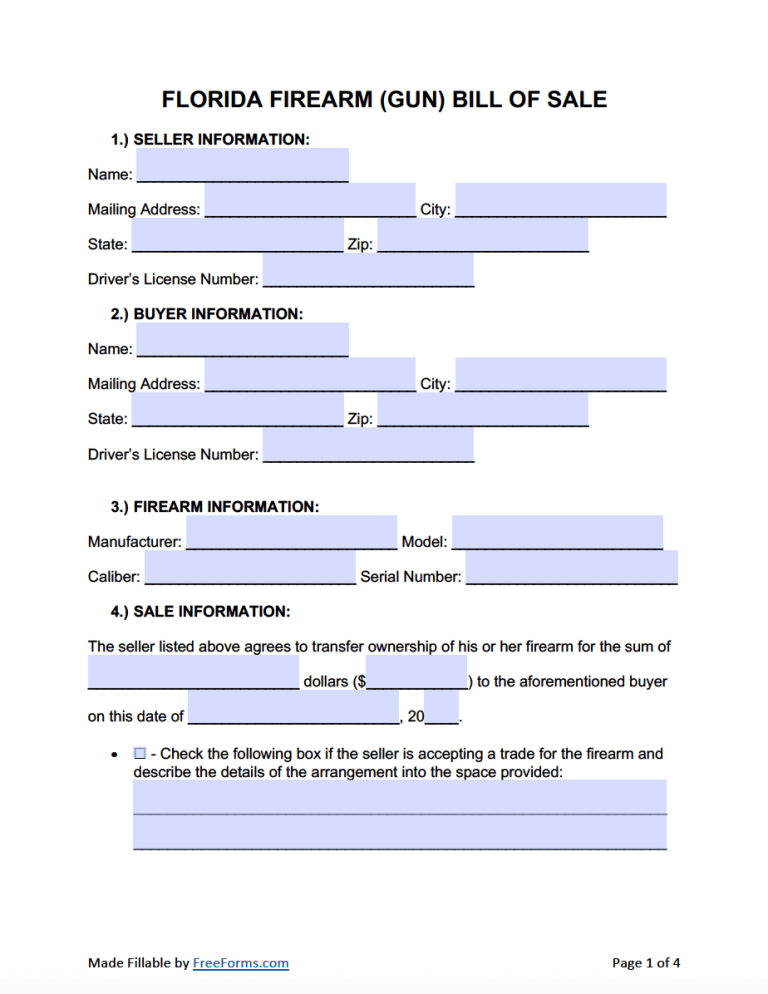
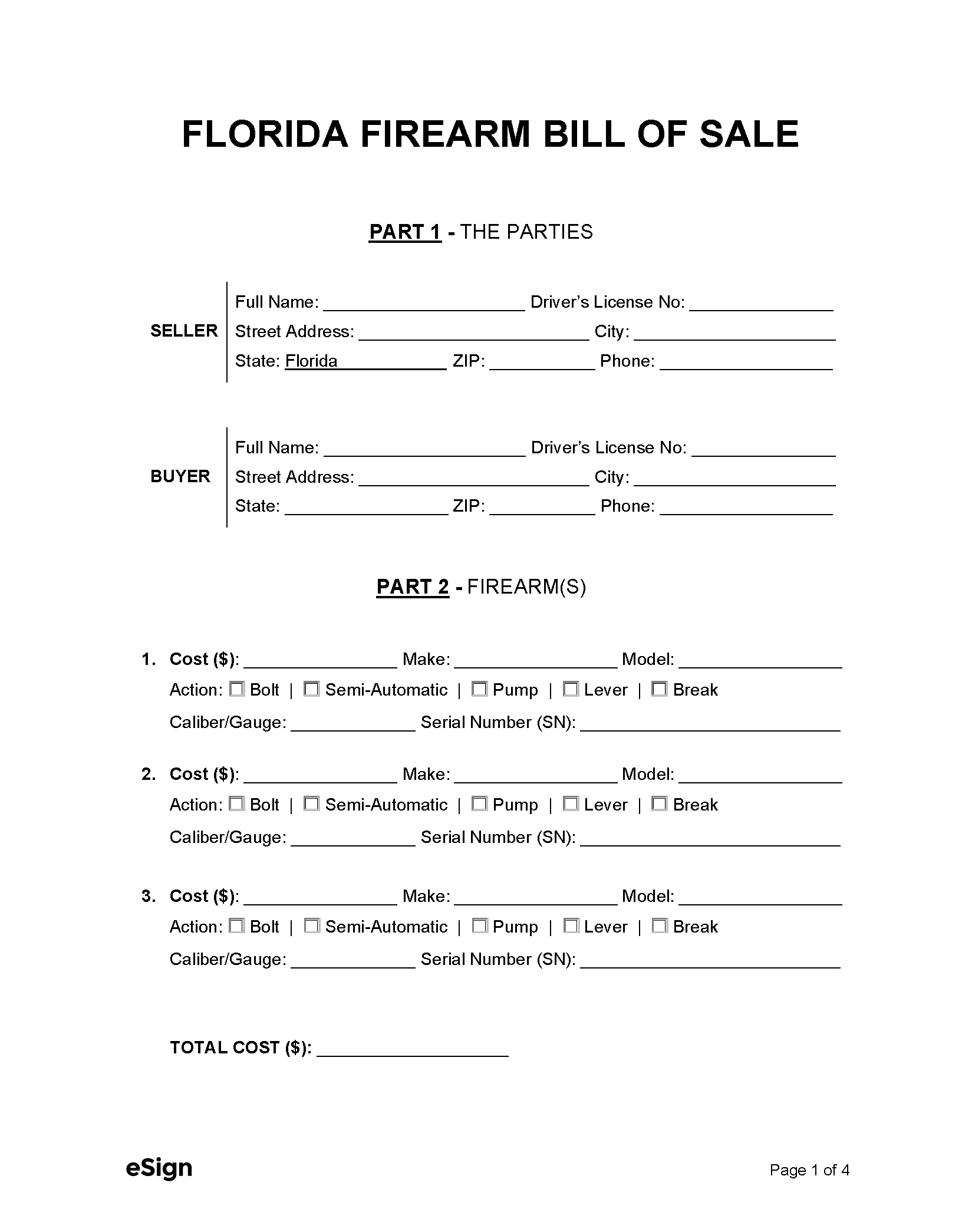
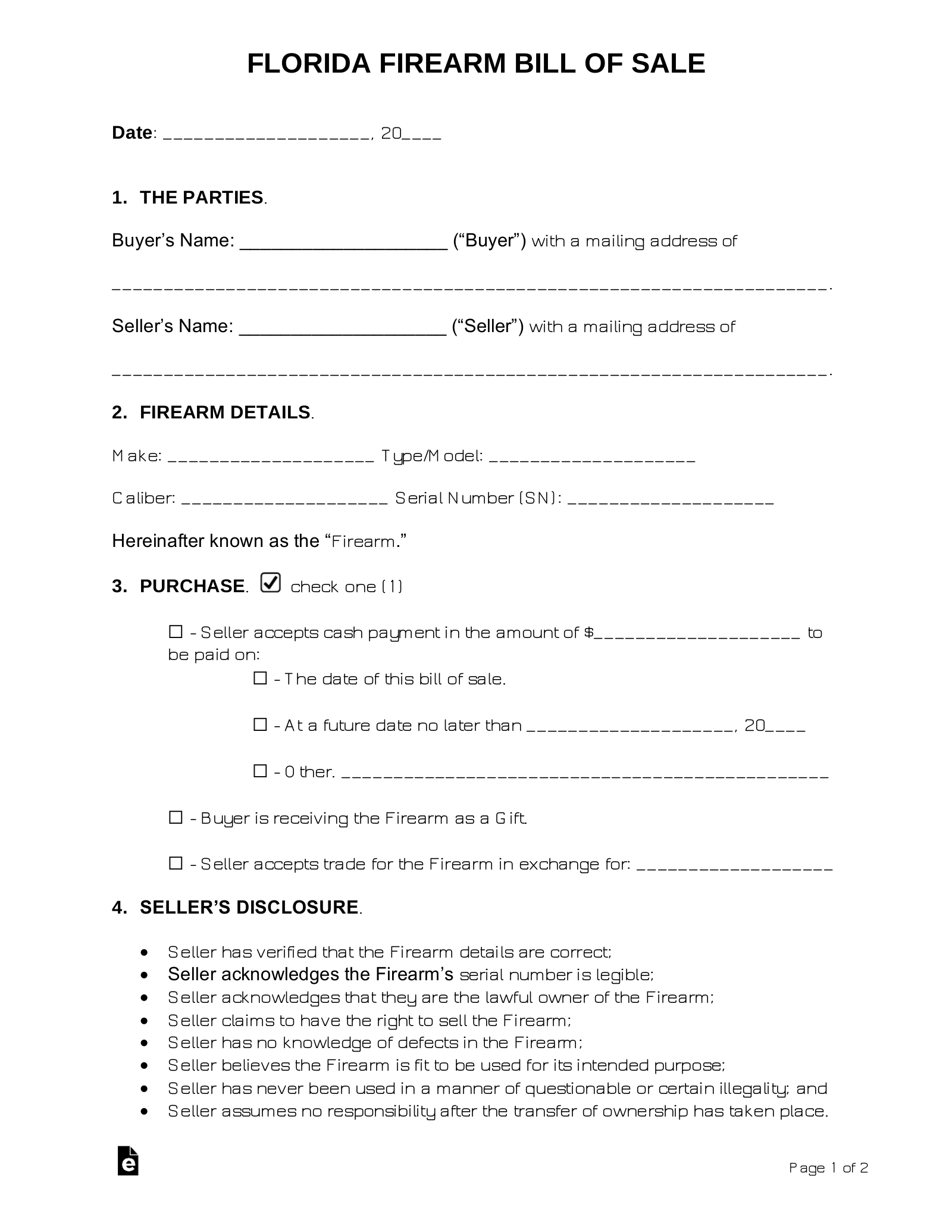
- Bill of Sale: Though not legally required for all private sales in Florida, creating a bill of sale that documents the transaction (including firearm details, buyer/seller information, and a statement that the buyer is not a prohibited person) can offer a record of the transfer. This is particularly useful in cities like Tallahassee, where community efforts towards responsible gun ownership are increasingly emphasized.
The Role of Federal Firearm License (FFL) Dealers
For the vast majority of firearm purchases from licensed retailers, and for interstate transfers, the involvement of an FFL dealer is mandatory. These dealers, licensed by the federal government, play a crucial role in ensuring that firearms are transferred only to eligible individuals.
The Standard Transfer Process
When purchasing a firearm from an FFL dealer in Florida, or when a private individual opts for an FFL to facilitate a private sale, the process typically involves several steps:
- Form 4473 Completion: The buyer must complete ATF Form 4473, a Firearms Transaction Record. This form requires personal information and asks a series of questions to determine the buyer’s eligibility to possess a firearm under federal and state law.
- NICS Background Check: The FFL dealer submits the buyer’s information to the NICS. This system cross-references the buyer’s details with databases of prohibited persons.
- Waiting Period (for some handguns): Florida imposes a mandatory three-day waiting period between the purchase and delivery of a handgun from an FFL dealer. There are exceptions, such as for individuals holding a valid Florida concealed weapon or firearm license.
- Transfer of Firearm: Once the background check clears and any applicable waiting period has elapsed, the firearm can be legally transferred to the buyer.
Interstate Transfers: Special Rules for Out-of-State Transactions
Federal law strictly mandates that firearms can only be transferred to a resident of another state through an FFL in the transferee’s state of residence. This means if you purchase a firearm in, say, Georgia, but reside in Florida, that firearm must be shipped to an FFL in Florida for you to pick up, completing the background check and any waiting period under Florida law. This rule applies whether the purchase is from a dealer or a private individual in another state. Similarly, if you’re selling a firearm to someone out of state, you must ship it to an FFL in their state for them to receive it. These regulations ensure that the laws of the buyer’s home state are respected and that proper background checks are performed.
Special Circumstances: Gifts, Inheritance, and Temporary Transfers
Beyond standard sales, firearms are often transferred through gifts or inheritance, or loaned temporarily. Each scenario has its own set of legal considerations.
Gifting Firearms to Family Members
Gifting a firearm to a family member in Florida is generally permitted without going through an FFL or a background check, provided both the giver and recipient are Florida residents and the recipient is not a prohibited person. This is often applicable for immediate family members (e.g., parent to child, spouse to spouse). However, the same caveat about “knowing or reasonably should know” applies. The donor is responsible for ensuring the recipient is legally eligible to possess a firearm. If there is any doubt about the recipient’s legal status, using an FFL for the transfer is the safest approach, even for gifts. Gifts to out-of-state family members still require an FFL transfer in the recipient’s state of residence.
Inheriting Firearms
When an individual passes away, their firearms become part of their estate. The transfer of these firearms to legal heirs or beneficiaries is generally permitted without an FFL or background check, provided the inheritor is not prohibited from possessing firearms under state or federal law. The executor of the estate should ensure that the firearms are transferred in accordance with the deceased’s will and all applicable laws. If the inheritor is an out-of-state resident, federal law requires the firearms to be transferred to an FFL in their state of residence. It is advisable to consult with an attorney specializing in estate law or firearms law to ensure a smooth and legal transfer, especially when dealing with a significant collection or complex estate.
Temporary Loan and Possession Considerations
Florida law allows for the temporary loan of a firearm to another person for lawful purposes (e.g., target shooting, hunting), as long as the recipient is not a prohibited person. This temporary possession does not constitute a “transfer” in the same way a sale or gift does. However, the owner remains responsible for ensuring the firearm is used lawfully and that the person borrowing it is eligible to possess it. Extended or indefinite loans, particularly if they appear to circumvent transfer laws, could be problematic.
Consequences of Illegal Transfers and Ensuring Due Diligence
The legal framework surrounding firearm transfers is designed to promote safety and accountability. Disregarding these laws carries serious consequences for all parties involved.
Penalties for Non-Compliance
Engaging in an illegal firearm transfer, whether by knowingly selling to a prohibited person, failing to follow interstate transfer rules, or attempting to circumvent background checks, can result in severe penalties under both Florida and federal law. These penalties can include:
- Felony Charges: Many illegal transfer offenses are classified as felonies, leading to significant prison sentences (potentially years or even decades).
- Substantial Fines: Fines can range from thousands to tens of thousands of dollars.
- Loss of Firearm Rights: A felony conviction will result in the permanent loss of the right to own or possess firearms.
- Confiscation of Firearms: Illegally transferred firearms can be confiscated by law enforcement.
Beyond the legal ramifications, illegal transfers contribute to the broader issue of firearms falling into the hands of those who would misuse them, undermining public safety and the rights of law-abiding gun owners.
Resources for Responsible Firearm Owners
For anyone seeking to legally transfer a firearm in Florida, diligence and education are key.
- Local FFL Dealers: Your local FFL dealer is an invaluable resource. They can facilitate transfers, perform background checks, and answer questions about specific regulations.
- Florida Department of Agriculture and Consumer Services (FDACS): This department oversees concealed weapon licenses and can provide information relevant to firearm ownership in the state.
- Legal Counsel: For complex situations, such as estate transfers involving firearms, or if you have any doubts about a specific transaction, consulting with a lawyer specializing in firearms law is highly recommended.
- ATF Website: The Bureau of Alcohol, Tobacco, Firearms and Explosives website offers comprehensive guides and FAQs on federal firearm laws.
In conclusion, the legal transfer of a gun in Florida requires careful attention to both state and federal laws. While private intrastate sales offer flexibility, exercising due diligence and opting for FFL-facilitated transfers whenever possible are the most responsible approaches. By understanding and adhering to these regulations, gun owners can ensure their actions are lawful, contribute to public safety, and uphold the principles of responsible firearm ownership in the Sunshine State.
LifeOutOfTheBox is a participant in the Amazon Services LLC Associates Program, an affiliate advertising program designed to provide a means for sites to earn advertising fees by advertising and linking to Amazon.com. Amazon, the Amazon logo, AmazonSupply, and the AmazonSupply logo are trademarks of Amazon.com, Inc. or its affiliates. As an Amazon Associate we earn affiliate commissions from qualifying purchases.