
Navigating the roadways of Florida is an essential part of experiencing the Sunshine State, whether you’re heading to its pristine beaches, vibrant cities, or world-famous theme parks. However, a significant portion of Florida’s extensive highway system operates on tolls. For both residents and visitors, understanding how to efficiently and correctly pay these tolls is crucial to avoid unexpected fees, delays, and frustrations. This comprehensive guide will illuminate the various payment methods available, helping you travel smoothly across Florida’s dynamic landscape.
Understanding Florida’s Toll Road Network
Florida boasts one of the most comprehensive toll road networks in the United States. These roads are vital arteries, designed to expedite travel, reduce congestion on free alternatives, and connect major population centers and tourist destinations. Familiarity with this system is the first step toward stress-free travel.
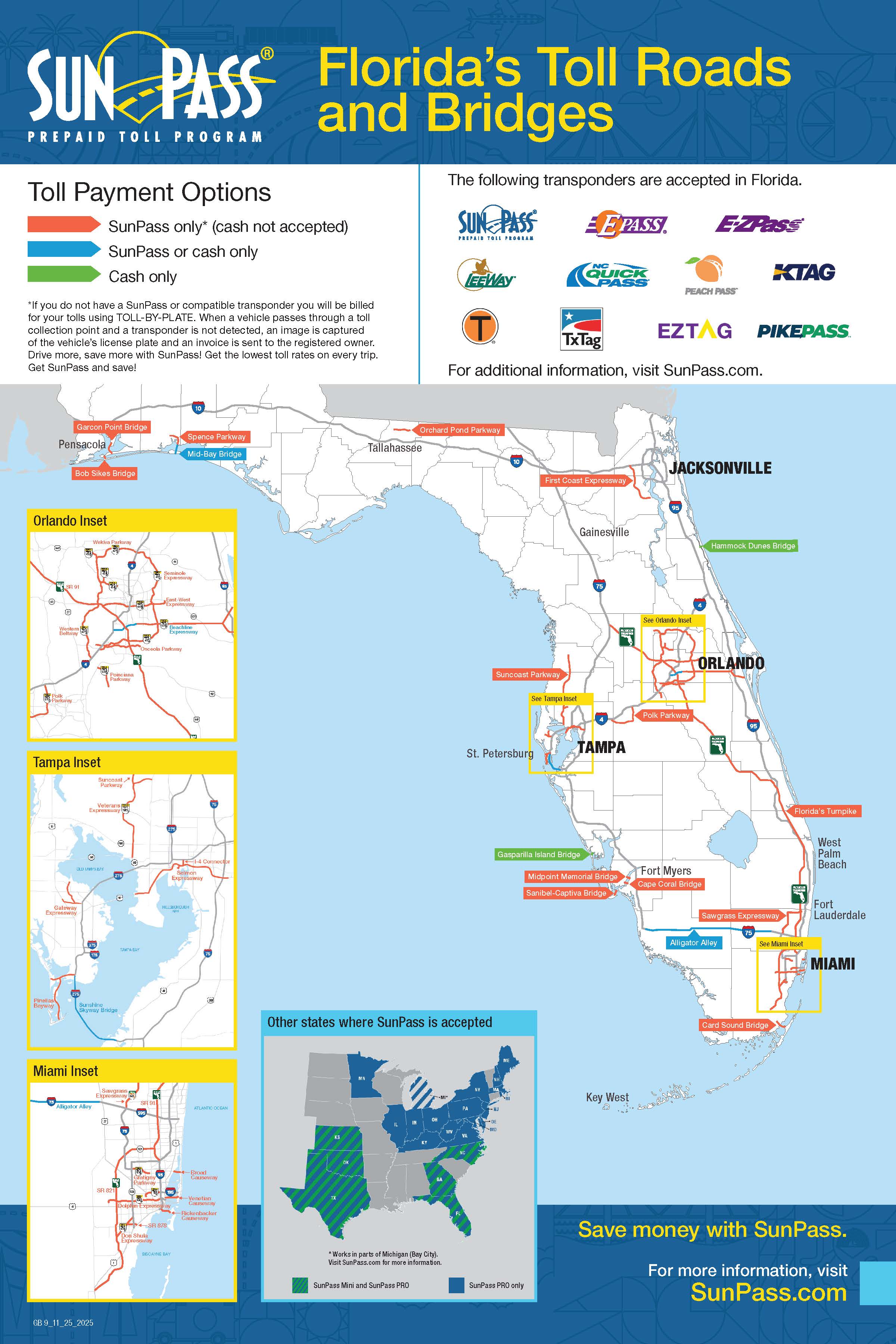
The Sunshine State’s Extensive Toll System
From the scenic expanse of Florida’s Turnpike stretching north to south, to the critical cross-state connectors like Alligator Alley (part of I-75), and the myriad of expressways around metropolitan hubs like Orlando, Miami, and Tampa, tolls are a common feature. Key toll roads and authorities include:
- Florida’s Turnpike Enterprise: Manages the main turnpike and several other routes.
- Central Florida Expressway Authority (CFXway): Oversees toll roads in the Greater Orlando area, such as SR 417 (Central Florida GreeneWay) and SR 528 (Beachline Expressway).
- Other Regional Authorities: Numerous other smaller authorities manage specific bridges, causeways, and short expressways throughout the state.
These roads are characterized by frequent electronic toll gantries, which have largely replaced traditional staffed toll booths. This shift towards cashless systems emphasizes the importance of understanding electronic payment methods.
Why Tolls Are Necessary in Florida
Tolls play a pivotal role in funding the construction, maintenance, and ongoing improvements of Florida’s transportation infrastructure. With a rapidly growing population and a thriving tourism industry, the demand on the state’s roads is immense. Toll revenues ensure that these vital arteries remain efficient, safe, and capable of handling increasing traffic volumes, often offering a faster, less congested alternative to free routes. They allow for complex engineering projects and regular upkeep that would otherwise strain general tax revenues.
Primary Methods for Paying Florida Tolls
Florida offers several methods for toll payment, each with its own advantages and considerations. Choosing the right method depends on your frequency of travel, residency status, and whether you’re driving your own car or a rental.
Electronic Toll Collection: SunPass and E-PASS
The most common, convenient, and often most economical way to pay tolls in Florida is through electronic transponders.
- SunPass: This is Florida’s official prepaid toll program and is accepted on all toll roads and most bridges throughout the state. SunPass offers significant discounts compared to cash or Toll-by-Plate rates. There are two main types of transponders:
- SunPass Mini: A sticker transponder that adheres to your windshield. It’s inexpensive, easily purchased at retail locations (grocery stores like Publix, CVS, Walgreens), and great for single-car use. Once activated and loaded with funds, tolls are deducted automatically.
- SunPass PRO: A portable transponder that can be moved between vehicles. While slightly more expensive, it offers interoperability with other state toll systems (like E-ZPass in some regions, though it’s best to confirm specific compatibility for your travel plans).
To use SunPass, you open an account, link a payment method (credit card, debit card), and ensure your account has a positive balance.
- E-PASS: Operated by the CFXway, E-PASS is another electronic transponder system primarily used in Central Florida. Crucially, E-PASS transponders are fully compatible with the entire SunPass network across Florida. They also offer exclusive discounts on CFXway toll roads. Similar to SunPass, you purchase a transponder, open an account, and maintain a balance.
Toll-by-Plate (Pay-by-Mail)
This method is automatically engaged if you drive through an electronic toll plaza without an active transponder. Cameras capture an image of your license plate, and a bill is mailed to the registered owner of the vehicle.
- How it works: Toll-by-Plate is a convenience for infrequent users or those who unexpectedly find themselves on a toll road. However, it is generally the most expensive option.
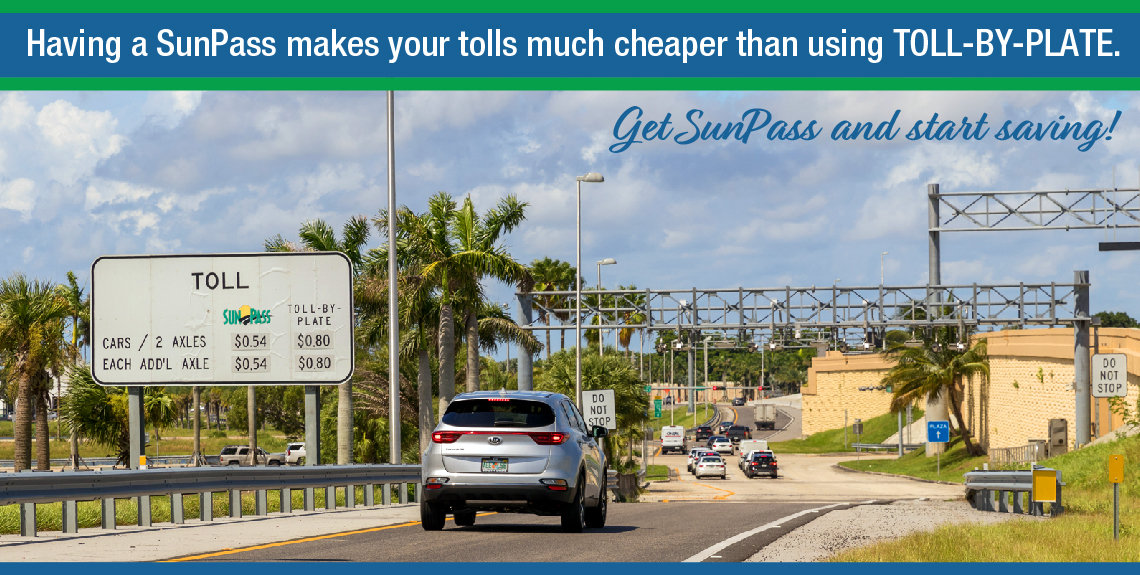
- Cost implications: Toll-by-Plate rates are higher than SunPass or E-PASS rates, and often include administrative fees per billing cycle.
- For visitors: If you’re driving your personal vehicle from out of state, the bill will be mailed to your home address, which can take several weeks. Ensure your vehicle registration is up to date to receive the bill promptly.
Cash Lanes (Increasingly Rare)
Once the standard, cash toll lanes are rapidly disappearing across Florida. Most new toll gantries are entirely cashless, relying solely on electronic transponders or Toll-by-Plate.
- Where they exist: Some older toll plazas or specific routes might still offer cash payment options, but these are becoming exceptions rather than the rule. Relying on cash is risky and can lead to missed tolls.
- Important warning: Do not assume a cash lane will be available. Driving through a cashless lane without an electronic transponder will result in a Toll-by-Plate charge, and potentially additional fees if not paid promptly. Always check signage well in advance.
Choosing the Right Payment Method for Your Trip
Selecting the optimal payment method depends on your specific travel needs and circumstances.
For Florida Residents and Frequent Visitors
For those who live in Florida or visit frequently, investing in a SunPass or E-PASS transponder is almost always the most cost-effective and convenient choice. The savings on toll rates quickly offset the minimal cost of the transponder, and the ability to glide through dedicated electronic lanes saves valuable time. Setting up auto-replenishment on your account ensures you never run out of funds.
For Out-of-State Visitors and Tourists
If you’re visiting Florida for a short period in your own car, you have a few options:
- Purchase a SunPass Mini: These can be bought at various retail outlets upon arrival and activated online. This is often the best option to save money and hassle, even for short trips. Remember to register your license plate to your SunPass account.
- Rely on Toll-by-Plate: While convenient initially, be prepared for higher costs and the possibility of receiving a bill weeks after your trip. Ensure the address on your vehicle registration is current.
- Avoid Toll Roads: This is possible, but often involves significantly longer travel times and less direct routes. Navigation apps can help you plot toll-free routes if desired.
Rental Car Considerations
This is a critical area for many tourists. Most rental car companies in Florida offer their own toll payment programs, which can be convenient but are often significantly more expensive.
- Rental Company Toll Programs: These programs (often branded as PlatePass, eToll, TollPass, etc.) typically work by automatically charging your credit card for tolls incurred, plus substantial daily administrative fees (even on days you don’t use a toll road). These fees can quickly add up, easily exceeding the cost of the tolls themselves.
- Alternatives for Rental Cars:
- Bring your own SunPass Mini/PRO: If you have a portable SunPass PRO, you can use it in your rental car. Ensure the rental car’s license plate is temporarily added to your SunPass account before using it, and remove it after. For a SunPass Mini, you could purchase one and adhere it, but ensure it’s removed upon return to avoid future charges for the next renter if your account isn’t closed.
- Decline the rental company program and use Toll-by-Plate: You might be able to opt out of their program. In this case, tolls will be processed via Toll-by-Plate, and the rental company will charge your credit card for the toll amount plus their administrative fee for forwarding the bill, which may still be cheaper than their daily program if you only use tolls once or twice. Confirm their specific policy.
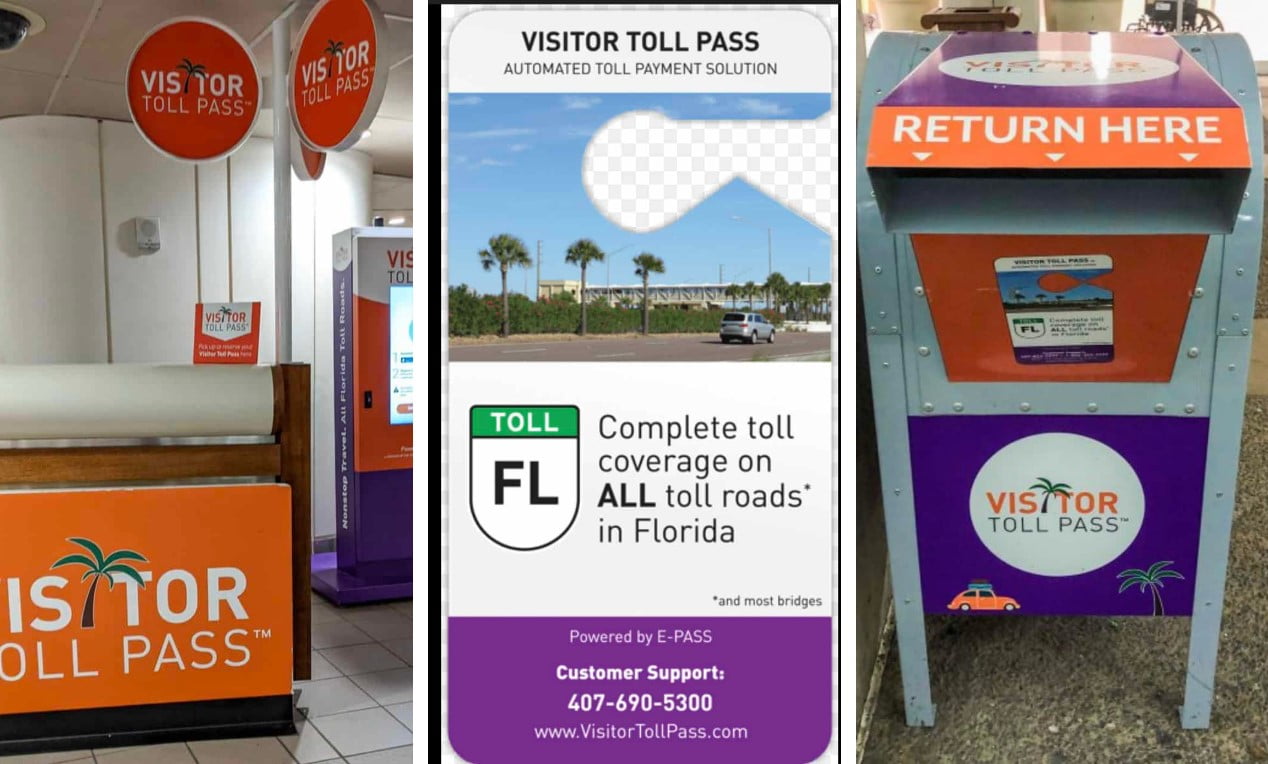
- Request a rental with a transponder already included: Some companies might offer this as a standard feature or an optional extra. Inquire about the associated costs upfront.
It is always advisable to clarify the rental company’s toll policy and associated fees before driving off the lot.
Navigating Tolls Like a Pro: Tips and Avoiding Pitfalls
Even with the right payment method, a few strategic tips can make your Florida toll road experience even smoother.
Planning Your Route
- Use GPS with Toll Settings: Modern navigation apps like Google Maps and Waze allow you to select preferences for toll roads. You can choose to “avoid tolls” if you prefer, or view the estimated toll costs for a particular route. This foresight is invaluable, especially in unfamiliar areas.
- Check Toll Authority Websites: For detailed information on specific toll rates, maps, and payment options, consult the official websites of Florida’s Turnpike Enterprise, CFXway, or the Florida Department of Transportation (FDOT).
What Happens If You Miss a Toll?
Driving through a cashless toll plaza without a transponder or without your license plate properly registered for Toll-by-Plate can lead to complications.
- Immediate Action: If you realize you’ve missed a toll, most toll authorities offer a grace period (usually 24-72 hours) to pay online without penalty. Visit the relevant toll authority’s website (SunPass or CFXway) and look for a “Pay a Missed Toll” section. You’ll typically need your license plate number and the date of travel.
- Consequences of Non-Payment: Failure to pay a Toll-by-Plate invoice or missed toll can result in significant late fees, administrative charges, and potentially a hold on your vehicle registration. For rental cars, the rental company will pass on the fines plus their own administrative charges.
Staying Informed with Toll Resources
The digital age makes staying informed easier than ever. Bookmark relevant websites and download any official apps for the toll authorities you’ll be using. Regularly check your SunPass or E-PASS account balance and transaction history to ensure accuracy and avoid unexpected low balances. Being proactive is key to a hassle-free toll experience.
The Future of Florida Tolls
Florida’s toll system continues to evolve, with a clear trajectory towards more advanced, efficient, and cashless operations.
Embracing Cashless Systems
The trend away from cash payments is irreversible. This move enhances efficiency, reduces operational costs, and minimizes traffic slowdowns at toll points. Future developments will likely focus on refining electronic payment systems, making them even more seamless and user-friendly for both residents and tourists.
Enhancements and Efficiency
Expect ongoing technological enhancements, such as improved transponder technology, more intuitive online portals, and potentially greater interoperability with toll systems from other states. The goal is to ensure that Florida’s roadways can accommodate the state’s growth while providing a smooth and predictable travel experience for everyone.
Paying a Florida toll doesn’t have to be a source of stress. By understanding the options available – primarily the efficient SunPass and E-PASS systems – and planning ahead, you can navigate the state’s beautiful roads with confidence, allowing you to focus on enjoying all that the Sunshine State has to offer.
LifeOutOfTheBox is a participant in the Amazon Services LLC Associates Program, an affiliate advertising program designed to provide a means for sites to earn advertising fees by advertising and linking to Amazon.com. Amazon, the Amazon logo, AmazonSupply, and the AmazonSupply logo are trademarks of Amazon.com, Inc. or its affiliates. As an Amazon Associate we earn affiliate commissions from qualifying purchases.