
For anyone planning a trip, booking a flight, or scheduling a virtual meeting, knowing the current time zone of a destination is fundamental. When it comes to the vibrant metropolis of Chicago, a city celebrated for its stunning architecture, rich cultural scene, and world-class dining, understanding its time zone is crucial for seamless travel and efficient planning. Nestled in the heart of the United States, Chicago operates on Central Time, which observes both Central Standard Time (CST) and Central Daylight Time (CDT) throughout the year. This distinction, governed by Daylight Saving Time, dictates whether the city is UTC-6 or UTC-5, respectively.
Whether you’re a first-time visitor eager to explore Millennium Park and its iconic Cloud Gate, a business traveler attending conferences in the Loop district, or someone simply curious about the rhythm of this magnificent city, grasping the nuances of its time zone will significantly enhance your experience. This article delves into the specifics of Chicago‘s time zone, its implications for travel and tourism, and how it impacts the everyday lifestyle of its residents.
Understanding Chicago’s Time Zone: Central Standard Time (CST)
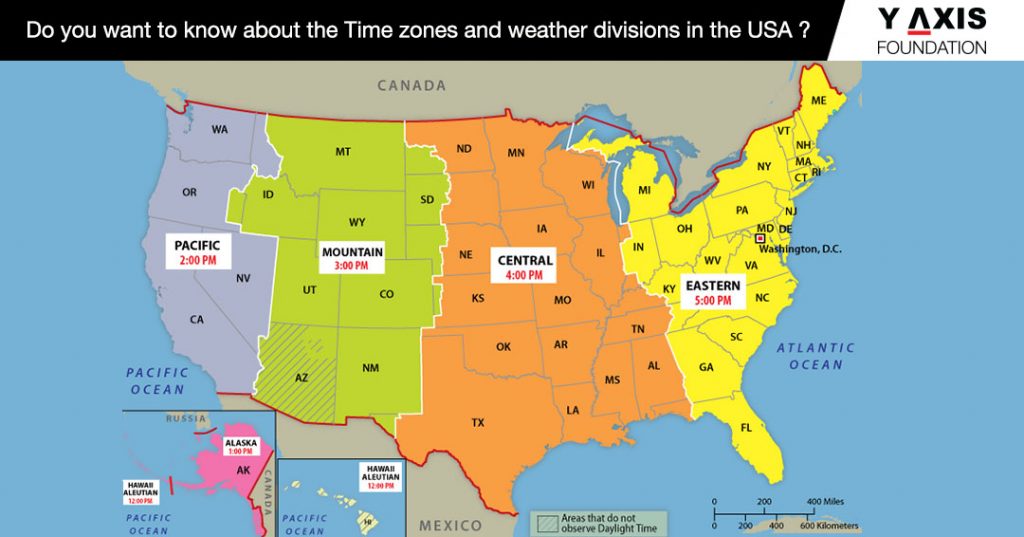
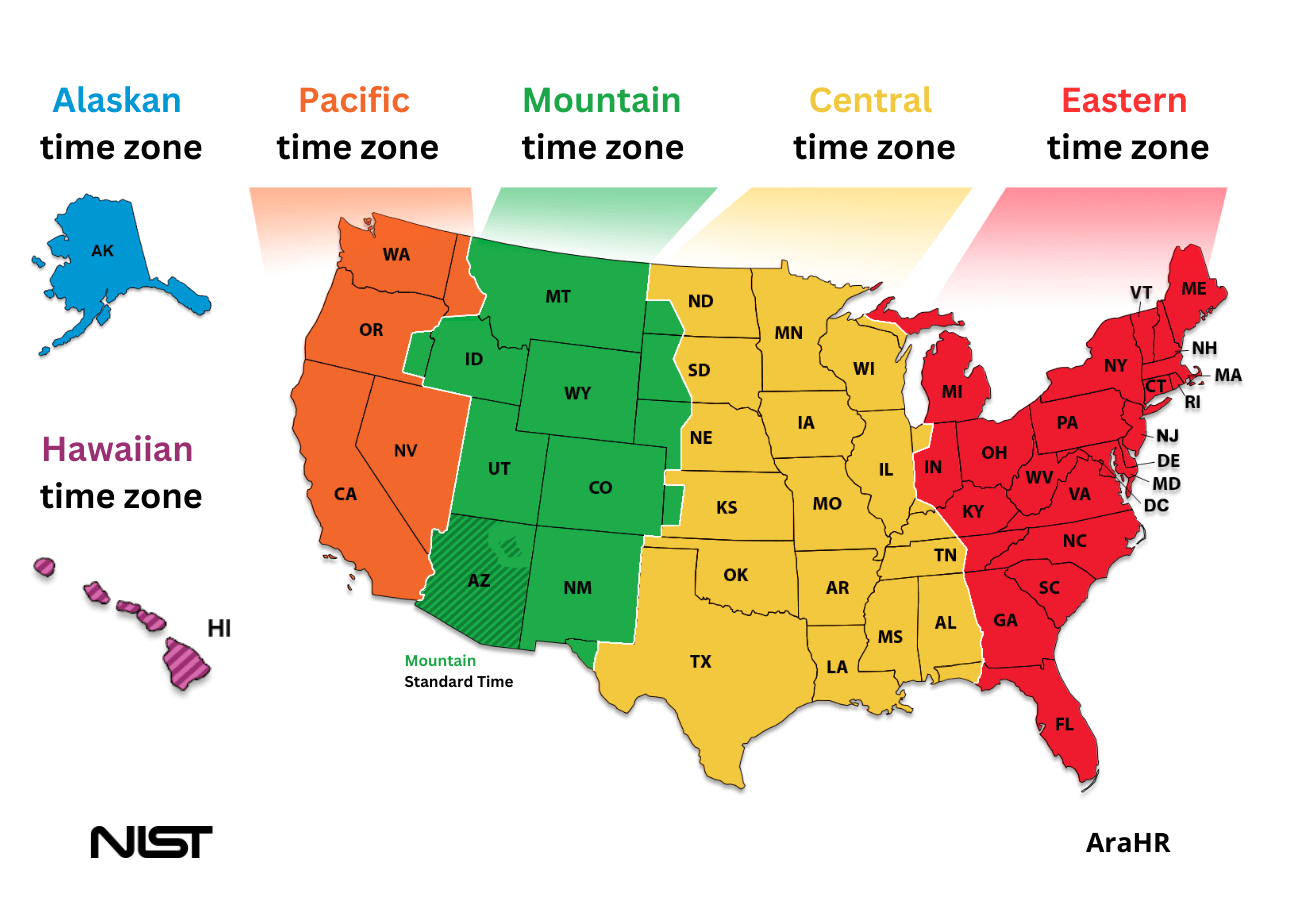
Chicago, the most populous city in the state of Illinois, falls squarely within the geographical boundaries of the Central Time Zone. This designation means it observes Central Standard Time (CST) for roughly half the year and Central Daylight Time (CDT) for the other half. The shift between these two modes is a result of Daylight Saving Time, a practice common across much of North America and parts of Europe, designed to make better use of daylight hours.
Central Standard Time and Daylight Saving Time Explained
Central Standard Time (CST) is precisely six hours behind Coordinated Universal Time (UTC-6). This is the time standard observed during the autumn and winter months. When spring arrives, usually on the second Sunday in March, Chicago, along with most regions observing Daylight Saving Time, “springs forward” by one hour, transitioning to Central Daylight Time (CDT). CDT is five hours behind Coordinated Universal Time (UTC-5). This change moves an hour of daylight from the morning to the evening, providing longer daylight hours for after-work and evening activities during the warmer seasons. The return to CST occurs on the first Sunday in November, when clocks “fall back” by one hour.
This twice-yearly adjustment has significant ramifications for both residents and visitors. For tourists, it means being aware of the specific date changes to avoid confusion with schedules. For instance, a flight booked months in advance might arrive at what appears to be a different local time if the arrival date coincides with the Daylight Saving Time transition. Awareness of this system is a foundational element of stress-free travel planning to Chicago.
The Importance for Travelers
For travelers arriving in Chicago from other time zones, particularly those from the Eastern Time Zone (one hour ahead) or the Pacific Time Zone (two hours behind), the time difference can impact everything from flight schedules to hotel check-ins and the timing of planned activities. Adjusting to the local time upon arrival is key to combating jet lag and making the most of your visit. Many travelers find that taking an early morning flight and arriving in Chicago during the day helps with immediate adjustment.
Understanding the time difference is also crucial for coordinating with people back home or in other parts of the United States and the world. Whether it’s a quick call to family, a virtual work meeting, or simply sharing your travel experiences on social media, being aware of the time differential ensures effective communication without inadvertently waking someone up in the middle of their night. Travel guides often highlight the need for travelers to set their watches to local time as soon as they land, a simple but effective strategy to dive into the rhythm of the destination.
Navigating Chicago as a Visitor: Time-Sensitive Planning
Chicago is a city that demands exploration, from its towering skyscrapers to its serene lakefront. Every aspect of a visitor’s itinerary, from arrival to departure, is intertwined with the local time. Meticulous time-sensitive planning not only prevents logistical headaches but also maximizes the precious hours available for sightseeing, dining, and experiencing the city’s unique charm.
Arrival and Accommodation Considerations
Your journey to Chicago typically begins at one of its major international airports: O’Hare International Airport (ORD) or Midway International Airport (MDW). Both are bustling hubs, and flights arriving from different time zones will have their arrival times listed in local Central Time Zone. It’s prudent to double-check your booking confirmations and flight status in the days leading up to your travel, especially around the Daylight Saving Time transitions.
Upon arrival, your next stop will likely be your accommodation. Chicago boasts an impressive array of hotels, from luxurious stays like The Langham Chicago and Four Seasons Hotel Chicago on the Magnificent Mile to boutique options such as Thompson Chicago in the Gold Coast and historic gems like The Palmer House Hilton. Standard hotel check-in times are usually in the afternoon (e.g., 3:00 PM or 4:00 PM local time), with check-out typically in the late morning (e.g., 11:00 AM or 12:00 PM local time). If you’re arriving very early or departing very late, it’s always wise to contact your hotel in advance to inquire about early check-in or late check-out options, which can sometimes be arranged for a fee or complimentary, depending on availability. This ensures that your valuable travel time isn’t spent waiting unnecessarily.
Furthermore, consider the time difference when booking your airport transfer. Scheduling a car service or knowing the public transport operating hours relative to your arrival time can make your transition from the airport to your chosen accommodation smooth and efficient.
Maximizing Your Chicago Itinerary
With your time zone sorted and accommodation secured, the true adventure of exploring Chicago begins. The city is rich with landmarks, attractions, and experiences that cater to every interest, from art enthusiasts to foodies. Effective time management is paramount to seeing as much as possible without feeling rushed.
Start your day early to visit popular spots like the Art Institute of Chicago, home to a world-renowned collection spanning centuries, or the Museum Campus, which houses the Field Museum and the Shedd Aquarium. These institutions open their doors in the morning, typically around 9:00 AM or 10:00 AM Central Time Zone. Arriving shortly after opening can help you beat the crowds and enjoy a more serene viewing experience.
Afternoon activities might include a stroll through Millennium Park to see Cloud Gate (often referred to as “The Bean”) and the Crown Fountain, followed by a walk down the bustling Magnificent Mile for some retail therapy. Don’t forget to factor in travel time between locations, especially if you’re relying on public transportation or ride-sharing services during peak hours. A scenic boat tour along the Chicago River is also a fantastic way to appreciate the city’s architectural prowess, and these tours operate on specific schedules throughout the day, so check their timings in advance.
As evening approaches, Chicago’s culinary scene comes alive. Making dining reservations, particularly for sought-after restaurants in neighborhoods like River North or West Loop, is highly recommended, especially on weekends. Famous for its deep-dish pizza, Chicago also offers an incredible array of fine dining establishments, casual eateries, and diverse international cuisines. Knowing the local time helps you secure those prime dinner slots.

Evening entertainment options are equally diverse, from world-class performances in the theater district to live jazz and blues clubs. Checking showtimes and booking tickets in advance is advisable to guarantee your spot. A visit to the Willis Tower Skydeck at sunset offers breathtaking panoramic views of the city as it transitions from day to night, an unforgettable experience perfectly timed with the fading light. Alternatively, for sports fans, catching a Chicago Cubs game at Wrigley Field in Wrigleyville is an iconic Chicago experience, with game times clearly communicated in Central Time Zone.
Lifestyle and Business in the Central Time Zone
Beyond tourism, Chicago’s adherence to the Central Time Zone shapes the daily lifestyle and business operations within the city and impacts its relationship with other major economic hubs.
Business Implications
For business travelers, understanding Chicago’s time zone is crucial for scheduling meetings and coordinating with colleagues or clients across different regions. The Central Time Zone offers a convenient bridge between the Eastern Time Zone (New York, Boston) and the Pacific Time Zone (Los Angeles, San Francisco), allowing for reasonable overlap in business hours. This central positioning makes Chicago an ideal location for national conferences and corporate gatherings.
Financial markets, particularly the Chicago Mercantile Exchange and the Chicago Board of Trade, operate strictly on Central Time Zone, influencing global trading hours. Business appointments, networking events, and conference schedules are all planned around this core timing, making punctuality and an awareness of the time zone critical for professional success in the city. Many upscale hotels like The Peninsula Chicago cater specifically to business travelers, offering amenities and services designed to support a productive stay, all scheduled around the Central Time Zone rhythm.
Living in Chicago: A Local Perspective
For residents, the Central Time Zone defines the daily rhythm of life. Commutes, school schedules, television programming, and even local community events such as the annual St. Patrick’s Day parade or major music festivals like Lollapalooza are all synchronized with CST/CDT. The change to Daylight Saving Time in spring is often welcomed for the longer evenings it provides, allowing for more outdoor activities like walking in Grant Park, visiting the Lincoln Park Zoo, or enjoying the city’s many outdoor patios and rooftops. Conversely, the “fall back” to CST signals shorter daylight hours and the onset of winter.
The time zone also influences how Chicagoans interact with friends and family across the country. Keeping track of the differences, especially with the three-hour gap to the Pacific Time Zone, is a constant consideration for personal communication. This intrinsic understanding of time zone dynamics is simply part of living in a major global city situated centrally within a vast continent.
Beyond Time Zones: Why Chicago Beckons
While understanding Chicago’s time zone is a practical necessity, it’s merely a backdrop to the extraordinary experiences the city offers. Chicago is a city that consistently ranks high on lists of top travel destinations for its dynamic blend of culture, history, and modernity.
Chicago’s Allure for Every Traveler
The city’s rich tourism appeal lies in its diverse offerings. Architecture buffs can marvel at masterpieces during an architectural boat tour, foodies can embark on a gastronomic journey from Michelin-starred restaurants to quintessential hot dog stands, and art lovers can get lost in world-class museums. Families will find endless entertainment at Navy Pier, the Shedd Aquarium, and the Field Museum. Those seeking unique experiences can explore vibrant neighborhoods, catch a live performance, or even run in the renowned Chicago Marathon.
From luxury hotels offering unparalleled amenities to cozy boutique accommodation for budget travelers, Chicago caters to every lifestyle and preference. The city’s efficient public transportation system makes navigating its various districts simple, allowing visitors to maximize their time exploring. Ultimately, while keeping track of the clock is important, it’s the vibrant energy, the friendly atmosphere, and the sheer volume of things to see and do that truly make Chicago an unforgettable destination.
In conclusion, Chicago is currently in the Central Time Zone, observing either Central Standard Time (CST) or Central Daylight Time (CDT) depending on the time of year and the observance of Daylight Saving Time. For any traveler, this knowledge is not just a detail but a foundational piece of information that underpins all aspects of travel planning, from booking flights and hotels to scheduling attractions and dining experiences. Embrace the rhythm of Central Time Zone and immerse yourself fully in the magic that only Chicago can offer.
LifeOutOfTheBox is a participant in the Amazon Services LLC Associates Program, an affiliate advertising program designed to provide a means for sites to earn advertising fees by advertising and linking to Amazon.com. Amazon, the Amazon logo, AmazonSupply, and the AmazonSupply logo are trademarks of Amazon.com, Inc. or its affiliates. As an Amazon Associate we earn affiliate commissions from qualifying purchases.