
The question “Is Florida flooded?” is one that frequently surfaces, particularly during its active hurricane season or after periods of intense rainfall. It’s a query born from a mix of genuine concern, media headlines, and the state’s well-known vulnerability to water. For prospective travelers, understanding the nuanced answer to this question is crucial for informed planning and a stress-free experience. The simple, blanket answer is almost always “no, not all of Florida.” However, certain regions can indeed experience significant, often localized, flooding. This article delves into Florida’s relationship with water, how to assess current conditions, and what travelers need to know to navigate the Sunshine State safely and enjoyably.
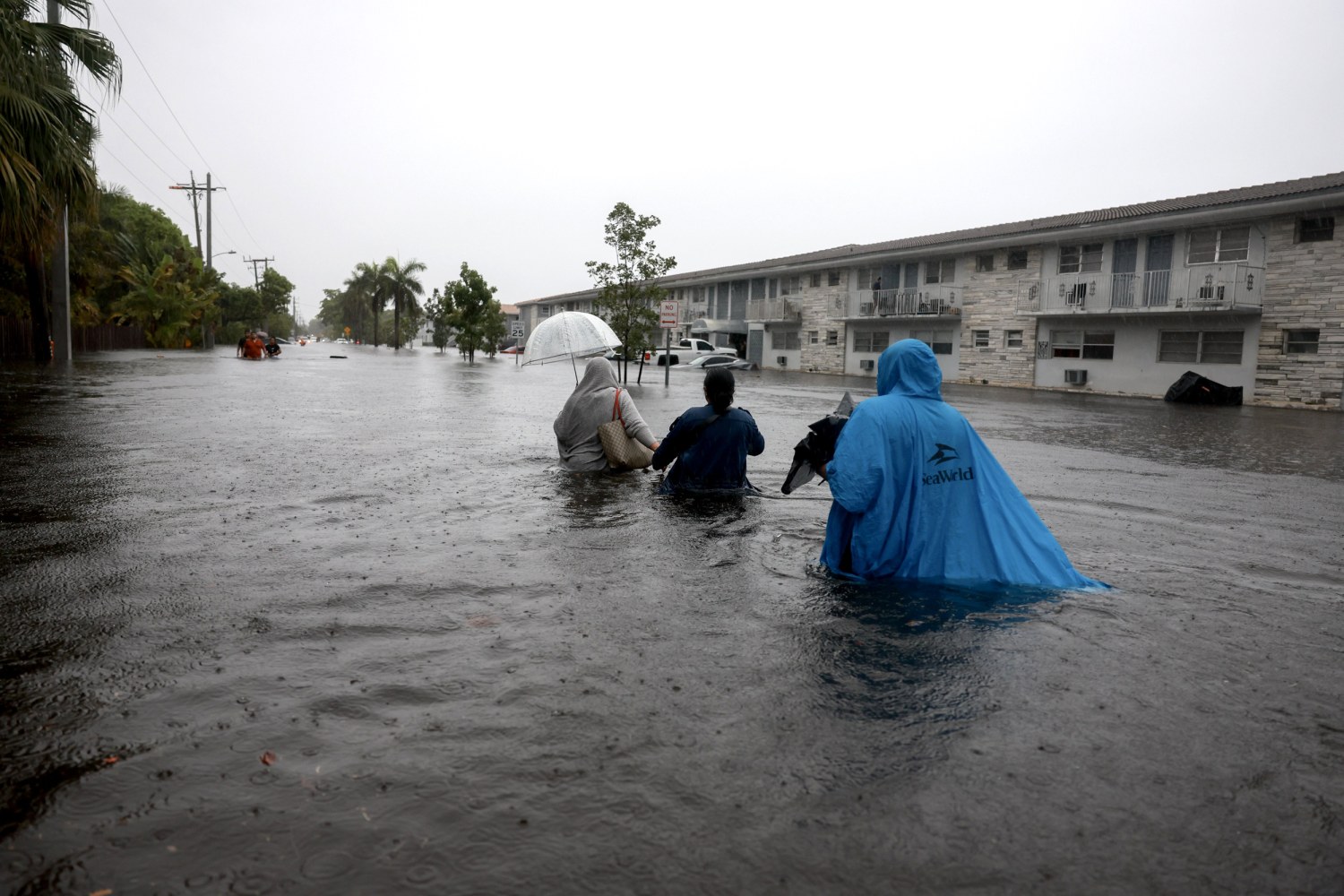
Understanding Florida’s Vulnerability to Water
Florida’s unique geography and climate inherently make it prone to various water-related challenges. A deep understanding of these factors helps to demystify the “flooded” perception and provides context for travel decisions.
A Peninsular Geography
As a long, low-lying peninsula surrounded by the Atlantic Ocean to the east and the Gulf of Mexico to the west, Florida is uniquely situated. Much of the state sits at or just above sea level, with an average elevation of only 100 feet. This flatness, combined with an extensive coastline stretching over 1,350 miles, means that water management is a perpetual, complex undertaking. The state is crisscrossed by an intricate network of rivers, lakes, and canals, and its porous limestone bedrock contributes to a high water table. Natural wonders like the Everglades, a vast wetland ecosystem, underscore Florida’s inherently watery nature. This geography means that heavy rainfall or storm surge has nowhere to go but to spread out, leading to localized inundation even in areas with sophisticated drainage systems.
Hurricane Season and Tropical Storms
The most significant and dramatic flooding events in Florida are almost invariably linked to tropical cyclones. The Atlantic hurricane season officially runs from June 1st to November 30th each year, with the peak typically occurring from late August through September. During this period, Florida faces the risk of hurricanes and tropical storms, which bring two primary forms of flooding:
- Heavy Rainfall: Tropical systems can dump staggering amounts of rain over a short period, overwhelming stormwater infrastructure and causing widespread freshwater flooding.
- Storm Surge: This is an abnormal rise of water generated by a storm, over and above the predicted astronomical tide. Pushed inland by powerful winds, storm surge can devastate coastal communities, inundating areas that are usually dry and causing significant property damage and life-threatening conditions. The impact of storm surge is often far more destructive than wind damage or rainfall.
King Tides and Sunny Day Flooding
Beyond dramatic weather events, Florida is increasingly grappling with less severe but persistent forms of flooding, often exacerbated by sea-level rise. “King tides” are exceptionally high tides that occur a few times a year, typically during new or full moons, when the gravitational pull of the moon and sun align. In coastal cities like Miami Beach, Fort Lauderdale, and parts of the Florida Keys, these tides can cause “sunny day flooding” where streets and low-lying areas are inundated even without rain or storms. This phenomenon, while generally not disruptive to air travel or widespread tourism, can affect local traffic, business operations, and outdoor activities in specific neighborhoods, particularly during certain times of the year.
Assessing the Current Situation for Travelers
For travelers, the most pressing question isn’t whether Florida can flood, but whether it is flooded at the time of their planned visit, and how that impacts their specific destination.
Beyond the Headlines: Localized Impacts
It’s critical to remember that Florida is a vast state, stretching over 450 miles from north to south. A severe weather event causing flooding in one region does not automatically mean the entire state is impacted. News reports often highlight the most affected areas, which can lead to a misperception that all of Florida is underwater. For example, a hurricane making landfall in the Panhandle might have no discernible effect on travel plans for those heading to South Florida, or vice versa. Flooding, even from major storms, tends to be highly localized. One city might experience significant disruption, while a city just 50 miles away remains completely unaffected, or recovers very quickly. Therefore, travelers should always verify the specific conditions of their intended destination rather than making broad assumptions about the entire state.
Key Travel Hubs and Their Resilience
Florida’s major tourist destinations are incredibly resilient and have extensive emergency preparedness and recovery protocols.
- Orlando: As the theme park capital, home to Walt Disney World Resort and Universal Orlando Resort, Orlando is inland and generally less vulnerable to storm surge than coastal areas. While heavy rains can cause localized street flooding, the major attractions and their surrounding infrastructure are built with robust drainage systems and rarely experience severe, long-term flooding that would completely halt operations. Parks may close temporarily for safety during high winds or heavy rain, but often reopen swiftly.
- Miami and Fort Lauderdale: These major South Florida metropolises are coastal and thus more susceptible to storm surge and king tide issues. However, significant investments have been made in flood mitigation infrastructure, including improved drainage, pump stations, and elevated roads. While certain low-lying areas might experience street flooding, the vast majority of hotels, attractions, and travel services remain operational, even if detours are occasionally necessary.
- Tampa: Situated on Tampa Bay on the Gulf Coast, Tampa is also vulnerable to storm surge. Like its East Coast counterparts, Tampa has robust emergency plans and infrastructure. Major attractions and the downtown core typically recover quickly from any storm impacts.

Transportation and Accessibility
Flooding can, however, significantly impact transportation.
- Airports: Major airports like Orlando International Airport and Miami International Airport are generally well-prepared. Closures are rare and typically short-lived, usually due to high winds or safety precautions during a storm rather than runway inundation. Travelers should monitor airline updates directly.
- Roads: Interstates like I-95 (running north-south along the East Coast) and I-75 (connecting South Florida to the north) are critical arteries. While they are designed to handle significant rainfall, localized street flooding can occur, especially on exit ramps or feeder roads. In severe hurricane events, certain sections may be closed for safety, or due to debris. Up-to-the-minute traffic apps and state Department of Transportation websites are invaluable for road condition checks.
- Ports: Florida’s cruise ports (PortMiami, Port Canaveral, Port Everglades, Port Tampa Bay) are highly susceptible to storm-related closures. Cruise itineraries can be altered or canceled during hurricane season to avoid severe weather.
Travel Planning in a Water-Conscious State
Preparing for a trip to Florida, especially during the hurricane season, requires a proactive approach. Informed planning can turn potential anxieties into manageable considerations.
Essential Resources for Real-Time Information
The key to smart travel planning in Florida is access to current, reliable information.
- Official Weather and Emergency Sites: The National Hurricane Center (NHC) is the authoritative source for tropical weather forecasts. The Florida Division of Emergency Management (FDEM) provides statewide emergency information, including evacuation orders and recovery updates. Local county emergency management websites also offer hyper-local details.
- Local News and Media: Florida news outlets are extremely experienced in covering weather events. Monitoring local TV news, radio, and reputable online news sources for your specific destination can provide real-time updates on conditions, road closures, and power outages.
- Travel Apps and Websites: Services like Google Maps often integrate real-time traffic and road closure information. Weather apps with radar features can also be helpful for tracking localized rainfall.
- Direct Contact: Don’t hesitate to contact your hotel, resort, or specific attraction directly. They are usually the best source for information about their immediate area and operational status.
Travel Insurance and Flexible Bookings
These are non-negotiable for travel to Florida, particularly during hurricane season.
- Travel Insurance: Purchase comprehensive travel insurance that includes coverage for trip cancellation, interruption, and delays due to weather events. Read the policy carefully to understand what is covered, as some policies have specific clauses regarding hurricanes and named storms. Often, coverage only kicks in if a storm is named after you’ve purchased the policy.
- Flexible Bookings: Opt for flights, accommodations, and car rentals that offer flexible cancellation or rebooking policies. Many airlines and hotels waive change fees during declared emergencies or when travel advisories are issued for affected areas. This provides peace of mind and financial protection should your plans need to change.
Preparing for Your Trip
Even if no major storm is forecast, a few practical steps can enhance your readiness:
- Communication Plan: Ensure your family or travel companions have a communication plan, especially if cell service is disrupted.
- Essentials: Pack a small “go-bag” with essentials like medications, important documents, chargers, and a small amount of cash, just in case of unexpected delays or minor disruptions.
- Stay Informed: Before and during your trip, make it a habit to check the weather forecast daily for your specific destination. Be aware of any advisories or watches issued.
Experiencing Florida Responsibly
Even with Florida’s susceptibility to water-related issues, it remains one of the world’s most beloved travel destinations. A responsible and informed approach allows travelers to enjoy its many offerings while respecting its environmental realities.
Supporting Local Resilience Efforts
Should a region be affected by flooding, responsible tourism can play a crucial role in recovery. Once an area is declared open and safe for visitors, returning can help local businesses, which often bear the brunt of economic impacts. Be patient, understanding, and support local establishments. Sometimes, the best way to help is to simply visit once it’s appropriate and enjoy what the community has to offer, contributing to the local economy.
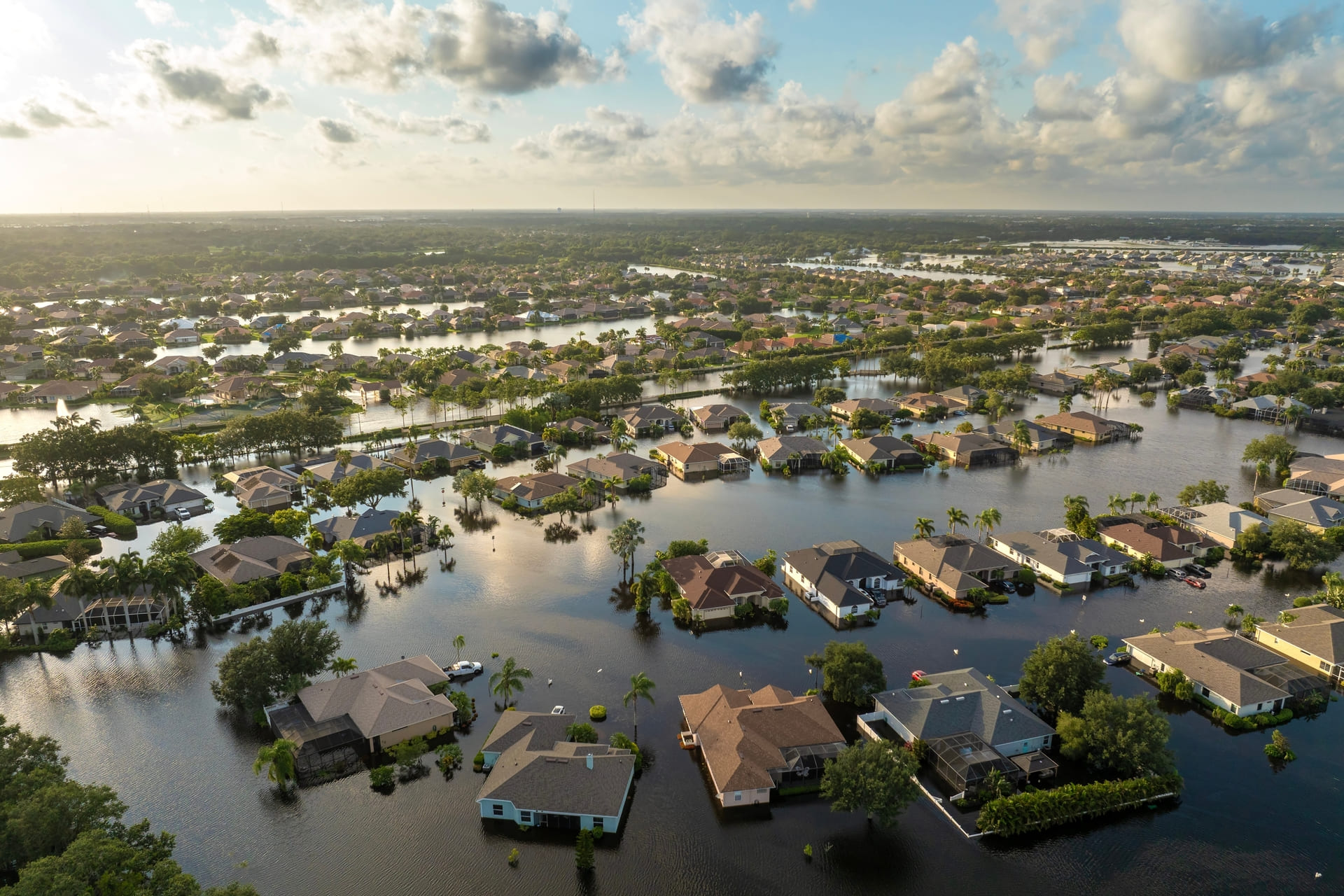
Enjoying Florida’s Natural Beauty (Safely)
Florida’s beauty is deeply intertwined with its water: its pristine beaches, vibrant coral reefs, crystal-clear natural springs, and unique wetland ecosystems. These attractions are typically open and welcoming. By staying informed about local conditions, heeding official warnings, and respecting natural environments, travelers can safely enjoy Florida’s diverse landscape. Remember that post-storm conditions might temporarily affect water quality or access to certain natural areas, so always check with local parks or tourism boards before venturing out.
In conclusion, the answer to “Is Florida flooded?” is almost always more nuanced than a simple yes or no. While parts of the state can experience flooding due to its unique geography and susceptibility to tropical weather, it is rarely widespread, and its major travel hubs are remarkably resilient. With diligent planning, the right resources, and a flexible mindset, travelers can confidently explore the vast majority of what the Sunshine State has to offer, making their trip both safe and unforgettable.
LifeOutOfTheBox is a participant in the Amazon Services LLC Associates Program, an affiliate advertising program designed to provide a means for sites to earn advertising fees by advertising and linking to Amazon.com. Amazon, the Amazon logo, AmazonSupply, and the AmazonSupply logo are trademarks of Amazon.com, Inc. or its affiliates. As an Amazon Associate we earn affiliate commissions from qualifying purchases.