
Florida, often lauded as the Sunshine State and a premier global tourism destination, draws millions of visitors annually with its pristine beaches, world-renowned theme parks, and vibrant cultural scene. From the magical allure of Orlando to the bustling nightlife of Miami and the historic charm of St. Augustine, the state offers an unparalleled array of experiences. As cannabis laws evolve across the United States, a common question arises among prospective tourists and even some residents: Is recreational weed legal in Florida? The short answer, as of late 2023 and early 2024, is no. Recreational cannabis remains illegal in the state. However, the landscape of cannabis regulation in Florida is nuanced, with a robust medical marijuana program in place and ongoing efforts to legalize adult-use cannabis. Understanding these distinctions is crucial for anyone planning to visit or reside in the Sunshine State to ensure a smooth, enjoyable, and lawful experience.

This guide aims to provide a comprehensive overview for tourists, demystifying Florida’s cannabis laws, outlining practical tips, and offering insights into the evolving legal framework. Navigating the legalities of cannabis can be complex, especially with the interplay of state and federal regulations. Our goal is to equip you with the knowledge needed to make informed decisions and fully enjoy all that Florida has to offer, without inadvertently running afoul of the law.
Understanding Florida’s Cannabis Laws for Tourists
For visitors heading to Florida, a clear understanding of the state’s cannabis laws is paramount. While many states have moved towards legalizing recreational marijuana, Florida has taken a more measured approach, currently limiting legal access to medical patients only.
The Current Legal Landscape: Medical vs. Recreational
In Florida, the use, possession, cultivation, and sale of cannabis for recreational purposes are explicitly illegal. This means that if you do not possess a valid Florida Medical Marijuana Use Registry identification card, any form of cannabis possession could lead to serious legal consequences. The state, however, has a well-established and expanding medical marijuana program, legalized by Amendment 2 in 2016. This program allows qualifying patients with specific medical conditions to obtain and use cannabis products under the supervision of a state-licensed physician. These products are dispensed through licensed Medical Marijuana Treatment Centers (MMTCs), commonly known as dispensaries, located across the state. The distinction is critical: recreational use is prohibited, while medical use under strict conditions is permitted. Tourists should not assume that because medical marijuana is legal, recreational use is tolerated. The legal framework is quite rigid in this regard.
Federal Law’s Overarching Influence
It’s equally important to remember that, despite varying state laws, cannabis remains classified as a Schedule I controlled substance under federal law. This means that from the perspective of the United States federal government, cannabis is illegal nationwide. While federal authorities generally defer to state laws regarding medical and recreational cannabis within state borders, federal jurisdiction always applies. This is particularly relevant when crossing state lines, traveling through airports (which are federal spaces), or interacting with federal lands (like national parks). For tourists, this primarily translates to a strict prohibition on transporting cannabis across state lines, even if both states have legalized it, and certainly within federal facilities. Possession of cannabis on federal property in Florida, such as national parks or airports, is a federal offense, regardless of state law.
Penalties for Possession and Use
The penalties for cannabis-related offenses in Florida can be severe, ranging from misdemeanor charges to felony convictions, depending on the amount possessed and the intent (personal use, sale, cultivation).
- Possession of 20 grams or less of cannabis: This is a first-degree misdemeanor, punishable by up to one year in jail and a fine of up to $1,000.
- Possession of more than 20 grams but less than 25 pounds: This escalates to a third-degree felony, carrying a potential sentence of up to five years in prison and a fine of up to $5,000.
- Sale, manufacture, or delivery of cannabis: These offenses carry even stiffer penalties, often resulting in mandatory minimum sentences and substantial fines, depending on the quantity involved.
These penalties underscore the importance for tourists to exercise extreme caution and fully comply with Florida’s current laws regarding recreational cannabis. Ignorance of the law is not considered a valid defense.
Navigating Medical Marijuana in the Sunshine State
While recreational cannabis is off-limits, Florida’s medical marijuana program offers a legal pathway for qualifying patients. For tourists, understanding the nuances of this program, especially regarding out-of-state medical cards, is vital.
Who Qualifies for a Medical Marijuana Card in Florida?
To qualify for a medical marijuana card in Florida, an individual must be diagnosed with one or more specific debilitating medical conditions by a state-licensed physician who is also qualified to recommend medical cannabis. These conditions include, but are not limited to: cancer, epilepsy, glaucoma, HIV/AIDS, PTSD, ALS, Crohn’s disease, Parkinson’s disease, multiple sclerosis, and chronic non-malignant pain. The patient must also be a permanent or seasonal resident of Florida. A permanent resident is defined as a person who has established a domicile in Florida and intends to reside there permanently. A seasonal resident is someone who resides in Florida for at least 31 consecutive days in a calendar year and maintains a temporary residence there, but who returns to a permanent residence elsewhere at least once during the year. This residency requirement is the primary hurdle for most tourists.
Out-of-State Patients: Reciprocity and Restrictions
Currently, Florida does not recognize out-of-state medical marijuana cards. This is a critical point for visitors who possess medical cards from other states or countries. Even if you have a valid medical cannabis recommendation where you live, it will not allow you to legally purchase or possess medical marijuana in Florida. The state’s law explicitly states that only patients listed in the Florida Medical Marijuana Use Registry are authorized to receive and use medical cannabis. Therefore, tourists with out-of-state medical cards are still subject to Florida’s recreational cannabis laws and face the same penalties for possession. Any attempt to purchase from a licensed MMTC will be denied without a valid Florida card.
Where Can You Purchase Medical Cannabis?
For those who do qualify and obtain a Florida Medical Marijuana Use Registry identification card, cannabis products can only be purchased from licensed Medical Marijuana Treatment Centers (MMTCs). These dispensaries are regulated by the state and offer a variety of approved products, including oils, edibles, tinctures, vapes, and flower. MMTCs are located in various cities, including Tallahassee, Tampa, Jacksonville, and many others. It is illegal to purchase cannabis from any source other than an authorized MMTC, and it is also illegal for registered patients to share or sell their medical cannabis to others. For tourists, this section primarily serves as information regarding the strict regulations that apply even to legal cannabis access in Florida.
The Future of Recreational Cannabis in Florida
The legal status of recreational cannabis in Florida is not static. There’s a significant ongoing dialogue and political movement aimed at bringing adult-use cannabis to the Sunshine State.
The Push for Legalization: Past and Present Initiatives
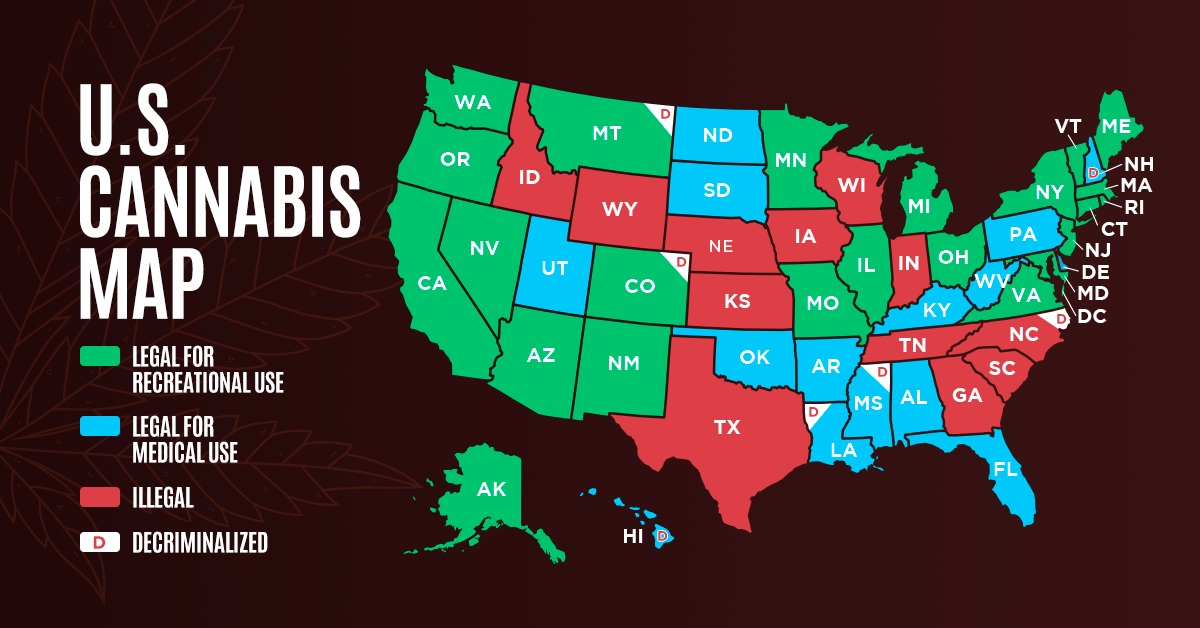
Since the legalization of medical marijuana, advocates have actively pursued the full legalization of recreational cannabis in Florida. Several citizen-led initiatives have attempted to get amendments on the ballot, facing various legal and political hurdles. The most prominent effort, “Smart & Safe Florida,” successfully collected enough signatures to place a constitutional amendment for adult-use recreational marijuana on the November 2024 ballot. This initiative, if passed by at least 60% of voters, would allow adults 21 and older to possess and use cannabis, and would permit existing medical marijuana treatment centers to sell cannabis to recreational users. The language of the amendment generally outlines a framework for adult-use cannabis, with the Florida Legislature retaining the authority to implement regulations. This marks a significant milestone, and the outcome of the 2024 vote will be pivotal in shaping the future of cannabis in Florida.
Potential Impacts on Tourism and the Economy
Should recreational cannabis be legalized, the economic impact on Florida could be substantial, potentially mirroring the experiences of other states that have legalized adult-use cannabis, such as Colorado or California.
- Increased Tourism Revenue: Legalization could attract a new segment of tourists interested in cannabis-friendly travel, generating significant tax revenue for the state. This revenue could be directed towards public services, infrastructure, or education.
- Job Creation: A new industry would emerge, creating jobs in cultivation, processing, distribution, and retail, as well as ancillary services.
- Boost to Related Industries: Hotels, restaurants, and entertainment venues might see an increase in business as tourists extend their stays or seek out new experiences.
- Challenges: There would also be challenges, such as establishing robust regulatory frameworks, addressing public health concerns, and managing potential increases in impaired driving.
For tourists, legalization would transform the “Tips” and “Activities” sections of this guide, opening up new possibilities for experiences and expanding the local culture to include cannabis dispensaries and related businesses. However, until such a change occurs, the current laws remain in full effect.
What to Watch For: Upcoming Votes and Legislation
The “Smart & Safe Florida” initiative on the 2024 ballot is the primary event to monitor. Its passage would fundamentally alter Florida’s cannabis landscape. Even if the amendment passes, the implementation process will likely take time, as the state legislature would need to develop and enact comprehensive regulations for the recreational market. This could involve determining licensing structures, taxation, public consumption rules, and advertising guidelines. Tourists interested in visiting Florida in the coming years should keep an eye on news from the Florida Department of Health and other relevant state agencies for updates on the legal status and operational details of a potential recreational cannabis market.
Practical Tips for Visitors to Florida
Given the current legal status, visitors to Florida must remain diligent and informed to avoid legal complications. These practical tips are essential for a worry-free trip.
Adhering to Local and State Laws
The most crucial tip for any tourist is to respect and adhere strictly to Florida’s current laws. Do not attempt to purchase, possess, or consume recreational cannabis. Do not rely on out-of-state medical cards. If you are not a qualified Florida medical marijuana patient with a state-issued ID card, assume all cannabis possession and use is illegal. This includes products purchased legally in other states, as transporting them into Florida is also against the law. Familiarize yourself with local ordinances, as some municipalities might have additional restrictions or specific enforcement priorities.
Public Consumption and Designated Areas
Even if recreational cannabis were legal, public consumption often remains prohibited, similar to alcohol. In Florida, even medical marijuana patients are restricted from consuming cannabis in public places, on federal property, or in vehicles. The law typically dictates that medical cannabis must be consumed in private residences or other authorized, private locations. For a tourist, this means that even if a future recreational law passes, public consumption on beaches, in parks, or outside restaurants and hotels is highly likely to remain forbidden. Always exercise discretion and adhere to the rules of private property, such as hotels or rental properties, regarding cannabis use.
Driving Under the Influence (DUI) Laws
Florida has stringent laws against driving under the influence (DUI) of any impairing substance, including cannabis. This applies to both recreational and medical users. Law enforcement can charge individuals with DUI if they are found to be impaired while operating a vehicle, regardless of whether they have a medical marijuana card. Penalties for DUI are severe, including fines, license suspension, mandatory vehicle impoundment, and potential jail time. Never operate a vehicle, boat, or any other machinery after consuming cannabis. Arrange for rideshares, taxis, or designated drivers to ensure safety and legal compliance.
Transportation and Cannabis: Airports and Borders
As mentioned, federal law governs airports and interstate travel. It is strictly illegal to bring cannabis onto an airplane, even if you are traveling between two states where recreational cannabis is legal. The Transportation Security Administration (TSA) explicitly states that while their screening procedures are focused on security threats, they will refer suspected violations of law to local, state, or federal law enforcement officers. This means that if cannabis is discovered in your luggage during an airport screening at Miami International Airport or Orlando International Airport, for example, you could face legal consequences. Similarly, crossing state lines with cannabis, whether by car, train, or bus, is a federal offense. The safest approach for tourists is to avoid any interaction with cannabis products while traveling to, from, or within Florida.
Exploring Cannabis-Adjacent Tourism (within legal bounds)
While direct recreational cannabis use isn’t an option for tourists, there are still ways to engage with the broader cannabis and wellness industry in Florida legally and responsibly.
Wellness and CBD Products
The Cannabidiol (CBD) market is thriving in Florida, and these products are legal as long as they contain less than 0.3% Delta-9 THC. CBD is a non-intoxicating compound found in cannabis that many people use for its potential wellness benefits, such as relaxation, pain relief, and improved sleep, without the “high” associated with THC. Tourists can find a wide array of CBD products, including oils, edibles, topicals, and beverages, at various retail outlets across the state, from specialized CBD shops to health food stores and even some pharmacies. This provides a legal avenue for visitors interested in the therapeutic aspects of the cannabis plant without breaking any laws. Always ensure products are purchased from reputable sources that provide third-party lab testing results to confirm THC content and purity.
Educational Experiences and Advocacy
For those interested in the evolving cannabis landscape, Florida offers opportunities for education and advocacy. While there might not be “cannabis tours” in the same vein as states with recreational markets, some organizations and events might focus on the medical benefits of cannabis, the science behind it, or the political efforts for legalization. Attending public forums, informational sessions, or even visiting wellness expos that feature CBD products can provide valuable insights into the plant and its future in the state. Engaging with local advocacy groups or simply following news about the 2024 ballot initiative can also be a way for tourists to connect with the cannabis conversation in Florida responsibly.

Responsible Tourism and Conscious Choices
Ultimately, responsible tourism in Florida, especially concerning cannabis, means making conscious choices to stay informed and abide by the law. Enjoy the state’s incredible beaches, vibrant cities, and diverse attractions, but do so with an awareness of local regulations. If you encounter situations involving cannabis, it’s always best to err on the side of caution and avoid participation if you are unsure of the legalities. By understanding the current status of recreational weed, the nuances of the medical marijuana program, and the ongoing efforts for change, tourists can ensure their visit to the Sunshine State is not only memorable but also free of legal complications. The beauty and excitement of Florida are best experienced when one feels secure and confident in their adherence to the rules that govern this popular destination.
LifeOutOfTheBox is a participant in the Amazon Services LLC Associates Program, an affiliate advertising program designed to provide a means for sites to earn advertising fees by advertising and linking to Amazon.com. Amazon, the Amazon logo, AmazonSupply, and the AmazonSupply logo are trademarks of Amazon.com, Inc. or its affiliates. As an Amazon Associate we earn affiliate commissions from qualifying purchases.