
For millions of travelers, Florida represents the quintessential escape: sun-drenched beaches, world-class theme parks, vibrant cities, and serene natural landscapes. It’s a destination that consistently tops lists for family vacations, romantic getaways, and adventurous explorations. However, as a peninsula surrounded by warm ocean waters, Florida is also susceptible to tropical weather systems, particularly during hurricane season. The emergence of a named storm like Hurricane Kirk inevitably raises critical questions for anyone planning a trip to the Sunshine State: What is the risk? How will it impact travel? And what steps should be taken to ensure safety and minimize disruption? Understanding the dynamics of hurricane forecasting and having a robust preparedness strategy are paramount for any traveler eyeing Florida during the storm season. This comprehensive guide will equip you with the insights needed to navigate the uncertainties of a potential hurricane threat, ensuring your travel plans remain as smooth and safe as possible.

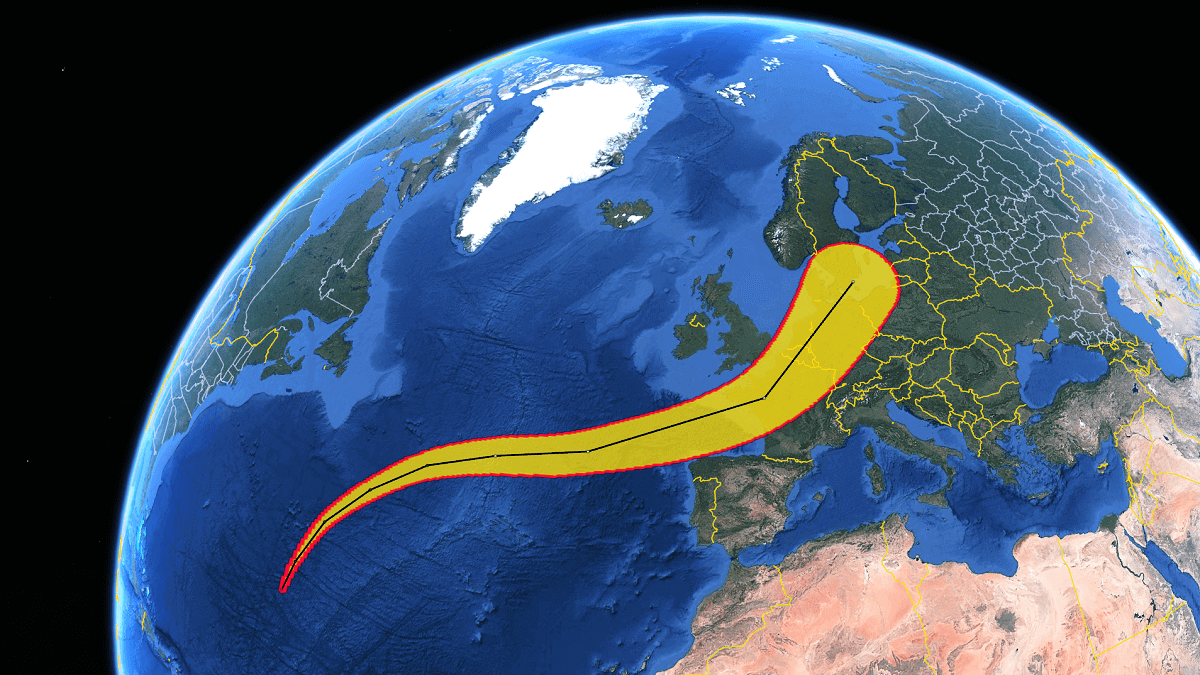
Understanding the Threat: Tracking Hurricane Kirk’s Path
The prospect of a hurricane making landfall can be daunting, but advancements in meteorological science mean that potential threats are often identified and tracked days in advance. For travelers, this window provides crucial time to make informed decisions.
How Hurricanes Are Monitored
The sophisticated process of hurricane monitoring is spearheaded by agencies such as the National Hurricane Center (NHC), a division of the National Oceanic and Atmospheric Administration (NOAA). Meteorologists employ a vast array of tools to track and predict the trajectory and intensity of tropical cyclones. This includes high-resolution satellite imagery that captures the storm’s structure and movement, hurricane hunter aircraft that fly directly into the eye of the storm to gather real-time data on wind speeds and pressure, and a complex network of buoys and radar systems. This data is then fed into highly advanced numerical weather prediction models, which simulate atmospheric conditions to forecast the storm’s path, strength, and potential impacts. These models, while incredibly powerful, inherently involve a degree of uncertainty, especially for forecasts extending beyond three to five days. It’s why projections can shift, and travelers must remain vigilant in monitoring updates from official sources. The Cone of Uncertainty, a graphical representation often depicted in forecasts, illustrates the probable track of the center of a tropical cyclone, but it’s crucial to remember that impacts can extend far beyond this cone.
Current Projections for Florida
When a storm like Hurricane Kirk develops, its potential impact on a vast state like Florida can vary significantly depending on its projected path. Different regions – from the bustling beaches of South Florida to the pristine shores of the Panhandle, or the theme park capital around Orlando to the historic Atlantic Coast cities like St. Augustine – face distinct threats. A storm tracking westward through the Gulf of Mexico might primarily threaten Tampa and the state’s western coast, while one approaching from the Atlantic Ocean could pose a risk to Miami, Fort Lauderdale, and the barrier islands.
As of the current understanding (hypothetically, for Hurricane Kirk), models might show a general trajectory, but specifics on landfall location, intensity, and speed can change. For instance, a fast-moving storm might cause intense but short-lived impacts, while a slow-moving system could lead to prolonged heavy rainfall and significant flooding, even far inland. Travelers should pay close attention not just to the predicted track but also to the projected wind speeds (which determine the hurricane category) and potential for storm surge, which is often the deadliest aspect of a hurricane, particularly for coastal areas like the Florida Keys or communities around Charlotte Harbor. Official forecast discussions from the NHC offer detailed breakdowns of these possibilities, providing the most reliable information for assessing risk to specific travel destinations within Florida.
Pre-Travel Preparedness: Essential Steps for Florida-Bound Travelers
When a hurricane threat emerges, proactive preparation is the traveler’s best defense. Taking action before departure can save significant stress, money, and even ensure personal safety.
Monitoring Official Advisories
The single most important step for any traveler during hurricane season is to continuously monitor official advisories. Rely on trusted sources like the National Hurricane Center (www.nhc.noaa.gov), the Florida Division of Emergency Management (www.floridadisaster.org), and local county emergency management websites for your specific destination. These agencies provide real-time updates on storm tracks, intensity forecasts, watches (indicating conditions are possible within 48 hours), and warnings (conditions are expected within 36 hours), as well as critical information on evacuation orders, shelter locations, and emergency contacts. Avoid rumors or unofficial social media channels, which can spread misinformation and cause unnecessary panic or, worse, complacency. Sign up for emergency alerts from your destination county if available, and ensure your mobile device can receive Wireless Emergency Alerts (WEA).
Reviewing Travel Insurance Policies
Travel insurance can be an invaluable asset when hurricane season disrupts plans. However, not all policies are created equal, and understanding your coverage is crucial. Most standard travel insurance policies include coverage for trip cancellation or interruption due due to a named storm that impacts your destination or departure point, often covering non-refundable costs like flights, hotel bookings, and pre-paid tours. Crucially, this coverage typically only applies if the hurricane was not a “named storm” before you purchased your policy or booked your trip. Once a storm is named, it becomes a “foreseeable event,” and new policies purchased thereafter usually will not cover claims related to that specific storm.
For broader protection, consider a “Cancel for Any Reason” (CFAR) policy. While more expensive, CFAR allows you to cancel your trip for virtually any reason – including personal anxiety over a potential hurricane threat, even if no official travel advisories or evacuation orders are in place – and typically reimburses 50-75% of your non-refundable expenses. Always read the fine print of your policy, understand the specific triggers for coverage, and know how to file a claim. If you have existing policies, such as through a credit card, check their travel benefits as well.
Contacting Airlines and Accommodation Providers
As soon as a hurricane threat becomes credible for your travel dates or destination, proactive communication with your travel providers is essential. Airlines often issue travel waivers, allowing passengers to rebook flights without change fees or receive refunds if their flight is canceled or significantly delayed due to the storm. Check your airline’s website for specific waiver policies related to Hurricane Kirk or general hurricane policies. Similarly, contact your hotel, resort, or vacation rental provider. Many establishments in hurricane-prone areas have specific hurricane clauses in their booking agreements, outlining cancellation or rescheduling options. They can also provide vital information on their property’s preparedness plans, whether they intend to evacuate guests, or if they have generator power. For cruise lines departing from Florida ports like PortMiami or Port Canaveral, be aware that itineraries can change drastically, and embarkation/disembarkation might be delayed or rerouted. Document all communications, noting dates, times, and names of representatives.

During a Hurricane Threat: Safety and Adaptation for Travelers in Florida
If you find yourself in Florida when Hurricane Kirk or any other storm poses an imminent threat, your priorities shift from planning to immediate safety and adaptation.
Evacuation Orders and Shelters
The most critical instruction during an imminent hurricane threat is to heed all mandatory evacuation orders without delay. These orders are issued by local authorities based on the severity of the storm and the vulnerability of specific areas (e.g., low-lying coastal zones, mobile home parks, or barrier islands like those around Key West). Evacuation routes will be designated, and traffic can become heavy, so leave early if advised. Do not wait until the last minute. If you are unable to evacuate or if local authorities instruct you to shelter in place, know the location of designated public hurricane shelters. These shelters are managed by local emergency services and provide a safe, albeit basic, environment. Pack a “go bag” with essentials such as identification, medications, first-aid supplies, non-perishable food, water, and comfort items. Your accommodation provider might also have an internal shelter plan, which they should communicate clearly.
Staying Informed and Connected
During a storm, power outages are common, which can disrupt internet and cell service. Ensure you have alternative ways to receive information. A battery-powered or hand-crank weather radio is an excellent investment for accessing NOAA Weather Radio broadcasts. Keep all electronic devices fully charged, and consider portable power banks. Have a list of emergency contacts, including family, friends, your airline, hotel, and local emergency services, written down, as you may not be able to access digital contacts. Inform your loved ones of your plans and status. If phone lines are overwhelmed, text messages often go through more reliably than calls.
Safeguarding Documents and Valuables
Before the storm hits, gather all essential documents—passports, IDs, insurance policies, credit cards, and cash—and place them in a waterproof, easily accessible bag. This “grab-and-go” bag should also contain any necessary medications. If you have valuables, follow your accommodation’s advice; some hotels may offer secure storage. If you’re in a car, ensure it’s fueled up and consider where it will be safest from flooding or wind damage.
Adjusting Travel Plans
Flexibility is key. If your flight is canceled, be prepared to wait for the next available service, which could be days later, especially for major hubs like Miami International Airport or Orlando International Airport. If roads are flooded or damaged, ground transportation may be severely impacted. Be patient with airline and hotel staff, who will be working under immense pressure. Consider extending your stay if it’s safer than attempting to travel, or seek alternative accommodations in a non-impacted area if evacuation is advised. Remember that tourist attractions, including major theme parks like Walt Disney World and Universal Orlando Resort, will close well in advance of a storm and reopen only when safe conditions are verified.
Post-Storm Florida Travel: What to Expect and How to Help
Once the immediate threat of Hurricane Kirk has passed, the focus shifts to recovery. For travelers, understanding the post-storm environment is crucial for both safety and for planning future visits.
Assessing Infrastructure Damage
After a hurricane, the first priority for authorities is to assess and restore critical infrastructure. Roads may be blocked by fallen trees or power lines, or rendered impassable due to flooding. Bridges could be damaged, and public transportation services might be suspended. Power outages can be widespread and prolonged, affecting everything from traffic lights to gas stations and ATMs. Water and sewage systems might also be compromised, necessitating boil water advisories. Airports and seaports, like the bustling Port of Tampa Bay, will require inspections before resuming operations. Travelers should not attempt to enter areas that have sustained significant damage and should avoid sightseeing in affected zones, as this diverts resources and can put you at risk. Always follow directives from local law enforcement and emergency personnel regarding travel restrictions.
Resumption of Tourism Activities
Florida’s tourism industry is resilient, but the resumption of activities will vary greatly depending on the storm’s impact. In unaffected areas, attractions, restaurants, and hotels may reopen relatively quickly. However, in directly hit regions, the recovery process can take weeks or even months. Beaches might be eroded or closed for cleanup, and parks like Everglades National Park may have damaged trails or facilities. Historic sites might require structural assessments. It’s essential to check the official websites or social media channels of specific attractions, hotels, and businesses for their operational status. Many popular destinations prioritize guest safety and will only reopen once they can guarantee a quality experience. Expect potential limited services, reduced operating hours, or ongoing repairs in the immediate aftermath.
Supporting Local Recovery Efforts
For travelers who wish to visit Florida after a hurricane, or for those who were impacted and want to help, ethical and informed support is vital. One of the best ways to help is to continue with your travel plans to unaffected areas of Florida once it is safe to do so. Tourism is a cornerstone of the state’s economy, and spending money at hotels, restaurants, and attractions helps local businesses and their employees recover. For impacted regions, avoid traveling there immediately unless you are part of an organized relief effort. Instead, consider donating to reputable disaster relief organizations like the American Red Cross or local community foundations. If you have skills that could be useful in recovery (e.g., construction, medical), look for opportunities with established volunteer organizations rather than self-deploying, which can inadvertently add to the burden on local resources. When you do return to a recovered area, prioritize supporting local, independently-owned businesses to help communities rebuild their economic base. Your responsible actions as a traveler can play a significant role in Florida’s journey back to full vibrancy.
In conclusion, while the threat of a hurricane like Hurricane Kirk can add a layer of complexity to travel plans, careful preparation, constant vigilance, and adherence to official advisories empower travelers to make safe and sensible decisions. Florida remains an incredibly diverse and appealing travel destination, and with the right approach, visitors can confidently navigate its hurricane season, ensuring memorable and secure experiences.
LifeOutOfTheBox is a participant in the Amazon Services LLC Associates Program, an affiliate advertising program designed to provide a means for sites to earn advertising fees by advertising and linking to Amazon.com. Amazon, the Amazon logo, AmazonSupply, and the AmazonSupply logo are trademarks of Amazon.com, Inc. or its affiliates. As an Amazon Associate we earn affiliate commissions from qualifying purchases.