
The allure of unique pets can be strong, especially when confronted with the captivating wildlife that often shares our environments. In a state like Florida, renowned for its diverse ecosystems and abundant animal life, the question of whether one can legally keep a wild animal, such as a raccoon, as a pet frequently arises. Understanding the regulations surrounding exotic pet ownership is not merely a matter of compliance but also a crucial aspect of responsible engagement with Florida’s natural heritage. This article delves into the specific laws and considerations for owning a raccoon in the Sunshine State, offering vital insights for anyone curious about this intriguing aspect of local wildlife interaction.

Florida’s Stance on Exotic Pet Ownership
Florida has one of the most comprehensive and stringent regulatory frameworks in the United States concerning the ownership of exotic animals. This strict approach is rooted in a deep understanding of the state’s delicate ecosystems, the potential public health risks, and the welfare of the animals themselves. Unlike many other states that might have more lenient rules, Florida places a strong emphasis on protecting its native wildlife and preventing the introduction or spread of non-native species that could disrupt its ecological balance.
The Regulatory Framework: FWC and Classes of Wildlife
The primary authority governing wildlife and exotic pet ownership in Florida is the Florida Fish and Wildlife Conservation Commission (FWC). The FWC classifies wild animals into various categories, each with its own set of rules and requirements for possession. These classifications are critical for understanding whether a specific animal can be legally owned and under what conditions.
The FWC categorizes wildlife into three main classes:
- Class I Wildlife: These are inherently dangerous animals, posing a significant risk to humans and native wildlife. This class includes large carnivores like lions, tigers, and bears, as well as venomous reptiles and primates. Ownership of Class I wildlife is generally restricted to qualified professionals, zoos, or research facilities, requiring extensive permitting and strict safety protocols.
- Class II Wildlife: This category comprises animals that are considered dangerous but can be safely kept by individuals with adequate knowledge, experience, and facilities. While not as inherently perilous as Class I animals, they still pose a substantial risk. Raccoons fall squarely into this category, alongside species like bobcats, cougars, foxes, and some types of alligators.
- Class III Wildlife: This class includes animals that are not native to Florida and pose a low risk to humans and the environment. Many common exotic pets, such as certain parrots, chinchillas, and hedgehogs, fall into this group. While a permit may not be required for all Class III animals, some still necessitate proper documentation or specific care standards.
The classification of raccoons as Class II wildlife immediately signals that their ownership is not a straightforward matter. It necessitates a stringent permitting process, reflecting the state’s caution regarding these animals.
Why the Strict Regulations? Ecological and Public Health Concerns
The stringent regulations surrounding raccoon ownership in Florida are not arbitrary; they are based on significant ecological and public health considerations.
Ecologically, raccoons are highly adaptable and opportunistic omnivores. If escaped or released into the wild, captive-bred raccoons could introduce diseases to wild populations, compete with native species for resources, or potentially disrupt local ecosystems. Florida already faces substantial challenges from invasive species, and the FWC is vigilant in preventing any further threats to its biodiversity.
From a public health perspective, raccoons are known carriers of several zoonotic diseases—illnesses that can be transmitted from animals to humans. These include rabies, raccoon roundworm (Baylisascaris procyonis), leptospirosis, and canine distemper, which can also affect other mammals. Rabies, in particular, is a serious concern, as it is almost always fatal once symptoms appear. The potential for disease transmission to humans and domestic animals necessitates strict control over the private ownership of raccoons.
Raccoons as Class II Wildlife: The Permitting Process
Given their classification, owning a raccoon in Florida is not a right but a privilege granted only after meeting rigorous criteria set forth by the FWC. This process is designed to ensure that anyone wishing to keep a raccoon is fully capable of providing for its welfare and preventing harm to the public or the environment.
Eligibility and Application Requirements
To be considered for a Class II wildlife permit for raccoons, applicants must demonstrate significant experience and knowledge in handling these animals. The FWC typically requires evidence of:
- Prior Experience: Applicants must prove they have at least one year of substantial experience with raccoons or similar Class II wildlife. This experience should involve hands-on care, understanding of their behavior, and proficiency in safe handling techniques. This could come from working at a licensed zoo, a wildlife rehabilitation center, or another permitted facility.
- Age Requirement: The applicant must be at least 18 years old.
- No Prior Violations: Applicants generally cannot have a history of serious animal welfare violations or convictions related to wildlife offenses.
The application process itself involves submitting a detailed form to the FWC, often accompanied by references, proof of experience, and a non-refundable fee. This initial screening helps filter out individuals who lack the foundational knowledge or commitment required for such a responsibility.
Facility Standards and Inspection Protocols
Beyond personal eligibility, the facilities intended to house the raccoon must meet specific, strict standards. The FWC mandates that enclosures provide:
- Adequate Space: The enclosure must be sufficiently large to allow the raccoon to move freely, exercise, and engage in natural behaviors. Minimum cage dimensions are specified and vary depending on the number of animals.
- Secure Construction: Raccoons are intelligent and adept escape artists. Enclosures must be constructed from durable, raccoon-proof materials with secure locks and no potential escape routes. Double-door entry systems are often required to prevent accidental escapes.
- Environmental Enrichment: The enclosure must include elements that promote the animal’s physical and psychological well-being, such as climbing structures, hiding spots, water sources, and objects for play and exploration.
- Sanitation: Facilities must be easily cleanable and maintained in a hygienic condition to prevent disease.
Before a permit is issued, a FWC officer will conduct a thorough inspection of the proposed facility to ensure all standards are met. This inspection is not a one-time event; permitted facilities are subject to periodic, unannounced inspections to ensure ongoing compliance. Failure to meet or maintain these standards can result in fines, permit suspension, or revocation, and the seizure of the animal.
Ongoing Responsibilities for Permitted Owners
Obtaining a permit is just the beginning. Permitted raccoon owners in Florida assume a significant set of ongoing responsibilities:
- Veterinary Care: Raccoons require specialized veterinary care from exotic animal veterinarians. Owners must ensure regular check-ups, vaccinations (where appropriate and safe), and prompt treatment for any illnesses or injuries.
- Nutrition: Providing a balanced, species-appropriate diet is crucial for the raccoon’s health.
- Emergency Preparedness: Owners must have a plan for what to do in case of an emergency, such as an escape, natural disaster, or medical crisis.
- Reporting: Permitted owners are often required to maintain detailed records of their animal’s acquisition, health, and any incidents, and to report these to the FWC as required.
- No Release: Under no circumstances is a captive-bred raccoon allowed to be released into the wild.
These responsibilities underscore the considerable commitment and expertise required to legally own a raccoon in Florida.
The Challenges and Realities of Raccoon Ownership
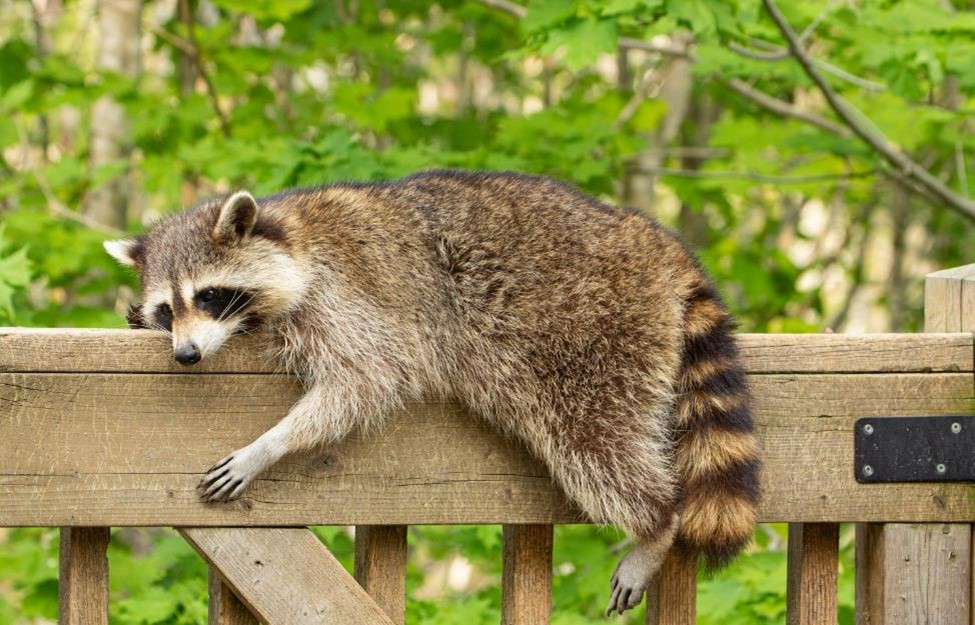
Even for those who successfully navigate the permitting process, the reality of owning a raccoon can be far more complex and demanding than often imagined. Raccoons, despite their often-cute appearance, are wild animals with inherent instincts and behaviors that are not suited for typical domestic life.
Health Risks and Zoonotic Diseases
As mentioned, raccoons are vectors for several diseases transmissible to humans and other pets. While proper veterinary care can mitigate some risks, the potential for exposure remains. Raccoon roundworm eggs, for example, can be incredibly resilient and pose a long-term risk in an environment where an infected raccoon has lived. Rabies, though preventable with proper vaccination protocols for domestic animals, is a constant concern with wild populations and any animal that could interact with them. Owners must be vigilant about hygiene and take precautions to protect themselves, their families, and any other pets.
Behavioral Complexities and Destructive Tendencies
Raccoons are not domesticated animals like dogs or cats. They retain their wild instincts, which include:
- Nocturnal Activity: Raccoons are primarily nocturnal, meaning they are most active at night. This can lead to significant disruption in a human household.
- Curiosity and Destructiveness: Their highly intelligent and inquisitive nature, combined with extremely dexterous paws, makes them incredibly destructive. They will open cabinets, dismantle household items, and can cause extensive damage if not properly contained and supervised.
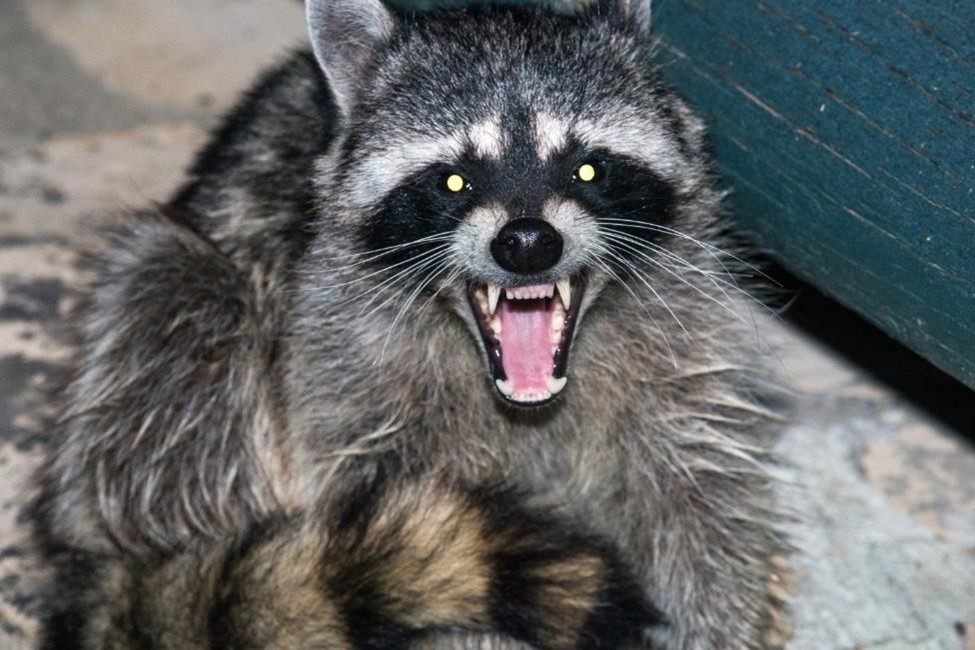
- Aggression: While they can be habituated to human presence, raccoons can become aggressive, especially if they feel threatened, are in pain, or are protecting resources. Their bites and scratches can be severe and carry a high risk of infection.
- Scent Marking: Raccoons mark their territory, which can involve unpleasant odors.
These behavioral traits make them unsuitable for most home environments and require an owner to dedicate significant time, resources, and patience to manage them appropriately.
Ethical Considerations and Welfare
Beyond the practical challenges, there are significant ethical considerations in keeping a wild animal as a pet. Even with the best intentions, it is incredibly difficult, if not impossible, to fully replicate a wild raccoon’s natural environment and social structure in captivity. Many experts argue that keeping raccoons as pets, even legally, can compromise their welfare, leading to stress, boredom, and behavioral abnormalities. Their complex needs often go unmet, regardless of the owner’s efforts. The ethical debate centers on whether the benefits of private ownership outweigh the potential for reduced quality of life for the animal.
What Happens if You Own a Raccoon Illegally?
Given the strict regulations, attempting to own a raccoon in Florida without the proper FWC permit carries serious consequences. The state takes illegal wildlife ownership very seriously, reflecting its commitment to public safety and wildlife conservation.
Penalties and Enforcement
Possession of Class II wildlife, including raccoons, without a valid permit is a violation of Florida state law. Penalties can vary depending on the specific circumstances and whether it’s a first offense or repeat violation, but they are typically significant:
- Fines: Individuals found guilty of illegal possession can face substantial monetary fines.
- Imprisonment: In more severe cases, or for repeated offenses, jail time is a possibility.
- Confiscation: The illegally owned animal will almost certainly be confiscated by FWC officers.
- Criminal Record: A conviction for illegal wildlife possession can result in a criminal record, which can have long-lasting personal and professional repercussions.
The FWC actively investigates reports of illegal wildlife ownership and is well-equipped to enforce these laws.
Animal Seizure and Rehabilitation
When an animal is seized due to illegal ownership, its fate can be uncertain. FWC works to place confiscated animals into appropriate care, often with licensed wildlife rehabilitators or facilities equipped to handle such species. However, an animal accustomed to human interaction, especially if it was a juvenile, may not be suitable for release into the wild. It might have lost its natural fear of humans and foraging skills, making it vulnerable. In some cases, if no suitable permanent home can be found, or if the animal is deemed a significant health risk, euthanasia may be considered as a last resort. This underscores the profound responsibility associated with wildlife ownership and the potential tragic outcomes of illegal possession.
Responsible Engagement with Florida’s Wildlife
For those fascinated by raccoons and Florida’s other wild creatures, the most responsible and rewarding path is often through observation and conservation, rather than direct ownership. This approach aligns with Florida’s commitment to preserving its unique natural beauty and diverse ecosystems for future generations.
Appreciating Wildlife from a Distance
Florida offers numerous opportunities to observe raccoons and other native wildlife in their natural habitats. Visiting state parks, national wildlife refuges, or even simply being observant in urban and suburban areas can provide incredible glimpses into the lives of these fascinating animals. From the Everglades to the Panhandle, diverse environments teem with life, offering a chance to witness wildlife behaving naturally without the ethical or practical complexities of ownership. Remember to always maintain a respectful distance, never feed wild animals, and avoid disturbing their natural behaviors.
Supporting Wildlife Conservation Efforts
A powerful way to express admiration for raccoons and other wildlife is to support organizations dedicated to their conservation and welfare. Many reputable wildlife rehabilitation centers, conservation groups, and educational initiatives work tirelessly to protect Florida’s native species, rescue injured animals, and educate the public. Volunteering, donating, or simply learning more about these efforts can make a tangible difference in ensuring a healthy future for Florida’s wild inhabitants.
In conclusion, while the idea of owning a raccoon in Florida might appeal to some, the reality is that it is a highly regulated and immensely challenging endeavor. The FWC considers raccoons as Class II wildlife, requiring a stringent permitting process, extensive experience, and specialized facilities. The complexities of their care, potential health risks, destructive behaviors, and the significant ethical considerations make them unsuitable for most private individuals. Florida’s laws are designed to protect both public safety and the state’s precious natural resources. For those who appreciate these clever creatures, observing them respectfully in the wild and supporting conservation efforts remain the most responsible and fulfilling ways to engage with them.
LifeOutOfTheBox is a participant in the Amazon Services LLC Associates Program, an affiliate advertising program designed to provide a means for sites to earn advertising fees by advertising and linking to Amazon.com. Amazon, the Amazon logo, AmazonSupply, and the AmazonSupply logo are trademarks of Amazon.com, Inc. or its affiliates. As an Amazon Associate we earn affiliate commissions from qualifying purchases.