
The image of pristine white snow blanketing palm trees and sandy beaches is a captivating, if highly improbable, one for many. When the colder months arrive, a common question echoes among those dreaming of an escape to warmer climes: “Is it snowing in Florida right now?” For most of the Sunshine State, the definitive answer is almost always a resounding no. Florida, celebrated for its balmy weather, endless sunshine, and vibrant coastal culture, remains a beacon of warmth even as much of the northern hemisphere succumbs to winter’s chill. While a dusting of snow is an extremely rare and fleeting phenomenon in certain northern parts of the state, it is certainly not a typical occurrence nor something travelers should expect.
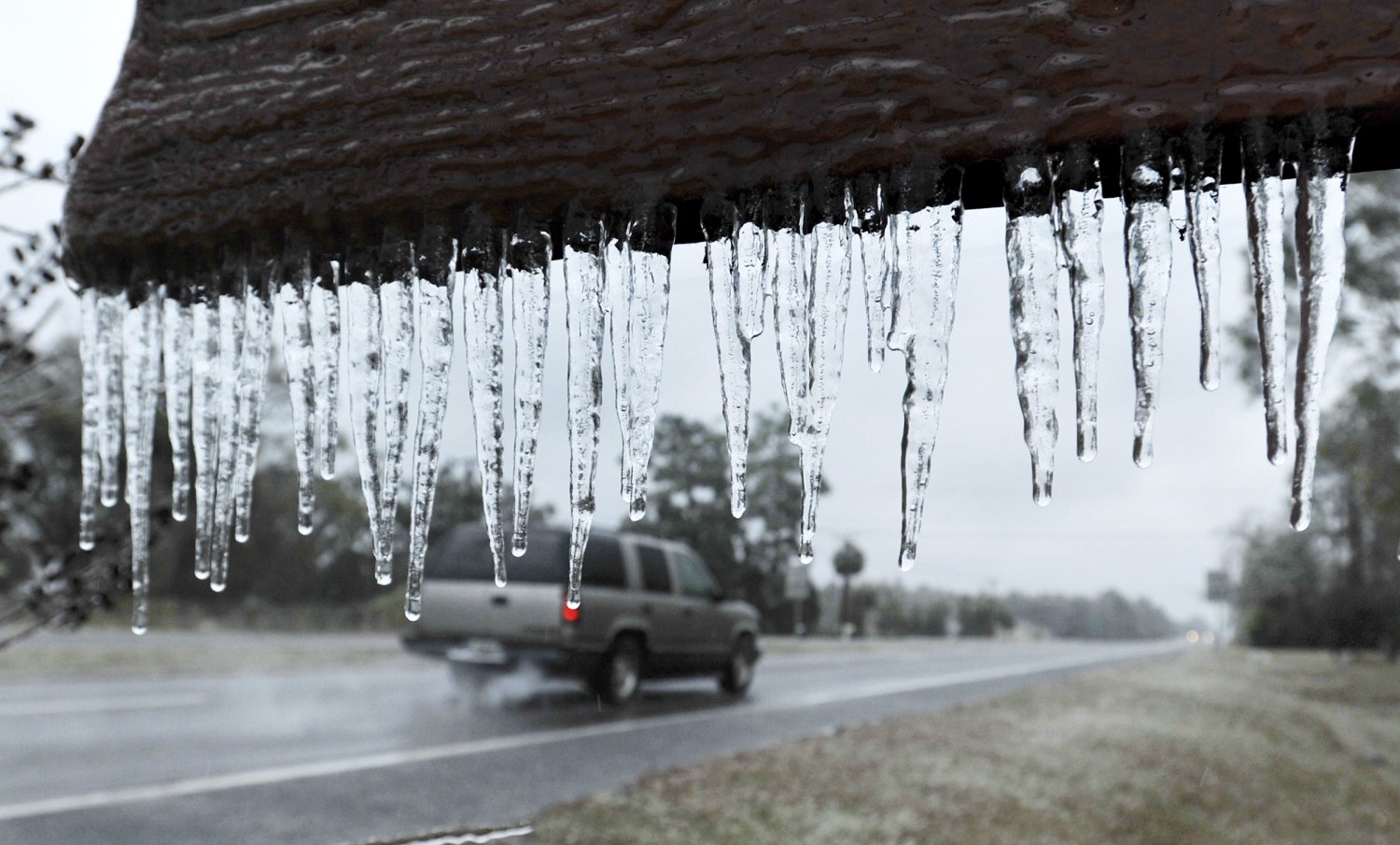
This article delves into the realities of Florida’s winter climate, dispelling myths and highlighting what visitors can truly anticipate during the cooler months. We’ll explore the rare instances of snowfall, the typical weather patterns that define a Florida winter, and, most importantly, the myriad of unique travel experiences and attractions that flourish in this mild season. Far from a winter wonderland, Florida transforms into an idyllic destination for those seeking warmth, outdoor adventure, and vibrant cultural festivities without the need for a heavy coat or snow boots.
The Rarity of Snow in the Sunshine State
Florida’s geographical position and unique meteorological influences make snowfall an extraordinary event, capturing headlines and local fascination whenever it occurs. Understanding the state’s climate profile helps to contextualize just how uncommon such an event truly is.
A Glimpse into Florida’s Climate Profile
Positioned largely as a peninsula between the Atlantic Ocean to the east and the Gulf of Mexico to the west, Florida’s climate is predominantly humid subtropical in its northern and central regions, transitioning to tropical in its southern reaches, including areas like Miami and Key West. This means consistently warm temperatures, high humidity, and distinct wet and dry seasons. The prevailing weather patterns are heavily influenced by these vast bodies of water, which act as natural insulators, moderating temperatures and preventing extreme cold.
For snow to fall, a specific and rare confluence of conditions must occur: temperatures at and above the surface must remain at or below freezing (32°F or 0°C), and there must be sufficient moisture in the atmosphere. While North Florida can occasionally experience freezing temperatures, particularly during strong cold fronts descending from the arctic, the necessary moisture is often lacking, or the cold air mass moves through too quickly for significant precipitation to develop.
Historic Snowfall Events: A Brief Look Back
While not a regular occurrence, snow has indeed been recorded in Florida’s history, turning ordinary days into memorable local events. The earliest recorded snowfall in Florida dates back to 1774 in what is now Jacksonville. More recently, a significant event occurred in January 1977, when snow fell as far south as Miami Beach, marking the only time snow has reached South Florida in recorded history. This rare phenomenon covered areas like Fort Lauderdale and Palm Beach, causing widespread astonishment and delight.
Another notable event was in December 1989, when a “white Christmas” was observed in several northern Florida cities, including Jacksonville and Tallahassee, with some areas receiving several inches. In January 2018, parts of the Florida Panhandle and North Florida saw accumulation, delighting residents and briefly disrupting services. These instances, though memorable, are isolated and generally confined to the northernmost counties, underscoring their exceptional nature rather than establishing any pattern.
Factors Influencing Snow Potential
The primary factor preventing widespread snow in Florida is the lack of sustained cold air masses combined with adequate moisture. Arctic fronts can push cold air down to the state, but as they travel south, they often lose their intensity. Moreover, the warm waters of the Gulf of Mexico and the Atlantic Ocean tend to warm the air above them, reducing the likelihood of surface temperatures remaining at or below freezing for long enough to allow snow to form and reach the ground. While graupel (soft hail or snow pellets) and sleet are marginally more common in North Florida during severe cold snaps, they are distinct from true snowfall and still relatively rare.
Florida’s Winter Weather: What Travelers Really Experience
For most of the state, winter in Florida is less about escaping snow and more about enjoying pleasantly mild temperatures, lower humidity, and abundant sunshine. This season, typically from December through February, is often considered the peak tourist season for good reason.
Typical Temperatures Across the State
Temperatures vary significantly from North Florida to South Florida. In the northern cities like Tallahassee and Jacksonville, daytime highs during winter generally range from the low 60s to low 70s Fahrenheit (16-22°C), with nighttime lows potentially dipping into the 40s (4-9°C) or even occasionally freezing. This makes for crisp mornings and comfortable afternoons, perfect for exploring.
Moving south to Central Florida, home to Orlando and Tampa, winter days typically hover in the mid-60s to mid-70s (18-24°C), with cooler evenings in the 50s (10-15°C). While a light jacket might be needed in the evenings, days are often warm enough for outdoor activities and theme park visits.
The southernmost parts of the state, including Miami, Fort Lauderdale, and Key West, enjoy truly tropical winters. Daytime temperatures consistently remain in the 70s and 80s (21-27°C), with nighttime lows rarely dropping below the 60s (16-21°C). Here, beach days are common even in January, offering a true escape from winter.
Winter Activities That Thrive Without Snow
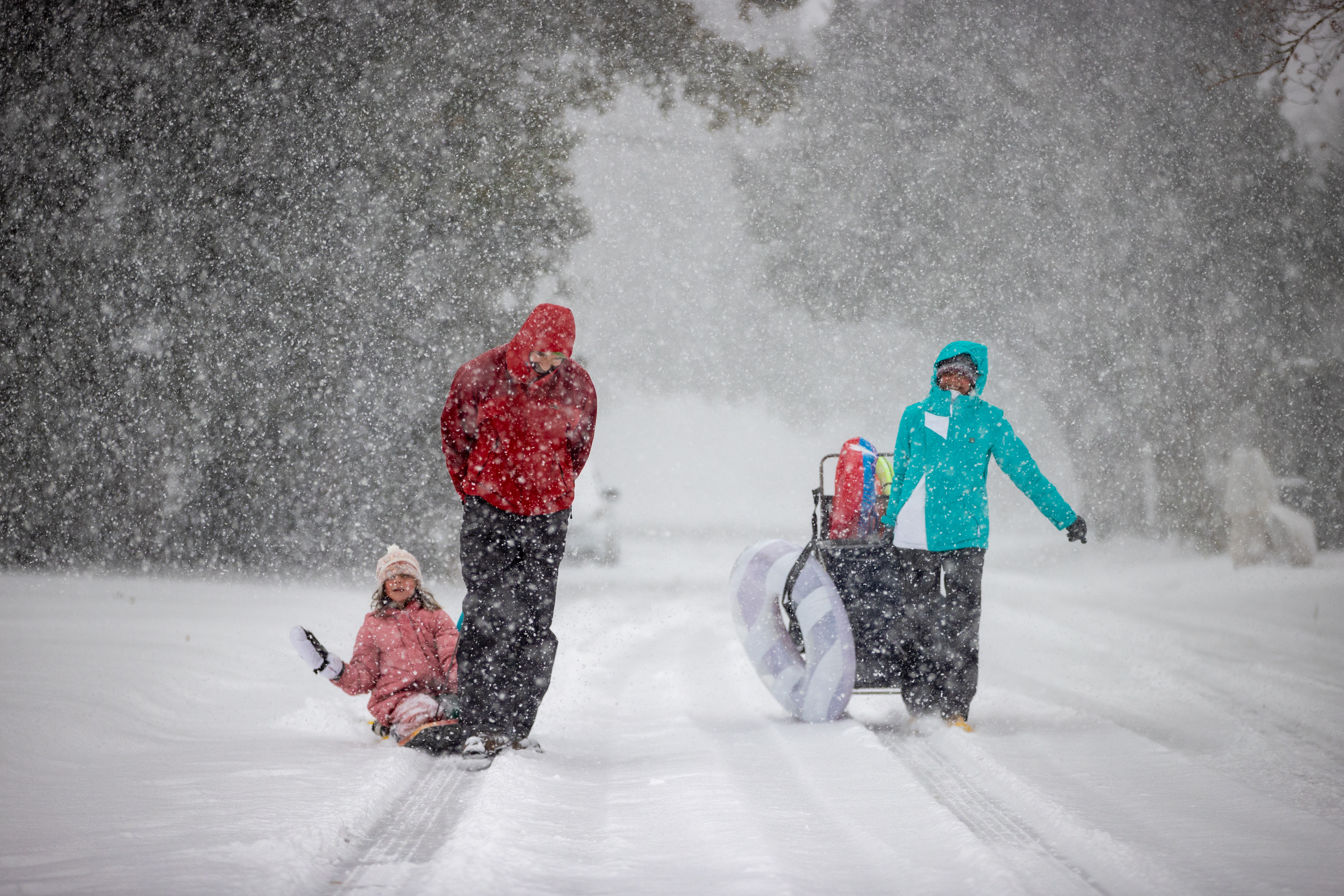
The absence of snow means Florida’s traditional outdoor activities flourish during the winter months. Golf courses are in peak condition, drawing enthusiasts from around the globe. Beaches, from Clearwater Beach to South Beach, remain popular for sunbathing, swimming (especially in South Florida’s warmer waters), and water sports. The cooler, drier air makes exploring natural parks and wildlife refuges, such as Everglades National Park, particularly enjoyable for hiking, biking, and wildlife viewing. Winter is also prime time for spotting manatees congregating in warmer waters, a unique Florida experience.
Packing Essentials for a Florida Winter
Given the varied temperatures across the state and the potential for cooler evenings, smart packing is key for a Florida winter getaway. Layers are your best friend. For North and Central Florida, bring light jackets, sweaters, or cardigans for evenings and cooler days, alongside your usual light clothing for warmer afternoons. Jeans, long-sleeved shirts, and comfortable walking shoes are essential.
For South Florida, lighter layers might suffice, but a light shawl or sweater for air-conditioned indoors or a breezy evening is still advisable. Don’t forget your swimwear, sunscreen, and sunglasses – regardless of the month, the Florida sun is powerful!
Unique Winter Experiences in the Sunshine State
While snow isn’t on the agenda, Florida’s winter offers a distinct set of experiences that make it an exceptional travel destination during this time of year.
Theme Park Thrills in Cooler Weather
The world-renowned theme parks of Orlando, including Walt Disney World Resort and Universal Orlando Resort, are arguably at their best during the winter months. The cooler temperatures make for far more comfortable walking and queuing, a welcome reprieve from the intense summer heat and humidity. Many parks also host festive holiday events and decorations throughout November and December, creating a magical atmosphere. While crowds can still be significant around holidays, the overall experience is often enhanced by the agreeable weather.
Wildlife Encounters and Nature Trails
Winter is a prime season for appreciating Florida’s incredible natural beauty and diverse wildlife. As the weather cools, manatees seek refuge in warmer springs and coastal waters, making them easier to spot at places like Crystal River or Homosassa Springs Wildlife State Park. Migratory birds flock to the state’s wetlands and coasts, providing fantastic birdwatching opportunities in protected areas. The drier conditions also mean fewer mosquitoes, making hiking and kayaking through the Everglades National Park or along various state park trails more enjoyable. From airboat tours to scenic drives, the natural side of Florida truly shines in winter.
Coastal Charms and Holiday Events
Florida’s coastal cities come alive with unique charms during winter. Historic St. Augustine, with its Nights of Lights festival, transforms into a dazzling display of millions of twinkling lights, offering a truly enchanting experience. Miami buzzes with international art fairs like Art Basel, fashion events, and a vibrant nightlife that spills onto the cooler outdoor patios. Key West offers its quirky holiday parades and enduring warmth, perfect for those who want to forget winter entirely. Many communities host outdoor festivals, farmers’ markets, and cultural events that benefit from the temperate climate, showcasing local culture, food, and arts against a pleasant backdrop.
Planning Your Florida Getaway: Best Times to Visit
Understanding Florida’s seasonal nuances is key to planning the perfect trip, aligning your expectations with the state’s natural rhythm.
Avoiding the Crowds and Heat
For many, the ideal time to visit Florida is during the shoulder seasons (late spring and early fall) or the early parts of winter, particularly November and early December. These periods offer a sweet spot of pleasant weather before the peak winter crowds arrive for the holidays and spring break. January and February, while popular, can see fewer crowds than the absolute peak holiday weeks, especially mid-week. If you’re looking to maximize warmth and minimize crowds, aiming for late spring before the intense summer heat sets in might be a good strategy, though you’ll miss the truly dry winter air.
Seasonal Events and Festivals
Florida’s calendar is packed with events year-round, but winter and early spring are particularly rich. From the South Beach Wine & Food Festival in Miami to the Florida Strawberry Festival in Plant City, and numerous art shows and music festivals, there’s always something happening. Theme parks also host seasonal events, from Halloween and Christmas celebrations to flower and garden festivals in spring, providing unique reasons to visit during specific times. Checking local tourism boards for event schedules is highly recommended.

Considering Hurricane Season
While winter is undoubtedly a desirable time to visit, it’s also worth noting the other end of the calendar. Florida’s hurricane season officially runs from June 1st to November 30th. While winter visitors need not worry about hurricanes, those planning trips in late fall should be aware. By December, the risk significantly diminishes, making winter a reliably stable weather period.
In conclusion, while the question “Is it snowing in Florida right now?” often sparks a chuckle among locals, it highlights a common misconception about the Sunshine State’s winter. Instead of frost and flakes, travelers to Florida are greeted with glorious sunshine, comfortable temperatures, and an abundance of unique experiences. From world-class attractions and vibrant coastal cities to serene natural landscapes and captivating wildlife, Florida in winter offers an ideal escape for those seeking warmth, adventure, and relaxation. So pack your swimsuit, a light jacket, and an adventurous spirit, and prepare to discover the true magic of a Florida winter.
LifeOutOfTheBox is a participant in the Amazon Services LLC Associates Program, an affiliate advertising program designed to provide a means for sites to earn advertising fees by advertising and linking to Amazon.com. Amazon, the Amazon logo, AmazonSupply, and the AmazonSupply logo are trademarks of Amazon.com, Inc. or its affiliates. As an Amazon Associate we earn affiliate commissions from qualifying purchases.