
Traveling to new destinations often involves meticulous planning, from choosing the perfect itinerary to securing the best accommodations. However, for regions like Florida, especially along its picturesque Gulf Coast, an additional layer of planning involves understanding the potential for natural events, particularly hurricanes. The question, “Is Naples, Florida in the evacuation zone?” is a critical inquiry for any traveler considering a visit, reflecting a responsible approach to travel safety and preparedness.
The short answer is: portions of Naples, Florida are indeed located within designated hurricane evacuation zones. Like many coastal cities in the Sunshine State, Naples is susceptible to the impacts of tropical storms and hurricanes, which necessitates a robust system of preparedness and, when necessary, evacuation. Understanding these zones, how they are determined, and what they mean for travelers is paramount to ensuring a safe and enjoyable trip to this beautiful part of Southwest Florida. This comprehensive guide delves into the specifics of evacuation zones in Naples and equips travelers with the knowledge needed to navigate their visit responsibly.

Understanding Evacuation Zones in Coastal Florida
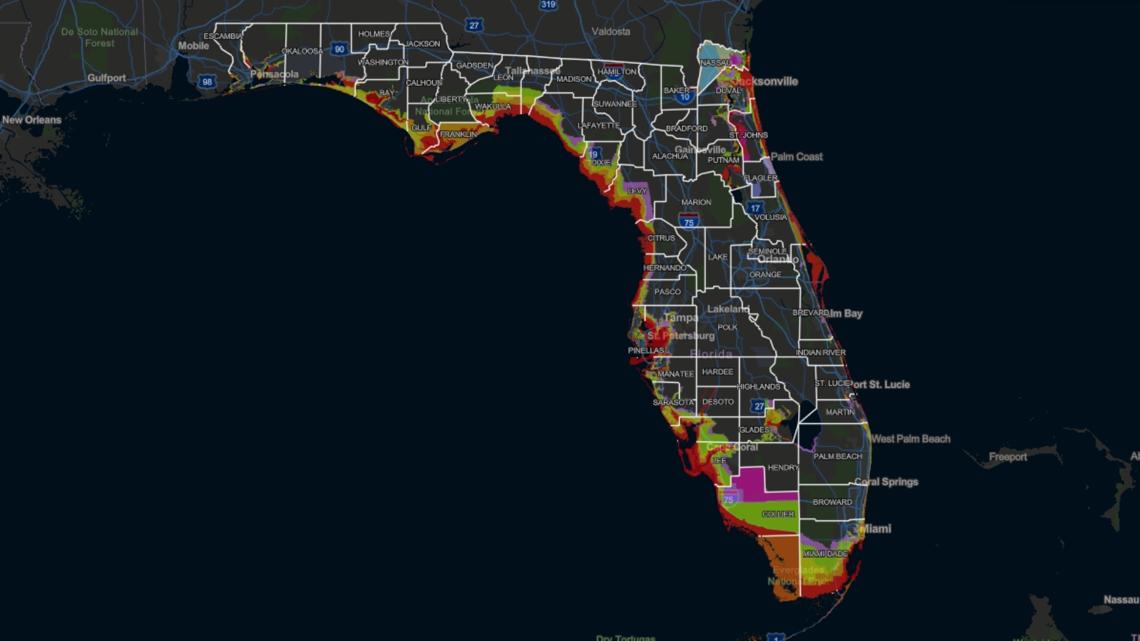
Evacuation zones are a cornerstone of hurricane preparedness along the entire Florida coastline. These zones are not arbitrarily drawn lines on a map; they are the result of extensive scientific modeling and risk assessment designed to protect lives from the most dangerous aspects of a hurricane: storm surge, high winds, and flooding. For travelers, comprehending the nature and purpose of these zones is the first step toward informed decision-making.
What Constitutes an Evacuation Zone?
An evacuation zone delineates areas that are most vulnerable to storm surge, the abnormal rise of water generated by a storm, over and above the predicted astronomical tide. This surge is often the greatest threat to life and property from a hurricane, making these zones critical for public safety. Zones are typically categorized alphabetically (e.g., Zone A, Zone B, Zone C), with Zone A representing the lowest-lying coastal areas most susceptible to even minor storm surge, and subsequent zones indicating areas at risk from progressively stronger storms and higher storm surge levels. Beyond storm surge, zones might also account for areas prone to freshwater flooding from heavy rainfall, especially near rivers or low-lying communities.
These zones are dynamic, refined over time with improved meteorological data, topographic mapping, and hydrological studies. Local emergency management agencies are responsible for defining and updating these zones, ensuring they accurately reflect the most current understanding of risk.
The Purpose of Evacuation Orders
The primary purpose of an evacuation order is to move people out of harm’s way before a hurricane makes landfall. When an evacuation order is issued for a particular zone, it means that authorities believe it is no longer safe for individuals to remain in those areas. This is not a suggestion but a critical directive aimed at preventing fatalities and injuries. For travelers, an evacuation order impacts not only their personal safety but also their travel plans, requiring immediate action to relocate to a safer area, often inland or to a designated shelter. Compliance with these orders is not only a matter of personal safety but also vital for the efficiency of emergency services, allowing them to focus on post-storm recovery rather than rescues.
How Zones Are Determined
Evacuation zones are determined using complex storm surge models that simulate the potential impact of hurricanes of varying intensities and tracks. Factors considered include:
- Topography: The elevation and slope of the land play a significant role in how far inland storm surge can penetrate.
- Bathymetry: The depth of water in coastal areas and offshore contributes to the height and force of storm surge.
- Coastal Features: Barrier islands, estuaries, and inlets can alter the dynamics of storm surge.
- Historical Data: Past hurricane events and their impacts inform current modeling efforts.
Local emergency management, often in partnership with state and federal agencies like the Federal Emergency Management Agency (FEMA), utilizes this data to create detailed maps and communication strategies for each zone. These zones are then widely publicized through various channels to ensure residents and visitors are aware of their potential risk.
Naples, Florida’s Specific Evacuation Landscape
Naples, situated in Collier County on Florida’s Gulf Coast, encompasses a diverse geography, from pristine beaches and coastal communities to more inland residential and commercial areas. This varied landscape means that while some parts are highly vulnerable, others offer greater natural protection.
Coastal vs. Inland Areas in Collier County
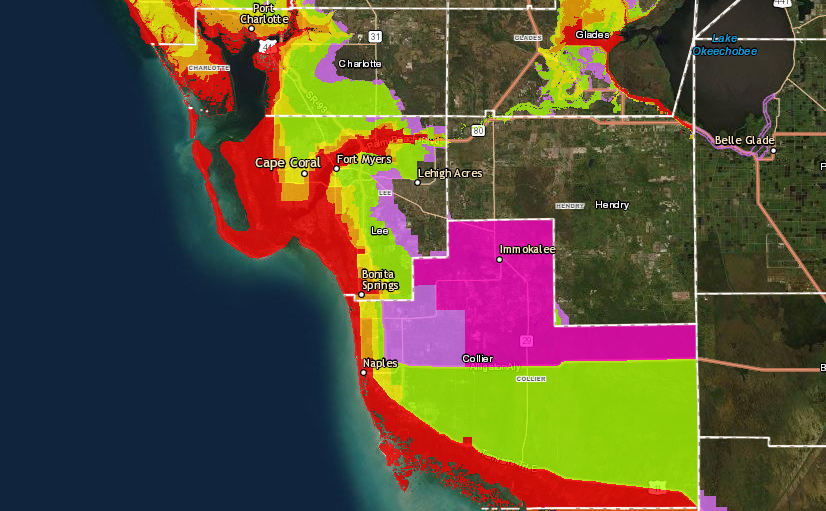
Naples’ most immediate evacuation zones are typically found along its direct coastline, including beachfront properties, barrier islands, and areas bordering bays, estuaries, and rivers that are directly connected to the Gulf of Mexico. These include popular tourist areas and residential communities built close to the water. As one moves further inland, the risk of storm surge generally decreases, and these areas often fall into higher-numbered or lettered zones, or outside of primary storm surge evacuation zones altogether. However, even inland areas can be subject to evacuation orders due to freshwater flooding from heavy rainfall or risks associated with sustained high winds. It’s crucial for travelers to understand that “inland” does not automatically mean “safe from all impacts,” especially with a powerful hurricane.
The City of Naples itself, being a coastal municipality, has significant portions designated within various evacuation zones. Visitors staying in beachfront hotels, rental properties near the bay, or on islands like Keewaydin Island would be among the first to be directed to evacuate.
Identifying Your Zone in Naples
For travelers, identifying the specific evacuation zone for their accommodation or planned activities in Naples is a critical proactive step. This information is readily available through official channels. The Collier County Emergency Management website is the definitive source for current evacuation zone maps. Many hotels and rental property managers are also well-versed in this information and can provide guidance. Prior to your trip, it is advisable to locate your lodging on the official Collier County evacuation map. This way, if a storm threatens, you already know your zone and the potential actions required.
Key Resources for Naples Residents and Visitors
Staying informed is your best defense. The following resources are essential for anyone traveling to or residing in Naples during hurricane season:
- Collier County Emergency Management Website: This is the authoritative source for evacuation zone maps, emergency preparedness guides, and real-time updates during a storm threat.
- Local News Outlets: Naples local news channels (TV, radio, online) provide timely and localized information.
- Florida Division of Emergency Management: Offers statewide resources and guidance.
- National Hurricane Center (NHC): Provides forecasts, advisories, and tracking for all tropical systems in the Atlantic basin.
- Weather Apps and Alerts: Many smartphone apps offer push notifications for weather alerts, including hurricane watches and warnings.
Subscribing to emergency alerts provided by Collier County is also a wise move for visitors, as these can provide direct, timely notifications to your mobile device.
Hurricane Preparedness for Travelers to Florida
Visiting Florida during the Atlantic hurricane season requires a proactive mindset. While the vast majority of visits will be uninterrupted, having a plan in place provides peace of mind and ensures safety should a storm approach.
The Atlantic Hurricane Season Explained
The Atlantic hurricane season officially runs from June 1st to November 30th each year, with the peak activity typically occurring from mid-August through October. While hurricanes can form outside this window, this six-month period is when conditions are most favorable for tropical cyclone development. Travelers planning visits to Naples during these months should be especially vigilant. This doesn’t mean you should avoid travel entirely, but rather integrate hurricane preparedness into your trip planning. Monitoring long-range forecasts, particularly a week or two before your departure, can help inform your decisions.
Travel Insurance and Cancellation Policies
One of the most crucial elements of hurricane preparedness for travelers is securing comprehensive travel insurance. A good policy should cover:
- Trip Cancellation/Interruption: If your trip is canceled or cut short due to a mandatory evacuation or severe weather at your destination.
- Travel Delay: Coverage for expenses incurred due to flight delays caused by weather.
- Emergency Medical: For any health issues arising during your trip, including those exacerbated by emergency situations.
- Baggage Loss/Delay: In case your belongings are lost or delayed during an evacuation.
Always read the fine print of any insurance policy to understand what is covered regarding named storms, pre-existing conditions, and deadlines for purchasing coverage relative to storm formation. Additionally, familiarize yourself with your airline, hotel, and tour operator’s cancellation and rebooking policies in the event of a hurricane. Many offer waivers or flexible changes during declared emergencies.
Essential Items for a Travel Emergency Kit
Even for short trips, assembling a small emergency kit for your travel party can be invaluable. This doesn’t mean packing for a wilderness expedition, but rather having essentials easily accessible:
- Important Documents: Copies of passports, IDs, insurance policies, flight/hotel confirmations, and emergency contacts. Keep these in a waterproof bag.
- Medications: A sufficient supply of any prescription medications, along with over-the-counter pain relievers and first-aid items.
- Cash: ATMs may not be functional during power outages.
- Chargers and Power Bank: To keep your communication devices powered.
- Snacks and Water: Non-perishable snacks and a reusable water bottle.
- Basic Toiletries: Hand sanitizer, wipes, etc.
- Flashlight: With extra batteries.
- Comfort Items: A small blanket or pillow if you end up in a shelter or stranded.
Having these items packed in a readily grab-and-go bag can make a significant difference if an unexpected evacuation becomes necessary.
Navigating an Evacuation Order While Traveling
Should a hurricane threat escalate and an evacuation order be issued for your zone in Naples, knowing how to respond efficiently and safely is paramount. This process requires calm, quick action, and adherence to official guidance.
Monitoring Official Announcements
Once a storm poses a potential threat, continuously monitor official sources for updates. Do not rely solely on social media or unofficial channels. Collier County Emergency Management, the National Hurricane Center, and local news stations are your primary sources. Pay close attention to:
- Storm Track and Intensity: How strong is the storm, and where is it projected to go?
- Watches and Warnings: A hurricane watch means conditions are possible within 48 hours; a hurricane warning means conditions are expected within 36 hours.
- Evacuation Orders: Specific details on which zones are ordered to evacuate and when.
Heed evacuation orders promptly. Do not wait until the last minute, as roads can become congested, and services may shut down.
Transportation and Route Planning
If an evacuation order is issued, you will need to leave your current location. Have a plan for transportation:
- Personal Vehicle: Ensure your car is fueled. Have a map (physical or downloaded offline) of evacuation routes, as GPS services might be overwhelmed or inaccurate with changing road conditions.
- Public Transportation: Be aware that public transportation options may cease operations early or shift to evacuation support. In Collier County, transit services may be suspended.
- Ride-Sharing/Taxis: Availability will be extremely limited during an evacuation.
Evacuation routes are typically designated inland to move people away from coastal hazards. Follow these routes, even if they seem longer, as they are designed to handle high volumes of traffic and lead to safer areas. Avoid flooded roads or areas with downed power lines.
Accommodation During an Evacuation
Once evacuated, you will need safe accommodation. Consider these options:
- Designated Shelters: Collier County will open public shelters when an evacuation order is issued. Information on shelter locations will be provided by Collier County Emergency Management.
- Friends/Family Inland: If you have contacts further inland, this can be a comfortable option.
- Hotels Outside the Evacuation Zone: Book accommodations as far in advance as possible once an evacuation is imminent, as rooms fill up quickly. Look for hotels in cities well outside the potential storm’s path.
Remember to take your emergency kit, essential documents, and any valuables with you. Inform your family or friends of your evacuation plans and location.
Responsible Travel in Hurricane-Prone Regions
While the prospect of a hurricane can be daunting, responsible travel includes understanding risks and contributing positively to destinations. Naples, like many Florida cities, is resilient and beautiful, and visitors play a vital role in its continued prosperity.
Supporting Local Recovery Efforts
In the rare event that a storm impacts your travel plans or the region you intended to visit, consider how you might support recovery efforts. This could involve:
- Donating to Reputable Charities: Organizations like the American Red Cross or local community foundations are crucial after a storm.
- Rescheduling Your Trip: If safe to do so, rescheduling your visit rather than canceling outright helps local businesses recoup lost revenue.
- Supporting Local Businesses: When you do return, consciously support local restaurants, shops, and attractions. Tourism is a huge economic driver for Naples, and a quick recovery depends on it.
Making Informed Travel Decisions
Ultimately, whether to travel to a hurricane-prone region during hurricane season is a personal decision based on your comfort level with risk and your preparedness to adapt. By understanding the concept of evacuation zones, familiarizing yourself with Naples’ specific landscape, and having a personal preparedness plan, you empower yourself to make informed decisions.
Consider travel outside of peak hurricane season (December to May) if you prefer to minimize weather-related risks. However, if you choose to visit during the summer or fall, embrace the preparedness mindset as a necessary part of your journey.
The Resilience of Florida’s Gulf Coast Destinations
Despite the challenges posed by tropical storms, Florida’s Gulf Coast, including Naples, demonstrates remarkable resilience. Communities here have robust emergency management systems, dedicated residents, and a spirit of recovery that quickly restores their charm and allure after a storm. The beauty of Naples—its stunning beaches, vibrant culture, and natural attractions—endures, making it a beloved destination year after year. By being a prepared and responsible traveler, you can safely enjoy all that this exquisite part of Florida has to offer, even during its most challenging seasons.
LifeOutOfTheBox is a participant in the Amazon Services LLC Associates Program, an affiliate advertising program designed to provide a means for sites to earn advertising fees by advertising and linking to Amazon.com. Amazon, the Amazon logo, AmazonSupply, and the AmazonSupply logo are trademarks of Amazon.com, Inc. or its affiliates. As an Amazon Associate we earn affiliate commissions from qualifying purchases.