
For anyone with travel plans to Florida, the question of an impending hurricane is naturally a source of significant concern. The Sunshine State, renowned for its pristine beaches, vibrant cities, and world-class attractions, also lies within an active hurricane belt. When a storm system threatens, understanding the immediate forecast and its potential ramifications is paramount for ensuring safety and making informed travel decisions. This article will delve into what travelers need to know when faced with the possibility of a hurricane affecting their journey to or within Florida.
Understanding the Immediate Forecast: What Travelers Need to Know
When meteorologists speak of a hurricane, they refer to a powerful tropical cyclone characterized by intense winds and heavy rainfall. The “tomorrow” aspect in the question highlights the critical need for real-time, up-to-the-minute information, as weather systems can change rapidly. For travelers, this means staying vigilant and knowing where to access reliable data.

Real-time Weather Resources for Florida Travel
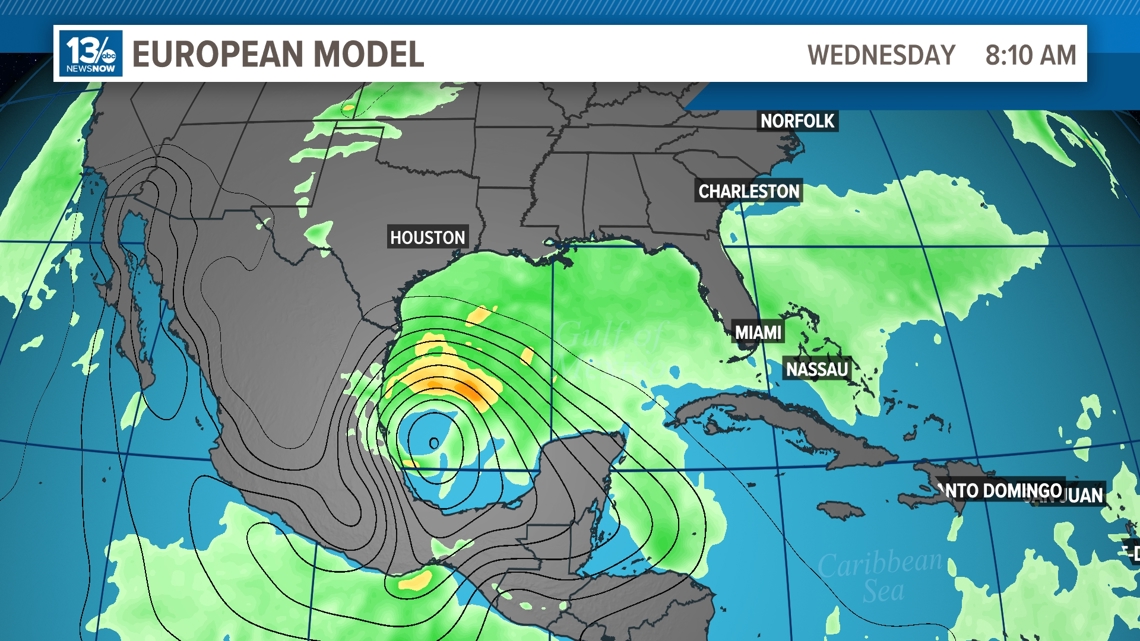
The first step in assessing the threat of a hurricane is to consult official, authoritative weather sources. The National Hurricane Center (NHC), part of the National Oceanic and Atmospheric Administration (NOAA) in the United States, is the primary source for hurricane forecasts and advisories for the Atlantic basin. Their website offers detailed cone-of-uncertainty maps, discussion analyses, and projected paths, providing a comprehensive picture of a storm’s potential trajectory and intensity. Local news channels and emergency management websites for specific [Florida] cities and counties, such as Miami-Dade County or Orange County (home to Orlando), also provide localized updates, evacuation orders, and shelter information that are crucial for visitors. Additionally, reputable weather apps with push notifications can keep travelers updated on the go. Subscribing to alerts from organizations like the Florida Division of Emergency Management can also provide timely, official communications. It’s essential to differentiate between official advisories and speculative social media posts, prioritizing verified information to avoid misinformation and unnecessary panic.
Decoding Advisory Levels: Watches vs. Warnings
Understanding the difference between a “hurricane watch” and a “hurricane warning” is critical for travelers. A Hurricane Watch indicates that hurricane conditions (sustained winds of 74 mph or higher) are possible within the specified area, typically within 48 hours. This is the time for travelers to finalize their preparedness plans, secure accommodations, and potentially alter travel schedules. It signals a heightened state of readiness. A Hurricane Warning, on the other hand, means hurricane conditions are expected in the specified area, usually within 36 hours. This is a much more urgent alert, signifying that protective measures should be rushed to completion. For travelers, a warning often implies that evacuation orders may be issued, flights could be cancelled, and all non-essential travel should cease. Recognizing these distinctions empowers travelers to make timely and appropriate decisions regarding their safety and itinerary.
Impact on Travel Plans: Flights, Roads, and Cruises
The direct impact of a hurricane on travel infrastructure is immediate and widespread. From air travel to ground transportation and maritime routes, every facet of a journey to or from Florida can be severely disrupted.
Airline Policies and Rebooking Options
Airlines are among the first to react to an impending hurricane threat. As a storm approaches, airports in the projected path, such as Miami International Airport, Orlando International Airport, or Tampa International Airport, may announce widespread cancellations or even closures. Many airlines offer travel waivers during hurricane season, allowing passengers to change their flight dates or destinations without penalty if their itinerary is affected by a named storm. Travelers should proactively check their airline’s website or app for specific advisories, rebooking options, and flight status updates. Contacting customer service well in advance of the storm’s arrival is advisable, as call volumes can become overwhelming. Be prepared for potential delays even after the storm passes, as airports need time to assess damage, clear runways, and resume normal operations.
Road Closures and Evacuation Routes
For those traveling by car, or for Florida residents planning to evacuate, road conditions become a critical factor. State and local authorities will designate specific evacuation routes and may implement contraflow (reversing traffic flow on all lanes of a highway) to expedite departures from coastal areas. Interstates like I-75, I-95, and I-4 are primary arteries and can become extremely congested during an evacuation. It’s essential to monitor local news, use navigation apps that incorporate real-time traffic data, and heed official warnings regarding road closures due to flooding, downed trees, or storm damage. Fuel availability can also become an issue, so keeping your gas tank full is a wise precaution. Travelers should never attempt to drive through flooded roadways, as the depth and current can be deceptively dangerous.
Cruise Line Adjustments and Port Status
[Florida]’s ports, including those in Miami, Fort Lauderdale, and Port Canaveral, are major hubs for the cruise industry. A hurricane can significantly impact cruise itineraries, leading to reroutes, delayed departures, or even cancellations. Cruise lines prioritize passenger safety and will adjust their schedules to avoid dangerous weather. Passengers booked on cruises departing from or returning to Florida ports during a hurricane threat should regularly check their cruise line’s official website, email, or social media for updates. Communication from the cruise line is usually prompt and detailed, outlining any changes to ports of call, embarkation/disembarkation times, or refund/credit policies for cancelled sailings. Flexibility is key, as itineraries might change even after a cruise has begun.Preparing for Potential Disruptions: Before You Go or While You’re There
Preparation is the cornerstone of safe travel during hurricane season. Whether you’re planning a trip to Florida or are already there when a storm looms, certain steps can significantly mitigate risks and minimize inconvenience.
Essential Emergency Kit for Travelers
While a full-scale emergency kit might seem more relevant for residents, travelers should still prepare a scaled-down version. This kit should include essential medications (with at least a week’s supply), important documents (IDs, passports, insurance cards, booking confirmations) stored in waterproof bags, a first-aid kit, a flashlight with extra batteries, a portable phone charger or power bank, and enough cash for a few days, as credit card systems may go down. Non-perishable snacks and bottled water are also advisable. Pack clothing suitable for various conditions and any specific items needed for children or pets. The goal is to be self-sufficient for at least 72 hours, especially if shelter-in-place is necessary or services are temporarily unavailable.
Communication Strategies and Important Contacts
Before and during a potential hurricane, establishing a communication plan is vital. Inform family and friends of your travel itinerary and how you can be reached. Keep a list of important phone numbers, including your airline, hotel, travel insurance provider, emergency services, and the local embassy or consulate if you are an international traveler. Remember that cell service can be intermittent during and after a storm, so consider text messages as they often get through when calls cannot. If you are staying in a hotel or resort, inquire about their emergency communication plan and designated safe areas. Having a battery-operated or hand-crank radio can provide access to local emergency broadcasts if power and internet are disrupted.
Travel Insurance: A Crucial Consideration
For travel during hurricane season (typically June 1st to November 30th), comprehensive travel insurance is not just a recommendation but often a necessity. Policies can cover trip cancellations, interruptions, medical emergencies, and evacuation costs due to a named storm. However, it’s crucial to purchase insurance before a storm is named or becomes a foreseeable event, as most policies have exclusions for pre-existing conditions (in this case, a named storm). Carefully read the policy details to understand what is covered, especially concerning natural disasters, and the specific conditions for claims. Document all communication with airlines, hotels, and tour operators regarding cancellations or changes, as this will be necessary for filing a claim.
Navigating Destinations During Hurricane Season: Florida’s Unique Challenges
[Florida]’s diverse geography means that the impact of a hurricane can vary significantly from one region to another. Understanding these nuances helps travelers make more informed choices.Coastal Areas vs. Inland Florida Destinations
Coastal areas, from the Florida Panhandle to South Florida and the Florida Keys, are most vulnerable to direct hurricane impacts, including storm surge, high winds, and coastal erosion. Destinations like Key West, Naples, or Jacksonville are often the first to issue evacuation orders. Inland destinations, such as Orlando in Central Florida, while still susceptible to heavy rains, flooding, and strong winds, generally face a lower risk from storm surge. However, they can experience power outages and disruptions to services. Travelers should assess the specific risks associated with their chosen destination and consider if an inland alternative might offer more safety and stability during a threatening weather event. For example, if coastal [Miami] is under a watch, a trip to [Orlando]’s theme parks might still be feasible, albeit with potential rain and wind.
Resort and Attraction Preparedness
Major attractions and resorts in Florida have well-established hurricane preparedness plans. Theme parks like Walt Disney World Resort and Universal Orlando Resort, as well as significant landmarks such as the Kennedy Space Center Visitor Complex or Everglades National Park, will typically issue official statements regarding closures, operational adjustments, and guest safety protocols. Hotels often have generators, emergency water supplies, and designated safe areas. Travelers staying at resorts should familiarize themselves with the property’s emergency procedures upon arrival. In the event of a closure, these establishments usually offer rebooking options or refunds, though policies vary. It’s always best to check the official websites of specific attractions and resorts for the most up-to-date information.
Post-Storm Travel: What to Expect
Even after a hurricane has passed, the immediate aftermath can still pose challenges for travelers. Infrastructure damage, power outages, and limited access to services can persist for days or even weeks. Roads might be impassable, gas stations closed, and restaurants operating with limited menus or hours. Attractions may require time to assess damage and reopen safely. Travelers planning a trip to Florida shortly after a hurricane should expect altered schedules, potentially fewer amenities, and visible signs of recovery efforts. It’s advisable to delay non-essential travel to affected areas until local authorities confirm that conditions are safe and services have largely been restored, allowing residents and emergency personnel to focus on recovery without the added burden of managing tourists.
Making Informed Decisions: When to Go, When to Stay Away
Ultimately, the decision to travel to Florida when a hurricane threat looms comes down to personal assessment, safety, and a willingness to be flexible.
Assessing Personal Risk Tolerance
Every traveler has a different level of comfort when it comes to risk. Some might be comfortable with the possibility of minor disruptions, while others prefer to avoid any potential for uncertainty. When considering travel during hurricane season, honestly assess your personal risk tolerance. Are you traveling with young children, elderly family members, or individuals with medical conditions that require stable access to services? These factors should weigh heavily in your decision. It’s important to remember that safety should always take precedence over vacation plans. A vacation should be relaxing, not a source of anxiety due to an impending natural disaster.
Flexibility and Contingency Planning
For those who choose to travel to Florida during hurricane season, building flexibility into your plans is non-negotiable. Book refundable accommodations and flights if possible. Have a “Plan B” destination or activity in mind if your primary plans are disrupted. Consider driving instead of flying if you want more control over your immediate departure. Prepare for unexpected expenses, such as additional nights at a hotel, an unplanned rental car, or emergency supplies. A well-thought-out contingency plan can transform a potentially stressful situation into a manageable inconvenience, allowing you to adapt gracefully to unforeseen circumstances.
Prioritizing Safety Above All
The most critical advice for any traveler facing a hurricane threat is to prioritize safety above all else. Heed official evacuation orders immediately. Do not attempt to “ride out” a storm in an unsafe location or try to visit damaged areas. Your life and the lives of those traveling with you are far more valuable than any vacation. Staying informed through official channels, preparing adequately, and making responsible decisions based on real-time information will ensure the best possible outcome, whether that means enjoying a sunny Florida vacation or postponing your trip for a safer, more predictable time.
LifeOutOfTheBox is a participant in the Amazon Services LLC Associates Program, an affiliate advertising program designed to provide a means for sites to earn advertising fees by advertising and linking to Amazon.com. Amazon, the Amazon logo, AmazonSupply, and the AmazonSupply logo are trademarks of Amazon.com, Inc. or its affiliates. As an Amazon Associate we earn affiliate commissions from qualifying purchases.