
The allure of Florida is undeniable, with its sun-drenched beaches, world-renowned theme parks, and vibrant cities. Millions flock to the Sunshine State each year, seeking relaxation, adventure, and unforgettable experiences. However, Florida’s geographical position, nestled between the Atlantic Ocean and the Gulf of Mexico, also places it directly in the path of tropical weather systems, most notably hurricanes. For travelers planning a trip, the question of whether a hurricane is on the horizon is not just a passing thought; it’s a critical concern that can profoundly impact travel decisions, safety, and the overall enjoyment of their vacation.

This article delves into the realities of hurricane season in Florida, offering insightful guidance for travelers to navigate potential threats. We’ll explore how to stay informed, what precautions to take, and how to make educated choices to ensure a safe and enjoyable trip, even during the peak of tropical activity. Understanding the nuances of hurricane preparedness and response is paramount for any traveler heading to this beautiful but sometimes tempestuous region. Our focus remains strictly on the travel aspect, offering a comprehensive guide to proactive planning and responsible travel in the face of natural weather phenomena.
Understanding Florida’s Hurricane Season
Florida’s climate is defined by distinct seasons, with hurricane season being a significant period for residents and travelers alike. Knowing when this season occurs and how weather systems are monitored is the first step in informed travel planning.
When to Expect Tropical Activity
Hurricane season officially runs from June 1st to November 30th each year, though tropical systems can occasionally form outside these dates. The peak of the season typically occurs between mid-August and late October, when ocean waters are warmest, providing ample fuel for storm development. During this window, the probability of encountering a tropical storm or hurricane in Florida increases, particularly for coastal areas like Miami, Tampa, and Key West. Travelers planning trips during these months should remain especially vigilant. It’s not about avoiding travel entirely, but rather about being prepared and flexible.
How Hurricanes Form and Progress
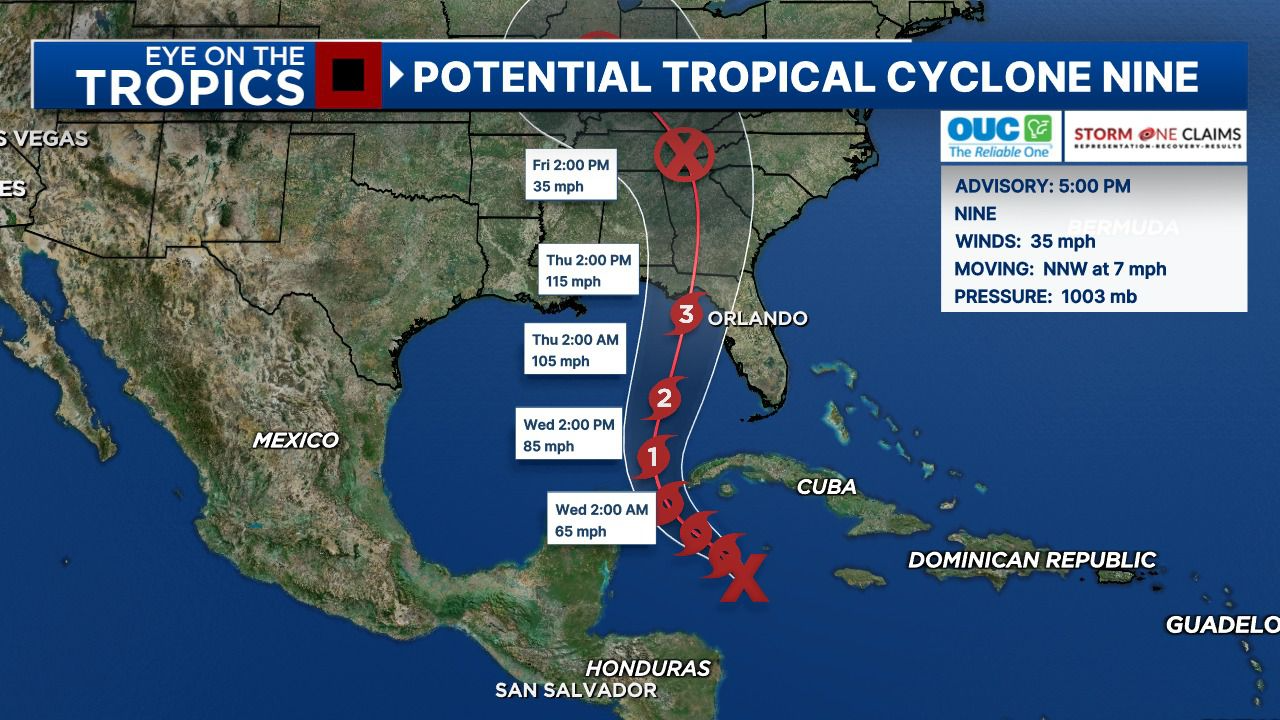
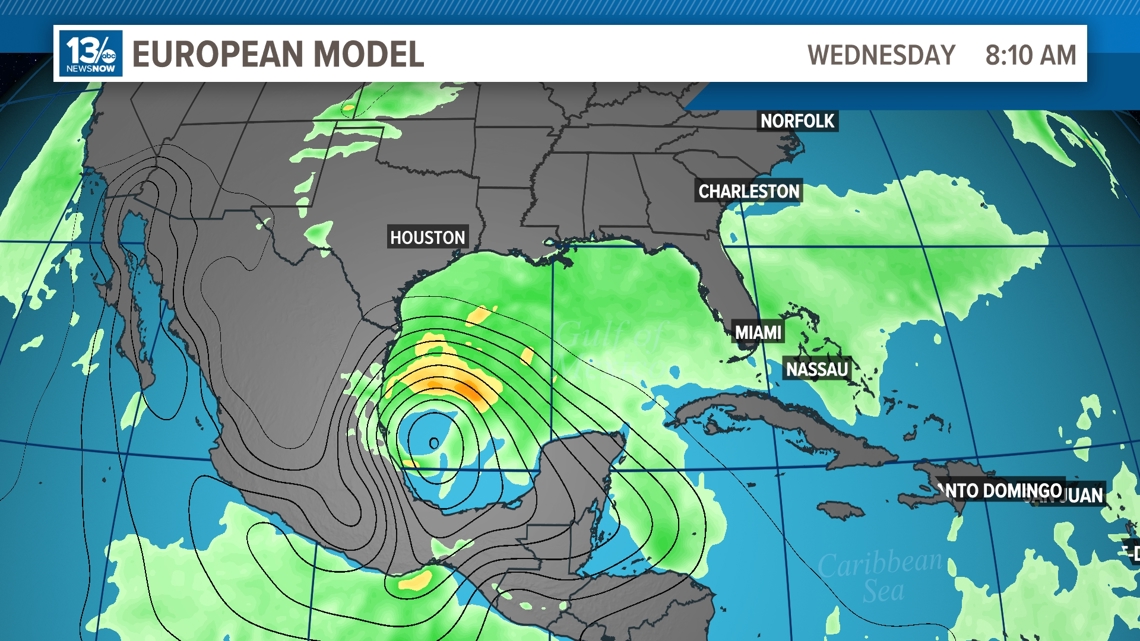
Hurricanes originate as tropical depressions over warm ocean waters, often in the Atlantic Ocean, Caribbean Sea, or Gulf of Mexico. As these systems gather strength, they can intensify into tropical storms and then hurricanes, characterized by sustained winds of 74 mph or higher. The progression is meticulously tracked by meteorologists using advanced satellite imagery, reconnaissance aircraft, and sophisticated computer models. Understanding that a hurricane doesn’t appear overnight is crucial; there’s usually a multi-day lead time for monitoring its path and intensity, providing a window for travelers to adjust their plans.
Official Monitoring and Forecasts
The primary authority for tracking and forecasting tropical cyclones affecting the United States is the National Hurricane Center (NHC), part of the National Oceanic and Atmospheric Administration (NOAA). The National Hurricane Center issues advisories, watches, and warnings that are vital for travelers. A “hurricane watch” indicates that hurricane conditions are possible within a specified area, typically within 48 hours. A “hurricane warning” means hurricane conditions are expected, usually within 36 hours. Paying close attention to these official communications, often disseminated through local news, weather apps, and government websites, is non-negotiable for anyone traveling to or currently in Florida during hurricane season. Relying on reputable sources prevents misinformation and enables timely action.
Essential Travel Planning in Hurricane Season
Traveling to Florida during hurricane season requires a proactive and thoughtful approach to planning. It’s not just about booking flights and accommodations; it’s about preparing for potential disruptions and prioritizing safety.
Before You Book: Insurance and Policies
One of the most critical steps for hurricane season travel is securing comprehensive travel insurance. Not all policies are created equal, so it’s essential to read the fine print. Look for policies that cover trip cancellation, interruption, and delay due to natural disasters. Many standard policies might exclude weather-related events if the storm has already been named before the policy was purchased, or if it’s considered a “known event.” Some insurers offer “Cancel For Any Reason” (CFAR) policies, which provide greater flexibility but come at a higher cost. Additionally, understand the cancellation and rebooking policies of your airline, hotel, and any tour operators. Many will issue waivers during hurricane warnings, but knowing their specific terms beforehand can save significant stress and expense. Consider also if your health insurance covers out-of-state emergencies.
Monitoring Conditions Pre-Departure
As your departure date approaches, intensify your monitoring of weather forecasts, particularly if you are traveling during the peak hurricane months. Begin checking the National Hurricane Center’s advisories at least a week before your trip. If a named storm is developing or tracking towards Florida, assess the potential impact on your specific destination, whether it’s Orlando‘s theme parks or the beaches of South Florida. Many airlines and cruise lines will issue travel waivers well in advance if a storm is projected to affect their operations, allowing you to rebook without penalty. Make a decision early if you need to postpone or cancel, keeping an eye on your insurance deadlines and company policies.
Evacuation Routes and Shelters
Even if no storm is immediately threatening, it’s wise to familiarize yourself with Florida’s emergency preparedness resources. Should a hurricane warning be issued for your travel area, local authorities may order mandatory evacuations. Knowing designated evacuation routes, often clearly marked on major roadways, can be crucial. The Florida Emergency Management Agency (FEMA) and local county emergency management websites provide up-to-date information on evacuation zones and public shelters. For travelers without personal vehicles, understanding public transportation options during an evacuation is vital. This information should be considered part of your itinerary, not an afterthought.
On the Ground: Safety and Preparedness for Travelers
Once you’ve arrived in Florida, your preparedness efforts should continue, evolving with real-time weather updates. Being aware and having a plan can make all the difference in ensuring your safety and minimizing disruption.
Emergency Kits and Supplies
Every traveler should assemble a basic emergency kit upon arrival, or at least know where to acquire supplies quickly. This kit should include essentials such as bottled water (one gallon per person per day for at least three days), non-perishable food, a battery-powered or hand-crank radio, flashlights with extra batteries, a first-aid kit, a whistle, a dust mask, moist towelettes, garbage bags, and local maps. If you rely on medication, ensure you have an adequate supply. Charging banks for electronic devices are also invaluable. Many hotels in hurricane-prone areas will have emergency plans and may even provide guests with information or limited supplies, but personal preparedness is always the best approach. Local grocery stores and pharmacies in cities like Miami or Tampa are usually well-stocked but can quickly become overwhelmed if a storm approaches.
Communication Plans
Before and during your trip, establish a communication plan with family and friends. Share your itinerary, including hotel names and flight information. In the event of a storm, cell service and internet access can be intermittent or unavailable. Text messages often go through when calls cannot. Consider setting up a family check-in system or designating an out-of-state contact person who everyone can inform of their status. If traveling with companions, agree on a meeting point in case you become separated. Local authorities will often set up emergency communication hubs post-storm, which is good to know, but having a personal plan is a critical first line of defense.
Understanding Local Directives
Stay tuned to local news channels and official government advisories from the specific county you are visiting. Different regions of Florida, such as Central Florida versus South Florida, may have varying levels of threat and different emergency response directives. Pay close attention to instructions from hotel management and local law enforcement. If an evacuation order is issued for your area, leave immediately and follow recommended routes. Do not attempt to “ride out” a major hurricane, especially if you are in a vulnerable coastal area. Remember that emergency services may be unavailable during the height of a storm, and you could be putting yourself and others at unnecessary risk. Theme parks like Walt Disney World Resort and Universal Orlando Resort have extensive emergency protocols and will communicate clearly with guests about closures or operational changes.
Post-Storm Travel: What to Expect
The impact of a hurricane doesn’t end when the winds subside. For travelers, understanding the aftermath is just as important as preparing for the storm itself.
Assessing Damage and Accessibility
After a hurricane, the landscape of a affected area can be dramatically altered. Roads may be flooded, blocked by debris, or impassable. Power outages can be widespread and last for days or even weeks. Communication infrastructure may be compromised. It’s crucial to understand that even if your specific location wasn’t hit directly, surrounding areas might be severely affected, impacting travel routes, access to resources, and the availability of emergency services. Before attempting to travel to a recently impacted area, always check with the Florida Department of Transportation (FDOT) for road conditions and with your chosen airline for airport operational status. Many airports, especially those in South Florida like Miami International Airport, have robust emergency plans but can still experience significant delays.
Resumption of Services and Attractions
The recovery process in Florida after a hurricane is often swift, but it takes time for normalcy to return. Utilities, transportation, and public services are usually the first to be restored. Tourist attractions, including theme parks like Walt Disney World Resort and natural landmarks like Everglades National Park, will have their own reopening protocols, prioritizing safety and ensuring facilities are sound. It’s essential to check their official websites or social media channels for current operational status. Do not assume everything will be business as usual immediately after a storm. Hotels and restaurants might operate with limited services due to staffing or supply chain issues. Patience and understanding are key when traveling to areas in recovery.
Contributing to Recovery Efforts
If you find yourself in Florida during the aftermath of a storm, there are ways to responsibly contribute to recovery without impeding professional efforts. The most impactful way is often through monetary donations to reputable organizations like the American Red Cross or local community foundations. Avoid self-deploying as a volunteer unless you have specific skills requested by official agencies like FEMA. Respect local directives, conserve resources, and be mindful of the stress placed on local infrastructure and services. Your responsible actions as a traveler can significantly aid the community’s healing process.
Navigating Travel Decisions: To Go or Not To Go?
The ultimate decision of whether to travel to Florida during hurricane season, especially when a storm is looming, rests with the individual traveler. This decision should always prioritize safety and well-being.
Prioritizing Safety Over Plans
No vacation is worth putting your safety, or the safety of your family, at risk. If a significant hurricane threat emerges, or if you receive official evacuation orders, alter your plans without hesitation. While a canceled trip can be disappointing and financially inconvenient, these are minor compared to the potential dangers posed by a powerful storm. Airlines and tour operators generally offer flexibility during these times, and travel insurance is designed precisely for such contingencies. Remember that emergency responders’ primary focus will be on residents, and resources can be stretched thin.
Flexibility and Contingency Plans
Traveling during hurricane season necessitates flexibility. Have a Plan B, and even a Plan C, ready. This might mean having alternative destinations in mind, or being prepared to delay your trip. Booking accommodations with flexible cancellation policies, and flights that allow for changes without exorbitant fees (or through travel waivers), can provide peace of mind. Consider traveling to Florida earlier or later in the season to avoid the peak months if your schedule allows. A robust contingency plan is the hallmark of a smart traveler during hurricane season.
Resources for Real-time Updates
Staying informed is your most powerful tool. Bookmark and regularly check the following resources:
- The National Hurricane Center (www.nhc.noaa.gov) for official storm advisories.
- The Florida Emergency Management Agency (www.floridadisaster.org) for state-level emergency information, evacuation zones, and shelter locations.
- Your specific county’s emergency management website for hyper-local updates.
- Airline and hotel official websites for operational status.
- Reputable local news outlets (TV, radio, online) in your destination area.
By utilizing these resources and maintaining a proactive mindset, you can confidently answer the question “Is there a hurricane coming towards Florida?” and make well-informed travel decisions, ensuring your Florida travel experience is as safe and enjoyable as possible, regardless of the season. The beauty of Florida awaits, but always with a healthy respect for the power of nature and the wisdom to plan accordingly.
LifeOutOfTheBox is a participant in the Amazon Services LLC Associates Program, an affiliate advertising program designed to provide a means for sites to earn advertising fees by advertising and linking to Amazon.com. Amazon, the Amazon logo, AmazonSupply, and the AmazonSupply logo are trademarks of Amazon.com, Inc. or its affiliates. As an Amazon Associate we earn affiliate commissions from qualifying purchases.