
Florida, the Sunshine State, is renowned for its stunning beaches, vibrant cities, and, perhaps most notably, its unique and diverse wildlife. For many travelers, the allure of Florida lies not just in its theme parks or coastal resorts, but in the chance to encounter its natural inhabitants up close. Among the most frequently inquired about, and often most captivating, are the “big lizards” that roam its wetlands, bask in its sun-drenched landscapes, and even occasionally surprise residents in their backyards. While the term “lizard” might conjure images of smaller, skittish reptiles, Florida is home to several large reptilian species that frequently catch the eye of curious visitors. Understanding what these creatures are, where to find them, and how to safely appreciate them is an essential part of any authentic Florida travel experience.
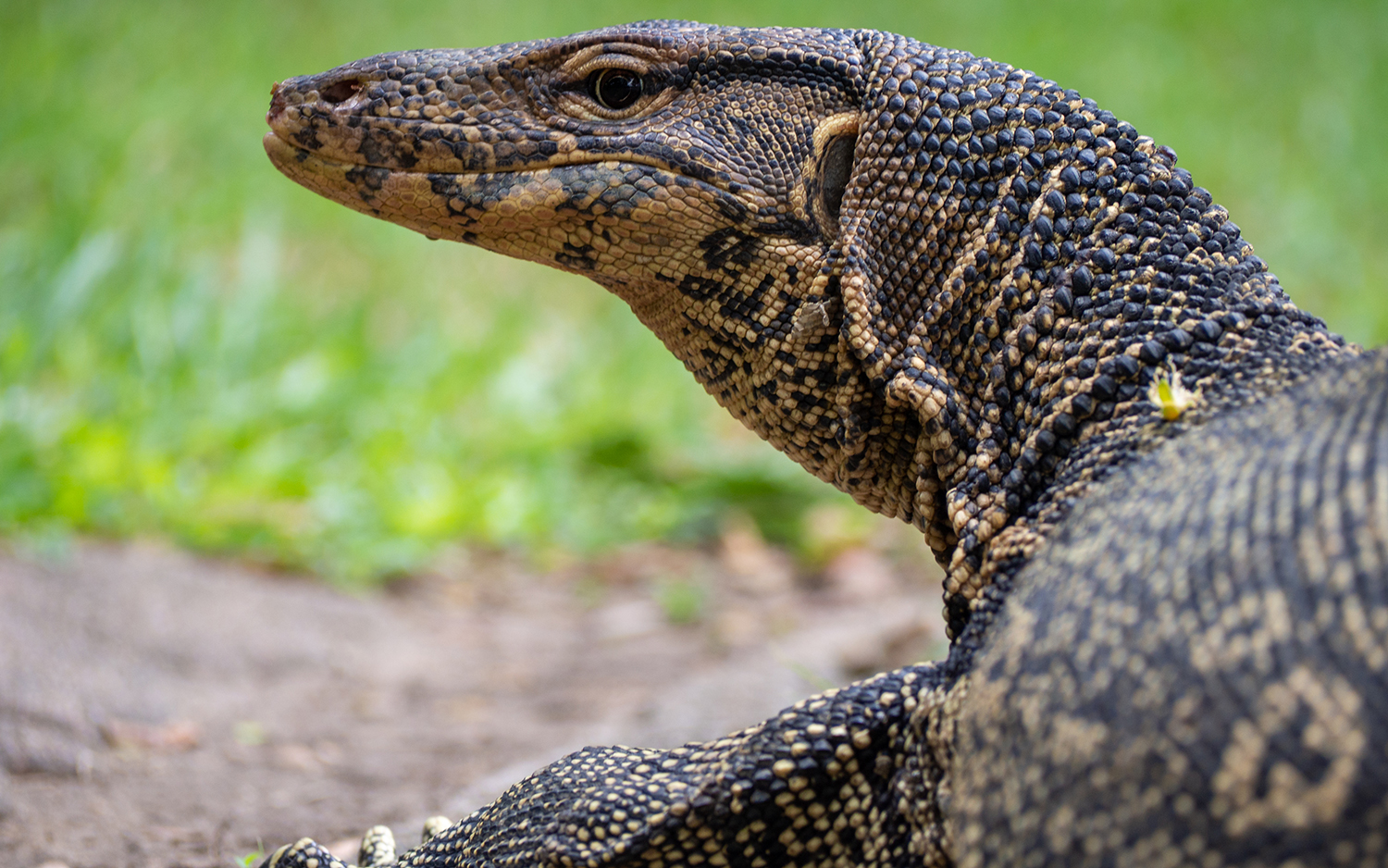
This guide will delve into the identities of these significant reptiles, differentiating between true lizards and other large, lizard-like creatures often encountered, providing insights crucial for any traveler seeking to explore Florida’s wild side.
Florida’s Iconic Giants: The American Alligator
When most people think of “big lizards” in Florida, the image that often first comes to mind is not technically a lizard at all, but the state’s apex predator: the American Alligator. While taxonomically a crocodilian, not a lizard, its prehistoric appearance, large size, and pervasive presence across the state make it the quintessential “big lizard” for many visitors. These magnificent reptiles are an integral part of Florida’s ecosystem and a powerful draw for ecotourism.
An Unmistakable Presence
The American Alligator (Alligator mississippiensis) can grow to impressive lengths, with males commonly exceeding 11 feet and some recorded at over 14 feet. Their dark, scaly skin, powerful tails, and prominent snouts are instantly recognizable. They are cold-blooded, spending much of their day basking in the sun to regulate their body temperature or submerged in water, only their eyes and nostrils visible above the surface. Their role as top predators helps maintain the health and balance of Florida’s freshwater environments. For travelers, encountering an alligator in its natural habitat is often a highlight, offering a glimpse into the raw power of nature.
Where to Spot Alligators Safely
Alligators are ubiquitous throughout Florida’s freshwater systems, from ponds and lakes to slow-moving rivers and canals. The Everglades National Park is perhaps the most famous destination for alligator viewing, offering airboat tours and well-maintained boardwalks like the Anhinga Trail where sightings are almost guaranteed. Other excellent locations include the Myakka River State Park near Sarasota, Gatorland in Orlando (a wildlife attraction focused on alligators), and even many public parks and golf courses across the state. When observing alligators, it’s crucial to maintain a respectful distance, never feed them, and always follow posted safety guidelines. Professional guided tours are the best way to ensure a safe and informative viewing experience.
Coexisting with Florida’s Apex Predator
For travelers, understanding alligator behavior is key to a safe and enjoyable encounter. Alligators are naturally wary of humans, but they can become habituated if fed, leading to dangerous situations. Always keep pets on a leash and away from the water’s edge, and never swim in unsupervised or undeclared waters, especially at dawn or dusk when alligators are most active. Responsible tourism means appreciating these creatures from afar and respecting their wild nature. Their presence is a testament to the health of Florida’s ecosystems, and by observing proper etiquette, visitors contribute to their conservation.
The Rise of Invasive Large Lizards
Beyond the native alligator, Florida has become an unlikely hotspot for several large, non-native lizard species. These exotic reptiles, mostly introduced through the pet trade, have established breeding populations in the state’s warm, humid climate, becoming significant figures in its modern wildlife landscape. While fascinating to observe, their presence poses ecological challenges, impacting native species and habitats. For travelers, spotting these unique creatures adds another layer to Florida’s diverse natural attractions, particularly in the southern regions.
The Vibrant Green Iguana
The Green Iguana (Iguana iguana) is arguably the most common and visible of Florida’s invasive large lizards. Originally from Central and South America, these herbivores can reach lengths of up to 5-6 feet, including their long tails. Their striking green coloration, often with orange or brown variations, sharp dorsal spines, and prominent dewlaps make them easily identifiable. They are highly arboreal, often seen basking on tree branches, fences, or seawalls, particularly in coastal and urban areas of South Florida, from the Florida Keys up to Palm Beach County.
While beautiful, green iguanas consume native plants, damage infrastructure, and can carry salmonella. For travelers, they are a common sight in parks like Fairchild Tropical Botanic Garden in Miami or along the canals of Fort Lauderdale. Observing them from a distance is harmless, and they offer unique photographic opportunities.
The Argentine Black and White Tegu: A Growing Concern
The Argentine Black and White Tegu (Salvator merianae) is another formidable invasive lizard gaining a foothold in Florida, especially in the south. These omnivores can grow over 4 feet long and are characterized by their distinctive black and white banding patterns. Unlike iguanas, tegus are primarily terrestrial, preferring open grasslands, disturbed habitats, and agricultural areas. They are known for their intelligence and active foraging behavior, preying on eggs of native birds and reptiles, including alligators and American Crocodiles, and consuming fruits and insects.
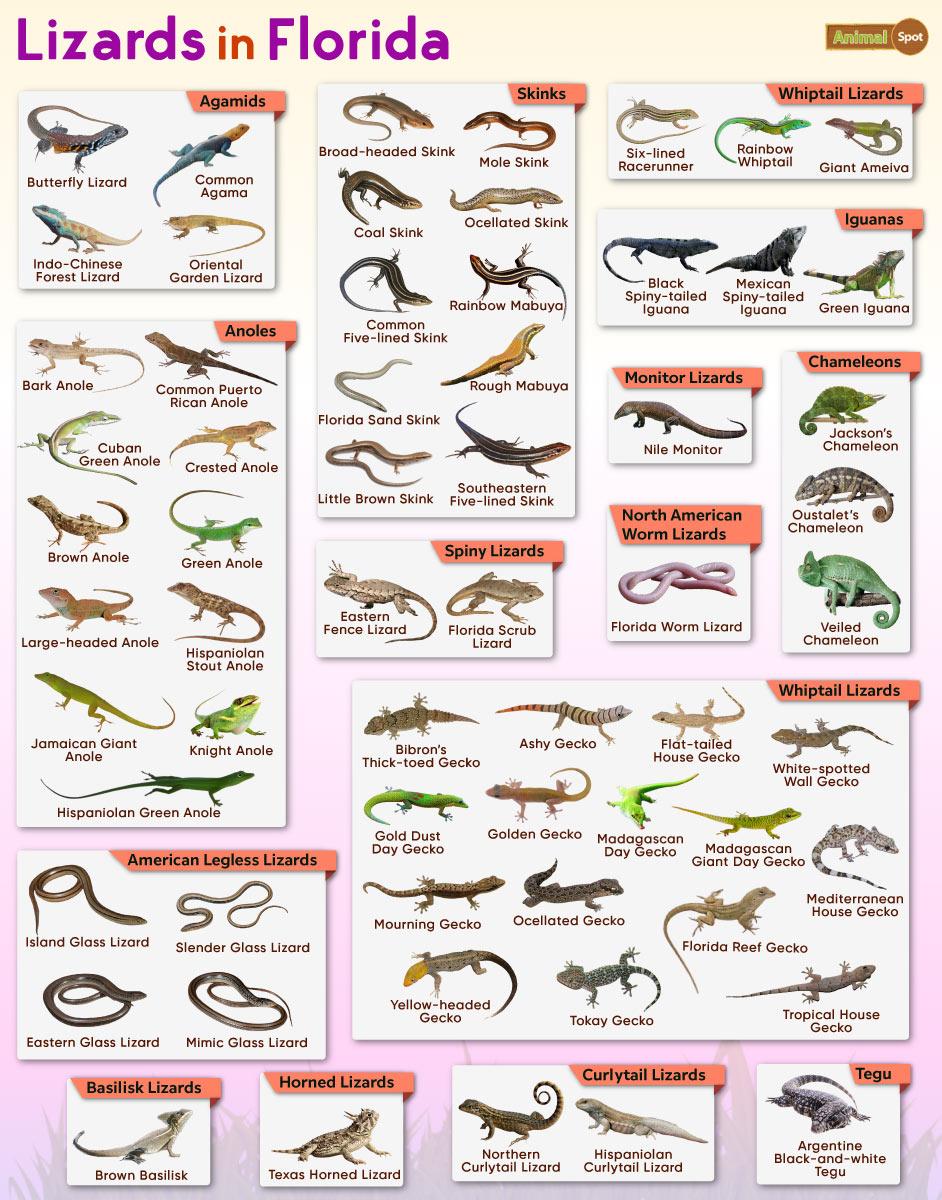
Sightings are less common than iguanas but increasing, particularly in areas around the Everglades and agricultural lands in Miami-Dade County. Because of their impact on native wildlife, organizations like the Florida Fish and Wildlife Conservation Commission (FWC) encourage their removal. For eco-tourists, spotting a tegu is a rare and unique experience, but awareness of their ecological threat is important.
The Elusive Nile Monitor
Originating from Africa, the Nile Monitor (Varanus niloticus) is a powerful, semi-aquatic predatory lizard that can reach lengths of 5-7 feet, with their long, whip-like tails accounting for much of their size. They have olive to grayish-brown bodies with yellow spots and bands. While less widespread than iguanas or tegus, established populations exist in limited areas, most notably around Cape Coral and West Palm Beach.
Nile monitors are voracious predators, consuming a wide range of prey including birds, small mammals, fish, and eggs. They are excellent swimmers and climbers. Due to their elusive nature and specific habitat preferences, encountering a Nile Monitor in the wild is a rarer treat for travelers. However, their presence is a stark reminder of the challenges posed by invasive species to Florida’s delicate ecosystems.
Native, Yet Less Obvious: Other Large Reptiles
While the alligator takes center stage and invasive lizards capture attention, Florida is also home to other native large reptiles that, while not strictly “lizards,” are often mistaken for them or are significant in their own right, adding to the state’s rich herpetofauna. These species play crucial roles in their respective habitats and offer unique wildlife viewing opportunities for the observant traveler.
The Indispensable Gopher Tortoise
The Gopher Tortoise (Gopherus polyphemus) is a native, terrestrial reptile that, despite being a tortoise (a type of turtle), is often grouped by casual observers with “big lizards” due to its substantial size and ground-dwelling habits. These gentle giants can grow up to 15 inches long and are easily identified by their domed shells and shovel-like forelimbs adapted for digging burrows. The Gopher Tortoise is considered a keystone species; its extensive burrows provide shelter for hundreds of other species, including snakes, frogs, and insects.
Travelers can spot gopher tortoises in Florida’s dry, sandy habitats, such as pine flatwoods, scrub, and coastal dunes. State parks like Oscar Scherer State Park or Wekiwa Springs State Park are excellent places to observe them. They are a protected species, and it is illegal to harm them or disturb their burrows. Respecting their space and appreciating their vital role in the ecosystem is key to responsible travel.
Gentle Giants of the Water: Large Turtles
Florida also hosts several species of large freshwater turtles that, while distinct from lizards, might be perceived as “big reptiles” by visitors. The Florida Softshell Turtle (Apalone ferox) is particularly striking, with its pancake-flat, leathery shell that can reach up to two feet in diameter. These unique turtles are often seen basking on logs or sandy banks in ponds, lakes, and rivers throughout the state. Another notable species is the Alligator Snapping Turtle (Macrochelys temminckii), a truly ancient-looking creature with a spiked shell and powerful jaws, though it is much rarer to spot in the wild and often confused with the more common common snapping turtle.
While not lizards, these large aquatic reptiles contribute significantly to Florida’s rich biodiversity. Observing them in their natural settings offers a deeper appreciation for the state’s diverse aquatic life.
Experiencing Florida’s Reptile Wonders Responsibly
Exploring Florida’s natural attractions, especially those involving its larger reptiles, is an incredibly rewarding aspect of travel to the state. Whether it’s the thrill of seeing an American Alligator glide through the Everglades or spotting a colorful Green Iguana sunning itself in South Florida, these encounters create lasting memories. However, responsible interaction is paramount for both visitor safety and the welfare of the wildlife.
Best Practices for Wildlife Observation
To ensure a safe and ethical wildlife viewing experience, follow these guidelines:
- Maintain Distance: Always keep a respectful and safe distance from all wild animals. Use binoculars or a telephoto lens for close-up views.
- Never Feed Wildlife: Feeding wild animals, especially alligators and large invasive lizards, can lead to habituation, making them lose their natural fear of humans and increasing the risk of dangerous encounters. It can also disrupt their natural diet and behavior.
- Stay on Designated Trails: Stick to marked paths and boardwalks in natural areas. This protects fragile habitats and reduces the chance of unexpected encounters with wildlife.
- Be Aware of Your Surroundings: Pay attention to warning signs and local advisories, particularly in areas known for alligators or other potentially dangerous wildlife.
- Report Concerns: If you observe an injured animal or an animal acting aggressively, contact the Florida Fish and Wildlife Conservation Commission (FWC).

Protecting Florida’s Unique Ecosystems
Travelers play a crucial role in conserving Florida’s unique biodiversity. Supporting ecotourism operators who prioritize sustainable practices and wildlife education contributes directly to conservation efforts. Understanding the impact of invasive species, such as the Green Iguana or Argentine Black and White Tegu, also empowers travelers to make informed choices. For instance, never releasing unwanted pets into the wild is a critical step in preventing new invasive populations from forming. By traveling responsibly and adhering to conservation principles, visitors can help ensure that Florida’s “big lizards” and other remarkable reptiles continue to thrive for generations to come, enriching the travel experiences of future explorers.
LifeOutOfTheBox is a participant in the Amazon Services LLC Associates Program, an affiliate advertising program designed to provide a means for sites to earn advertising fees by advertising and linking to Amazon.com. Amazon, the Amazon logo, AmazonSupply, and the AmazonSupply logo are trademarks of Amazon.com, Inc. or its affiliates. As an Amazon Associate we earn affiliate commissions from qualifying purchases.