
Florida, often celebrated as the Sunshine State, beckons travelers with its alluring coasts, vibrant cities, and world-renowned attractions. Yet, understanding the nuanced climate and varying temperatures across its vast expanse is paramount for any visitor planning an unforgettable trip. Far from a monolithic tropical paradise, Florida experiences distinct seasonal shifts and regional variations that can significantly impact your travel experience, from packing choices to activity planning. Delving into the state’s thermal landscape reveals a fascinating interplay of geography, ocean currents, and latitude, crafting a unique weather narrative for each season and destination.
Understanding Florida’s Climate: A Subtropical Haven
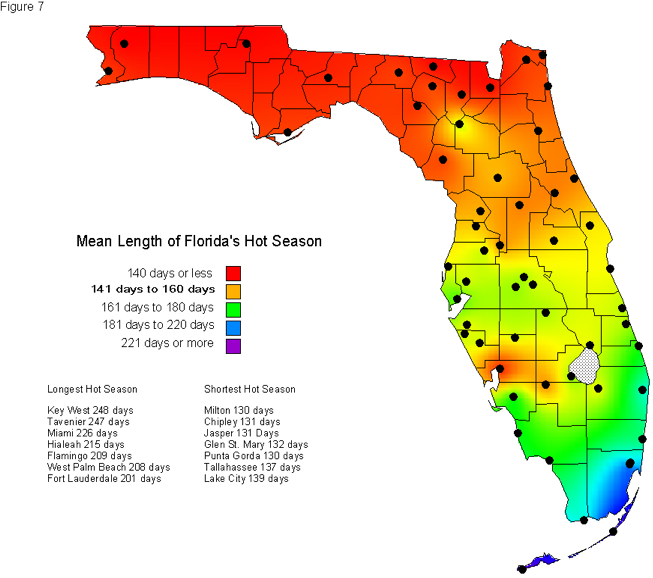
Florida’s climate is predominantly humid subtropical, characterized by warm, often hot, summers and mild winters. However, this broad classification hides a spectrum of thermal experiences influenced by its peninsular geography and proximity to major bodies of water. The state’s elongated shape stretches across several degrees of latitude, meaning temperatures can vary considerably from its northern border with Georgia and Alabama down to the tropical reaches of Key West.
The Sunshine State’s Geographic Influences
The geographical position of Florida is a primary driver of its temperatures. Surrounded by the warm waters of the Gulf of Mexico to the west and the Atlantic Ocean to the east, the state benefits from moderating maritime influences. These vast water bodies help regulate temperatures, preventing extreme cold snaps in winter and sometimes buffering the summer heat, particularly along coastal areas.
Furthermore, the powerful Gulf Stream, a warm ocean current flowing northward along Florida’s Atlantic coast, plays a significant role in maintaining milder winter temperatures, especially in cities like Miami and Fort Lauderdale. Its influence keeps coastal waters relatively warm year-round, contributing to Florida’s appeal as a winter escape. The state’s low elevation and flat topography also mean that cold air masses, when they do arrive from the north, can sweep across the entire peninsula with relatively little impedance, though their impact diminishes southward.
Regional Climate Variations
While the image of perpetual sunshine is strong, Florida’s temperature profile isn’t uniform. The state can be broadly divided into three climatic zones:
- North Florida: This region, including cities like Jacksonville and Tallahassee, experiences the most noticeable seasonal variations. Winters here can be distinctly cooler, with average January lows sometimes dipping into the 40s°F (4-9°C) and occasional frosts. Summers are hot and humid, similar to other parts of the state, with average highs in the low 90s°F (32-34°C). This area is more susceptible to cold fronts originating from the continental U.S.
- Central Florida: Home to major attractions in Orlando and the vibrant Gulf Coast cities like Tampa and St. Petersburg, this region enjoys a transitional climate. Winters are milder than in the north, with average January lows typically in the 50s°F (10-15°C) and fewer frost events. Summers are consistently hot and humid, with daily highs frequently reaching the low 90s°F (32-34°C), often accompanied by afternoon thunderstorms.
- South Florida: This tropical zone, encompassing Miami, Fort Lauderdale, Naples, and the Florida Keys, boasts the warmest temperatures year-round. Winters are balmy and frost-free, with January lows rarely dropping below the low 60s°F (16-18°C). Summers are long, hot, and intensely humid, with average daily highs in the high 80s°F to low 90s°F (30-34°C), and daily afternoon rain showers are a common occurrence, providing temporary relief from the heat. This region genuinely lives up to the tropical ideal, making it a favorite for those seeking continuous warmth.
A Seasonal Guide to Florida’s Temperatures
Understanding Florida’s temperatures through the lens of its four seasons is crucial for effective travel planning, allowing visitors to align their expectations and activities with the prevailing weather conditions.
Winter: Mild Escapes (December – February)
Florida winters are legendary, attracting “snowbirds” from colder northern climates. This season offers the most comfortable temperatures for outdoor activities across much of the state.
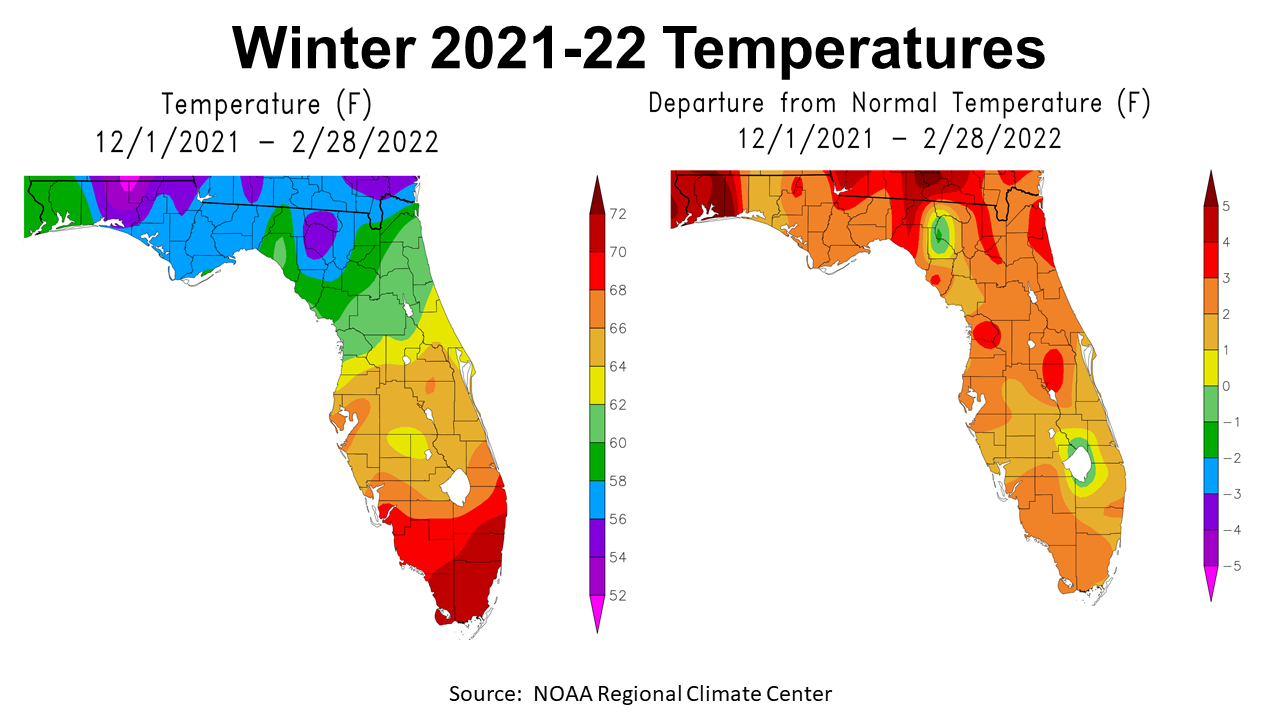
- North Florida: Expect average highs around 60-65°F (16-18°C) and lows in the 40-45°F (4-7°C) range. Occasional cold fronts can bring temperatures down into the 30s°F (0-4°C) for a few days.
- Central Florida: Temperatures typically range from highs in the upper 60s to low 70s°F (19-23°C) and lows in the 50s°F (10-15°C). It’s generally pleasant for theme parks and golf.
- South Florida: Truly tropical, with average highs in the mid to upper 70s°F (24-26°C) and lows in the low to mid-60s°F (16-19°C). Swimming in the ocean is often comfortable, particularly further south in the Keys. Rainfall is at its lowest during this period.
Spring: Pleasant Warmth (March – May)
Spring is arguably one of the most delightful times to visit Florida, offering a sweet spot between the mild winters and the intense summer heat.
- North Florida: Begins to warm up significantly, with April averages in the low 70s°F (22-24°C) and nights cooling into the 50s°F (10-15°C). By May, it feels much like early summer.
- Central Florida: Ideal for theme park visits, with highs ranging from the mid-70s°F to low 80s°F (24-29°C) and comfortable lows in the 50s to 60s°F (10-19°C). Humidity remains relatively low.
- South Florida: Warm and sunny, with increasing temperatures reaching the mid-80s°F (29-31°C) by May, and lows in the 70s°F (21-23°C). The humidity starts to climb towards the end of the season, foreshadowing summer.
Summer: Hot and Humid (June – August)
Florida’s summer is characterized by intense heat, high humidity, and frequent afternoon thunderstorms. This is the wet season, and it coincides with the Atlantic hurricane season.
- Across the State: Expect average daily highs consistently in the high 80s to low 90s°F (30-34°C). The “feels like” temperature, due to high humidity often exceeding 70%, can push into the triple digits. Nighttime temperatures offer little relief, staying in the 70s°F (21-26°C). Brief, heavy afternoon thunderstorms are a daily occurrence, usually lasting an hour or two, providing a temporary cooldown before humidity quickly returns. These rains are vital for the state’s ecosystem, particularly areas like the Everglades National Park.
Fall: Cooling Down (September – November)
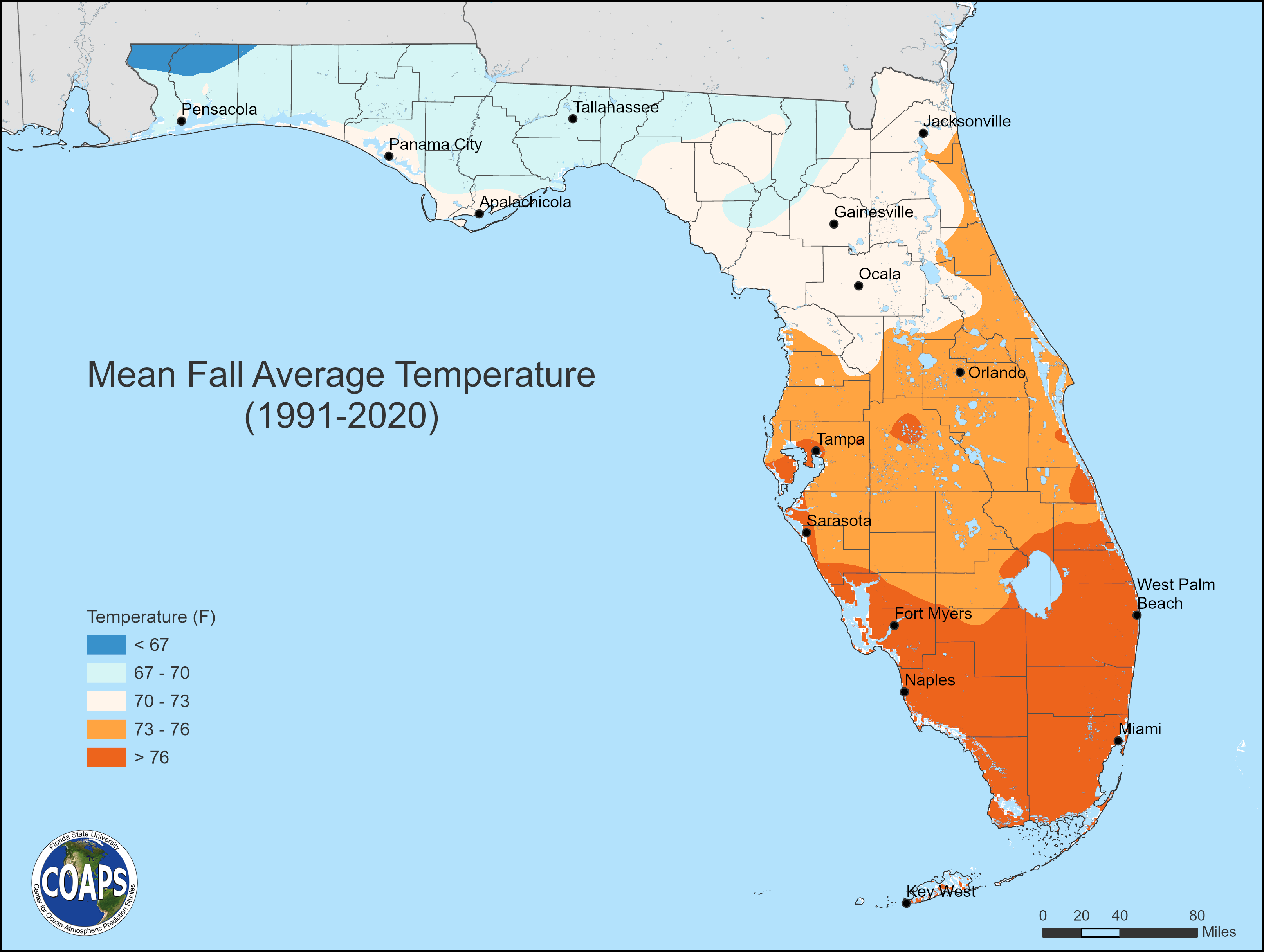
Fall serves as a welcome transition, with temperatures gradually decreasing, and the humidity beginning to subside, especially towards the latter half of the season.
- North Florida: Begins to feel much more comfortable by October, with highs in the 70s°F (21-26°C) and pleasant evenings in the 50s°F (10-15°C).
- Central Florida: Remains warm through September, with highs in the mid-80s°F (29-31°C), but by October and November, temperatures become more moderate, averaging highs in the 70s°F (21-26°C) and lows in the 60s°F (16-19°C). This period often offers excellent weather for outdoor activities and theme parks, with fewer crowds than peak winter.
- South Florida: Stays warm well into November, with average highs still in the 80s°F (27-31°C), but the intense humidity of summer slowly gives way to more comfortable conditions. The hurricane season officially ends November 30th, so travelers in early fall should remain aware of potential tropical systems. Popular destinations like Sarasota and Panama City Beach experience lovely conditions during this time.
Practical Advice for Navigating Florida’s Climate
Regardless of when you visit, being prepared for Florida’s temperatures and weather patterns is key to a comfortable and enjoyable trip.
Packing Essentials for Every Season
- Summer: Light, breathable clothing (cotton, linen), swimwear, wide-brimmed hat, sunglasses, waterproof sandals, rain jacket/umbrella. Crucially, pack clothes that dry quickly.
- Winter: Layers are essential. While days can be warm, evenings, especially in North and Central Florida, can be cool. Pack long-sleeved shirts, light sweaters, a medium-weight jacket, and closed-toe shoes. Swimwear is still advisable for heated pools or warmer days in South Florida.
- Spring/Fall: A mix of light clothing for warm days and a light sweater or jacket for cooler evenings is perfect. Don’t forget swimwear and sun protection.
Hydration and Heat Safety
During the warmer months, staying hydrated is non-negotiable. Drink plenty of water throughout the day, even if you don’t feel thirsty. Take frequent breaks in air-conditioned spaces, especially if visiting theme parks like Walt Disney World Resort or Universal Orlando Resort. Always apply high-SPF sunscreen, and reapply it regularly, particularly after swimming or sweating. Seek shade during the hottest parts of the day (usually 10 AM to 4 PM).
Understanding Humidity and its Impact
Florida’s high humidity often makes the air feel much hotter than the thermometer indicates. This can be particularly noticeable for those unaccustomed to it. Humidity also means that clothes take longer to dry, and sweat evaporates less efficiently, making you feel sticky. Lightweight, moisture-wicking fabrics can make a significant difference in comfort. Be aware that humidity can also exacerbate certain health conditions, so planning activities to avoid peak humidity (and heat) is wise.
Tailoring Your Florida Experience to the Weather
Florida offers an incredible array of activities, but the best time to enjoy them often depends on the temperatures.
Best Times for Theme Parks and Outdoor Activities
The shoulder seasons (late April to May and late September to November) and the winter months (December to February) generally offer the most pleasant temperatures for visiting theme parks like Walt Disney World Resort, Universal Orlando Resort, and Busch Gardens Tampa Bay. During these times, the heat is less oppressive, making long days of walking and waiting in lines more tolerable. Similarly, exploring state parks, hiking trails, and engaging in outdoor sports like golf or tennis is most comfortable when temperatures are milder.
Enjoying Florida’s Waterways and Beaches
Florida’s pristine beaches, from Clearwater Beach on the Gulf Coast to South Beach in Miami, are year-round attractions. However, water temperatures vary. In winter, the Gulf waters and the Atlantic are coolest but generally swimmable in South Florida. By spring, water temperatures rise statewide, becoming truly inviting. Summer sees the warmest ocean temperatures, often reaching the high 80s°F (30-31°C), perfect for swimming, snorkeling, and diving. Fall offers a great balance, with warm water lingering from summer but with diminishing crowds. Water sports like kayaking in the Florida Everglades or paddleboarding are enjoyable in most seasons, though summer offers a chance to cool off quickly.
Embracing Indoor Attractions and Cultural Experiences
On hot summer days or during an unexpected rain shower, Florida’s wealth of indoor attractions provides a fantastic escape. Cities like Orlando and Miami boast world-class museums, aquariums, and shopping centers that offer air-conditioned comfort. Options range from the Phillip and Patricia Frost Museum of Science in Miami to the various themed indoor shows at EPCOT at Walt Disney World. Leveraging these indoor options during the peak heat of the day allows travelers to conserve energy and enjoy cooler, outdoor activities during the more pleasant mornings and evenings.
In conclusion, Florida’s temperatures are as varied and dynamic as its landscapes. While the state consistently lives up to its “Sunshine State” moniker, understanding the nuances of its seasonal and regional climates empowers travelers to plan a visit perfectly tailored to their preferences, ensuring comfort and maximum enjoyment of everything this diverse and vibrant destination has to offer.
LifeOutOfTheBox is a participant in the Amazon Services LLC Associates Program, an affiliate advertising program designed to provide a means for sites to earn advertising fees by advertising and linking to Amazon.com. Amazon, the Amazon logo, AmazonSupply, and the AmazonSupply logo are trademarks of Amazon.com, Inc. or its affiliates. As an Amazon Associate we earn affiliate commissions from qualifying purchases.