
Florida, often dubbed the Sunshine State, is renowned for its pristine beaches, vibrant cities, and, perhaps most famously, its captivating wildlife. Among the myriad creatures that call this state home, the American alligator stands out as a true icon. For tourists planning an immersive experience in Florida’s natural landscapes, understanding the dietary habits of these formidable reptiles is not merely a matter of curiosity; it’s a key to appreciating their ecological role, ensuring safety during wildlife encounters, and making the most of activities like airboat tours or visits to national parks. Delving into what alligators eat offers an insightful glimpse into the intricate balance of Florida’s unique ecosystems, enriching any visitor’s journey.

Understanding Florida’s Apex Predator: A Tourist’s Guide
The American alligator (Alligator mississippiensis) is an apex predator, meaning it sits at the top of the food chain in its freshwater and brackish habitats across the southeastern United States, with Florida boasting one of the largest populations. Their diet is incredibly varied and opportunistic, reflecting the rich biodiversity of the state’s wetlands, rivers, and lakes. For tourists, recognizing the alligator’s predatory nature is fundamental to understanding its behavior and the broader ecological dynamics of the regions they visit.
The Alligator’s Role in the Ecosystem
Alligators play a vital role in maintaining the health and balance of Florida’s aquatic environments. By preying on a wide range of animals, they help control populations of fish, rodents, and other reptiles, preventing any single species from overpopulating and potentially harming the ecosystem. Their presence also creates “gator holes” during dry seasons – depressions excavated by alligators that retain water, providing crucial refuges for other wildlife. Knowing this context elevates a simple alligator sighting into an appreciation for a keystone species actively shaping its environment, a perspective invaluable for ecotourists. When you spot an alligator basking along the banks of the Myakka River State Park or gliding silently through the Everglades National Park, you’re witnessing not just an animal, but an active participant in maintaining ecological harmony.
Seasonal and Habitat Influences on Diet
An alligator’s diet is not static; it fluctuates significantly based on factors such as their age, size, the season, and the specific habitat they inhabit. Hatchlings and juvenile alligators consume smaller prey, such as insects, spiders, frogs, and small fish. As they grow, their diet expands to include larger animals. During warmer months, alligators are more active and therefore eat more, preparing for the cooler periods when their metabolism slows down, and they may enter a state of brumation (a reptilian form of hibernation). The abundance of prey also varies by location; an alligator in the brackish waters of the Florida Everglades might encounter different species than one in a central Florida freshwater lake like Lake Okeechobee. Understanding these variables can help tourists interpret alligator behavior they might observe, making their wildlife viewing more informed and engaging.
The Diverse Menu: A Glimpse into Alligator Foraging
The American alligator is a highly adaptable predator, consuming virtually anything it can overpower. This adaptability is key to its survival in diverse Florida habitats. For tourists, this diverse menu highlights the richness of the ecosystems they explore and offers insights into why alligators are such formidable and ubiquitous residents.
Aquatic Prey: The Staple Diet
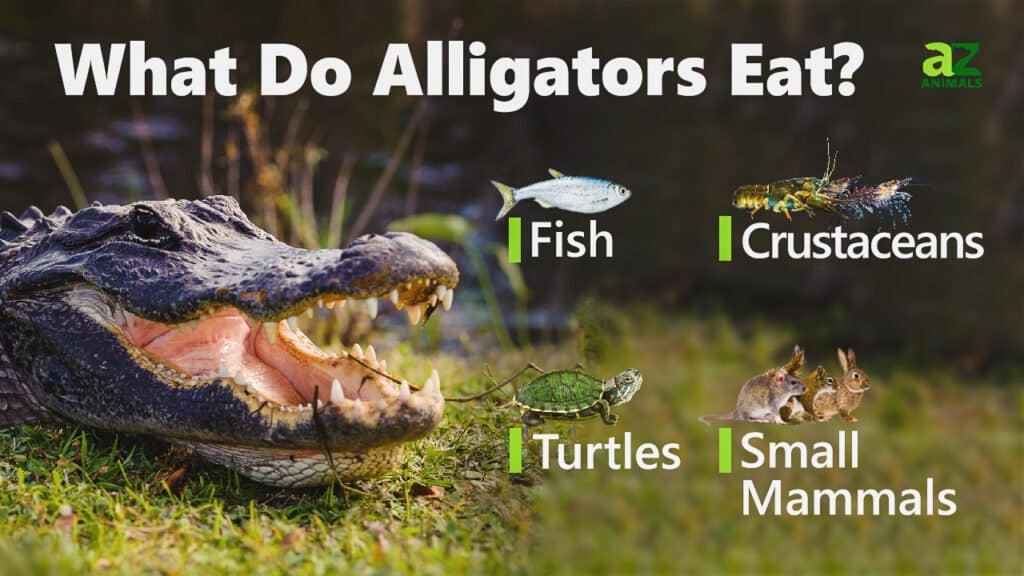
The bulk of an alligator’s diet consists of aquatic animals. This includes various species of fish, such as gar, bass, and mullet, which are abundant in Florida’s waterways. Turtles, snakes, frogs, and even other smaller alligators are also common prey items. The alligator’s powerful jaws and sharp teeth are perfectly adapted for seizing and crushing these animals, often consuming them whole or tearing them into manageable pieces. When on an airboat tour through the Kissimmee wetlands, tourists often see glimpses of this aquatic food chain in action, from birds fishing to alligators lurking beneath the surface.
Terrestrial Encounters: Opportunistic Feeding
While primarily aquatic, alligators are not confined to the water for their meals. They are opportunistic hunters and will readily venture onto land to catch terrestrial prey. This includes a variety of mammals such as raccoons, opossums, armadillos, and even deer, especially smaller or injured individuals. Birds that frequent the water’s edge, like wading birds and ducks, are also vulnerable. This broader diet demonstrates the alligator’s versatility as a predator and underscores the importance of exercising caution near water bodies, even for land-based activities. Observing an alligator on land is a powerful reminder for tourists to respect their natural habitat and maintain a safe distance.
Unexpected Items: From Insects to Fruit
Perhaps surprisingly, an alligator’s diet can occasionally include items that seem far removed from typical predator fare. Younger alligators, in particular, will eat insects and snails. There have even been documented instances of alligators consuming fruits and berries, though this is believed to be more of an incidental intake when consuming other prey or as a source of hydration. While rare, these observations illustrate the extreme adaptability of alligators and their ability to derive sustenance from various sources within their environment. This insight adds another layer of intrigue for tourists interested in the fascinating biology of Florida’s wildlife.
Alligator Diet and Tourist Activities
Understanding the alligator’s diet is not just academic; it directly influences and enhances the tourist experience in Florida. From improving wildlife observation to ensuring safety, this knowledge is paramount for responsible and enriching tourism.
Enhanced Wildlife Viewing Experiences
For those visiting attractions like Gatorland in Orlando or the St. Augustine Alligator Farm Zoological Park, knowing what alligators eat can enrich the experience by allowing visitors to better understand feeding demonstrations or the natural behaviors observed. In the wild, tourists on guided tours through Everglades National Park or Big Cypress National Preserve can interpret the presence of certain prey animals as indicators of alligator activity. Observing a heron standing still or a school of fish scattering might suggest a predator is nearby, turning a casual sighting into an exciting detective game for nature enthusiasts. This deeper understanding makes every moment in Florida’s wild landscapes more meaningful.
Safety Considerations and Responsible Tourism
Crucially, knowing what alligators eat provides invaluable safety tips for tourists. Since alligators are opportunistic predators, any small animal (and unfortunately, sometimes pets) near the water’s edge can be perceived as potential prey. This is why official guidelines strongly advise against swimming or wading in unfenced Florida waters, especially at dawn, dusk, or night when alligators are most active. Similarly, feeding alligators is illegal and extremely dangerous, as it habituates them to humans and teaches them to associate people with food, leading to aggressive behaviors. Responsible tourism dictates maintaining a safe distance and never approaching these animals, particularly if they appear to be guarding a nest or a kill. This knowledge empowers tourists to make safe choices, protecting both themselves and the wildlife.
Airboat Tours and Ecosystem Education
Airboat tours, a popular tourist activity in regions like Kissimmee and the Everglades, often provide guides who explain the alligator’s diet and its impact on the ecosystem. These tours offer a unique perspective, allowing visitors to skim across the marshlands where alligators hunt. Knowledge of their diet facilitates discussions on the food web, predator-prey relationships, and the overall health of the wetlands, transforming an exhilarating ride into an educational journey. Guides can point out different types of vegetation that support various prey species, further illustrating the interconnectedness of Florida’s natural world.
Beyond the Plate: Conservation and Coexistence
The story of the alligator’s diet also leads into broader themes of conservation and the delicate balance of coexistence between humans and wildlife in Florida.
The Importance of Natural Habitats
A healthy alligator population, supported by a diverse diet, is a strong indicator of a healthy ecosystem. For tourists, recognizing the interconnectedness between alligators, their prey, and their habitats underscores the importance of conservation efforts. Visiting protected areas like state parks and national preserves contributes to the funding and awareness needed to maintain these vital environments. Experiencing these natural spaces as a tourist offers a firsthand understanding of why safeguarding Florida’s wetlands is crucial for all its inhabitants, including the iconic alligator.
Human Impact and Feeding Alligators
One of the most critical “tips” for any tourist in alligator country revolves around not feeding these wild animals. While it might seem harmless or even exciting, feeding alligators disrupts their natural foraging behaviors and makes them lose their fear of humans. This often leads to “nuisance alligators” which, sadly, sometimes have to be removed or euthanized to ensure public safety. A responsible tourist understands that appreciating alligators in their natural state, hunting for their own food, is the best way to respect both the animal and the ecosystem. Education on this topic is a cornerstone of responsible tourism in Florida.
Planning Your Florida Wildlife Adventure
For tourists eager to safely and insightfully observe Florida’s alligators, a little planning and respect go a long way.
Best Places to Observe Alligators Safely
Florida offers numerous opportunities for alligator viewing. Prime locations include Everglades National Park, where the Anhinga Trail is famous for close encounters (from a safe boardwalk). Big Cypress National Preserve, Myakka River State Park near Sarasota, and even numerous golf courses and suburban retention ponds around cities like Orlando, Tampa, and Gainesville are common habitats. For guaranteed sightings in a controlled environment, attractions like Gatorland and the St. Augustine Alligator Farm Zoological Park offer educational experiences and safety. When visiting any natural area, adhere to all posted signs and ranger advice.

Respecting the Wild: A Tourist’s Responsibility
Ultimately, appreciating what alligators eat in Florida is part of a larger lesson in respecting nature. As a tourist, your responsibility is to leave no trace, observe from a distance, and never interfere with wildlife. By understanding the alligator’s role as an apex predator and its diverse dietary needs, visitors gain a deeper appreciation for the complex ecosystems that make Florida such a unique and captivating destination. This knowledge not only enhances your personal experience but also contributes to the preservation of these magnificent creatures for future generations of tourists to enjoy.
LifeOutOfTheBox is a participant in the Amazon Services LLC Associates Program, an affiliate advertising program designed to provide a means for sites to earn advertising fees by advertising and linking to Amazon.com. Amazon, the Amazon logo, AmazonSupply, and the AmazonSupply logo are trademarks of Amazon.com, Inc. or its affiliates. As an Amazon Associate we earn affiliate commissions from qualifying purchases.