
Starting a new chapter in the Sunshine State or simply need official identification without a driver’s license? Obtaining a Florida State ID card is a fundamental step for residents, offering a widely accepted form of identification for various personal and professional needs. Unlike a driver’s license, a state ID card does not grant driving privileges but serves as crucial proof of identity and residency for those who don’t drive or prefer a separate identification document. This comprehensive guide will walk you through the entire process, from understanding why you need one to gathering the necessary documents and navigating your visit to the local Department of Highway Safety and Motor Vehicles (DHSMV) or Tax Collector’s Office. Whether you’re a new resident, a student, or simply looking for a reliable form of identification, securing your Florida State ID is an essential part of integrating into the vibrant lifestyle this state offers.
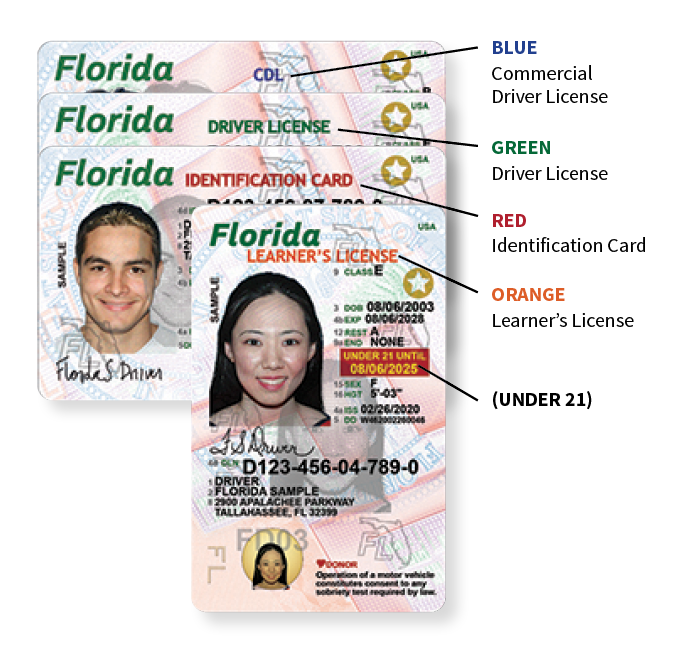
Why a Florida State ID is Essential
A Florida State ID card is more than just a piece of plastic; it’s a gateway to various services and validations that are integral to daily life in the United States. For many, it acts as a primary form of identification when a driver’s license isn’t needed or available.
Beyond Driving: Versatile Identification
The absence of driving privileges doesn’t diminish the utility of a state ID. It is universally accepted for age verification, whether you’re purchasing age-restricted items or accessing certain venues. It serves as official identification when boarding domestic flights, confirming your identity for banking transactions, or enrolling in educational institutions. Furthermore, it’s often required for accessing government services, voting, and even certain employment applications. For those who choose not to drive, or are unable to, the Florida State ID ensures they still possess a secure and recognized form of proof of identity.
Establishing Residency Benefits
For new residents, obtaining a Florida State ID is a significant step towards fully establishing residency. This officially recognized document can be critical for various purposes, including enrolling children in local schools, applying for in-state tuition rates at Florida universities, registering to vote, and accessing certain social services. It solidifies your presence within the state, unlocking benefits and simplifying processes that require proof of your Florida address and identity. By securing this ID, you effectively streamline your integration into the community and simplify numerous administrative tasks.
Navigating the Application Process: Key Requirements
The process of obtaining a Florida State ID is designed to be straightforward, provided you understand the specific requirements and gather the correct documentation beforehand. Preparation is key to a smooth and efficient visit to the DMV or Tax Collector’s Office.
Eligibility Criteria
To be eligible for a Florida State ID card, applicants must be at least 15 years of age. While there is no upper age limit, minors under 18 will typically require a parent or legal guardian to sign the application. Importantly, you must be a resident of Florida. This means you generally need to show proof of your physical address within the state. Individuals who possess a valid driver’s license from Florida or any other U.S. state are typically not eligible to hold a separate Florida State ID card simultaneously, as the driver’s license itself serves as primary identification.
Understanding Documentation Tiers
Florida’s DHSMV adheres to federal REAL ID Act standards, meaning that applicants must provide specific documents to prove their identity, social security number, and two proofs of residential address. These documents are categorized into primary and secondary proofs, ensuring the integrity and security of the identification process. Understanding these tiers is crucial for a successful application, as bringing insufficient or incorrect documentation will result in delays or a rejected application. It’s always advisable to bring original documents, as photocopies are generally not accepted unless specifically stated.
Gathering Your Documents: Proof of Identity, Residency, and Social Security
This is arguably the most critical step in obtaining your Florida State ID. The DHSMV requires original documents or certified copies to verify your identity and residency.
Primary Proof of Identity
You will need one document from this category. Acceptable documents typically include:
- Original or certified Birth Certificate issued by a U.S. state, territory, or the District of Columbia.
- Valid, unexpired U.S. Passport or U.S. Passport Card.
- Valid, unexpired Alien Registration Card (Permanent Resident Card), I-551.
- Certificate of Naturalization, Form N-550 or N-570.
- Certificate of Citizenship, Form N-560 or N-561.
- Valid, unexpired Employment Authorization Card (I-766).
For non-U.S. citizens, additional documentation proving legal presence in the United States will be required, such as a valid visa and I-94 form.
Proof of Social Security Number
You must present your original Social Security card. If you’ve been issued a social security number but cannot locate your card, you may provide official documentation from the Social Security Administration (SSA) displaying your full name and Social Security Number. Examples include:
- Your Social Security Card.
- A W-2 Form.
- A pay stub with your Social Security Number.
- A 1099 form.
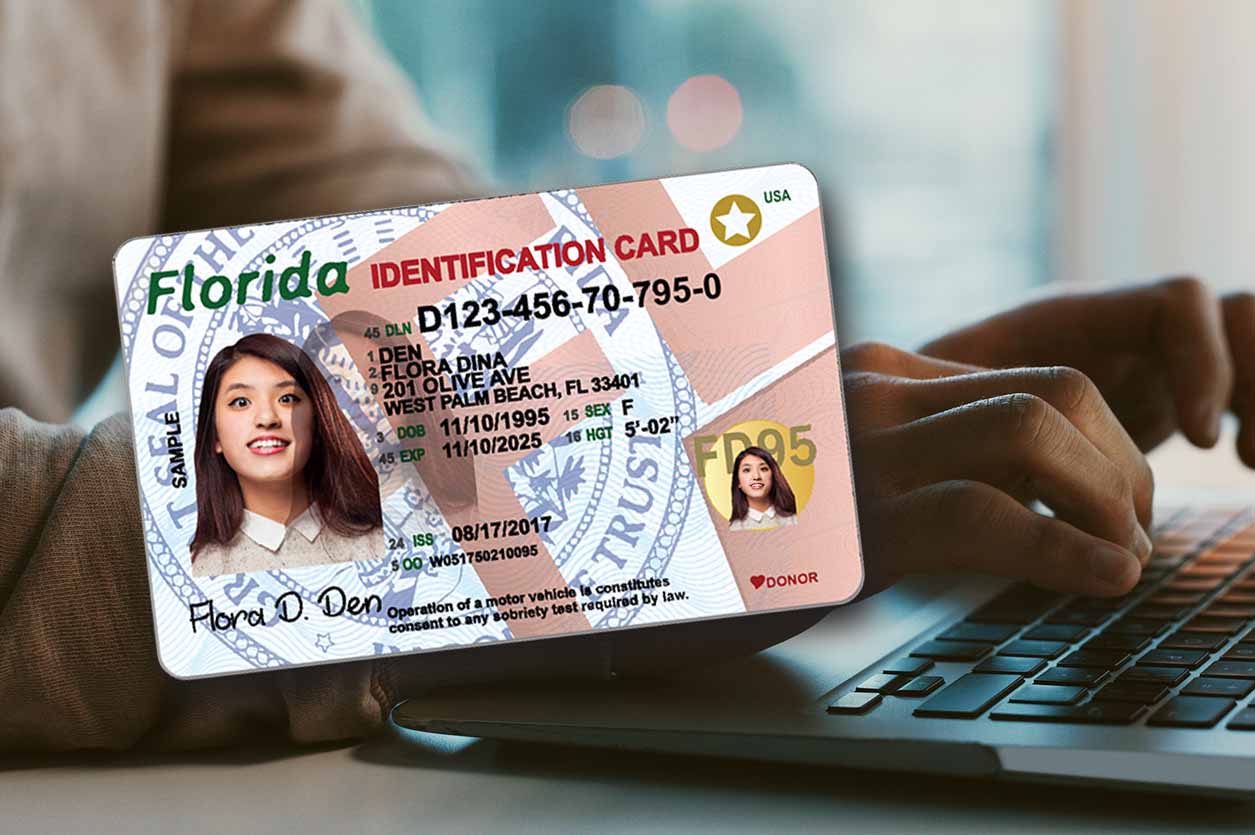
Note that the number must be visible on the document. If you do not have a Social Security Number, different rules apply for non-citizens, and it is best to consult the DHSMV directly or check their official website for specific instructions.
Proof of Residential Address
You will need two different documents that show your current residential address in Florida. These documents must display your full name and the address. Post office box addresses are generally not accepted. Acceptable documents include:
- Deed, mortgage, monthly mortgage statement, mortgage payment booklet, or residential rental/lease agreement.
- Florida vehicle registration or title (if issued 30 days or more ago).
- Utility bill (electric, water, gas, cable, telephone landline) dated within 60 days.
- Mail from a government agency (federal, state, county, or city) dated within 60 days.
- Bank statement, checking or savings account statement dated within 60 days.
- Selective Service Card.
- Medical or health card (with address).
- Original declaration of domicile.
- Current homeowners or renters insurance policy or bill.
- Current automobile insurance policy or bill.
- Transcript or report card from an accredited school.
- Letter from a homeless shelter, transitional service provider, or half-way house verifying applicant lives at the facility.
- Voter registration card.
- Parental/Guardian certification of address for minors.
Proof of Name Change (if applicable)
If the name on your primary identity document (e.g., Birth Certificate) differs from your current legal name, you must provide all legal documents that show the chain of name changes. This could include:
- Marriage certificates.
- Divorce decrees.
- Court orders for name changes.
Ensure these documents are original or certified copies.
The Application Appointment: What to Expect
With all your documents meticulously gathered, the next step is to visit your local DMV or Tax Collector’s Office. While the prospect of government offices can sometimes feel daunting, being prepared will make the experience much smoother.
Scheduling Your Visit to the DMV or Tax Collector’s Office
Many Florida DHSMV service centers and county Tax Collector’s Office locations offer online appointment scheduling, which is highly recommended to minimize wait times. Check the official Florida DHSMV website for a list of locations near you and their specific scheduling procedures. Some locations may still operate on a walk-in basis, but an appointment can significantly streamline your visit.
Fees and Payment Methods
There is a fee associated with obtaining a Florida State ID card. As of the current guidelines, the standard fee is typically around $25, but it’s always wise to verify the exact amount on the official DHSMV website before your visit, as fees can change. Acceptable payment methods usually include cash, check, debit card, or major credit cards. Some offices might have specific preferences, so having a couple of options available is a good idea. Fee waivers might be available for individuals who meet certain criteria, such as those experiencing homelessness; inquire directly with the DHSMV if you believe you qualify.
What Happens During the Visit
Upon arrival (or at your appointment time), you will typically check in and be directed to a service window. A technician will review all your submitted documents to ensure they meet the requirements. They will then take your photograph and collect your signature. You may also be asked to complete a simple vision test, though this is less common for a non-driving ID. Once all information is verified and the fee is paid, you will usually receive a temporary paper ID. Your official Florida State ID card will then be mailed to your residential address, typically within a few weeks.
Maintaining Your Florida State ID
Once you have your Florida State ID, it’s important to keep it current and secure. This ensures its continued validity for all your identification needs.
Renewals and Updates
Florida State ID cards typically need to be renewed every eight years. The DHSMV usually sends a renewal notice to your address on file as your expiration date approaches. Many renewals can now be completed online, though some may require an in-person visit, especially if a new photo is needed or if your legal status has changed. If you move, change your name, or any other critical information on your ID becomes outdated, you are generally required to update it with the DHSMV within a specified timeframe.

Replacing a Lost or Stolen ID
Should your Florida State ID be lost or stolen, it’s crucial to report it and obtain a replacement as soon as possible. You can apply for a replacement online or in person at a DMV or Tax Collector’s Office. You will likely need to present some form of identification (even if it’s secondary) and proof of your Social Security Number and residential address again, along with paying a replacement fee. Promptly replacing a lost or stolen ID helps protect you from potential identity theft.
Obtaining a Florida State ID is a straightforward process when approached with preparation and a clear understanding of the requirements. It’s an indispensable tool for navigating daily life in the Sunshine State, providing reliable identification for countless situations and solidifying your place within the Florida community.
LifeOutOfTheBox is a participant in the Amazon Services LLC Associates Program, an affiliate advertising program designed to provide a means for sites to earn advertising fees by advertising and linking to Amazon.com. Amazon, the Amazon logo, AmazonSupply, and the AmazonSupply logo are trademarks of Amazon.com, Inc. or its affiliates. As an Amazon Associate we earn affiliate commissions from qualifying purchases.