
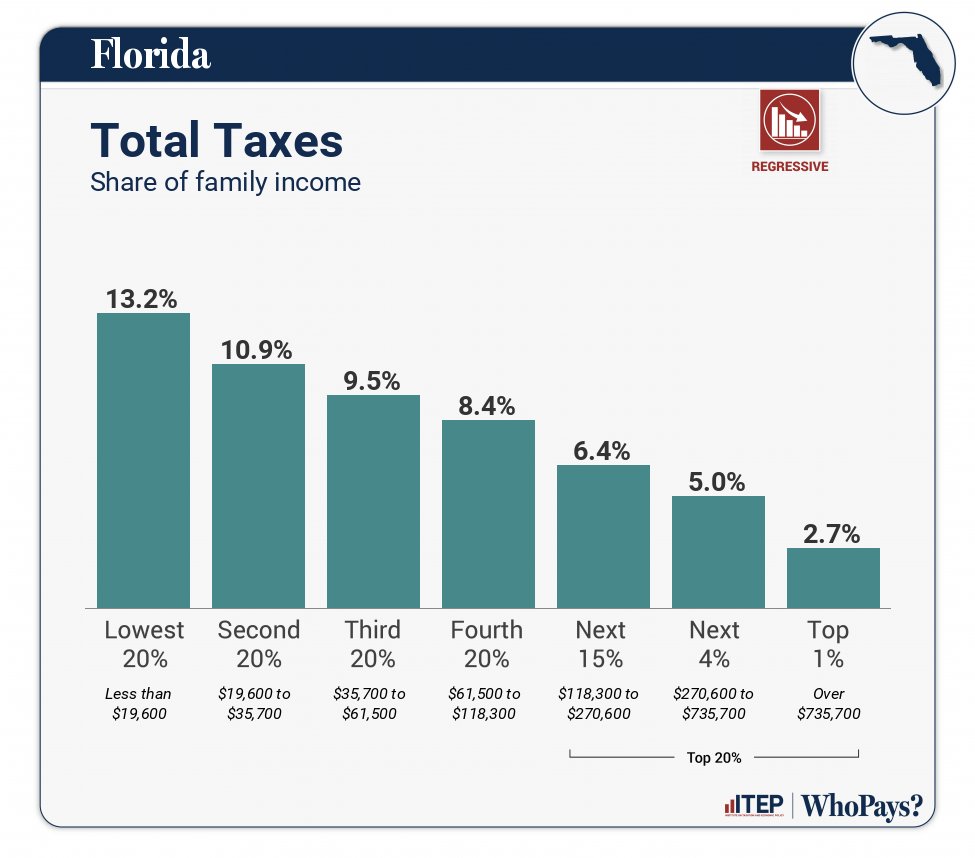
Planning a trip to the Sunshine State, whether for a luxury getaway, a family vacation, a crucial business trip, or an extended budget adventure, requires a comprehensive understanding of the financial landscape. Beyond airfare, accommodation, and activity costs, the various taxes imposed in Florida can significantly impact your overall budget. For every type of traveler, from those meticulously tracking every dollar to those seeking seamless experiences, knowing “what is Florida tax percentage” is a fundamental step in smart travel planning. This guide aims to demystify the state’s tax structure, providing insights into sales tax, tourist development taxes, and other levies that shape your financial commitments while enjoying all that Florida has to offer. Understanding these percentages allows you to budget more accurately, make informed decisions, and ultimately enhance your experience, ensuring your lifestyle choices align with your financial preparedness.
The Sunshine State’s Sales Tax: A Core Consideration for Every Visitor
The most ubiquitous tax you’ll encounter across Florida is the sales tax. This tax applies to the vast majority of goods and services purchased within the state and is a critical component of budgeting for any travel lifestyle. From picking up souvenirs to dining out, or renting a car, sales tax will be a consistent addition to your expenses.
Florida’s Statewide Sales Tax Rate
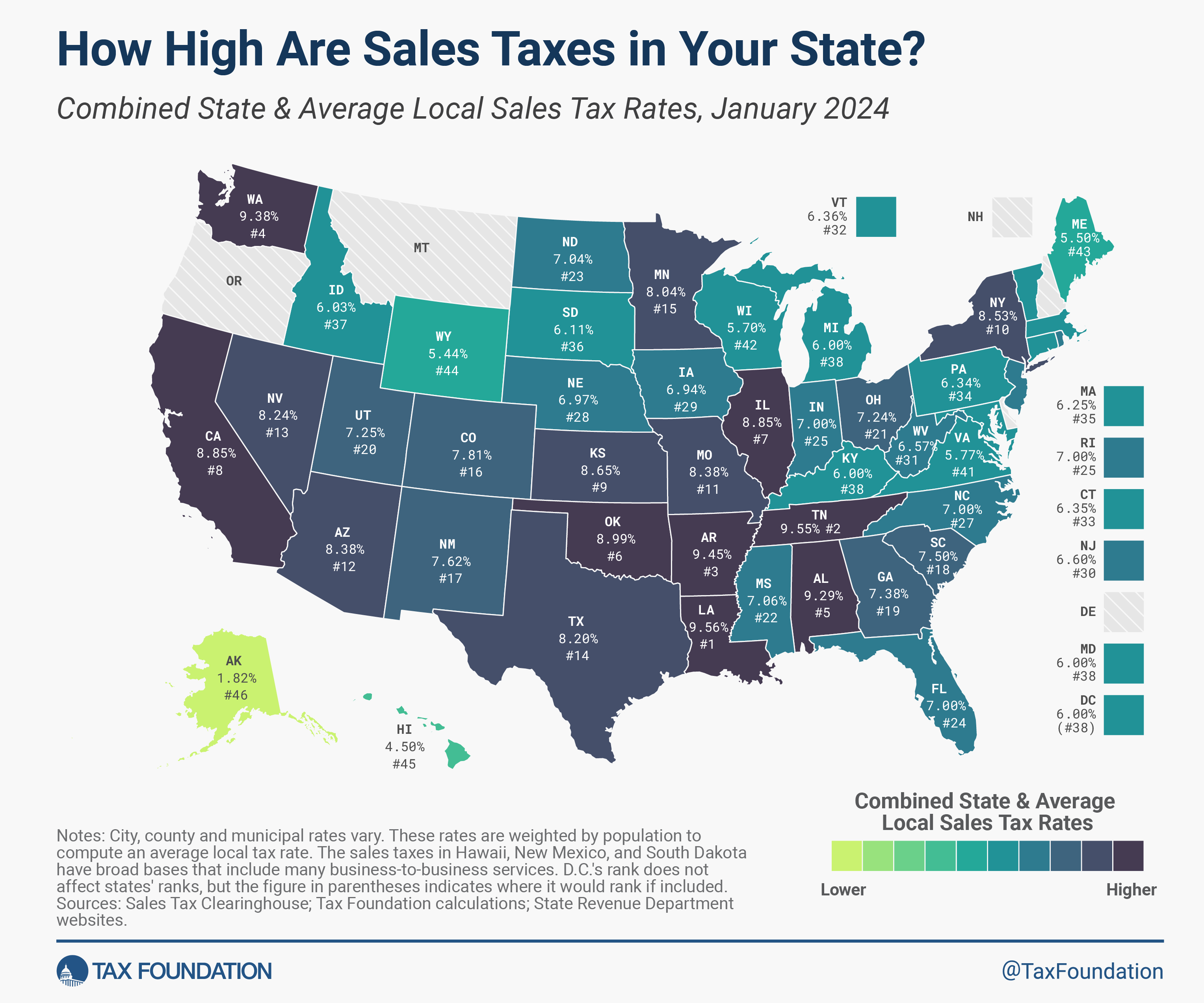
At the heart of Florida’s tax system is a 6% statewide sales tax. This rate is applied uniformly across all 67 counties on most retail sales, leases, and rentals of goods, as well as on certain services. For a budget traveler, this 6% can add up quickly on groceries (non-prepared foods are generally exempt, but prepared meals are not), entry fees to attractions, and everyday necessities. Luxury travelers, while perhaps less sensitive to minor price fluctuations, will see this 6% applied to high-value purchases like designer goods or premium services. Businesses conducting operations or purchasing supplies within the state will also factor this into their operational costs. It’s the baseline figure that all visitors should commit to memory.
Local Option Sales Surtaxes: Understanding County Variations
While the 6% statewide rate is constant, many counties in Florida levy an additional “local option sales surtax,” often referred to as a discretionary sales surtax. These surtaxes vary by county, ranging from 0.5% to as high as 2.5%, bringing the combined sales tax rate in some areas to 7.5% or even 8.5%. For instance, visitors to popular destinations like Miami-Dade County or Hillsborough County (home to Tampa) will typically face a combined sales tax rate higher than the state minimum.
This variation is particularly important for budget-conscious travelers and families. A difference of even 1-2% can accumulate significantly over the course of a week-long trip, especially when factoring in expenses like dining, shopping, and entertainment. Before arriving in a specific city like Orlando or Jacksonville, it’s prudent to quickly check the local surtax rate for that county. This allows for more precise budgeting and prevents any unwelcome surprises at the checkout. For business travelers, understanding these local variations is crucial when expensing purchases or managing project budgets across different regions of the state.
What Goods and Services Are Taxed?
The Florida sales tax applies broadly, but there are some notable exemptions and inclusions relevant to travelers:
- Taxable Goods: Almost all tangible personal property, including clothing, electronics, souvenirs, and most groceries (excluding unprepared food items), are subject to sales tax.
- Taxable Services: While most services are generally exempt from sales tax, there are specific taxable services relevant to visitors. These include commercial rentals of real property (like certain short-term event spaces for business), repairs of tangible personal property, and specific amusement services.
- Exemptions: Key exemptions that benefit visitors include most non-prepared food items (e.g., groceries bought at a supermarket to cook yourself), medical services, and certain educational materials. Public transportation services are also typically exempt.
Understanding these distinctions helps all travelers, especially those on a budget or families planning to cook some meals, optimize their spending. For business travelers, differentiating between taxable and non-taxable expenses is vital for accurate financial reporting and compliance.
Navigating Tourist Development Taxes: Accommodation and Beyond
Beyond the standard sales tax, Florida’s vibrant tourism industry often generates additional levies specifically aimed at visitors. These “tourist taxes” or “bed taxes” are a significant source of revenue for local governments, funding tourism promotion, infrastructure, and cultural initiatives.
The “Tourist Tax” on Short-Term Rentals and Hotels
One of the most significant taxes for any visitor, regardless of their travel style, is the Tourist Development Tax (TDT), also known as the “resort tax” or “bed tax.” This tax is applied to the rental of any living quarters or accommodations for a term of six months or less. This includes hotels, motels, resorts, vacation rentals (such as those found on popular booking platforms), and even campgrounds.
The TDT rate is set at the county level, typically ranging from 2% to 6% on top of the accommodation charge. This is in addition to the statewide sales tax and any local option surtaxes. For example, if you’re staying in Orlando (Orange County), you’ll likely pay the 6% state sales tax, a local option surtax (if applicable), AND the Orange County TDT. This can significantly increase the total cost of your stay, especially for luxury travelers opting for high-end resorts or business travelers booking extended stays in premier hotels. A family on a budget booking a vacation rental needs to factor this in precisely, as it can add hundreds of dollars to a week-long stay.
These funds are crucial for maintaining the attractiveness of tourist destinations. For example, the TDT collected in Orange County helps support major attractions like Walt Disney World Resort and the Orlando/Orange County Convention Center, benefiting all visitors by enhancing their experience. Similarly, the TDT in Monroe County supports tourism in the Florida Keys, including destinations like Key West.
How Tourist Development Taxes Fund Local Initiatives
The revenue generated from Tourist Development Taxes is earmarked specifically for activities that promote and enhance tourism. This includes:
- Tourism Promotion and Marketing: Funding campaigns to attract visitors to specific regions.
- Beach Renourishment and Maintenance: Protecting Florida’s vital coastal assets, like the iconic shores of Miami Beach and South Beach.
- Convention Center Expansion and Operation: Supporting venues that draw large business conferences and events, crucial for business travel.
- Cultural and Sports Facilities: Funding for museums, performing arts centers, and sports complexes, enriching the experience for all lifestyles.
- Infrastructure Improvements: Enhancing roads, public spaces, and other amenities vital for visitor movement and enjoyment.

Understanding these taxes means recognizing your direct contribution to maintaining the high quality and appeal of Florida’s destinations. For business travelers, this investment in convention centers and infrastructure directly benefits their corporate objectives. For families and luxury travelers, it ensures that attractions like Universal Studios Florida and natural wonders such as Everglades National Park remain well-maintained and accessible.
Beyond Accommodation: Other Tourist-Related Fees
While the TDT primarily focuses on accommodation, visitors might encounter other fees and taxes related to specific tourist activities:
- Rental Car Surcharges: Florida imposes a lease tax on motor vehicles, and rental car companies often pass on various fees and surcharges to customers. These can include a discretionary sales surtax on the rental amount, airport concession fees (if renting from an airport location), and other administrative fees. These are particularly relevant for independent and business travelers relying on rental cars for mobility.
- Specific Attraction Fees: While general admission tickets to attractions are subject to standard sales tax, some niche attractions or services might have additional local fees or assessments that contribute to specific local funds. Always check the fine print when booking tours, excursions, or special events.
These additional costs, while not strictly “tax percentages” in the same vein as sales or TDT, are part of the broader financial landscape that shapes a visitor’s budget. They are particularly relevant for budget travelers who need to account for every dollar, and for business travelers whose companies may have strict expense policies.
Less Common, But Still Relevant: Other Florida Taxes Affecting Lifestyle Choices
While sales and tourist taxes are the primary concerns for most short-term visitors, other taxes in Florida can influence specific lifestyle choices or longer stays.
Fuel Taxes: Driving Your Florida Experience
For anyone planning a road trip through Florida, from exploring the historic streets of St. Augustine to cruising down to Key West, fuel taxes are an unavoidable expense. Florida levies both state and local taxes on gasoline and diesel. The statewide fuel tax includes various components such as the motor fuel tax, local option fuel tax, and a gross receipts tax. These taxes contribute significantly to the maintenance and improvement of Florida’s extensive road network, benefiting all who travel by car. While these are included in the pump price, their impact on overall travel costs, especially for families or business travelers covering long distances, should not be underestimated. Higher fuel costs directly translate to a larger portion of the travel budget allocated to transportation.
Taxes on Recreational Activities and Entertainment
Many recreational activities and entertainment venues are subject to the standard sales tax. This includes admission to theme parks like Epcot or Busch Gardens Tampa Bay, tickets to concerts, sporting events, and entry to various museums and cultural institutions. However, specific types of activities might have additional local fees or assessments. For instance, boat rentals, guided fishing tours, or certain eco-tourism excursions might incorporate local impact fees. While these are often baked into the quoted price, understanding that they contribute to local conservation efforts or infrastructure can provide context. For luxury travelers, these might be minor additions to already significant expenses, but for budget travelers, factoring in these smaller percentages and fees for multiple activities can be critical.
Understanding Ad Valorem (Property) Taxes: For Snowbirds and Long-Term Visitors
For individuals considering an extended stay, purchasing a vacation home, or those who frequent Florida as “snowbirds,” understanding property taxes (ad valorem taxes) becomes relevant. Florida does not have a state property tax; rather, property taxes are levied at the local level by counties, municipalities, and special districts. These taxes are based on the assessed value of the property and fund local services like schools, police, and fire departments. While not a direct “tax percentage” for most short-term visitors, those exploring long-term rental options or considering buying property as an investment or retirement plan will find these taxes to be a significant ongoing cost. Various exemptions exist, such as the homestead exemption for permanent residents, which highlights the financial distinction between a visitor and a resident. This is a crucial consideration for those with a lifestyle that includes part-time residency or property ownership in the state.
Maximizing Your Budget: Strategies for Smart Spending in Florida
Navigating Florida’s tax landscape doesn’t have to be daunting. With a bit of foresight and strategic planning, all types of travelers can maximize their budgets and ensure a smoother, more enjoyable experience.
Researching Local Tax Rates Before You Go
The single most effective strategy is to do your homework. Before booking your accommodation or finalizing your itinerary, take a few minutes to research the specific sales surtax and Tourist Development Tax rates for the counties you plan to visit. Most county property appraiser or tax collector websites provide this information readily. Knowing that Collier County (home to Naples) might have a different combined rate than Miami-Dade County allows you to adjust your spending expectations accordingly. This proactive approach is particularly beneficial for budget travelers and families managing tight finances, as it prevents unexpected costs from derailing their plans. For business travelers, this research ensures accurate expense forecasting and compliance with company policies.
All-Inclusive Options and Package Deals
For some travel lifestyles, particularly family trips or luxury getaways, considering all-inclusive resorts or package deals can be a smart way to manage taxes. While taxes are still technically applied, they are often bundled into the overall price, offering a sense of predictable expenditure. These packages might include accommodation, meals, drinks, and sometimes even activities, making it easier to see the total cost upfront without constantly calculating additional percentages. While these options might appear more expensive initially, the convenience and financial transparency they offer can be a valuable trade-off, simplifying budgeting and reducing the mental load of tracking individual taxable items.
Tax-Free Shopping Considerations
Unlike some countries, Florida does not generally offer a VAT refund or specific “tax-free” shopping for international tourists on most goods. However, there are limited exceptions. Florida occasionally hosts “tax-free holidays” for specific items, such as back-to-school supplies, hurricane preparedness items, or energy-efficient appliances. While these are typically short-lived events and mainly benefit residents, a shrewd traveler might align their trip with such a holiday if planning specific purchases. Keeping an eye on the Florida Department of Revenue website for announcements can sometimes yield unexpected savings, particularly for families looking to purchase school-related items or other specific goods.
In conclusion, understanding “what is Florida tax percentage” is more than just knowing a number; it’s about gaining control over your travel budget and making informed lifestyle choices. From the standard sales tax that impacts every purchase to the specific tourist development taxes that fund the very attractions you come to enjoy, these levies are an integral part of your Florida experience. By being aware and planning ahead, every traveler—whether on a shoestring budget, a luxurious escapade, a family adventure, or a crucial business venture—can navigate the financial aspects of their trip with confidence, ensuring a delightful and predictable journey through the Sunshine State.
LifeOutOfTheBox is a participant in the Amazon Services LLC Associates Program, an affiliate advertising program designed to provide a means for sites to earn advertising fees by advertising and linking to Amazon.com. Amazon, the Amazon logo, AmazonSupply, and the AmazonSupply logo are trademarks of Amazon.com, Inc. or its affiliates. As an Amazon Associate we earn affiliate commissions from qualifying purchases.