
Florida, often dubbed the Sunshine State, evokes images of pristine beaches, swaying palm trees, and vibrant cultural hubs. But beneath the surface of this idyllic landscape lies a fundamental geographical characteristic that shapes nearly every aspect of its allure and challenges: its remarkably low elevation. For any traveler planning a visit, understanding Florida’s’s unique topographical profile isn’t just a matter of trivia; it’s key to appreciating its diverse ecosystems, planning memorable experiences, and understanding the very essence of its natural beauty.
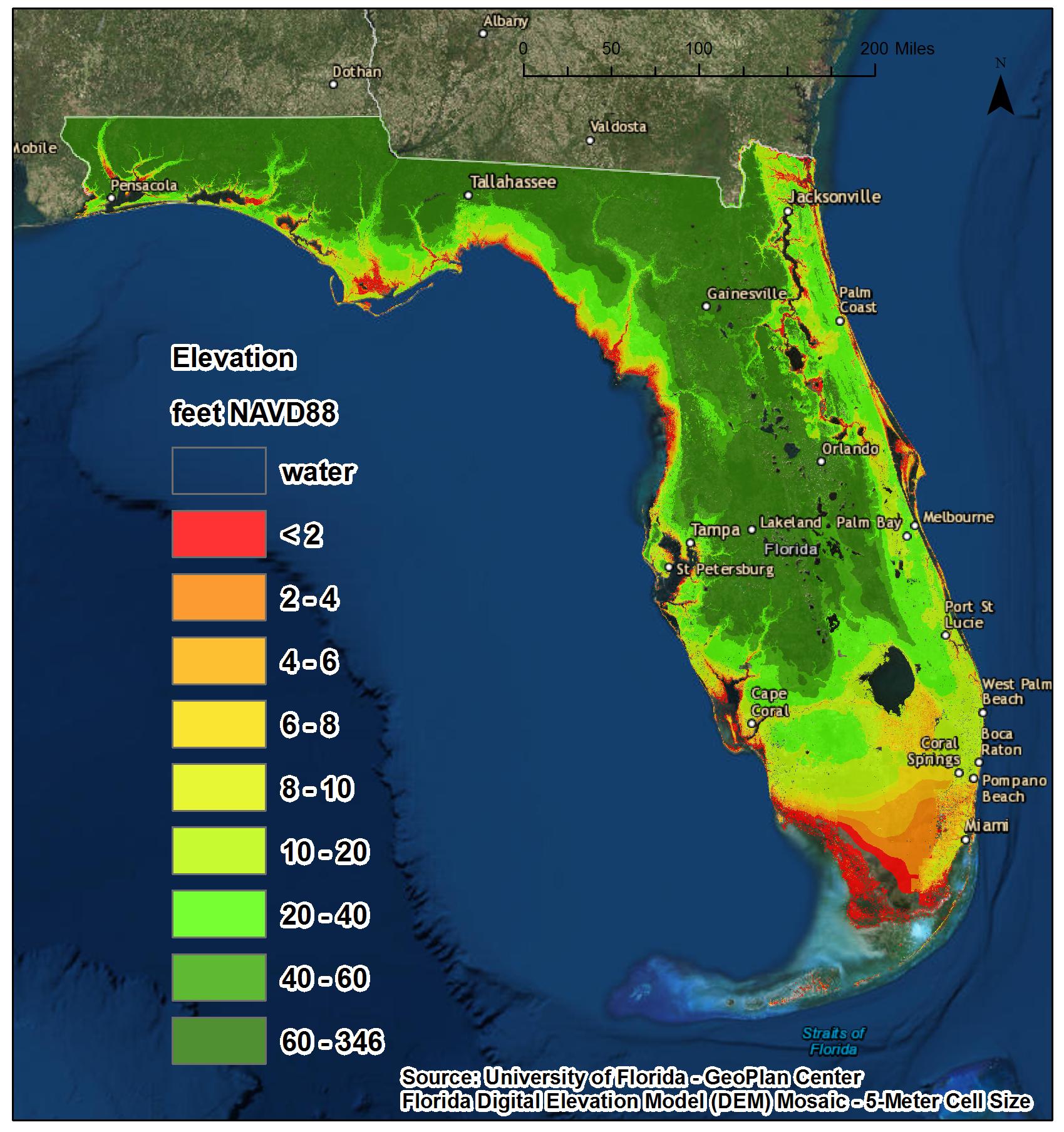
At its core, Florida is one of the flattest states in the United States. Much of the peninsula lies barely above sea level, a defining trait that has profound implications for its climate, hydrology, and, most importantly for the curious explorer, its distinctive travel opportunities. This low-lying nature means that the state’s geography is dominated by water—oceans, gulfs, lakes, rivers, and vast wetlands—creating an environment unlike almost anywhere else in the world.

Understanding Florida’s Unique Topography for Travelers
Florida’s’s elevation is not just a number; it’s a foundational element that defines its landscapes and the experiences it offers. For those accustomed to dramatic mountain ranges or rolling hills, the state’s “flatness” can be a surprising, yet ultimately captivating, characteristic.
The “Flatness” Factor: Why It Matters for Road Trips and Scenery
The pervasive flatness of Florida means travelers won’t find sweeping vistas from mountain peaks or winding roads clinging to precipices. Instead, the scenic beauty here is often subtle and horizontal, unfolding along coastlines, across expansive wetlands, or beneath canopies of ancient live oaks. This uniform terrain makes for incredibly easy and direct road trips, with smooth highways traversing picturesque rural areas, citrus groves, and coastal stretches without significant changes in grade.
For many, the lack of elevation creates a unique sense of open space, allowing the vast Florida sky to dominate the view, particularly at sunrise and sunset. Travelers might notice the distinct absence of deep valleys or high plateaus. This means that the charm of a Florida journey lies not in climbing but in exploring the horizontal expanse, revealing hidden coves, tranquil springs, and diverse natural habitats.
Highest and Lowest Points: Benchmarking the Extremes
While Florida is predominantly flat, it does have a highest point, albeit a modest one. Britton Hill, located in Lakewood Park in Walton County in the state’s panhandle, stands at a mere 345 feet (105 meters) above sea level. This makes it the lowest state high point in the United States – a quirky distinction that draws “highpointers” (people who aim to visit the highest point in every state) seeking a unique bragging right. While Britton Hill itself offers little in terms of dramatic scenery, it serves as a fascinating point of interest for those who appreciate geographical oddities and the subtle nuances of Florida’s terrain.
On the other end of the spectrum, Florida’s’s lowest points are, predictably, at sea level along its extensive coastline, bordering both the Atlantic Ocean and the Gulf of Mexico. This constant interface with the sea is the very foundation of Florida’s’s identity, defining its beaches, barrier islands, and the vulnerability of its coastal communities. For travelers, this means endless opportunities for coastal recreation, from sunbathing and swimming to fishing and boating, directly shaped by its minimal elevation.
Geological Formations: Karst Topography and Aquifers
Beneath Florida’s flat surface lies a fascinating geological story, primarily composed of porous limestone. This karst topography is crucial to understanding the state’s unique hydrology. Rainwater, slightly acidic, seeps through the limestone, dissolving it over millennia to create vast underground cave systems, sinkholes, and, most notably, the state’s abundant freshwater springs.
These geological features directly translate into unique travel experiences. The springs, fed by the massive Floridan Aquifer, are natural wonders offering crystal-clear waters perfect for swimming, snorkeling, diving, and tubing. Explorers can delve into the fascinating world of caverns and sinkholes, discovering the hidden depths beneath the seemingly flat land. This interplay between low elevation, porous rock, and a high water table is what gives Florida its characteristic hydrological landscape, offering adventures that are literally carved out of its geological foundation.
Travel Experiences Defined by Low Elevation
The low elevation of Florida isn’t just a geographical fact; it’s the invisible hand that sculpts every major travel experience and attraction the state has to offer. From its world-famous beaches to its mysterious wetlands, Florida’s topography is intrinsically linked to its tourism appeal.
The Allure of the Coastline: Beaches, Barrier Islands, and Water Sports
With approximately 1,350 miles of coastline, Florida’s low elevation ensures an unparalleled abundance of beaches and barrier islands. Cities like Miami, Naples, and Key West thrive precisely because they are at sea level, offering direct access to the Atlantic Ocean or the Gulf of Mexico. This creates a paradise for water sports enthusiasts. Travelers can enjoy everything from serene paddleboarding in calm bay waters to exhilarating surfing on ocean waves, or world-class snorkeling and diving among vibrant coral reefs and shipwrecks.
The endless stretch of sandy shores, created by centuries of ocean currents and minimal elevation changes, makes Florida a premier destination for beach vacations. Whether you’re seeking the vibrant energy of South Beach in Miami, the family-friendly shores of the Gulf Coast near Tampa, or the tranquil beauty of the Florida Keys, the very existence and character of these destinations are a direct consequence of Florida’s’s elevation.
Wetlands and Wildlife: The Everglades and Airboat Adventures
Perhaps the most iconic representation of Florida’s low elevation is the Everglades National Park. This vast wetland, often described as a “River of Grass,” is a slow-moving sheet of water barely a few feet deep, stretching across southern Florida. Its existence is entirely dependent on the region’s flat topography, which allows water to flow gently from Lake Okeechobee south towards the sea.
For travelers, the Everglades offers an unparalleled opportunity for wildlife viewing and eco-tourism. Airboat tours skim across the shallow waters, providing thrilling encounters with alligators, wading birds, and other unique species that thrive in this sensitive ecosystem. Kayaking and canoeing through mangrove tunnels offer a more intimate connection with nature. The Everglades is not just a park; it’s a testament to how low elevation can create an extraordinary and globally significant natural landmark, offering profound travel experiences for those seeking an immersive wildlife adventure.
Spring-Fed Wonders: Crystal-Clear Swimming and Diving
The unique karst topography and proximity to the Floridan Aquifer mean that Florida boasts the largest concentration of freshwater springs in the world. These natural oases, where ancient water bubbles up from underground, are among the state’s most cherished natural attractions. Because the land is so low, these springs emerge at or near the surface, forming crystal-clear pools and rivers that maintain a constant cool temperature year-round.
Travelers can visit iconic spots like Weeki Wachee Springs for its legendary mermaid shows, or dive into the pristine waters of Blue Spring State Park, a winter haven for manatees. These springs offer incredible opportunities for swimming, snorkeling, scuba diving, and tubing in an environment of unparalleled clarity and natural beauty. The sheer number and accessibility of these springs, allowing visitors to literally swim in an underground river that has surfaced, is a direct consequence of Florida’s’s low and porous elevation.
Navigating the Challenges and Opportunities
While low elevation gifts Florida with its signature beauty, it also presents unique challenges, particularly in the face of environmental changes. Understanding these aspects is crucial for responsible and informed travel.
Sea-Level Rise and Coastal Resilience: Implications for Future Travel
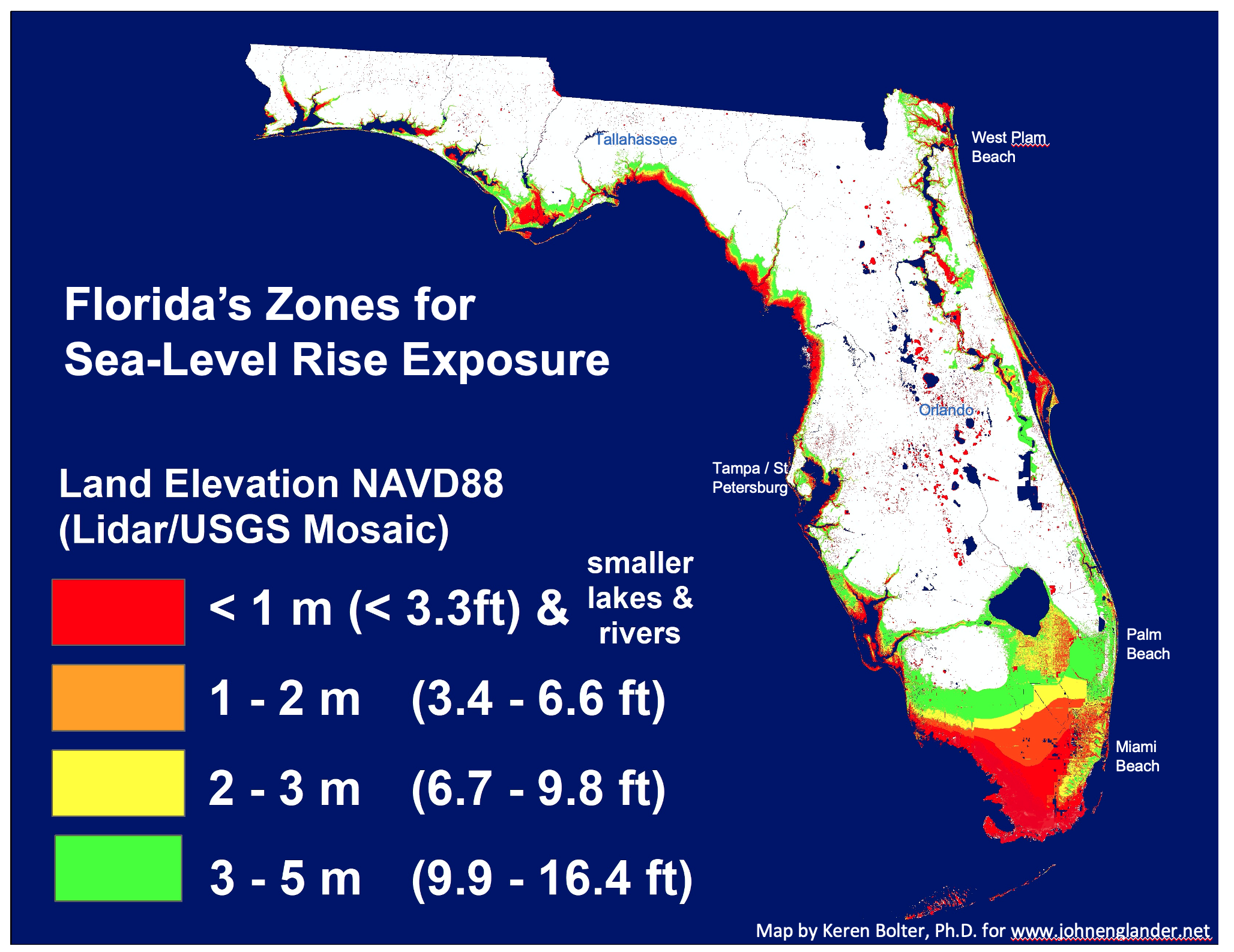
Florida’s’s low elevation makes it particularly vulnerable to the impacts of sea-level rise. This ongoing environmental challenge has significant implications for coastal communities, infrastructure, and, inevitably, tourism. For travelers, this awareness can foster a deeper appreciation for sustainable practices and environmental tourism. Many coastal cities, like Miami, are actively working on resilience projects, and learning about these efforts can add an insightful layer to a visit. Choosing eco-friendly accommodations and supporting businesses that prioritize conservation can contribute to the longevity of Florida’s’s natural attractions. Understanding these dynamics offers a chance to engage with the destination on a more profound level, beyond just leisure.
Hurricane Preparedness: Why Elevation Matters During Storm Season
The hurricane season, typically from June to November, is a reality of travel in Florida. The state’s low elevation means that storm surges, a primary danger during hurricanes, can penetrate far inland, especially in coastal areas. While travel during hurricane season can be perfectly safe with proper planning, it’s essential for visitors to be aware of local weather alerts and emergency procedures. Many popular tourist destinations have robust evacuation plans, and staying informed is key. Travel advisories and local news provide critical information that helps travelers make safe decisions, illustrating how elevation directly impacts safety considerations during specific times of the year.
Water Management and Recreation: Canals, Lakes, and Rivers
Due to its low and flat topography, Florida has an intricate system of natural and man-made waterways. Beyond the springs and the Everglades, countless lakes, rivers, and canals crisscross the state. This extensive network offers abundant opportunities for diverse water-based recreation, from leisurely pontoon boat cruises on Lake Okeechobee to adventurous kayaking along the Peace River or fishing in one of the many freshwater lakes. The necessity of managing water flow across a low-lying landscape has inadvertently created a paradise for anglers, boaters, and nature lovers seeking to explore Florida’s interior watery realms.
Planning Your Florida Journey: Elevation in Mind
For the discerning traveler, understanding Florida’s’s elevation profile can significantly enhance trip planning and enrich the overall experience.
Choosing Your Destination: How Elevation Influences Vacation Type
The low elevation directly influences the type of vacation Florida offers. If you seek mountain climbing or alpine vistas, Florida is not your destination. However, if your ideal trip involves pristine beaches, tranquil waterways, unique wildlife encounters, or exploring natural springs, then Florida’s’s elevation is precisely what makes these experiences possible. From the urban excitement of Orlando, surrounded by lakes and wetlands, to the historical charm of St. Augustine on the Atlantic coast, each destination leverages its low-lying position to offer distinct attractions. Consider whether you want an ocean-centric vacation, a serene spring-fed adventure, or an exploration of the vast Everglades when making your choice.
Activities and Gear: What to Pack and What to Expect
Knowing Florida’s’s elevation helps in packing and preparing for activities. Instead of heavy hiking boots for rugged terrain, travelers will find water shoes, swimwear, light clothing, and sun protection to be essential. Activities will revolve around water—swimming, snorkeling, boating, kayaking, or simply lounging on the beach. Expect flat trails for walking and biking, not steep climbs. The focus shifts from vertical exploration to horizontal immersion, allowing travelers to fully engage with Florida’s’s extensive coastlines, interconnected waterways, and lush, low-lying landscapes.
Unique Perspectives: Appreciating Florida’s Flat Beauty
Ultimately, the elevation of Florida offers a unique perspective on natural beauty. It’s a beauty defined by vast horizons, expansive skies, and the shimmering interplay of land and water. Travelers who approach Florida with an understanding of its geographical foundation will unlock a deeper appreciation for its singular charm. The state’s flat terrain has carved out a niche for an entirely different kind of adventure, one that emphasizes the richness of its aquatic environments and the subtle grandeur of its verdant lowlands.
In conclusion, while Florida may not boast towering mountains or dramatic elevation changes, its remarkably low profile is not a limitation but rather its defining characteristic and greatest asset for travelers. This unique geography has created a paradise of endless coastlines, vibrant wetlands, and refreshing springs, all contributing to a rich tapestry of travel experiences. Understanding “What Is The Elevation Of Florida?” is to understand the very heart of the Sunshine State and why it remains a beloved destination for millions seeking sun-drenched adventures and unparalleled natural wonders.
LifeOutOfTheBox is a participant in the Amazon Services LLC Associates Program, an affiliate advertising program designed to provide a means for sites to earn advertising fees by advertising and linking to Amazon.com. Amazon, the Amazon logo, AmazonSupply, and the AmazonSupply logo are trademarks of Amazon.com, Inc. or its affiliates. As an Amazon Associate we earn affiliate commissions from qualifying purchases.