
The vibrant tapestry of Florida’s natural heritage is woven with countless captivating elements, from its sun-drenched beaches to its enigmatic wetlands. Among these, certain features stand out as quintessential symbols, embodying the state’s unique character. For many, the question “What is the Florida bird?” might seem simple, yet its answer unveils a creature as complex, charismatic, and deeply ingrained in the region’s identity as the state itself. The official state bird of Florida, a revered natural landmark, is none other than the Northern Mockingbird (Mimus polyglottos). This unassuming yet extraordinary avian species has held its symbolic status since 1927, a testament to its pervasive presence and remarkable attributes across the Sunshine State.

The Northern Mockingbird is far more than just another bird; it is a vocal maestro, an adaptable survivor, and a constant companion in nearly every corner of Florida. Its very name, “polyglottos,” derived from Greek, means “many-tongued,” a fitting descriptor for a bird renowned for its extraordinary ability to mimic a vast array of sounds. From the calls of other birds to the chirping of insects, the croaking of frogs, and even mechanical noises, the Northern Mockingbird orchestrates an intricate symphony that often mesmerizes and occasionally confuses its human listeners. Its significance as a natural landmark of Florida is not just in its official designation, but in its daily performance that connects residents and visitors alike to the wild, vibrant heart of the state.
The Northern Mockingbird: Florida’s Master Vocalist
The selection of the Northern Mockingbird as Florida’s state bird was not arbitrary. It speaks to a deep appreciation for its unique vocal talents and its widespread presence. This bird is arguably one of the most recognizable and frequently heard species across the United States, particularly in the southeastern states.
Origins of a State Symbol
The journey to becoming Florida’s official bird began with recognition of its pervasive nature and distinctive song. In 1927, the Florida legislature formally adopted the Northern Mockingbird as its state bird, joining a chorus of five other southern states—Arkansas, Mississippi, Tennessee, Texas, and Virginia—that also honor this remarkable species. This shared designation underscores the bird’s cultural and ecological significance throughout the American South. The decision reflected a desire to choose a bird that was not only beautiful but also representative of the state’s character—vibrant, adaptable, and full of life. Its continuous presence in yards, parks, and natural landscapes across Florida makes it an accessible and cherished symbol for all.
Master Mimicry: A Dynamic Repertoire
The defining characteristic of the Northern Mockingbird is its unparalleled ability to mimic. Unlike many other bird species with a fixed set of calls, the mockingbird possesses an expansive and ever-evolving vocal repertoire. An individual bird can learn and reproduce the songs and calls of dozens, sometimes even hundreds, of other bird species. Beyond avian sounds, they are known to imitate insects, amphibians, and even mechanical noises, such as car alarms or squeaky gates. This mimicry is not just for show; it serves various ecological purposes, including attracting mates, deterring predators, and establishing territory. Male mockingbirds, in particular, are known for their prolonged and complex songs, especially during mating season, often singing late into the night. Their nocturnal serenades, delivered from high perches, can be a captivating if sometimes startling, experience for those unfamiliar with their habits. The sheer volume and variety of their calls make the Northern Mockingbird an auditory marvel, transforming everyday soundscapes into dynamic concerts.
Distinctive Features and Appearance
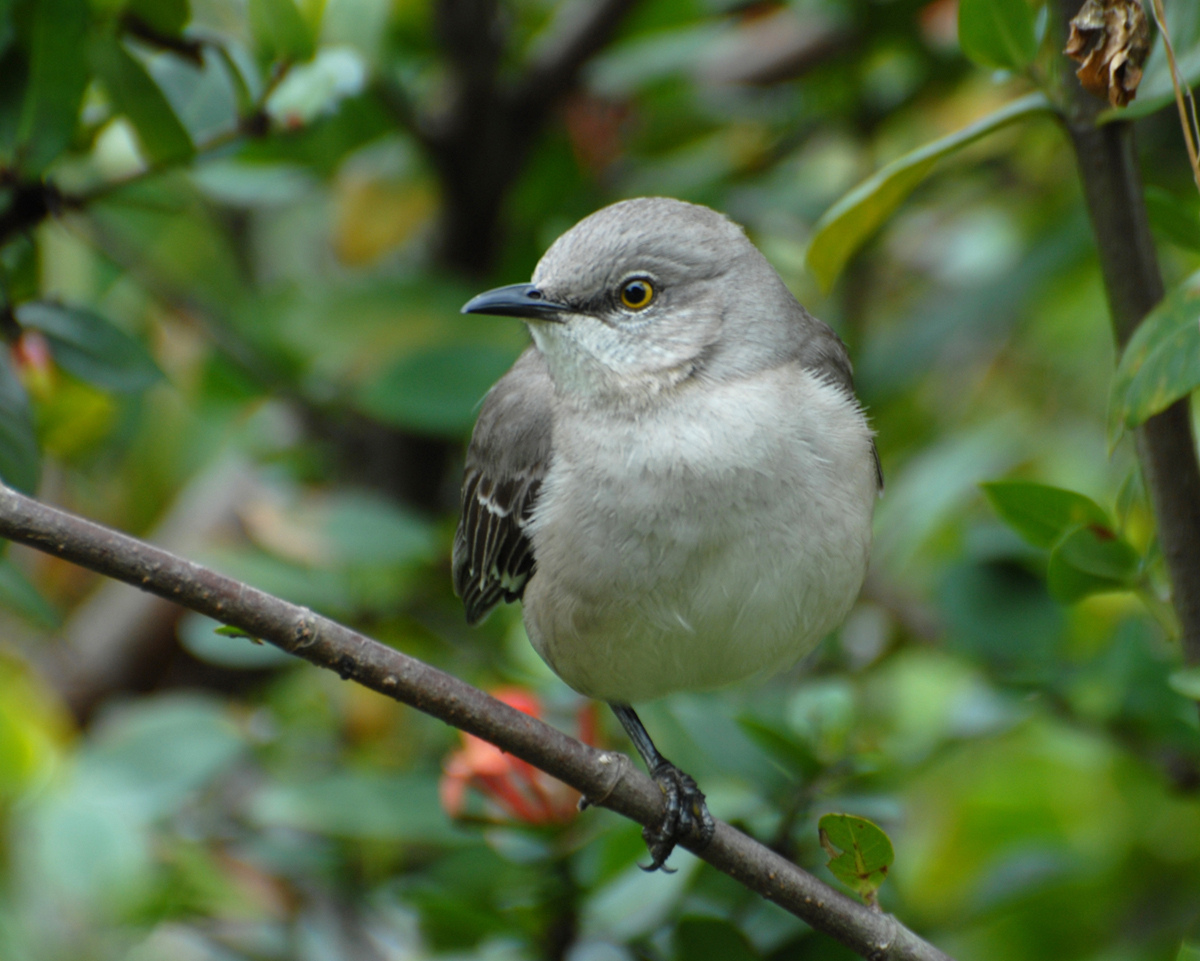
While their vocal prowess is legendary, Northern Mockingbirds also possess a distinct physical appearance that makes them recognizable. They are medium-sized songbirds, typically measuring about 9-11 inches (23-28 cm) in length, with a wingspan of about 12-15 inches (30-38 cm). Their plumage is generally gray-brown on the upperparts and paler gray to whitish on the underparts. What truly sets them apart visually are the prominent white patches on their wings, which are strikingly visible during flight or when the wings are spread. These white patches, along with their long tail, contribute to an elegant and agile appearance. Their eyes are typically pale yellow, and their slender bill is slightly downcurved. Both male and female mockingbirds look similar, though males tend to be slightly larger and more prolific singers. Their sleek, streamlined bodies and long tails aid in their characteristic undulating flight pattern, often seen flitting between perches or across open spaces.
Ecological Significance and Habitat
The Northern Mockingbird’s role extends beyond its symbolic status; it is an integral part of Florida’s diverse ecosystems. Its adaptability and foraging habits make it a key player in seed dispersal and insect control, contributing to the health and balance of its habitats.
Where to Find the Northern Mockingbird
One of the reasons the Northern Mockingbird became Florida’s state bird is its ubiquitous presence. These birds are year-round residents throughout the entire state, thriving in an astonishing variety of environments. They are common in suburban backyards, urban parks, agricultural lands, open woodlands, and even coastal scrub. Their preference is for open or semi-open areas with scattered trees and shrubs, which provide both nesting sites and ample foraging opportunities. Unlike some shy, reclusive species, mockingbirds are often seen boldly perched on prominent spots—treetops, utility wires, fence posts—from which they survey their territory and deliver their impressive vocal performances. This accessibility makes them a familiar sight and sound to anyone exploring Florida, whether in bustling cities like Miami and Orlando or in more tranquil rural settings.
Role in the Ecosystem
The Northern Mockingbird plays several important roles within its ecosystem. Their diet is varied, shifting seasonally between insects and fruits. During the warmer months, insects like grasshoppers, beetles, ants, and wasps form a significant part of their diet, making them natural pest controllers. As seasons change and berries ripen, they consume a wide array of fruits, including those from dogwood, elderberry, pokeweed, and various ornamental shrubs. By consuming fruits, they aid in seed dispersal, helping to propagate plant species across the landscape. They are also known for their territorial defense, vigorously chasing off larger birds, cats, or other potential threats to their nests. This protective behavior, sometimes directed at humans who venture too close, highlights their feisty nature and commitment to their offspring. Mockingbirds typically build cup-shaped nests in dense shrubs or low trees, often reusing nesting materials from previous seasons. They typically raise multiple broods per year in Florida’s favorable climate.

Adaptability and Urban Environments
The Northern Mockingbird’s success as a species is largely attributed to its remarkable adaptability. It is one of the few native bird species that has not only tolerated but often thrived in human-altered landscapes. Urban and suburban areas, with their mix of cultivated gardens, lawns, and ornamental trees, provide an ideal mosaic of resources: abundant insects, a variety of fruit-bearing plants, and suitable nesting sites. This adaptability is partly why they are so commonly encountered. Their presence in cities like Jacksonville or Tampa is a constant reminder of the wild beauty that persists amidst urban development, making them living landmarks that connect concrete jungles with their natural roots.
Observing Florida’s Feathered Landmark
For visitors and residents eager to connect with Florida’s natural world, observing the Northern Mockingbird is an accessible and rewarding experience. Its widespread distribution and conspicuous behavior make it an ideal subject for amateur birdwatchers and nature enthusiasts.
Best Practices for Birdwatching
Observing Northern Mockingbirds requires little effort beyond stepping outside in Florida. To fully appreciate them, however, a few tips can enhance the experience:
- Listen Actively: Pay attention to the varied calls. Can you identify the mimicry? Listen for repeated phrases, often in sets of two or three.
- Look Up: Mockingbirds frequently perch on high, exposed branches, utility lines, or antenna to sing and survey their territory.
- Be Patient: While often bold, approaching them too quickly can scare them away. Use binoculars for a closer look without disturbance.
- Observe Behavior: Watch their characteristic tail-cocking movements and wing-flashing display, often used to startle insects or defend territory.
- Time of Day: While active throughout the day, early morning and late evening, particularly during breeding season, offer the best chances to hear their extended songs.
Florida’s Birding Trails and Hotspots
While mockingbirds are found everywhere, dedicated birding trails and nature preserves offer richer opportunities to observe them alongside a vast array of other Florida birdlife. Locations such as the Great Florida Birding and Wildlife Trail provide excellent resources. Specific natural landmarks and parks, like Everglades National Park, Corkscrew Swamp Sanctuary, or even local botanical gardens and state parks (such as Wakulla Springs State Park near Tallahassee or Myakka River State Park near Sarasota), offer prime habitats where mockingbirds are guaranteed sightings. These locations often feature interpretive signage and well-maintained trails, allowing for immersive and educational experiences with Florida’s avian residents.
The Northern Mockingbird in Culture and Conservation
The Northern Mockingbird’s prominence in Florida extends beyond its biological facts, permeating the cultural landscape and underscoring broader conservation efforts.
Cultural Impact Across the South
The mockingbird holds a significant place in the cultural fabric of the Southern United States. Its iconic song and tenacious spirit have inspired countless literary works, folk songs, and regional lore. Perhaps most famously, it is immortalized in Harper Lee’s classic novel, “To Kill a Mockingbird,” where it symbolizes innocence and harmlessness, making it a moral touchstone. The phrase “it’s a sin to kill a mockingbird” has become a cultural idiom, reflecting the bird’s cherished status. In music, its lively melodies and mimicry have been echoed in various genres, from blues to country, symbolizing freedom, nature, and sometimes even playful mischief. This bird is not just a biological entity; it’s a character in the ongoing narrative of the South, including Florida.
Conservation Status and Efforts
Fortunately, the Northern Mockingbird is currently listed as a species of “Least Concern” by the International Union for Conservation of Nature (IUCN). Its population is stable, and its adaptability to varied habitats has allowed it to thrive even in the face of human expansion. However, no species is immune to environmental pressures. Habitat fragmentation, pesticide use, and climate change remain potential long-term threats. Organizations like Audubon Florida and other local conservation groups actively work to protect bird habitats and educate the public on bird-friendly practices. These efforts, while not specifically targeting the ubiquitous mockingbird, benefit all avian species by preserving critical ecosystems and promoting responsible land stewardship.
Protecting Florida’s Natural Heritage
The Northern Mockingbird serves as a gentle reminder of the importance of preserving Florida’s rich natural heritage. While it is a common bird, its presence signifies a healthy and balanced local ecosystem. Protecting the varied habitats that allow mockingbirds to thrive—from backyard gardens to expansive state parks—contributes to the well-being of countless other species, from pollinators to larger predators. It underscores the interconnectedness of all living things and the enduring value of natural landmarks, whether they are grand geological formations or a small, grey bird with an extraordinary voice.
In conclusion, the answer to “What is the Florida bird?” is the Northern Mockingbird—a true natural landmark. It is a creature of remarkable talent and resilience, whose melodious calls and tenacious spirit embody the vibrant and diverse character of the Sunshine State. From its widespread presence in every backyard to its deep roots in Southern culture, the mockingbird stands as a living symbol, continuously weaving itself into the daily lives and natural landscapes of Florida. Its status is a testament not just to its individual charm, but to its profound connection to the ecological and cultural identity of this unique corner of the United States.
LifeOutOfTheBox is a participant in the Amazon Services LLC Associates Program, an affiliate advertising program designed to provide a means for sites to earn advertising fees by advertising and linking to Amazon.com. Amazon, the Amazon logo, AmazonSupply, and the AmazonSupply logo are trademarks of Amazon.com, Inc. or its affiliates. As an Amazon Associate we earn affiliate commissions from qualifying purchases.