
Understanding the tax landscape of any state is fundamental for effective financial planning, whether you’re considering a move, investing, or simply planning a vacation. Florida, often celebrated for its vibrant lifestyle, stunning beaches, and lack of a state income tax, presents a unique and sometimes complex tax structure. For both residents and visitors, gaining clarity on these rates is crucial for budgeting, managing expenses, and truly embracing the “Sunshine State” lifestyle. This article delves into the various tax rates you’ll encounter in Florida, highlighting their impact on daily living, travel, and long-term financial decisions.
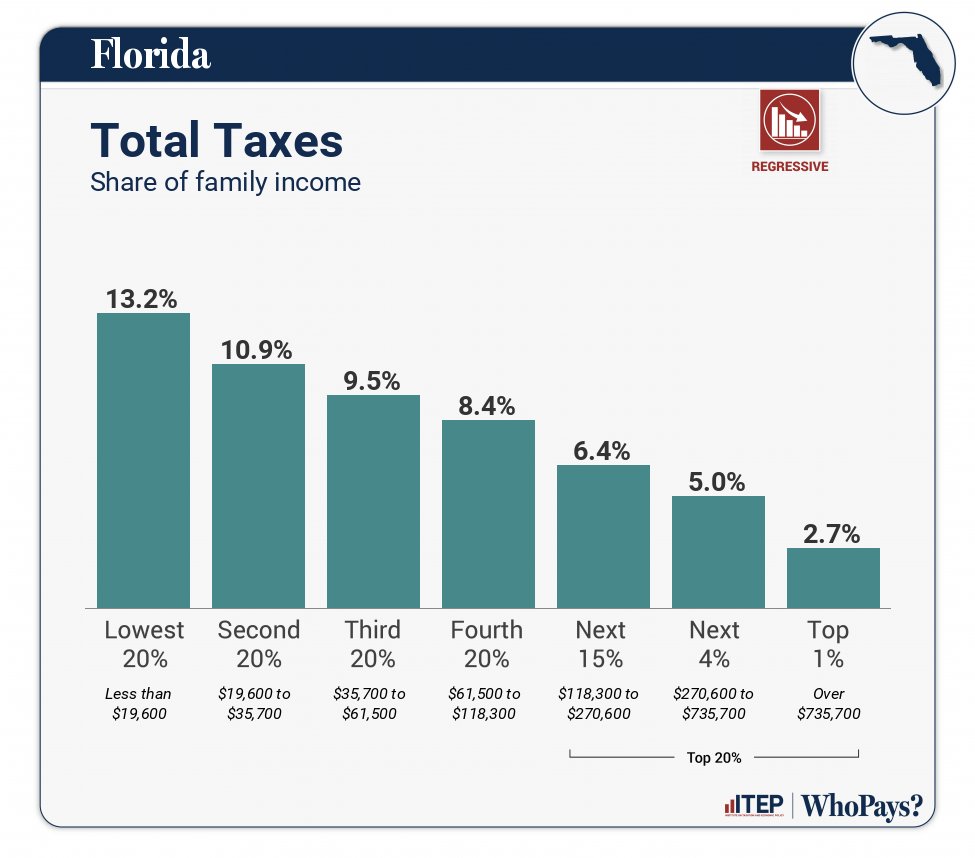
Understanding Florida’s Sales Tax
The sales tax is arguably the most common tax encountered by both residents and tourists in Florida. It’s a significant component of the state’s revenue and directly impacts the cost of goods and many services.
The Standard Rate and What It Applies To
Florida levies a statewide sales tax rate of 6%. This rate applies to the sale of most tangible personal property and various services, including repairs, rentals, and certain admission fees. When you purchase items like clothing, electronics, restaurant meals, or gasoline, this 6% tax is added to the price. However, certain necessities are exempt, most notably groceries (unprepared food) and prescription medications. This exemption for essential food items helps to mitigate the impact on lower-income households and is a common feature in many state tax systems. Understanding these exemptions can be key for budget-conscious consumers looking to optimize their spending.
Local Sales Surtaxes: A County-by-County Variation
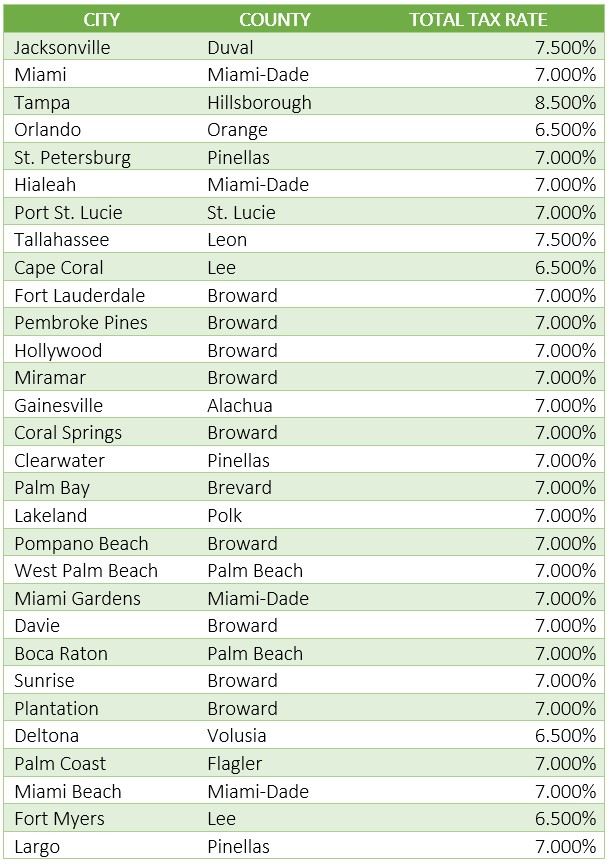
While the statewide rate is 6%, the effective sales tax rate you pay in Florida can be higher due to local sales surtaxes, also known as discretionary sales surtaxes. These surtaxes are imposed by individual counties and are added on top of the state’s 6%. The revenue generated from these local surtaxes typically funds specific county-level projects, such as infrastructure improvements, public transportation, or school systems.
This means that the total sales tax rate can vary significantly from one county to another, ranging from 6% in counties with no surtax to as high as 8% or even 8.5% in some areas. For example, Miami-Dade County and Hillsborough County often have higher combined sales tax rates due to these surtaxes. For residents, this directly impacts their everyday cost of living, while for travelers, it can affect the total cost of souvenirs, dining out, and other purchases made during their stay. It’s always advisable to check the specific sales tax rate for the county you are visiting or considering for residency to get an accurate picture of the local tax burden.
Impact on Your Lifestyle and Budget
For those embracing the Florida lifestyle, whether as a permanent resident or a frequent visitor, sales tax permeates most transactions. For budget travelers, understanding these rates is crucial for estimating daily expenses. A meal costing $20 will become $21.20 in a 6% tax county and potentially $21.60 in an 8% tax county. While seemingly small on individual purchases, these additions accumulate, especially during longer stays or for those making significant purchases like furniture or electronics. For residents, the sales tax is a constant consideration in their monthly budgeting, from household goods to entertainment.
Florida’s Unique Tourist Taxes: Accommodation and More
Beyond the general sales tax, Florida’s strong tourism industry benefits from specific taxes designed to capture revenue from visitors and funnel it back into tourism-related initiatives. These are particularly important for anyone planning a trip or considering investing in short-term rental properties.
The Discretionary Sales Surtax and Tourist Development Tax (TDT)
One of the most significant taxes affecting tourists is the Tourist Development Tax (TDT), often referred to as the “bed tax” or “resort tax.” This is a local option tax levied by counties on transient rentals, which includes hotel rooms, motel rooms, vacation rentals, and other short-term accommodations rented for six months or less. The TDT is imposed on the same transactions as the state sales tax but is collected separately and in addition to it.
The rate of the TDT varies by county, typically ranging from 1% to 6%. The funds generated by the TDT are earmarked specifically for tourism-related expenditures, such as promoting tourism, funding convention centers, supporting cultural facilities, and maintaining beaches. This means that when you book a hotel room in a popular destination like Orlando or Miami Beach, you will pay the statewide 6% sales tax, plus any local sales surtax, and the county’s TDT rate. This stacked tax structure can significantly increase the total cost of your accommodation.
How TDT Affects Your Travel Budget
For travelers, especially those on a budget or planning extended stays, the TDT can represent a substantial additional cost. A $100 per night hotel room could easily become $112-$115 per night once the 6% state sales tax, local surtax (if any), and a 4-6% TDT are applied. Over a week-long vacation, these surcharges can add hundreds of dollars to the total accommodation bill. It is crucial for visitors to factor these taxes into their travel budget calculations when comparing hotel prices or evaluating the cost-effectiveness of different rental options. Understanding that the advertised room rate might not be the final price helps prevent sticker shock upon checkout.
Beyond Accommodation: Other Tourist-Related Taxes
While the TDT is the most prominent tourist tax, visitors might encounter other taxes that indirectly impact their travel budget. For instance, car rental agencies often have various fees and taxes applied to rentals, some of which are specific to the industry or location. These can include state sales tax, local surtaxes, and specific surcharges that contribute to local transportation infrastructure or tourism initiatives. While not always labeled as “tourist taxes,” their primary impact is on visitors and business travelers utilizing these services.
The Absence of a State Income Tax: A Key Lifestyle Advantage
Perhaps the most significant and attractive feature of Florida’s tax structure, especially for residents and those considering relocation, is the absence of a state income tax. This policy stands in stark contrast to many other U.S. states and profoundly impacts the personal finances and lifestyle of Floridians.

A Major Draw for Residents and Businesses
Florida is one of a handful of states that do not impose a state income tax on individual wages or business profits. This means that residents get to keep a larger portion of their earnings compared to those living in states with high income tax rates. This financial advantage is a primary motivator for many individuals and businesses to relocate to the Sunshine State. For retirees, this translates into their pensions, Social Security benefits, and other retirement income not being subject to state income tax, making Florida a particularly popular destination for retirement planning. Similarly, businesses benefit from lower operating costs, which can encourage economic growth and job creation within the state.
Balancing Act: How Florida Funds Public Services
Without a state income tax, Florida relies heavily on other revenue streams to fund its public services, infrastructure, and governmental operations. The primary sources of state revenue include the sales tax (discussed above), corporate income tax (though this is relatively low compared to other states), and various excise taxes (e.g., on gasoline, tobacco, and alcohol). The state also benefits significantly from tourism-related taxes and fees. This diversified approach aims to maintain a stable financial foundation while offering residents the benefit of no state income tax. The balance means that while residents save on income tax, they may pay higher property taxes or sales taxes compared to some other states.
Financial Planning and Quality of Life
The absence of state income tax offers substantial benefits for personal financial planning. It allows residents greater flexibility in managing their income, saving for the future, or enjoying a higher disposable income to support their chosen lifestyle. For families, this can mean more funds for education or recreation. For entrepreneurs, it can mean more capital for investment in their businesses. This unique tax advantage is a core reason why many choose to call Florida home, directly contributing to the state’s reputation for offering an attractive quality of life, especially for those seeking financial freedom.
Property Taxes in the Sunshine State
For homeowners and real estate investors, property taxes are another critical component of the Florida tax landscape. These taxes are locally assessed and play a vital role in funding county and municipal services.
Local Funding and Property Valuations
Unlike sales and tourist taxes, which have a strong state component, property taxes in Florida are almost entirely local. They are levied by counties, cities, school districts, and other special districts (e.g., water management, fire rescue) to fund local services such as public schools, law enforcement, roads, and parks. Property taxes are assessed based on the value of the property, as determined by the county property appraiser. Each taxing authority sets its own “millage rate” (tax rate per $1,000 of assessed value), and these rates vary significantly from one jurisdiction to another. Consequently, the property tax burden can differ widely even between neighboring communities.
Homestead Exemptions and Save Our Homes Act
To provide some relief to permanent residents, Florida offers several property tax exemptions, most notably the Homestead Exemption. This exemption reduces the taxable value of a primary residence by up to $50,000, significantly lowering the property tax bill for qualified homeowners. Furthermore, Florida’s “Save Our Homes” Act provides crucial protection for homesteaded properties. This act limits the annual increase in the assessed value of a primary residence to 3% or the Consumer Price Index (CPI), whichever is lower, regardless of how much the market value increases. This cap helps shield long-term residents from sudden, drastic increases in their property tax bills, making homeownership more stable and predictable. These provisions are significant for individuals and families considering a permanent lifestyle change in Florida.
Impact on Homeownership and Investment
For homeowners, property taxes are a recurring annual expense that must be factored into their budget. The variability of millage rates and property values means that understanding the local tax environment is paramount before purchasing real estate. For real estate investors, especially those considering rental properties, property taxes are a major operating expense that impacts profitability. While homestead exemptions benefit owner-occupants, investment properties typically do not qualify for the same level of relief, making the effective tax rate higher for investors.
Navigating Florida’s Tax Landscape for a Better Lifestyle
Understanding Florida’s diverse tax rates is not just a matter of compliance; it’s an essential tool for effective financial planning and enjoying the state’s many offerings to the fullest.
Tips for Budgeting and Financial Planning
Whether you are a visitor or a resident, accurate budgeting is key. For travelers, always inquire about the total cost of accommodation, including all applicable sales taxes and tourist development taxes. When dining out or making purchases, be mindful of the local sales tax rate, especially in popular tourist destinations where surtaxes might apply. For residents, factor in property taxes, varying sales tax rates for major purchases, and the lack of state income tax into your long-term financial planning, particularly when comparing your overall tax burden to other states.
Researching Local Tax Rates
Given the significant variations in local sales surtaxes and property tax millage rates, generalized statements about Florida’s tax rates can be misleading. Always research the specific rates for the county or city you are interested in. County property appraiser websites and county tax collector offices are excellent resources for accurate, up-to-date information on local tax rates.
The Overall Financial Picture of Florida Living
Florida’s tax structure, characterized by no state income tax but reliance on sales and property taxes, creates a unique financial environment. For many, the substantial savings from not paying state income tax significantly outweigh the costs incurred through sales and property taxes, particularly for retirees and high-income earners. This balance contributes to Florida’s reputation as a financially attractive state, allowing individuals to maintain a desirable lifestyle and maximize their financial resources.
In conclusion, while Florida doesn’t have a state income tax, its sales and property tax rates, coupled with specific tourist taxes, form a comprehensive system that impacts everyone. By thoroughly understanding these various rates, both residents and visitors can make informed financial decisions, ensure accurate budgeting, and truly embrace the vibrant and financially advantageous lifestyle that the Sunshine State offers.
LifeOutOfTheBox is a participant in the Amazon Services LLC Associates Program, an affiliate advertising program designed to provide a means for sites to earn advertising fees by advertising and linking to Amazon.com. Amazon, the Amazon logo, AmazonSupply, and the AmazonSupply logo are trademarks of Amazon.com, Inc. or its affiliates. As an Amazon Associate we earn affiliate commissions from qualifying purchases.