
Florida’s legal landscape concerning abortion has undergone significant shifts, most notably with the implementation of a law restricting access to the procedure. This legislative change has far-reaching implications for individuals seeking reproductive healthcare within the state and has sparked considerable discussion regarding its impact on travel, particularly for those needing to access services not available locally. Understanding the nuances of this new law is crucial for anyone planning a trip to or within Florida, especially concerning personal health decisions.
The Genesis of Florida’s New Abortion Law
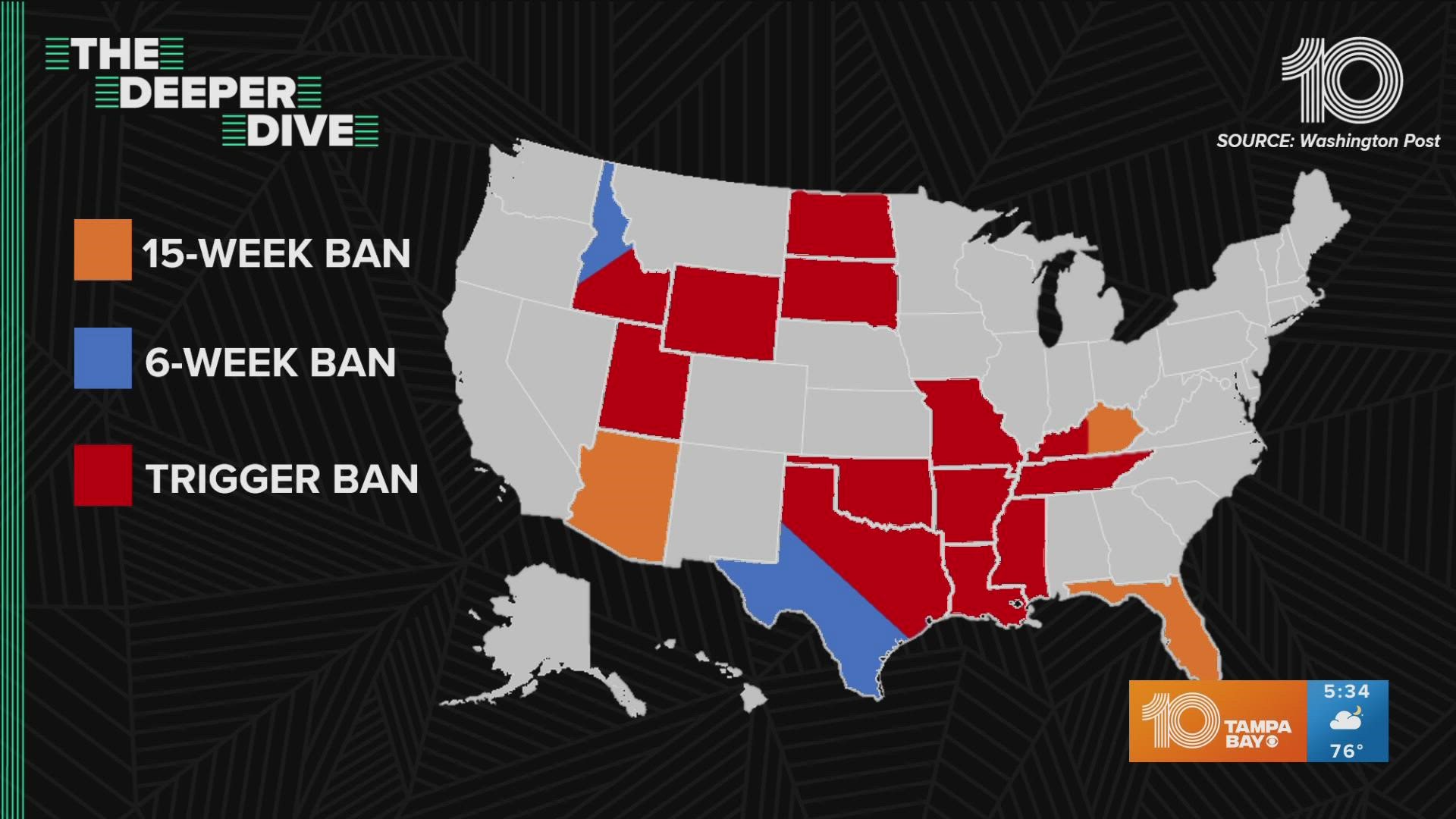
The trajectory of abortion law in Florida has been a subject of ongoing debate and legal challenges. The most recent and significant legislative action, often referred to as the “Heartbeat Law,” went into effect on July 1, 2022. This law generally prohibits abortions after 15 weeks of gestation, with limited exceptions for cases where the procedure is necessary to save the life of the pregnant patient, or if the fetus has a fatal abnormality. This represented a substantial reduction from the previous standard of 24 weeks.
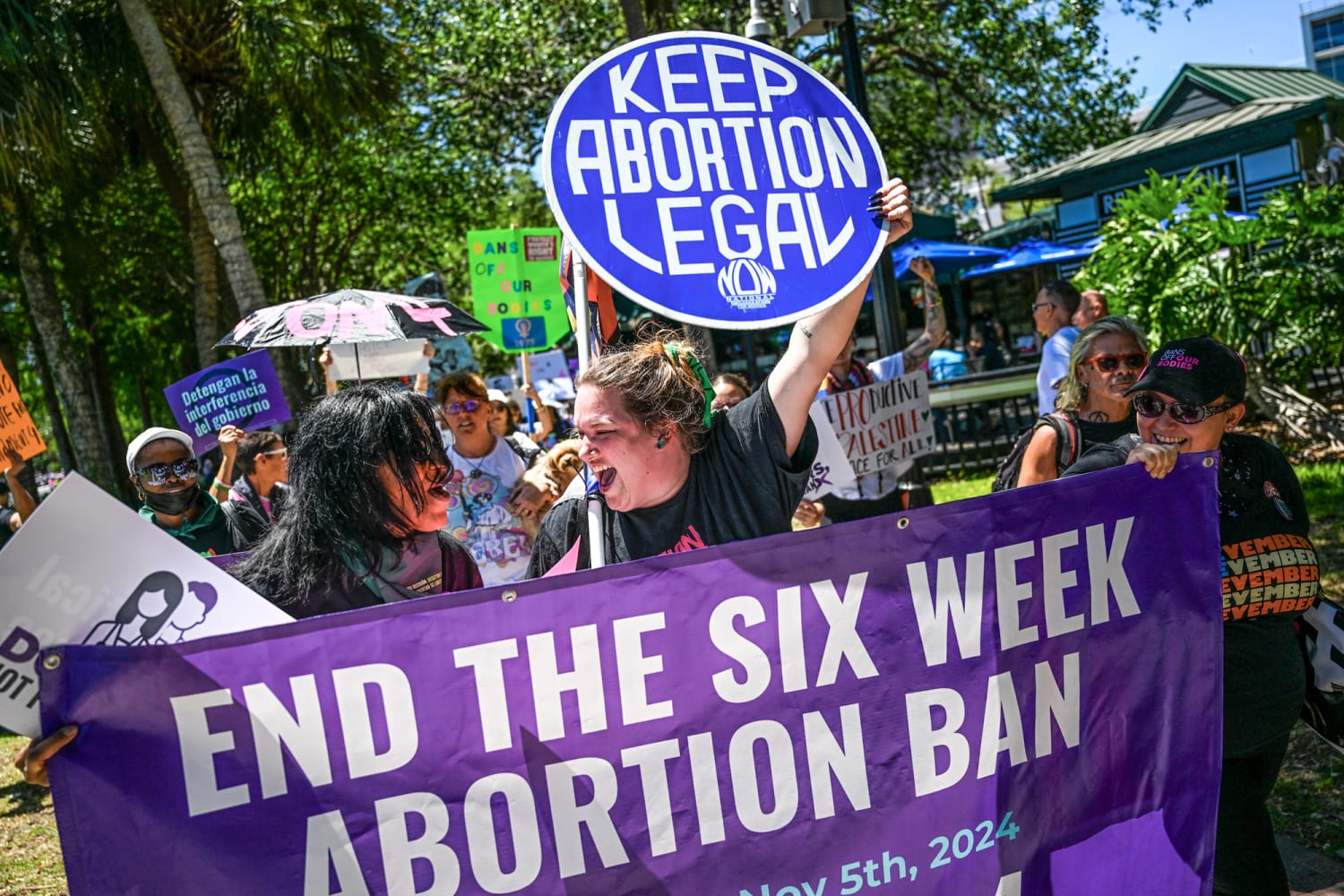
Key Provisions and Their Impact
The 15-week ban, while a significant restriction, was itself a precursor to further legislative action. Following the overturning of Roe v. Wade by the U.S. Supreme Court, states across the country have moved to implement even stricter abortion bans. In Florida, this led to a subsequent legal battle. Initially, a circuit judge blocked the 15-week ban, stating it violated the state constitution’s privacy protections. However, an appeals court quickly reversed this decision, allowing the ban to take effect.
More recently, in April 2023, Governor Ron DeSantis signed into law a bill that bans abortions after six weeks of pregnancy, often referred to as a “six-week ban.” This law, however, is contingent on the outcome of a pending Florida Supreme Court case regarding the state constitution’s privacy clause. If the court upholds the 15-week ban, the six-week ban would become effective. If the court strikes down the 15-week ban, the six-week ban would not go into effect. This complex legal situation creates a period of uncertainty and necessitates close monitoring of judicial decisions.
The implications for individuals seeking abortion services are profound. The reduced gestational limits mean that even individuals who discover their pregnancy later than six weeks may find themselves unable to access legal abortion care within Florida. This necessitates exploring options outside the state, thereby increasing the importance of understanding travel regulations and the availability of services in neighboring states or further afield.
Navigating Reproductive Healthcare: Travel Considerations
For individuals residing in or traveling to Florida who need to access abortion services, the new laws introduce significant logistical and financial hurdles. The restrictions necessitate planning travel to states where abortion access remains more permissive. This can involve considerable expense for transportation, accommodation, and the procedure itself, as well as time away from work or other responsibilities.
Destination Planning for Reproductive Health
When planning travel for reproductive healthcare purposes, several factors come into play. Understanding the specific abortion laws in both the origin and destination states is paramount. For example, if a person is traveling from Florida to a state like California or Illinois, where abortion is generally legal up to viability, the primary concerns will be logistical rather than legal. However, if traveling to a bordering state, such as Georgia, which has a six-week ban, the timeline becomes even more critical.
Resources such as the Guttmacher Institute and the National Abortion Federation provide up-to-date information on state-by-state abortion laws and can be invaluable tools for planning. These organizations often also offer financial assistance or can direct individuals to funds that help cover the costs associated with out-of-state care.
Accommodation and Support Services
The need for out-of-state reproductive healthcare also impacts accommodation choices. Travelers may require short-term rentals or hotel stays for several days, depending on the procedure and recovery time. This can range from a brief overnight stay near a clinic to a longer period of recuperation. Cities that have become havens for reproductive tourism, such as Chicago or Denver, have seen an increase in demand for short-term lodging.
Beyond basic accommodation, many organizations offer practical support for individuals traveling for abortion care. This can include assistance with finding affordable lodging, transportation to and from appointments, and even childcare services. These networks of support are vital for ensuring that financial and logistical barriers do not prevent individuals from accessing necessary healthcare. Exploring options like Airbnb or extended-stay hotels might be beneficial for those needing to remain in a location for an extended period. Researching local bus routes or ride-sharing services will also be essential for navigating the destination city.
Legal Ramifications and Constitutional Rights
The legislative actions in Florida are deeply intertwined with broader legal and constitutional debates. The core of these debates often revolves around the interpretation of individual privacy rights as enshrined in the state constitution versus the state’s interest in protecting potential life.
The Role of the Florida Supreme Court
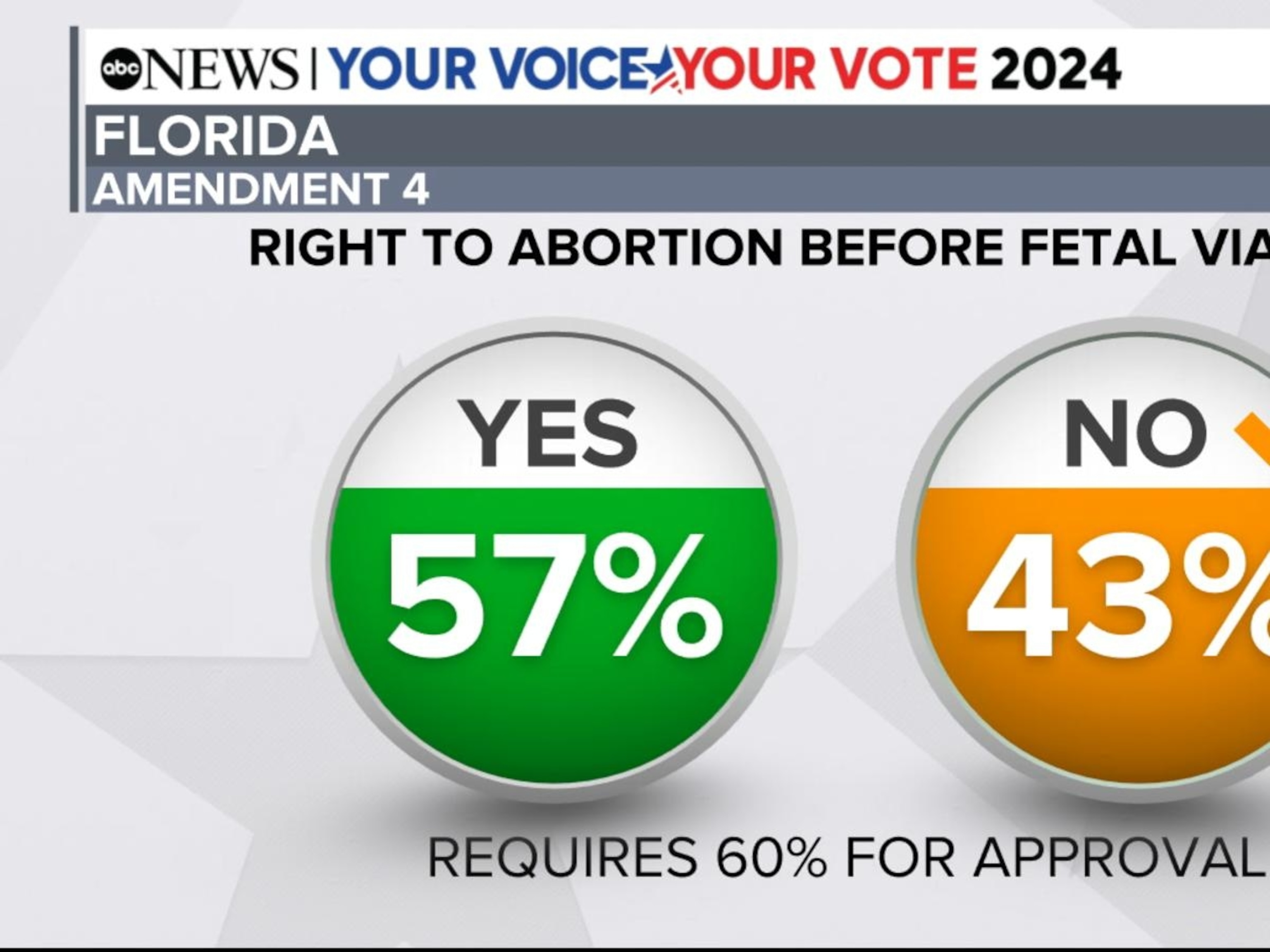
The Florida Supreme Court has historically interpreted the state constitution’s privacy clause as providing a broader right to privacy than the U.S. Constitution. This has led to previous rulings that protected abortion access more robustly than federal law. The current legal battles hinge on whether this interpretation will hold and how it will apply to the newly enacted laws. The outcome of these cases has significant implications not only for abortion access within Florida but also for the broader understanding of constitutional rights in the state.
If the court upholds the 15-week ban, it signals a potential shift in how privacy rights are viewed in relation to reproductive autonomy. If it were to strike down the ban, it could preserve a more robust right to abortion for a longer period during pregnancy. The subsequent six-week ban’s effectiveness is entirely dependent on this judicial review.
Impact on Existing Travel Plans and Rights
For individuals who may have already planned trips to Florida for reasons unrelated to reproductive healthcare, understanding the new laws is still important. While these laws primarily affect access to abortion services, the broader legal climate surrounding reproductive rights can influence the general atmosphere and perceptions of the state. Furthermore, for pregnant individuals, the sudden imposition of new restrictions can create an urgent need to reassess existing travel plans, especially if they were unaware of the evolving legal landscape.
It is crucial for all visitors to be aware of the current legal status of reproductive healthcare in Florida. While the laws do not directly impede travel for other purposes, they significantly affect a specific and sensitive aspect of personal healthcare that may be a consideration for some travelers. Staying informed through reputable legal and health organizations is the best approach.
Future Outlook and Broader Trends
The legislative changes in Florida are part of a larger national trend following the Supreme Court’s decision in Dobbs v. Jackson Women’s Health Organization. This ruling eliminated the federal constitutional right to abortion, returning the authority to regulate or ban the procedure to individual states. Consequently, abortion laws vary dramatically across the United States, creating a patchwork of access.
State-by-State Variations and Travel Patterns
States like Texas and Mississippi have implemented near-total bans on abortion, while others, such as New York and California, have enshrined abortion rights in their state laws. This divergence has led to increased travel for abortion care, with individuals often journeying from states with restrictive laws to those with more permissive ones. This phenomenon is sometimes referred to as “reproductive tourism.”
The economic impact of this trend is significant. States that maintain abortion access see an influx of individuals seeking services, which can benefit local economies through increased spending on healthcare, accommodation, and other services. Conversely, states with strict bans may see a decrease in such economic activity related to reproductive healthcare.
The Role of Advocacy and Legal Challenges
Advocacy groups on both sides of the abortion debate remain highly active, pushing for legislative changes and mounting legal challenges. The future of abortion access in Florida, as in many other states, will likely continue to be shaped by ongoing legal battles and the actions of state legislatures.
For travelers, staying abreast of these developments is crucial. What is legal today might change tomorrow, especially in states where the legal status of abortion is actively being contested. Organizations like Planned Parenthood and various state-level reproductive rights coalitions serve as vital sources of information for understanding the current legal climate and available resources. The ability to travel freely for healthcare remains a critical aspect of personal autonomy, and understanding the legal frameworks governing such travel is more important than ever.
LifeOutOfTheBox is a participant in the Amazon Services LLC Associates Program, an affiliate advertising program designed to provide a means for sites to earn advertising fees by advertising and linking to Amazon.com. Amazon, the Amazon logo, AmazonSupply, and the AmazonSupply logo are trademarks of Amazon.com, Inc. or its affiliates. As an Amazon Associate we earn affiliate commissions from qualifying purchases.