
Florida, often dubbed the “Sunshine State,” is more than just a popular tourist destination; it is a dynamic and rapidly growing hub that has seen its population swell dramatically over the past few decades. Understanding the demographic landscape of Florida is crucial for grasping the intricate tapestry of its lifestyle, economy, infrastructure, and cultural evolution. As one of the fastest-growing states in the United States, its population figures tell a compelling story of migration, opportunity, and the allure of its unique environment. This article delves into the current population, historical growth, demographic characteristics, and the profound impact these numbers have on the vibrant and ever-evolving lifestyle that defines Florida.

Florida’s Demographic Landscape: A Snapshot
Florida stands as a beacon for those seeking warm weather, diverse opportunities, and a relaxed pace of life, attracting millions from across the globe. Its consistent ascent in national population rankings underscores its magnetic appeal, making it a pivotal subject for demographic study.
Current Population Figures
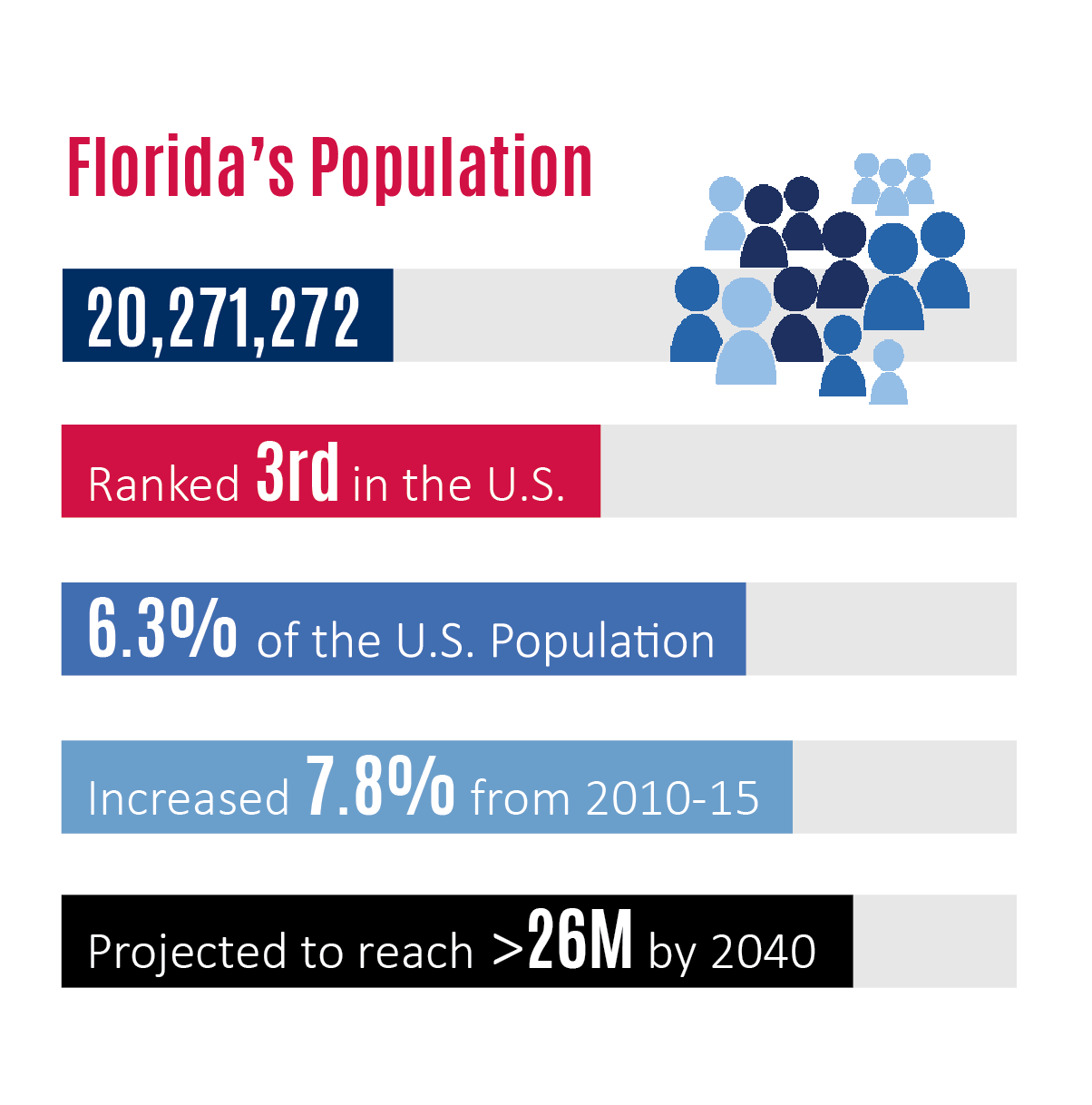
As of the most recent estimates (early 2024 projections building on 2023 data), Florida’s population hovers around 22.8 million residents. This places Florida as the third most populous state in the United States, having surpassed New York in recent years. This remarkable figure is not merely a number; it represents a vibrant mosaic of individuals, families, and communities that contribute daily to the state’s distinct character. The sheer volume of people residing within its borders creates a unique living experience, blending bustling urban centers with serene coastal towns and agricultural expanses.
The density varies significantly across the state, with major metropolitan areas like Miami, Orlando, Tampa, and Jacksonville accounting for a substantial portion of the population. These urban cores are magnets for economic activity, cultural diversity, and infrastructural development, shaping the fast-paced lifestyle often associated with Florida’s growth. In contrast, many rural areas and the expansive Everglades maintain a much sparser population, offering a different, more tranquil way of life.
Growth Trends and Drivers
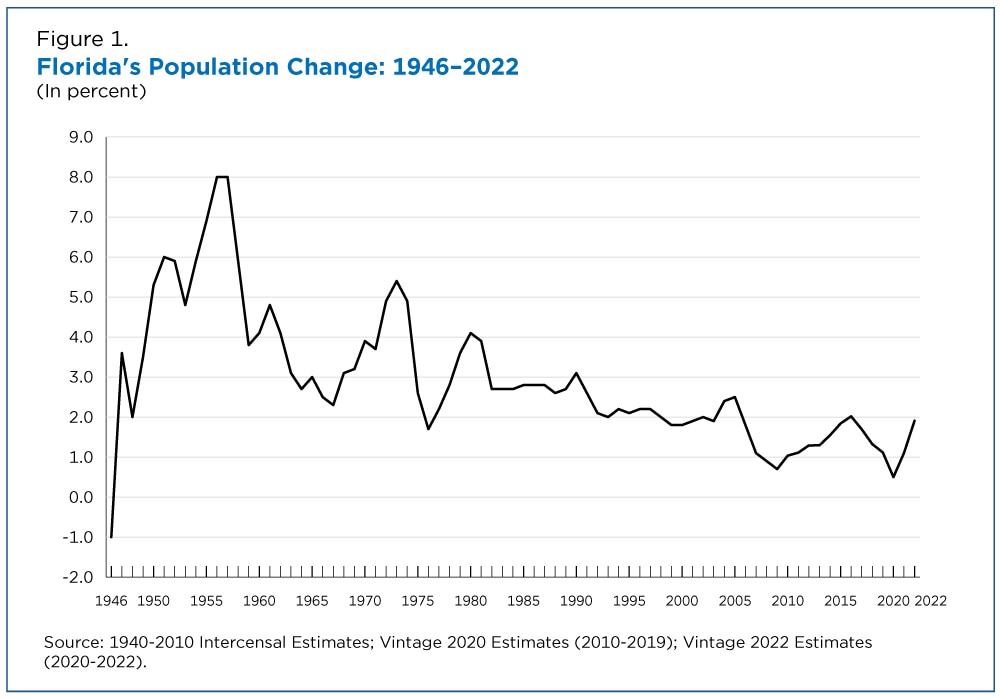
Florida’s population growth is not a new phenomenon; it has been a consistent trend for over a century, particularly accelerating since the mid-20th century. The state consistently ranks among the top states for net migration, meaning more people move into Florida than move out. Several key factors drive this relentless expansion:
- Economic Opportunity: Florida’s robust economy, fueled by tourism, agriculture, international trade, aerospace, and increasingly, technology and finance, offers diverse job prospects. Cities like Miami have emerged as international business hubs, while Orlando thrives on its entertainment and hospitality sectors, and Tampa expands its healthcare and tech industries.
- Favorable Climate and Lifestyle: The primary draw for many remains Florida’s subtropical to tropical climate. Mild winters, abundant sunshine, and access to pristine beaches and waterways appeal to retirees, “snowbirds” (seasonal residents), and families alike. This inherent appeal fosters an outdoor-centric lifestyle year-round.
- Tax Benefits: Florida is one of a handful of states that does not levy a state income tax, making it an attractive destination for high-net-worth individuals, entrepreneurs, and those looking to maximize their earnings or retirement income.
- Affordable Housing (Historically): While housing costs have risen significantly in recent years, Florida’s housing market has historically been more accessible than those in other major coastal states, drawing in individuals and families seeking more space and value for their money.
- Infrastructure Development: Continuous investment in transportation, healthcare, and educational infrastructure supports the growing population, making it easier for new residents to integrate and thrive.
These drivers coalesce to create a compelling narrative for why so many choose to call Florida home, perpetually reshaping its demographic profile and influencing every aspect of its collective lifestyle.
The Shifting Face of Florida’s Lifestyle
The continuous influx of new residents profoundly impacts the daily lives and long-term trajectory of Florida. From the way communities are built to the types of jobs available, population growth is the bedrock upon which the modern Florida lifestyle is forged.
Urbanization and Community Development
Population growth in Florida is largely concentrated in its major metropolitan areas and along its coasts, leading to significant urbanization. Cities like Fort Lauderdale, Sarasota, and Naples, alongside the larger hubs, are experiencing rapid expansion, with new residential developments, commercial centers, and public amenities emerging constantly. This urbanization transforms formerly quiet towns into bustling cities, creating more diverse housing options, from high-rise condos overlooking the ocean to sprawling suburban communities.
The lifestyle shift due to urbanization is palpable. There’s a greater emphasis on mixed-use developments, promoting walkability and public transit to alleviate congestion. Parks, cultural venues, and dining scenes flourish, reflecting the demand for enhanced urban living. However, this growth also presents challenges, such as increased traffic, pressure on natural resources, and the need for thoughtful urban planning to maintain green spaces and community character. The quintessential “Florida lifestyle” is no longer just about beachfront living; it increasingly encompasses sophisticated urban experiences intertwined with easy access to nature.
Economic Implications and Job Market
The burgeoning population acts as both a supply and demand force in Florida’s economy. It provides a growing labor pool, attracting businesses and fostering innovation, while simultaneously creating a larger consumer base that drives demand for goods and services. This dynamic leads to a robust and diverse job market.
Industries benefiting most from population growth include construction, healthcare, education, retail, and hospitality. The state’s status as a retirement haven ensures a constant demand for healthcare professionals and services. The expanding younger demographic, attracted by job opportunities, fuels growth in tech, finance, and creative industries. This diversified economy contributes to a resilient lifestyle, offering various career paths for residents. However, it also means increased competition for jobs and the continuous need for workforce development to match evolving industry demands. The economic vibrancy derived from population growth allows for higher quality amenities and services, further enhancing the state’s lifestyle appeal.
Cultural Fabric and Diversity
Florida’s population is not just large; it is incredibly diverse, making it one of the most multicultural states in the United States. This rich tapestry of backgrounds, languages, and traditions profoundly shapes the state’s cultural fabric and the daily lifestyle of its inhabitants.
Melting Pot of Cultures
The state’s unique geographical position, particularly its proximity to Latin America and the Caribbean, has made it a significant gateway for immigration. Miami, in particular, is a global city with a strong Hispanic influence, where Spanish is widely spoken, and diverse Latin American cultures thrive. This cultural richness is evident in the cuisine, music, art, and festivals found throughout the state. Beyond Latin American influences, significant populations from across the United States and other international regions contribute to Florida’s mosaic. Each new resident brings their heritage, blending into a unique Florida identity that is constantly evolving. This multicultural environment enriches the lifestyle by offering diverse culinary experiences, vibrant cultural events, and a broader global perspective.
Impact on Social Dynamics and Amenities
The diverse population impacts social dynamics and the availability of amenities. Communities often form around shared cultural backgrounds, leading to distinct neighborhoods with unique characteristics. This diversity fuels a demand for specialized services, international goods, and culturally specific events, which in turn enhances the overall lifestyle offerings. For instance, in cities like Orlando and Tampa, you can find a wide array of ethnic restaurants, cultural centers, and religious institutions catering to various communities.
However, rapid diversification and population growth can also present challenges in social cohesion and the provision of adequate public services. Ensuring equitable access to education, healthcare, and infrastructure for all demographic groups is a continuous effort. Despite these challenges, the overwhelming benefit is a vibrant, inclusive, and dynamic social environment that offers a rich and varied lifestyle unlike anywhere else in the United States.
Future Outlook: Sustaining Florida’s Lifestyle
As Florida continues to grow, the conversation inevitably shifts to sustainability. How will the state accommodate millions more residents while preserving its natural beauty, maintaining its quality of life, and addressing critical challenges? The future of Florida’s lifestyle hinges on proactive planning and innovative solutions.
Infrastructure and Environmental Considerations
One of the most pressing concerns stemming from population growth is the strain on existing infrastructure and the environment. Roads become more congested, public transit systems are stretched, and the demand for utilities like water and electricity escalates. Florida’s unique ecology, including sensitive wetlands, coastlines, and diverse wildlife, faces increasing pressure from development and human activity.
To sustain the current lifestyle, and improve it, significant investments in infrastructure upgrades, particularly in transportation (e.g., expanded highways, high-speed rail, improved public transit) and resilient energy solutions, are crucial. Environmentally, smart growth initiatives, conservation efforts, and robust policies to protect natural habitats and manage water resources are paramount. The long-term health of Florida’s environment is inextricably linked to the quality of life for its residents, dictating everything from recreational opportunities to the state’s resilience against natural disasters.
Housing Market and Cost of Living
The rapid population surge has had a dramatic impact on Florida’s housing market, leading to a significant increase in home prices and rental costs. What was once considered a relatively affordable state has seen its cost of living climb, posing challenges for long-term residents and newcomers alike, particularly those with modest incomes.
Addressing this issue is vital for maintaining an inclusive and accessible lifestyle. Strategies include promoting the development of affordable housing, implementing thoughtful zoning regulations, and exploring innovative housing solutions. The balance between catering to luxury markets and ensuring housing affordability for the diverse workforce is a delicate act. Without sustainable housing policies, the demographic shift could exacerbate economic disparities and alter the socio-economic fabric of communities. The ability to find comfortable and affordable living spaces is a foundational element of a desirable lifestyle, and it’s a key challenge Florida must continually address.
Healthcare and Education
With a growing and aging population, the demand for quality healthcare services continues to rise in Florida. The state, renowned for its large retiree community, needs robust healthcare infrastructure, a sufficient number of medical professionals, and specialized services. Similarly, as families move into the state, the public education system faces increasing enrollment and the need for more schools, teachers, and resources.
Investment in both healthcare and education is critical for ensuring a high quality of life for all Florida residents. Access to excellent schools is a major factor for families relocating, and comprehensive healthcare is a non-negotiable for retirees. Planning for these essential services requires foresight and significant public and private investment to ensure the state can continue to attract and retain a healthy, educated populace, thus preserving and enhancing the very lifestyle that draws people to Florida in the first place. The capital city of Tallahassee plays a critical role in shaping the policies and funding these vital sectors.
In conclusion, Florida’s population is not just a statistical figure; it is the very essence of its lifestyle. It dictates the rhythm of its cities, shapes its cultural identity, fuels its economy, and presents both immense opportunities and significant challenges for its future. Understanding “What Is The Population In Florida?” is to understand the dynamic, ever-evolving narrative of a state constantly reinventing itself on the global stage.
LifeOutOfTheBox is a participant in the Amazon Services LLC Associates Program, an affiliate advertising program designed to provide a means for sites to earn advertising fees by advertising and linking to Amazon.com. Amazon, the Amazon logo, AmazonSupply, and the AmazonSupply logo are trademarks of Amazon.com, Inc. or its affiliates. As an Amazon Associate we earn affiliate commissions from qualifying purchases.