
Florida, often envisioned as a sun-drenched paradise of pristine beaches, vibrant cities, and world-class attractions, holds a complex economic reality beneath its glamorous surface. While millions flock to the Sunshine State for its allure of leisure and luxury, understanding the actual economic landscape, including the poverty level, is crucial for anyone seeking a comprehensive grasp of the “Lifestyle” here. This article delves into the nuances of poverty in Florida not merely as a statistical figure, but through its profound impact on the daily lives, opportunities, and lifestyle choices of residents and how it shapes the broader experience of the state for visitors and potential new residents alike. Exploring this topic from a lifestyle perspective allows us to understand the varied economic realities that coexist and influence everything from local culture to budget travel strategies.

Understanding Florida’s Economic Tapestry and Lifestyles
To truly appreciate the lifestyle dynamics within Florida, one must first look beyond the glossy postcards and delve into its diverse economic fabric. The state’s economic health is not monolithic; it’s a rich tapestry woven with threads of booming industries, burgeoning communities, and persistent challenges, all of which shape the quality of life for its inhabitants.
The Diverse Economic Landscape of Florida
Florida’s economy is a powerhouse, driven primarily by tourism, agriculture, international trade, and increasingly, by technology and financial services. Iconic destinations like Walt Disney World Resort in Orlando and the vibrant cultural hub of Miami attract millions, fueling a significant portion of the state’s GDP. Yet, this prosperity is not uniformly distributed. Regions such as South Florida with its high-end real estate and luxury services often present a stark contrast to more rural areas or the industrial centers of North Florida and the Panhandle.
The state’s job market is robust in many sectors, offering opportunities for those in hospitality, healthcare, and construction. However, many of these jobs, particularly in the service industry, often come with wages that struggle to keep pace with the rapidly increasing cost of living, especially in desirable coastal cities. This creates a significant disparity, where the overall economic success of the state doesn’t always translate into a comfortable lifestyle for all its residents. For instance, a service worker in Key West might earn a decent hourly wage, but the cost of housing there could render that income insufficient for a stable lifestyle, pushing many into a financially precarious position, sometimes bordering on poverty.
Poverty’s Influence on Local Lifestyles and Communities
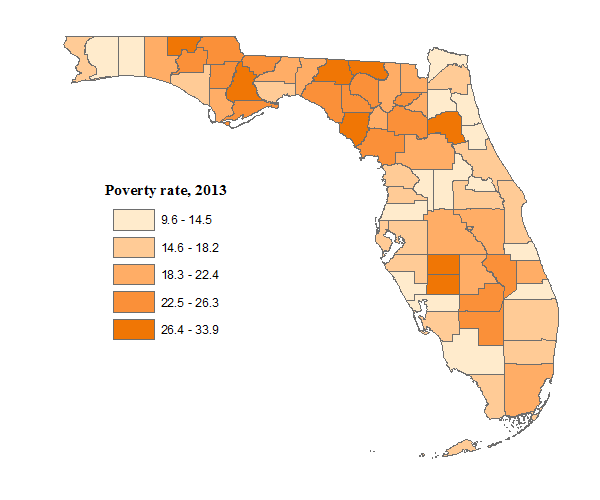
Poverty levels in Florida vary by county and demographic group, reflecting complex socio-economic factors. While the official poverty threshold is determined at the federal level, reflecting a national standard, the cost of living in Florida, particularly for housing, often means that individuals and families earning above the federal poverty line still struggle to achieve a comfortable lifestyle. This phenomenon, often referred to as “working poverty,” impacts daily life significantly. For instance, access to quality childcare, nutritious food, reliable transportation, and affordable healthcare becomes a constant challenge.
For communities, persistent poverty can lead to underfunded schools, limited access to community resources, and reduced economic mobility. This affects the overall quality of life, not just for those directly experiencing poverty, but for the entire fabric of the community. In areas like Jacksonville or Tampa, where economic diversity is high, pockets of affluence can exist just miles from neighborhoods grappling with significant economic hardship. These disparities manifest in varying lifestyle opportunities: from access to recreational activities and cultural events to the general sense of security and well-being. Understanding these localized impacts is key to grasping the full picture of the Florida lifestyle.
Affordability and the Dream of the Florida Lifestyle
The allure of the Florida lifestyle — sunshine, beaches, and a relaxed pace — remains a powerful draw for retirees, families, and young professionals. However, the dream often collides with the reality of affordability. While state income tax is non-existent, property taxes, insurance costs (especially in coastal areas susceptible to hurricanes), and escalating housing prices can be substantial. For individuals and families on fixed incomes or those in lower-wage jobs, maintaining a desired lifestyle can be an uphill battle.
This has led to a growing conversation about sustainable living and finding value in less conventional areas. Many are seeking the “Florida lifestyle” not in the glitzy centers, but in more inland or less developed towns where the cost of living is more manageable. This shift reflects a strategic lifestyle choice to prioritize affordability and community over proximity to major tourist attractions or high-end amenities. For those contemplating a move to Florida, a realistic assessment of earnings potential versus local living expenses is paramount to ensuring the pursuit of the dream doesn’t become a financial nightmare.
Budget Travel and Lifestyle Choices in Florida
For many, Florida is synonymous with vacation and leisure. However, understanding the state’s economic landscape, including its poverty levels, can significantly inform how one approaches travel and leisure here, especially for those pursuing a budget-conscious lifestyle or seeking authentic local experiences.
Navigating Florida on a Budget: Opportunities and Challenges
While destinations like Universal Studios Florida and the Florida Keys often come with a premium price tag, Florida offers a wealth of opportunities for budget travelers. The challenge lies in knowing where to look and how to prioritize experiences. Many state parks, nature preserves like Everglades National Park, and free public beaches provide incredible value for outdoor enthusiasts. Similarly, exploring smaller towns or off-the-beaten-path destinations can yield rich cultural experiences without the high costs associated with major tourist hubs.
However, transportation can be a significant budget concern. While major cities like Miami and Orlando have some public transit, much of Florida requires a car, which adds to travel expenses through rental costs and fuel. Savvy budget travelers often opt for self-catering accommodations like vacation rentals or camping to reduce dining and lodging expenses, allowing them to stretch their travel budget further and extend their lifestyle of exploration.
Authentic Local Experiences Beyond Tourist Hubs
Embracing a lifestyle of authentic exploration in Florida means venturing beyond the well-trodden tourist paths. It’s in the local markets of St. Petersburg, the historic districts of Tallahassee, or the charming coastal towns of Sarasota where visitors can truly connect with the state’s diverse culture and the daily lives of its residents. These areas often offer more affordable dining, unique craft shops, and community events that provide a deeper insight into the local lifestyle.
By engaging with local businesses and communities, travelers can not only save money but also contribute directly to the local economy, often benefiting those very communities that might be grappling with economic challenges. This conscious travel choice aligns with a lifestyle that values genuine connection and responsible tourism, fostering a more equitable exchange between visitors and hosts.
Family Trips and Economic Realities

Family trips to Florida are a rite of passage for many, but the economic realities of poverty levels within the state mean that such excursions can be an unattainable dream for many local families. For those who do plan family vacations, budgeting becomes an intricate dance. Many families prioritize free or low-cost activities such as beach days, picnics in parks, or exploring free attractions in cities like Fort Lauderdale.
The “family lifestyle” in Florida, for many residents, often involves making careful financial decisions to provide enriching experiences for children within tight budgets. This includes utilizing local libraries, community centers, and free public events. When planning a family trip to Florida, recognizing these local economic realities can inform choices that support local communities and provide children with a broader understanding of diverse lifestyles.
The Interplay of Tourism, Local Economy, and Lifestyles
The powerful engine of tourism in Florida creates immense economic opportunities, but also presents challenges. Understanding how tourism interacts with the local economy and impacts various lifestyles is critical for a complete picture of the state.
How Tourism Shapes Lifestyles and Opportunities
Tourism is a double-edged sword for Florida’s lifestyle landscape. On one hand, it’s a colossal job creator, providing employment for millions in hotels, restaurants, attractions, and related services. This offers entry points into the workforce for many, including those with limited skills or education, thus providing a pathway out of poverty for some. Cities like Daytona Beach thrive on visitor spending, which in turn supports local infrastructure and amenities.
However, the nature of many tourism-related jobs often means lower wages, seasonal employment, and limited benefits. This can lead to a precarious lifestyle for those dependent on the industry, struggling to afford housing and basic necessities in areas where tourism drives up the cost of living. The influx of tourists also strains local resources, from traffic congestion to environmental impact, affecting the quality of life for long-term residents. A sustainable Florida lifestyle requires a balance where tourism benefits both visitors and the local population, ensuring that prosperity is shared more equitably.
Addressing Disparities: Community Initiatives and Sustainable Lifestyles
Across Florida, various community initiatives are working to address economic disparities and foster more sustainable lifestyles. These efforts range from food banks and affordable housing programs to job training and educational opportunities designed to uplift individuals and families from poverty. Non-profit organizations, local government agencies, and faith-based groups are often at the forefront, providing essential services and advocating for policies that promote economic justice.
For a lifestyle focused on community engagement, supporting these initiatives can be incredibly rewarding. Volunteering, donating, or simply patronizing businesses that actively invest in their local communities can contribute to a healthier, more equitable Florida. These grassroots efforts are vital in bridging the gap between the state’s economic prowess and the daily struggles faced by a significant portion of its population, helping to cultivate a better quality of life for everyone.
The Cost of Living Versus Wages: A Lifestyle Conundrum
Perhaps the most significant lifestyle conundrum in Florida revolves around the ever-widening gap between the cost of living and average wages. While the state boasts a robust economy, the median income often falls short of what’s required to comfortably afford housing, healthcare, and daily expenses in many desirable locations. This pushes many into difficult lifestyle choices, such as long commutes from more affordable areas, taking on multiple jobs, or delaying major life milestones like homeownership.
This financial pressure impacts everything from personal well-being to family dynamics, demonstrating how economic realities profoundly shape individual lifestyles. For potential residents or those planning an extended stay, a thorough understanding of this dynamic is crucial. It’s not just about earning a job; it’s about earning enough to sustain the desired quality of life, which, for many Floridians, is an ongoing challenge that directly reflects the state’s economic landscape.
Making Informed Lifestyle Decisions in Florida
Navigating the complexities of Florida’s economic environment, particularly concerning poverty levels, is essential for making informed lifestyle decisions, whether you’re planning a visit, considering relocation, or are a long-term resident.
Resources for Understanding Economic Realities
For those interested in the actual economic landscape and how it affects lifestyles in Florida, numerous resources provide valuable data and insights. State economic reports, local government statistics, and analyses from non-profit organizations offer detailed information on income levels, housing costs, and poverty rates across different counties and demographics. Engaging with these resources can help individuals gain a clear, factual understanding of the economic realities, moving beyond anecdotal evidence to make well-informed lifestyle choices. This knowledge is invaluable for anyone seeking to live a responsible and sustainable lifestyle within the state.
Planning a Florida Lifestyle: From Relocation to Vacation
Whether you’re planning to relocate permanently or simply considering a vacation, understanding the economic nuances of Florida can significantly shape your experience and lifestyle choices. For those moving, researching specific communities’ cost of living, job markets, and available public services is paramount. It involves balancing the dream of sunshine and beaches with the practicalities of financial stability.
For visitors, this understanding can lead to more conscious travel choices, such as supporting local businesses in economically diverse areas, choosing accommodations that contribute positively to local communities, and exploring attractions that showcase Florida’s natural beauty and cultural richness beyond the commercialized centers. Such an approach embodies a lifestyle of thoughtful engagement and responsible tourism.
Supporting Local Economies for a Better Future
Ultimately, the goal of understanding the poverty level in Florida from a lifestyle perspective is to foster a more inclusive and sustainable future for all its residents. By making conscious decisions to support local businesses, engage with community initiatives, and advocate for equitable economic policies, individuals can contribute to improving the quality of life for those facing economic hardship. This goes beyond mere charity; it’s about investing in the long-term well-being of the communities that make Florida unique. Embracing a lifestyle of conscious consumption and community support helps ensure that the Sunshine State’s prosperity is shared more widely, creating a more vibrant and resilient future for everyone.
LifeOutOfTheBox is a participant in the Amazon Services LLC Associates Program, an affiliate advertising program designed to provide a means for sites to earn advertising fees by advertising and linking to Amazon.com. Amazon, the Amazon logo, AmazonSupply, and the AmazonSupply logo are trademarks of Amazon.com, Inc. or its affiliates. As an Amazon Associate we earn affiliate commissions from qualifying purchases.