
For anyone considering a long-term stay, purchasing a primary residence, or investing in real estate within the Sunshine State, understanding the property tax rate in Florida is paramount. Unlike many other states, Florida does not levy a state income tax, making property taxes a significant source of revenue for local governments and a critical financial consideration for property owners. Navigating the nuances of ad valorem taxes, exemptions, and local millage rates is essential for accurate financial planning, whether you’re dreaming of a permanent move to Miami, a vacation rental in Orlando, or a quiet retirement in Sarasota. This guide will break down the complexities of Florida’s property tax system, offering insights crucial for your accommodation decisions.

Understanding Property Taxation in Florida for Long-Term Accommodation
Property taxes in Florida are not a uniform statewide rate but rather a patchwork of local assessments determined by various factors. These taxes are primarily used to fund essential local services, including public schools, law enforcement, fire protection, infrastructure maintenance, and various county and municipal operations. For those seeking long-term accommodation, whether as an owner-occupant or an investor, comprehending this foundational system is the first step toward informed decision-making.
The Basics of Ad Valorem Taxes
Florida’s property tax system is based on an “ad valorem” principle, which means “according to value.” Your property tax bill is calculated based on the assessed value of your property and the millage rates set by local taxing authorities. The assessed value is determined annually by the County Property Appraiser, an elected official in each of Florida’s 67 counties. This value aims to reflect the property’s fair market value as of January 1st of each year. However, various factors and exemptions can reduce this taxable value.
The millage rate, often expressed as “mills,” represents the amount of tax payable per $1,000 of the property’s assessed value. For example, a millage rate of 10 mills means you pay $10 in tax for every $1,000 of taxable value. These rates are set by different governmental bodies, including county commissions, city councils, school boards, and various special districts, each funding its specific services. This decentralized approach means that even properties within the same county but in different municipalities or special districts can have varying effective tax rates.
Key Players in Florida’s Property Tax System
Several key entities collaborate to determine and collect property taxes in Florida:
- County Property Appraiser: Responsible for identifying and valuing all real estate in the county. They establish the market value, apply exemptions, and certify the tax roll. Understanding how the Orange County Property Appraiser, for instance, calculates values is crucial for potential homeowners in the Orlando area.
- Taxing Authorities: These are the governmental bodies (county, city, school board, water management districts, etc.) that propose and adopt millage rates. They hold public hearings where property owners can voice their opinions on proposed rates.
- County Tax Collector: Responsible for collecting the taxes levied by the various taxing authorities. They mail out tax bills, process payments, and distribute the funds to the appropriate entities. For example, the Duval County Tax Collector handles collections for properties in and around Jacksonville.
- Value Adjustment Board (VAB): If a property owner disagrees with the assessed value set by the Property Appraiser, they can petition the VAB for a review. This board, typically composed of county commissioners and school board members, acts as an independent tribunal to hear assessment disputes.
Factors Influencing Your Property Tax Bill
While the foundational principles are statewide, the actual property tax bill you receive in Florida is highly localized and depends on a combination of your property’s characteristics and your residency status. These factors are especially important for those evaluating long-term accommodation options, as they directly impact the ongoing cost of homeownership.
Assessment Value and Market Value
The assessed value is the core of your property tax calculation. While the Property Appraiser initially determines the market value, which is what your property would likely sell for on the open market, the taxable value can be significantly lower due, primarily, to the “Save Our Homes” (SOH) amendment. The SOH amendment, a cornerstone of Florida’s property tax law, caps the annual increase in assessed value for homesteaded properties (owner-occupied primary residences) at 3% or the Consumer Price Index (CPI), whichever is lower. This provides significant protection against rapidly rising market values for long-term homeowners.
For non-homesteaded properties—such as investment properties, second homes, or commercial real estate—the annual assessment increase cap is 10%. This distinction is critical for investors or individuals considering a second home in popular areas like Naples or Palm Beach, as their tax bills can see larger year-over-year increases compared to homesteaded properties.
Millage Rates Across Counties and Cities
Millage rates are arguably the most variable component of your property tax bill. Each taxing authority sets its own rate, and these rates are aggregated to form a total millage rate for a specific property. For instance, a property in Tampa might have a different combined millage rate than one in an unincorporated area of Hillsborough County, even if they are geographically close. Cities like Fort Lauderdale in Broward County will have municipal millage rates in addition to the county and school board rates.
These rates are publicly available and can be found on the websites of county property appraisers and tax collectors. They fluctuate annually based on the budgetary needs of the various taxing authorities. When researching a long-term accommodation option, comparing millage rates across different communities or even within the same county can reveal significant differences in potential tax liability.
The Impact of Homestead Exemptions and Other Reliefs
Florida offers several exemptions that can reduce a property’s taxable value, most notably the Homestead Exemption.
- Homestead Exemption: This is the most significant tax relief for primary residence owners. It provides an exemption of up to $50,000 off the assessed value of your home. The first $25,000 applies to all taxing authorities, while the additional $25,000 applies to non-school taxes. To qualify, the property must be your permanent residence as of January 1st of the tax year. This exemption can substantially lower the tax burden for those looking to establish a long-term primary residence in Florida.
- Additional Exemptions: Florida also provides additional exemptions for specific groups, including seniors (often income-based and vary by county/city), disabled veterans, totally and permanently disabled individuals, and surviving spouses. These can further reduce the taxable value for eligible homeowners. For example, a senior looking for a long-term home in Pinellas County might qualify for additional tax relief beyond the standard Homestead Exemption, making areas like St. Petersburg more appealing.
Navigating Property Tax for Long-Term Stays and Investment Properties
The nature of your long-term accommodation—whether it’s your primary residence or an investment property—dramatically alters how Florida’s property tax system impacts you. This distinction is crucial for financial planning and understanding your potential returns or recurring costs.
Property Taxes for Primary Residences (Homesteaded Properties)
For individuals making Florida their permanent home, homesteading a property offers significant tax advantages. Beyond the up to $50,000 exemption, the “Save Our Homes” (SOH) amendment is a game-changer. It protects primary residences from drastic increases in assessed value, even if market values skyrocket. This stability provides predictability for long-term homeowners regarding their annual tax bills.
However, it’s important to remember that the SOH benefit is “portable.” If you sell your homesteaded property in Florida and purchase another one within a specified timeframe, you may be able to transfer a portion of your accumulated SOH savings to your new homestead. This portability feature can be a valuable asset for those looking to upgrade or relocate within the state, maintaining some level of tax protection.
Considerations for Vacation Rentals and Investment Properties
For those interested in long-term accommodation through real estate investment, such as purchasing a vacation rental in Kissimmee or a multi-family unit in Jacksonville, the tax landscape is different. These properties are considered non-homesteaded and do not qualify for the homestead exemption or the more restrictive SOH cap. Their assessed values can increase by up to 10% annually, making property taxes a more variable and potentially higher expense.
Investors must factor in these higher potential tax increases when projecting profitability or cash flow. Additionally, managing an investment property can involve other specific tax considerations, such as deductions for property taxes paid, depreciation, and rental income taxes, which differ from those for a primary residence. Due diligence on local millage rates and a realistic understanding of potential assessment increases are critical for a successful real estate investment strategy in Florida.
Special Assessments and Their Role
Beyond the general ad valorem taxes, property owners in Florida may also be subject to “special assessments.” These are charges levied for specific public improvements or services that directly benefit the properties within a defined area. Common examples include assessments for sidewalks, street lighting, drainage systems, or even community development districts (CDDs) that fund infrastructure for master-planned communities like those found near St. Johns County.
Special assessments appear on your annual tax bill but are distinct from property taxes. They are typically based on the benefit received by the property, not its value, and can add a significant amount to the overall annual payment. Buyers considering long-term accommodation in newer developments should always inquire about the presence and amount of any CDD or other special assessments.
Strategies for Estimating and Managing Your Property Tax Burden
Accurately estimating and proactively managing your property tax burden is essential for anyone considering a long-term stay or property investment in Florida. With careful planning, you can avoid surprises and ensure your accommodation choice remains financially viable.
Utilizing County Property Appraiser Websites
The most reliable source for property tax information is your county’s Property Appraiser’s website. These sites offer powerful tools to research specific properties. You can typically:
- Search by address or parcel ID: Find the current owner, property characteristics, sales history, and most importantly, the current market and assessed values.
- View current and historical tax rolls: See past tax bills, exemptions applied, and annual value changes.
- Access millage rate information: Find the exact millage rates applied by each taxing authority in a given location.
For example, if you’re exploring a move to Gainesville, visiting the Alachua County Property Appraiser’s website would provide all the necessary data to estimate your future tax bill.
Proactive Planning for Property Tax Increases
Even with the SOH benefit, property taxes can increase. For homesteaded properties, the cap means predictable, albeit gradual, increases. For non-homesteaded properties, annual increases can be more substantial. To plan proactively:
- Review your Notice of Proposed Property Taxes (TRIM Notice): Mailed out by August each year, this notice details your proposed assessed value, exemptions, and estimated taxes for the upcoming year. This is your opportunity to review and object if necessary.
- Budget for potential increases: Factor in a modest annual increase (e.g., 2-3% for homesteaded, up to 10% for non-homesteaded) when calculating your monthly housing costs.
- Understand reassessments after purchase: For non-homesteaded properties, the assessed value “resets” to market value upon sale. For homesteaded properties, the SOH cap starts fresh for the new owner. Always verify the current market value and project the first year’s tax bill after purchase, as it will likely be higher than the previous owner’s bill due to the removal of their SOH savings.
The Role of Property Tax Appeals
If you believe your property’s assessed value is incorrect or that you were unfairly denied an exemption, you have the right to appeal. The process typically involves:
- Contacting the Property Appraiser’s Office: Often, a simple discussion with an appraiser can resolve discrepancies.
- Filing a petition with the Value Adjustment Board (VAB): If an informal resolution isn’t reached, you can formally petition the VAB. This is a formal hearing where you present evidence to support your claim.
- Seeking judicial review: As a final step, you can pursue legal action in circuit court, though this is rare and costly.
Understanding this process is crucial for safeguarding your long-term accommodation investment and ensuring fair taxation.
Florida’s Property Tax Environment: A Broader Perspective
Beyond the specific calculations, it’s beneficial to view Florida’s property tax system within a broader context, especially when comparing it to other regions or understanding its economic implications.
Comparing Florida to Other States
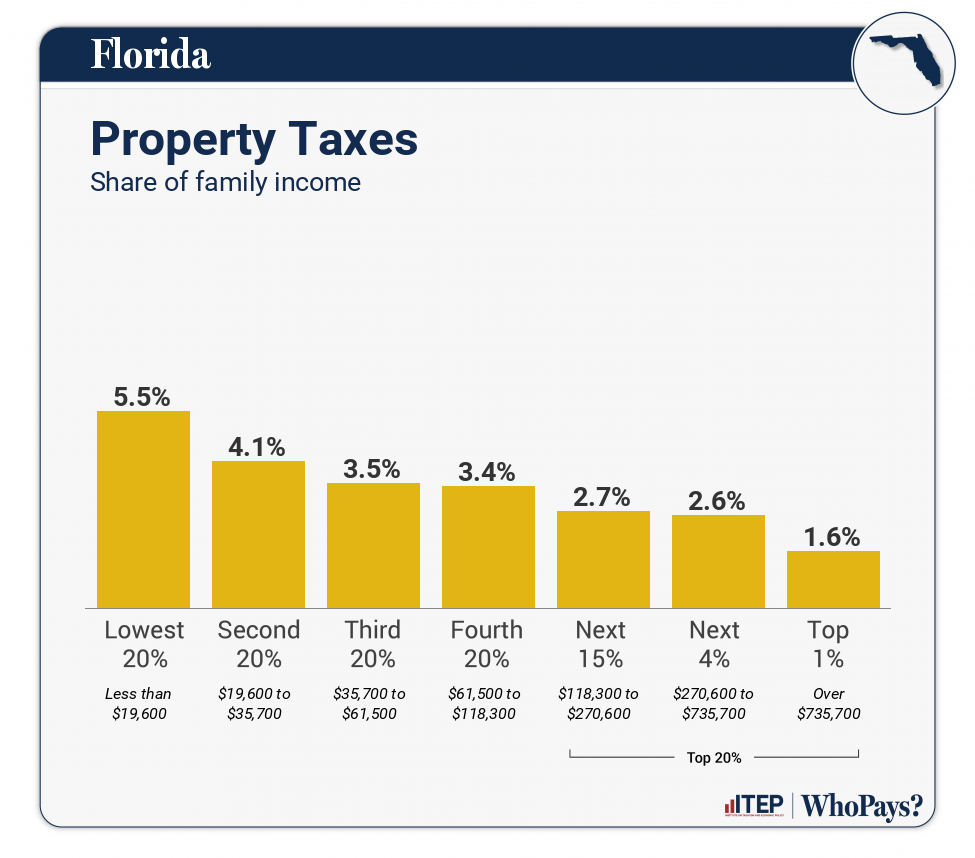
When considering a long-term move or investment, potential residents often compare Florida’s tax burden to that of other states. While Florida has no state income tax, its property taxes can be moderate to high compared to some states, especially for non-homesteaded properties in high-value areas. However, the Homestead Exemption and the SOH amendment significantly reduce the effective tax rate for primary homeowners, making Florida quite attractive for long-term residents.
The total tax picture in Florida is often seen as a trade-off: higher local property taxes (for some) and sales taxes in exchange for no state income tax. This structure can be particularly advantageous for retirees or high-income earners.

The Tax Implications of Florida’s Growth
Florida is one of the fastest-growing states in the U.S., with booming populations in cities like Tampa, Orlando, and Jacksonville. This growth drives up property values, which in turn influences property tax revenues. While the SOH amendment protects homesteaded properties from the full impact of these rising values, it also means that new buyers often face a significantly higher initial tax bill than previous long-term owners.
For local governments, managing growth requires expanding infrastructure and services, often funded by property taxes. Understanding this dynamic helps prospective residents and investors appreciate the fiscal environment of their chosen long-term accommodation location. The continued influx of new residents and the demand for housing will likely keep property values and, consequently, tax discussions at the forefront of Florida’s financial landscape.
In conclusion, the property tax rate in Florida is not a simple figure but a complex calculation influenced by local millage rates, property value assessments, and crucially, the application of various exemptions. For anyone planning a long-term stay or considering an accommodation investment in this vibrant state, a thorough understanding of these mechanisms is not just helpful—it’s essential for financial success and peace of mind.
LifeOutOfTheBox is a participant in the Amazon Services LLC Associates Program, an affiliate advertising program designed to provide a means for sites to earn advertising fees by advertising and linking to Amazon.com. Amazon, the Amazon logo, AmazonSupply, and the AmazonSupply logo are trademarks of Amazon.com, Inc. or its affiliates. As an Amazon Associate we earn affiliate commissions from qualifying purchases.