
For anyone delving into the natural wonders and symbolic icons of the Sunshine State, one question often arises: what is the official state tree of Florida? The answer, steeped in history, ecological significance, and a pervasive presence across the landscape, is the majestic Sabal Palm, also commonly known as the Cabbage Palm. This iconic tree is far more than just a botanical specimen; it is a fundamental natural landmark that embodies the spirit, resilience, and unique beauty of Florida. From its role in ancient indigenous cultures to its modern-day presence in urban and wild settings, the Sabal Palm stands as a testament to the state’s rich natural heritage, offering a profound connection to its past and present. Understanding this tree means understanding a vital piece of Florida’s identity, a living monument that welcomes visitors and residents alike into its verdant embrace.
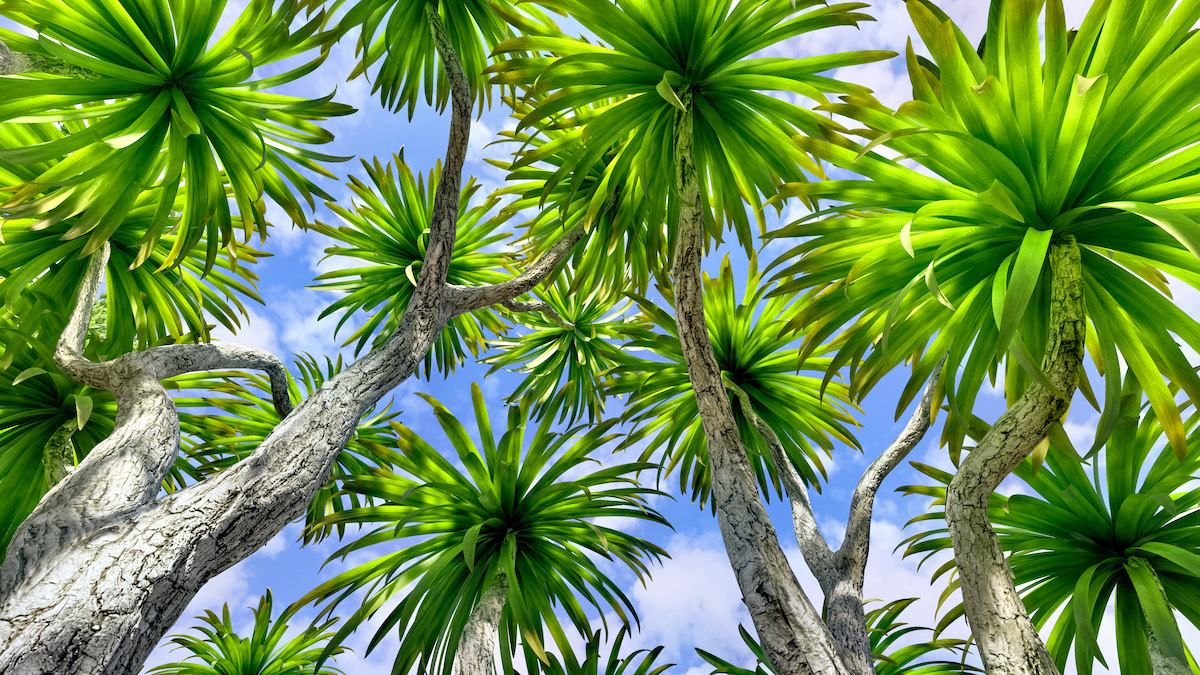
The Majestic Sabal Palm: Florida’s Enduring Emblem
The Sabal Palm (Sabal palmetto) is arguably the most recognizable natural feature across Florida’s diverse landscapes. Its slender, often curving trunk topped with a crown of fan-shaped fronds is an indelible part of the state’s visual identity, gracing everything from pristine beaches to bustling cityscapes. As a landmark, it signifies not only the natural beauty of Florida but also its deep historical and cultural roots, making it an essential point of interest for anyone exploring the state.
A Symbol Rooted in History and Law
The journey of the Sabal Palm to becoming Florida’s official state tree is a reflection of its undeniable importance. It was officially designated as such by the state legislature in 1953. This formal recognition wasn’t a casual choice but rather a deliberate acknowledgment of the tree’s profound and historical connection to the land and its people. Prior to this, its image had already been a fixture on the Florida state seal since 1868, featuring prominently alongside a steamboat and a Native American woman scattering flowers. This visual presence on official emblems underscores its long-standing symbolic value, even before its legislative declaration. The decision to make it the state tree was driven by its widespread distribution, its resilience, and its practical utility throughout Florida’s history, from sustaining early settlers to shaping the very ecosystem. Its robust nature, capable of withstanding the state’s often-harsh weather conditions, including hurricanes, further cemented its status as a fitting emblem for a place characterized by both lush beauty and formidable natural forces.
Identifying the Sabal Palm: Distinctive Features
Distinguishing the Sabal Palm from other palm species that thrive in Florida is relatively straightforward once one knows what to look for. Its most defining characteristic is its trunk, which often retains the persistent bases of old leaf stems, creating a distinctive crisscross or “bootjack” pattern. These “boots” eventually fall off as the tree matures, leaving a smoother, grayish trunk, but the pattern is a clear identifier in younger or mid-aged specimens.
The crown consists of large, costapalmate leaves – a hybrid between palmate (fan-shaped) and pinnate (feather-like) leaves. Each frond can grow several feet long, emerging from a central bud. These vibrant green leaves are deeply divided, giving them a rugged yet elegant appearance. In late spring to early summer, the Sabal Palm produces long, creamy-white flower stalks that hang gracefully from the crown, eventually giving way to clusters of small, black, berry-like fruits. These fruits, a vital food source for numerous wildlife species, are another characteristic feature. Unlike many ornamental palms, the Sabal Palm typically grows a single, unbranched trunk, ascending skyward and contributing to the unmistakable silhouette that defines so much of Florida’s subtropical landscape.
More Than Just a Tree: Ecological and Cultural Significance
The Sabal Palm’s status as a state landmark extends far beyond its aesthetic appeal and legislative recognition. Its deep roots in Florida’s ecosystem and its historical utility to various cultures underscore its multifaceted importance. It is a living, breathing component of the environment and a silent witness to centuries of human activity, making it an irreplaceable part of Florida’s natural and cultural heritage.
A Keystone Species in Florida’s Ecosystem
Ecologically, the Sabal Palm is a keystone species, playing a critical role in sustaining Florida’s biodiversity. Its tough, fibrous trunk provides shelter and nesting sites for a variety of animals, including woodpeckers, owls, and bats. The crown of fronds offers refuge for smaller birds and insects. Crucially, its abundant black berries ripen in late summer and fall, providing a vital food source for a vast array of wildlife, including raccoons, opossums, squirrels, and many bird species, such as mockingbirds and warblers. Even white-tailed deer are known to browse its foliage.
What makes the Sabal Palm particularly resilient and widespread is its incredible adaptability. It thrives in an impressive range of environments across Florida, from the sandy dunes of coastal areas, where it tolerates salt spray, to the saturated soils of wetlands, and the drier, well-drained uplands. This adaptability allows it to anchor diverse ecosystems, contributing significantly to the state’s ecological health and resilience, particularly in the face of hurricanes and drought.
Historical Utility and Indigenous Heritage
Long before European settlers arrived, the Sabal Palm was an indispensable resource for the indigenous peoples of Florida, notably the Seminole and Miccosukee tribes. Every part of the tree was utilized, demonstrating a profound understanding of its natural bounty. The heart of the palm, often referred to as “cabbage,” was a crucial dietary staple, rich in nutrients, and could be eaten raw or cooked. The fronds were expertly woven to create roofing for chickees (traditional open-sided dwellings), baskets, mats, and other essential household items. The sturdy trunks were used in construction for posts and pilings, and the fibrous material found within the trunk was fashioned into ropes and brushes. Even the berries had medicinal uses.
Early European settlers quickly learned from indigenous populations and adopted many of these practices. The palm’s versatility made it a cornerstone of survival and development in frontier Florida, providing food, shelter, and tools necessary for daily life. This deep-seated historical and cultural connection further solidifies the Sabal Palm’s role as an intrinsic landmark, representing not just nature but also the enduring human narrative of the state.

Where to Witness Florida’s State Tree in its Natural Splendor
To truly appreciate the Sabal Palm as a landmark, one must experience it in its various natural and cultivated settings across Florida. Its ubiquitous presence allows for numerous opportunities to admire its grandeur, whether in protected natural habitats or as a defining feature of the urban landscape.
Iconic Natural Landmarks and Parks
Florida’s vast network of state parks and natural preserves offers prime locations to witness the Sabal Palm in its pristine glory. In places like Myakka River State Park near Sarasota, visitors can explore vast stretches of palm hammocks, where towering Sabal Palms create a cathedral-like canopy, providing shade and habitat. The experience of kayaking or hiking through these areas, surrounded by the rustling fronds, is truly immersive.
Further south, within the unparalleled wilderness of Everglades National Park, Sabal Palms are often found on tree islands or “hammocks,” rising out of the sawgrass prairies and contributing to the unique mosaic of the ecosystem. These islands serve as crucial refuges for wildlife during high water periods.
In north-central Florida, Paynes Prairie Preserve State Park near Gainesville showcases Sabal Palms growing alongside live oaks, creating picturesque landscapes that are a photographer’s dream. These natural settings allow for an appreciation of the palm’s ecological role and its contribution to the raw, untamed beauty of Florida’s wild spaces. Visiting these landmarks provides a deeper understanding of why this tree is so emblematic of the state.
Urban Landscapes and Beyond
Beyond the protected wilderness, the Sabal Palm seamlessly integrates into Florida’s urban fabric, acting as a natural landmark in its own right within cities and towns. It lines boulevards, adorns public squares, and graces private gardens, lending an unmistakable subtropical charm to residential and commercial areas. Unlike many other tree species, the Sabal Palm transplants exceptionally well, allowing it to be a favored choice for landscaping projects, ensuring its widespread presence and contributing to the state’s iconic tropical aesthetic.
Its presence on the state flag, where it stands prominently next to a steamboat, and on official seals, solidifies its symbolic significance across all facets of Florida life. From the highest government offices to the simplest backyard, the Sabal Palm is a constant, reassuring presence, a natural landmark that is interwoven into the very identity of the state.
Protecting Florida’s Natural Landmark for Future Generations
The continued health and proliferation of the Sabal Palm are essential for preserving Florida’s natural heritage and maintaining its distinctive landscape. As a vital natural landmark, its protection is not merely a botanical concern but a cultural imperative, ensuring that future generations can continue to appreciate this enduring symbol.
Conservation Efforts and Challenges
Despite its resilience, the Sabal Palm faces various threats, primarily from habitat loss due to rapid development and urbanization across Florida. While highly adaptable, the conversion of natural habitats into residential or commercial zones fragments populations and reduces biodiversity. Furthermore, specific diseases and pests, though less common than for other tree species, can pose localized threats.
Conservation efforts are focused on protecting existing palm hammocks and natural stands, promoting sustainable land use practices, and educating the public about the ecological value of the Sabal Palm. Many state and local regulations aim to protect native vegetation, including this iconic tree. Encouraging the use of native landscaping in urban settings also plays a crucial role in maintaining its presence and supporting local ecosystems. The goal is to balance Florida’s growth with the preservation of its irreplaceable natural landmarks.
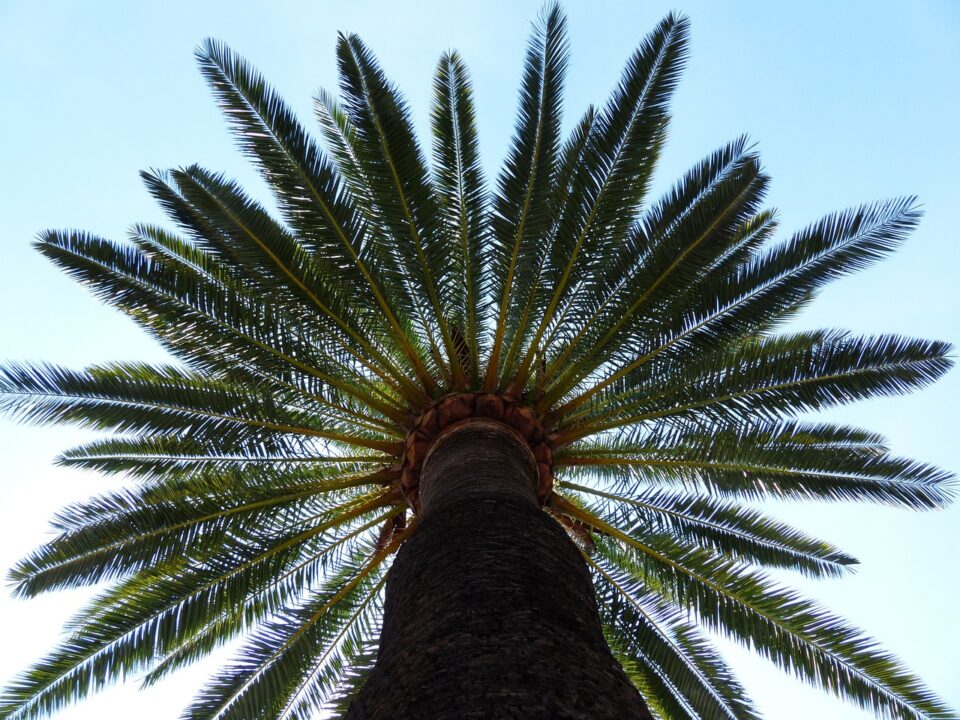
The Sabal Palm’s Enduring Legacy
The Sabal Palm’s legacy as Florida’s state tree is one of enduring strength, deep historical resonance, and undeniable beauty. It is a living, breathing monument that encapsulates the essence of the Sunshine State—its vibrant ecosystems, its rich cultural tapestry, and its unique charm. For both residents and visitors, encountering the Sabal Palm offers a tangible connection to the heart of Florida. It reminds us of the delicate balance between nature and human endeavor, and the importance of preserving these natural landmarks for the collective memory and enjoyment of all.
In conclusion, the Sabal Palm is unequivocally the state tree for Florida. It is a proud and deserving emblem, standing tall as a natural landmark that continuously shapes the identity and appeal of this diverse and dynamic state. Its presence invites appreciation, introspection, and a commitment to safeguarding Florida’s irreplaceable natural heritage for generations to come.
LifeOutOfTheBox is a participant in the Amazon Services LLC Associates Program, an affiliate advertising program designed to provide a means for sites to earn advertising fees by advertising and linking to Amazon.com. Amazon, the Amazon logo, AmazonSupply, and the AmazonSupply logo are trademarks of Amazon.com, Inc. or its affiliates. As an Amazon Associate we earn affiliate commissions from qualifying purchases.