
Understanding the tax landscape of any destination is a crucial step in planning a successful trip. For travelers heading to the Sunshine State, grappling with “What is the tax percent in Florida?” is more than just a passing thought—it’s a fundamental component of budgeting, helping to prevent unwelcome surprises and ensuring a smooth, enjoyable experience. Florida, a perennial magnet for tourists worldwide, boasts a unique blend of state-level policies and county-specific surcharges that can significantly impact the final cost of everything from a souvenir to a week-long resort stay. This comprehensive guide will illuminate the various tax percentages you’ll encounter, offering insights into how they apply to different aspects of your travel and helping you master your financial planning for an unforgettable Florida adventure. From the vibrant nightlife of Miami to the magical theme parks of Orlando and the serene beaches of the Florida Keys, taxes are an inescapable part of the economic fabric, directly influencing your travel budget.
Understanding Florida’s Sales Tax: The Foundation of Your Budget
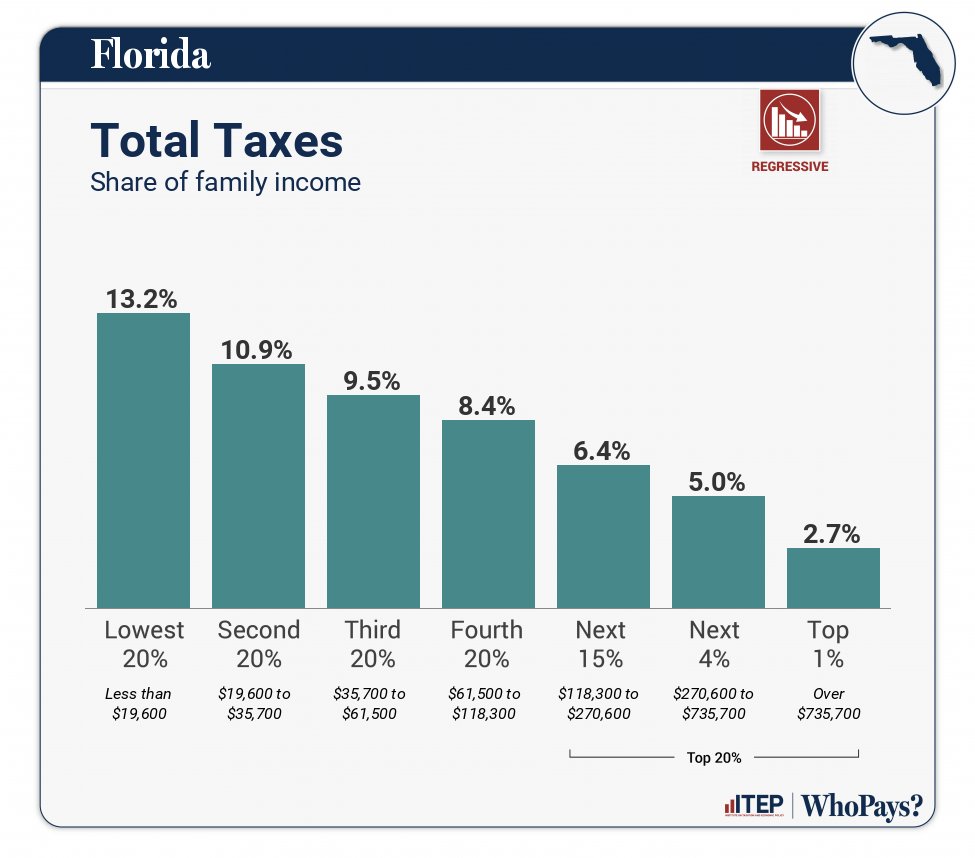
At the core of Florida’s tax system is its sales tax, a consumption-based levy applied to most goods and services. Unlike some states, Florida does not have a state income tax, making its sales tax a significant revenue generator for state and local governments. For travelers, this means a direct impact on nearly every purchase made during their visit.
The State Sales Tax Rate
The statewide sales tax rate in Florida is 6%. This rate applies to the sale, lease, or rental of most tangible personal property and certain services. When you buy groceries, clothing, electronics, or even pay for admission to attractions, this 6% will generally be added to the sticker price. However, it’s important to note that certain essentials like most unprepared food items (groceries) and prescription medicines are exempt from sales tax, providing a slight reprieve for everyday necessities. Restaurants, cafes, and other food service establishments, however, do charge sales tax on prepared meals, so factor that into your dining budget.
Local Sales Surtaxes: County-Specific Variations
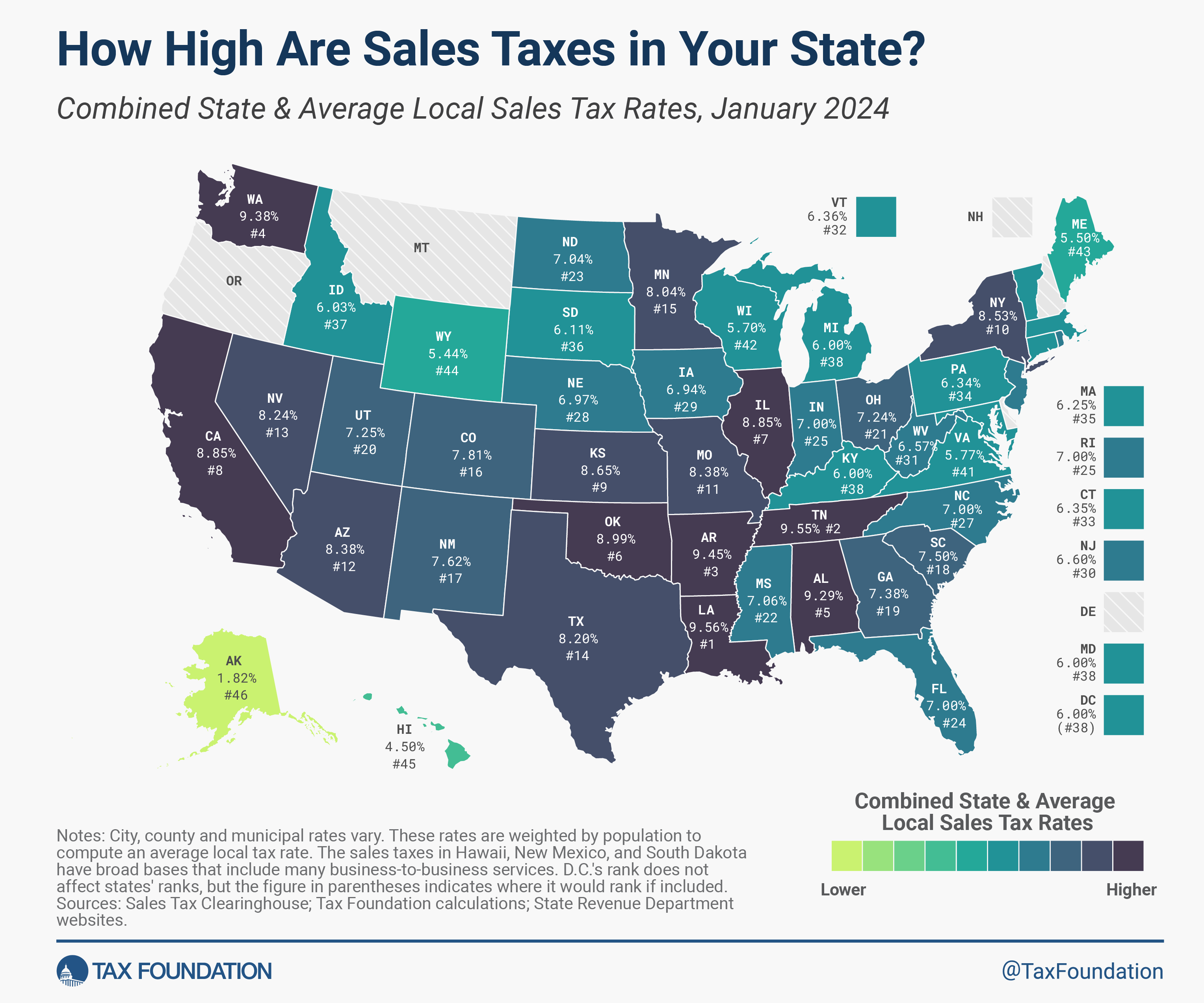
While the 6% state sales tax is uniform across Florida, many counties have the authority to impose their own local discretionary sales surtax, often referred to as a “county surtax” or “local option tax.” These surtaxes vary from county to county and are added on top of the state’s 6%. This means the effective sales tax rate you pay can range from 6% to 8.5% depending on where you are in the state.
For instance, if you’re shopping in Miami-Dade County, you’ll encounter a total sales tax of 7% (6% state + 1% county surtax). In Orange County, home to many of Orlando’s famous theme parks like Walt Disney World Resort and Universal Studios Florida, the combined sales tax rate is 6.5%. Heading to Tampa in Hillsborough County? Expect a 7.5% sales tax. These local variations underscore the importance of checking the specific county’s tax rate before making significant purchases, especially for big-ticket items.
Navigating Accommodation Taxes: The Tourist Development Tax (TDT)
Perhaps the most significant tax for travelers in Florida is the Tourist Development Tax (TDT), often colloquially known as the “bed tax” or “resort tax.” This tax specifically targets the short-term rental of accommodations and is a primary funding source for local tourism marketing and infrastructure projects.
What is the Tourist Development Tax?
The TDT is levied on the rental of any living quarters or accommodations rented for six months or less. This includes hotels, motels, resorts, vacation rentals (including those booked through platforms like Airbnb and VRBO), condominiums, apartments, and even campsites. The TDT is charged in addition to the state’s 6% sales tax, making the total tax on accommodation a substantial portion of your lodging expenses.
County-Specific TDT Rates
Like the local sales surtax, the TDT rate is determined at the county level and can vary widely across Florida. Counties are authorized to levy a TDT of up to 6%. For example:
- In Orange County (Orlando area), the TDT is 6%. Combined with the 6.5% sales tax, this means a total tax rate of 12.5% on your hotel or vacation rental.
- Miami-Dade County has a TDT that can reach 6% in certain areas like the city of Miami Beach, leading to total accommodation taxes of around 13-14% (depending on the exact location and any additional convention development taxes).
- Monroe County, encompassing the Florida Keys and popular destinations like Key West, also imposes a TDT, often at 5%, bringing the total tax on accommodations to over 11%.
- Pinellas County, home to the beautiful beaches of St. Pete Beach and Clearwater Beach, has a 6% TDT, resulting in a similar total accommodation tax burden.
It’s critical for travelers to check the TDT rate for their specific destination county when booking accommodations. Many booking platforms will display the total tax amount, but understanding the breakdown can help you better compare prices and budget effectively.
Beyond Sales and Stays: Other Taxes Affecting Your Florida Trip
While sales tax and the TDT are the most prominent, several other taxes might subtly impact your travel budget in Florida.

Rental Car Surcharges
If you plan to rent a car to explore destinations like St. Augustine or Everglades National Park, be aware of additional taxes and surcharges. Beyond the standard sales tax applied to the rental fee, Florida imposes a $2.00 per day surcharge on all rental car agreements for periods of 30 days or less. This fee, coupled with other potential airport concession fees and energy surcharges, can add a noticeable amount to your total rental cost. It’s always advisable to get a detailed quote that includes all taxes and fees when booking a rental vehicle.
Fuel Taxes
While not a direct “percent of purchase” tax like sales tax, fuel taxes are embedded in the price you pay at the pump. Florida has both state and federal excise taxes on gasoline and diesel. These taxes contribute to road maintenance and infrastructure. Although you won’t see them itemized on your receipt, they affect your daily driving costs, particularly if you plan extensive road trips across the state.
No State Income Tax: A Unique Florida Advantage
For those considering a longer stay, working remotely, or even relocating, Florida’s lack of a state income tax is a significant financial draw. This policy contrasts sharply with many other states, making Florida an attractive option for residents and businesses alike, and indirectly contributing to the state’s vibrant economy that supports its tourism infrastructure. While not directly a travel expense, it contributes to the overall economic environment that shapes the travel industry.
Strategic Planning: Minimizing Your Tax Burden in Florida
Understanding Florida’s tax percentages allows for smarter financial planning, potentially saving you money and enhancing your travel experience.
Research County Tax Rates
Before booking hotels or planning major shopping excursions, quickly check the local sales surtax and TDT rates for your specific destination county. A small difference in percentage can add up significantly over a multi-day stay or large purchases. For example, staying just outside a major city’s most expensive district might not only reduce the base accommodation price but also place you in a county with a slightly lower TDT.
Budget for All-Inclusive Pricing
When comparing accommodation options, always look at the total price, including all taxes and fees. What appears to be a cheaper base rate might become more expensive once the state sales tax and TDT are applied. Many online travel agencies and hotel websites will show the “total estimated cost” inclusive of these taxes, making direct comparisons easier.
Factor Taxes into Daily Spending
Don’t forget to factor in sales tax for meals, souvenirs, and activities. An item priced at $100 could actually cost $106 to $108.50 depending on the county. Allocating a buffer in your daily budget for these added percentages will prevent you from overspending your planned funds.
Consider Long-Term Stays for TDT Exemption
If you’re planning an extended trip to Florida and renting accommodations, remember that the TDT generally applies to rentals of six months or less. If your stay exceeds this duration, you might be exempt from the TDT, which could result in substantial savings. Always confirm specific exemption criteria with your rental provider.
The Broader Economic Picture: Why Taxes Matter for Florida Tourism
The various taxes collected in Florida play a vital role in supporting the very industry that attracts millions of visitors each year. The Tourist Development Tax, in particular, is directly reinvested into tourism-related initiatives. This includes funding for local destination marketing organizations (DMOs) that promote Florida as a travel destination, maintenance and development of convention centers, sports facilities, and cultural venues, and environmental programs that protect the state’s natural beauty, from the pristine sands of South Beach to the wildlife of the Everglades.
By understanding the tax percent in Florida, travelers not only manage their budgets more effectively but also gain an appreciation for how their contributions help sustain the vibrant attractions, beautiful beaches, and world-class hospitality that define the Sunshine State. Planning ahead for these percentages ensures a financially sound trip, allowing you to focus on creating unforgettable memories in this beloved travel haven.
LifeOutOfTheBox is a participant in the Amazon Services LLC Associates Program, an affiliate advertising program designed to provide a means for sites to earn advertising fees by advertising and linking to Amazon.com. Amazon, the Amazon logo, AmazonSupply, and the AmazonSupply logo are trademarks of Amazon.com, Inc. or its affiliates. As an Amazon Associate we earn affiliate commissions from qualifying purchases.