
Planning a trip to Daytona, Florida involves many considerations, from booking the perfect stay to mapping out exciting activities. Yet, perhaps no single factor influences the overall travel experience as profoundly as the weather. Understanding the temperature in Daytona throughout the year is paramount for any visitor, dictating everything from what to pack to the best time to enjoy its famed beaches and attractions. Daytona, Florida, renowned for its sun-kissed shores, motorsports heritage, and vibrant atmosphere, boasts a subtropical climate that offers distinct seasonal variations. These shifts, while generally mild compared to more northern locales, are crucial to appreciating the unique rhythm of this dynamic destination. This comprehensive guide delves into Daytona’s climate, providing insights into its seasonal temperatures and offering practical advice to help you plan an unforgettable journey, perfectly aligned with the local mercury.
Understanding Daytona’s Subtropical Climate
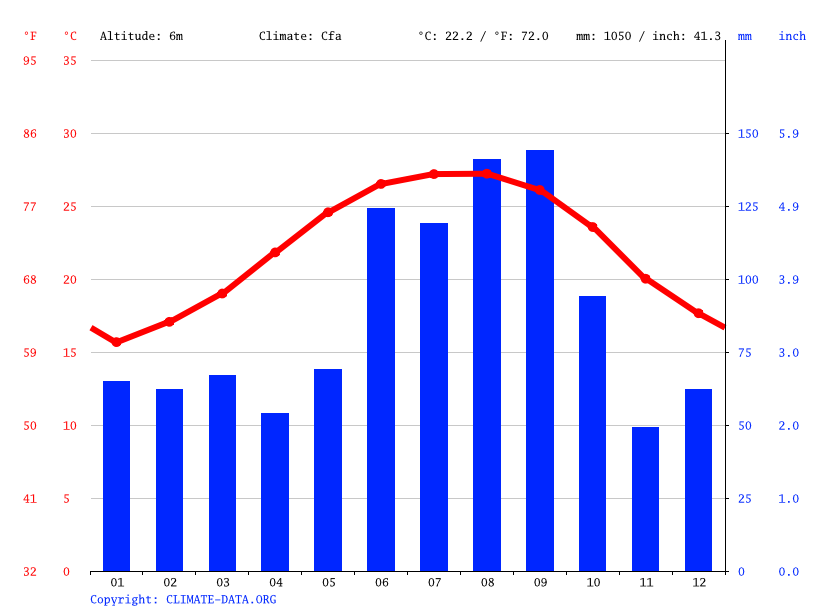
Daytona Beach, situated on Florida’s Atlantic Ocean coast, experiences a humid subtropical climate. This classification means the area typically enjoys hot, humid summers and mild, dry winters, with moderate temperatures for much of the spring and autumn. This desirable weather pattern is a primary draw for millions of tourists annually, making it a year-round destination, albeit with distinct advantages depending on the season.
General Climate Overview
The climate of Daytona is characterized by ample sunshine, generally gentle sea breezes, and sufficient rainfall, often occurring in short, intense thunderstorms during the warmer months. These climatic conditions support the lush vegetation typical of Florida and contribute to the region’s appeal as an outdoor paradise. The absence of extreme cold makes Daytona a popular escape for those seeking warmth, especially during the colder months up north.
Influences on Temperature
Several geographical and meteorological factors play a significant role in shaping Daytona’s temperature profile. Its coastal location, directly on the Atlantic Ocean, is a major influence. The vast body of water acts as a thermal regulator, cooling the air in summer and warming it in winter, thus moderating temperature extremes. The proximity of the Gulf Stream, a warm ocean current, further contributes to the mild winter temperatures experienced along Florida’s east coast. Latitude also plays its part; being relatively far south in the United States, Daytona receives abundant solar radiation throughout the year, sustaining its warm climate. This combination of factors ensures that while temperatures do fluctuate seasonally, they rarely dip to uncomfortable lows, maintaining Daytona’s reputation as a warm-weather haven.
Seasonal Temperature Breakdown for Travelers
Understanding Daytona’s climate broken down by season is crucial for planning any trip, whether you’re seeking a sizzling summer getaway or a mild winter escape. Each season presents unique average temperatures and weather characteristics that will shape your travel experience.
Summer (June – August): Hot and Humid, Thunderstorms
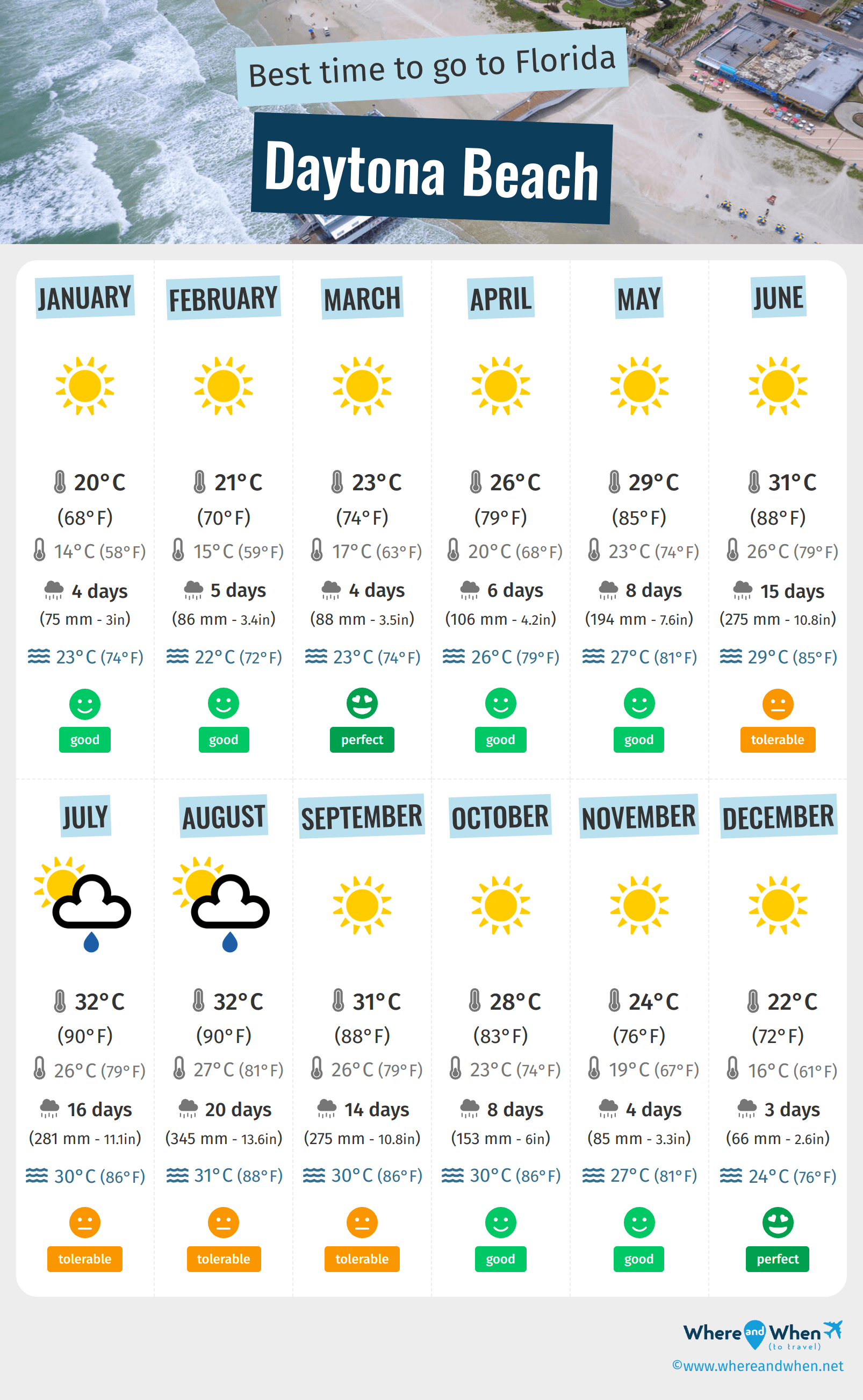
Daytona’s summers are typically hot and humid, a quintessential Florida experience. Average daytime high temperatures hover in the upper 80s to low 90s Fahrenheit (around 30-33°C), with nighttime lows usually staying in the mid-70s F (around 24-25°C). The humidity can make it feel even warmer, contributing to the “sticky” sensation. Afternoon thunderstorms are a common occurrence, often rolling in quickly and departing just as fast, providing a temporary cooldown before the sun returns. These are generally short-lived, allowing plenty of time for beach activities. The ocean water is wonderfully warm, often in the low 80s F (27-28°C), perfect for swimming, surfing, and other water sports. Travelers during this period should prioritize lightweight, breathable clothing, ample hydration, and strong sun protection.
Fall (September – November): Pleasant, Hurricane Season Consideration
Fall in Daytona brings a welcome respite from the intense summer heat. September can still feel quite warm, with average highs in the mid-80s F (29-30°C), but by October and November, temperatures become significantly more comfortable, ranging from the mid-70s to low 80s F (24-28°C) during the day and dropping to the pleasant 60s F (16-20°C) at night. This period is often considered ideal for visiting, as the crowds thin out slightly, and the weather is conducive to exploring. It’s important to note, however, that the peak of hurricane season extends into September and October. While direct hits are rare, travelers should monitor weather forecasts closely during these months. Despite this, the comfortable temperatures make fall excellent for outdoor festivals, golf, and enjoying the beach without the oppressive summer heat.
Winter (December – February): Mild, Cooler Evenings, Snowbirds
Daytona’s winters are a major draw for “snowbirds” and anyone looking to escape colder climates. Average daytime highs typically range from the mid-60s to low 70s F (18-22°C), with evenings cooling down to the 40s or 50s F (4-15°C). While occasional cold fronts can bring temperatures down further, even dipping into the 30s F (around 0°C) on rare nights, these periods are usually short-lived. The weather is generally sunny and dry, making it perfect for strolling the beach, enjoying outdoor dining, or visiting attractions without the humidity. A light jacket or sweater is often sufficient for evenings, making for very pleasant conditions for those seeking a mild winter retreat.
Spring (March – May): Warm, Lively, Peak Season for Events
Spring is a vibrant and popular time to visit Daytona, marked by increasingly warmer temperatures and a festive atmosphere. March sees average highs in the low 70s F (22-23°C), steadily climbing to the low 80s F (27-28°C) by May. Nighttime lows are comfortably in the 50s and 60s F (10-20°C). This period avoids the peak summer humidity while offering ample warmth for beach activities. It’s also when Daytona hosts some of its most famous events, including Bike Week and Spring Break, drawing large crowds. The pleasant weather makes it ideal for exploring the Daytona International Speedway, enjoying the boardwalk, and taking advantage of the various outdoor recreational opportunities.
Planning Your Daytona Trip Around the Thermometer
Effective trip planning involves more than just knowing average temperatures; it’s about leveraging that knowledge to maximize comfort and enjoyment. Tailoring your packing and activity choices to Daytona’s specific climate ensures a seamless travel experience.
Packing Essentials for Every Season
Regardless of when you visit, sun protection is non-negotiable in Daytona. Pack high-SPF sunscreen, sunglasses, and a wide-brimmed hat.
- Summer: Lightweight, breathable fabrics like cotton or linen are a must. Swimsuits, flip-flops, and perhaps a light rain jacket for afternoon showers.
- Fall: While still warm, you might want to include a light long-sleeved shirt or a thin sweater for cooler evenings, especially late fall.
- Winter: Layers are key. While days can be warm, evenings often require a medium-weight jacket, sweaters, and possibly closed-toe shoes.
- Spring: Similar to fall, a mix of summer wear with a few lighter layers for evenings is appropriate.
Best Times to Visit for Specific Activities
Your preferred activities should guide your timing:
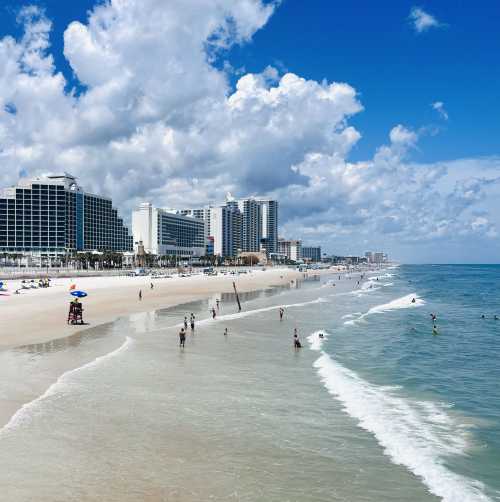
- Beach & Water Sports: Summer offers the warmest ocean temperatures, ideal for swimming and surfing. Late spring and early fall also provide excellent beach weather without the intense heat.
- Motorsports & Outdoor Events: Spring and fall offer the most comfortable temperatures for attending events at the Daytona International Speedway or exploring other outdoor attractions like Ponce Inlet.
- Golfing & Cycling: Winter and early spring provide the most pleasant conditions for these activities, avoiding both extreme heat and high humidity.
- Nature Exploration: Cooler months (winter, early spring, late fall) are often best for visiting nearby natural areas like Blue Spring State Park or kayaking on the St. Johns River, as wildlife is more active and mosquitoes are less prevalent.
Adapting to Weather Variations
While averages provide a good baseline, Florida’s weather can be dynamic. Be prepared for:
- Sudden Showers: Especially in summer, keep an eye on weather apps and have a rain poncho or small umbrella handy.
- Temperature Swings: In winter, a warm sunny day can give way to a surprisingly chilly evening. Layering allows for easy adaptation.
- Sun Intensity: The Florida sun is strong year-round. Seek shade during peak hours (10 AM – 4 PM) and reapply sunscreen frequently.
The Impact of Temperature on Daytona Experiences
Temperature isn’t just a number; it fundamentally shapes the types of experiences available and enjoyable in Daytona. From exhilarating outdoor adventures to leisurely indoor explorations, the mercury plays a pivotal role in visitor comfort and activity selection.
Outdoor Activities
Daytona’s identity is deeply intertwined with its outdoor offerings, and temperature directly impacts their appeal. Warm temperatures are crucial for enjoying the 23 miles of drive-on Daytona Beach and neighboring Ormond Beach and New Smyrna Beach, facilitating everything from swimming and sunbathing to surfing and parasailing. During the hot summer months, water activities become the primary draw, offering refreshing escapes from the heat. Cooler, less humid conditions in fall and spring are ideal for exploring the historic boardwalk, engaging in a round of golf, or taking scenic drives. Even fishing and boating are often more comfortable during the milder seasons, though dedicated anglers can be found on the waters year-round.
Indoor Attractions
While Daytona is famed for its outdoors, temperature variations can drive visitors indoors. On scorching summer afternoons or during unexpected rain showers, attractions like the Museum of Arts & Sciences, the Cici and Hyatt Brown Museum of Art, or the historical exhibits at the Jackie Robinson Ballpark offer cool, engaging alternatives. Shopping centers and various entertainment venues also provide comfortable, climate-controlled environments. Even during pleasant weather, these indoor options offer a change of pace and a deeper dive into the region’s culture and history.
Events and Festivals
The timing of Daytona’s signature events is often meticulously planned around its climate. Daytona Bike Week and the Daytona 500 at the Daytona International Speedway are strategically held in late winter and early spring when temperatures are mild and conducive to large outdoor gatherings. Similarly, many music festivals and outdoor markets thrive in the comfortable conditions of fall. Summer events tend to be geared more towards water-based activities or evening festivities to mitigate the heat. Therefore, aligning your visit with specific events requires a keen understanding of the seasonal temperatures and how they influence the event experience.
Beyond the Thermometer: Humidity and Sunshine
While the numerical temperature is a critical piece of information for travelers, other atmospheric elements, particularly humidity and sunshine, significantly influence how that temperature is perceived and how comfortable your Daytona experience will be.
The Role of Humidity
Humidity is a constant companion in Florida’s subtropical climate, especially during the summer months. High humidity levels can make even moderate temperatures feel significantly warmer, as the air’s moisture content reduces the body’s ability to cool itself through sweat evaporation. This “feels like” temperature, or heat index, is often much higher than the actual air temperature during summer. Conversely, lower humidity in winter contributes to the crisp, comfortable feel of cooler days, making activities like golfing or walking the beach far more enjoyable. Travelers should factor humidity into their comfort assessment, particularly if sensitive to muggy conditions, and prioritize hydration to combat its effects.
Abundant Sunshine
Daytona lives up to Florida’s “Sunshine State” moniker, boasting a high number of sunny days throughout the year. While this is a major draw for tourists seeking to escape gloomy weather, it also necessitates careful planning and protection. The sun’s intensity can lead to rapid sunburn, even on seemingly mild days or through light cloud cover. Therefore, beyond simply packing appropriate clothing for the temperature, consistent use of high-SPF sunscreen, wearing UV-protective clothing, and seeking shade during peak sun hours are essential for health and comfort. The abundant sunshine enhances outdoor activities, illuminates Daytona’s natural beauty, and contributes significantly to the vibrant, energetic atmosphere that defines this destination.
In conclusion, the temperature in Daytona, Florida, is far more than just a number; it’s a critical element that shapes every aspect of a travel experience. From the balmy, activity-rich winters to the hot, exhilarating summers, each season offers a unique slice of Daytona’s charm. By understanding the seasonal temperature averages, factoring in humidity and sunshine, and packing accordingly, visitors can ensure their trip is perfectly tailored to the climate, guaranteeing comfort, enjoyment, and unforgettable memories in this iconic Florida destination. Whether you’re chasing the sun, seeking a thrill at the speedway, or simply relaxing on the famous beach, knowing what to expect from the thermometer is your first step towards an ideal Daytona adventure.
LifeOutOfTheBox is a participant in the Amazon Services LLC Associates Program, an affiliate advertising program designed to provide a means for sites to earn advertising fees by advertising and linking to Amazon.com. Amazon, the Amazon logo, AmazonSupply, and the AmazonSupply logo are trademarks of Amazon.com, Inc. or its affiliates. As an Amazon Associate we earn affiliate commissions from qualifying purchases.